
Florida, affectionately known as the Sunshine State, beckons travelers year-round with its pristine beaches, vibrant cities, and world-class attractions. From the magical realms of Walt Disney World Resort and Universal Orlando Resort in Orlando to the Art Deco splendor of Miami and the historic charm of St. Augustine, there’s an endless array of experiences waiting to be discovered. However, for those susceptible to environmental allergens, the allure of Florida comes with a crucial question: when exactly is allergy season? Unlike many other regions that experience distinct, short-lived allergy seasons, Florida’s subtropical climate fosters a unique, often year-round allergic landscape. Understanding these patterns is key for any traveler planning their perfect getaway, ensuring comfort and enjoyment are not overshadowed by unexpected sniffles and sneezes.
This comprehensive guide delves into the intricacies of Florida’s allergy seasons, offering insights for tourists, snowbirds, and residents alike. We’ll explore the main culprits behind allergic reactions, pinpoint their peak seasons, and provide invaluable tips for mitigating symptoms while embracing all that this beautiful state has to offer. Whether you’re considering a luxurious stay in a resort on the Gulf Coast, a family adventure to a famous attraction, or a tranquil escape to the Florida Keys, being prepared for potential allergens will significantly enhance your travel experience and overall well-being.
Unpacking Florida’s Unique Allergic Landscape
Florida’s geographical location and climate make it a haven for diverse flora, which unfortunately translates into a year-round challenge for allergy sufferers. The very conditions that promote lush landscapes and tropical beauty also contribute to a prolonged pollen and mold season, making proactive planning essential for visitors.
The Subtropical Climate and Year-Round Growth
The primary factor distinguishing Florida’s allergy profile from much of the continental United States is its subtropical to tropical climate. Mild winters and hot, humid summers mean that plants rarely go dormant. Instead, growth cycles are continuous, leading to overlapping allergy seasons. While other states might see a clear break from pollen during winter, Florida’s warm temperatures ensure that trees, grasses, and weeds can pollinate at various times throughout the year.
The high humidity, especially during the summer and fall, also creates an ideal breeding ground for mold spores. Mold, often overlooked compared to pollen, is a significant allergen in Florida, thriving in damp environments both outdoors and indoors. This continuous allergen presence means that for many, there isn’t a true “off-season” for allergies in the Sunshine State.
Key Allergens and Their Seasonal Rhythms
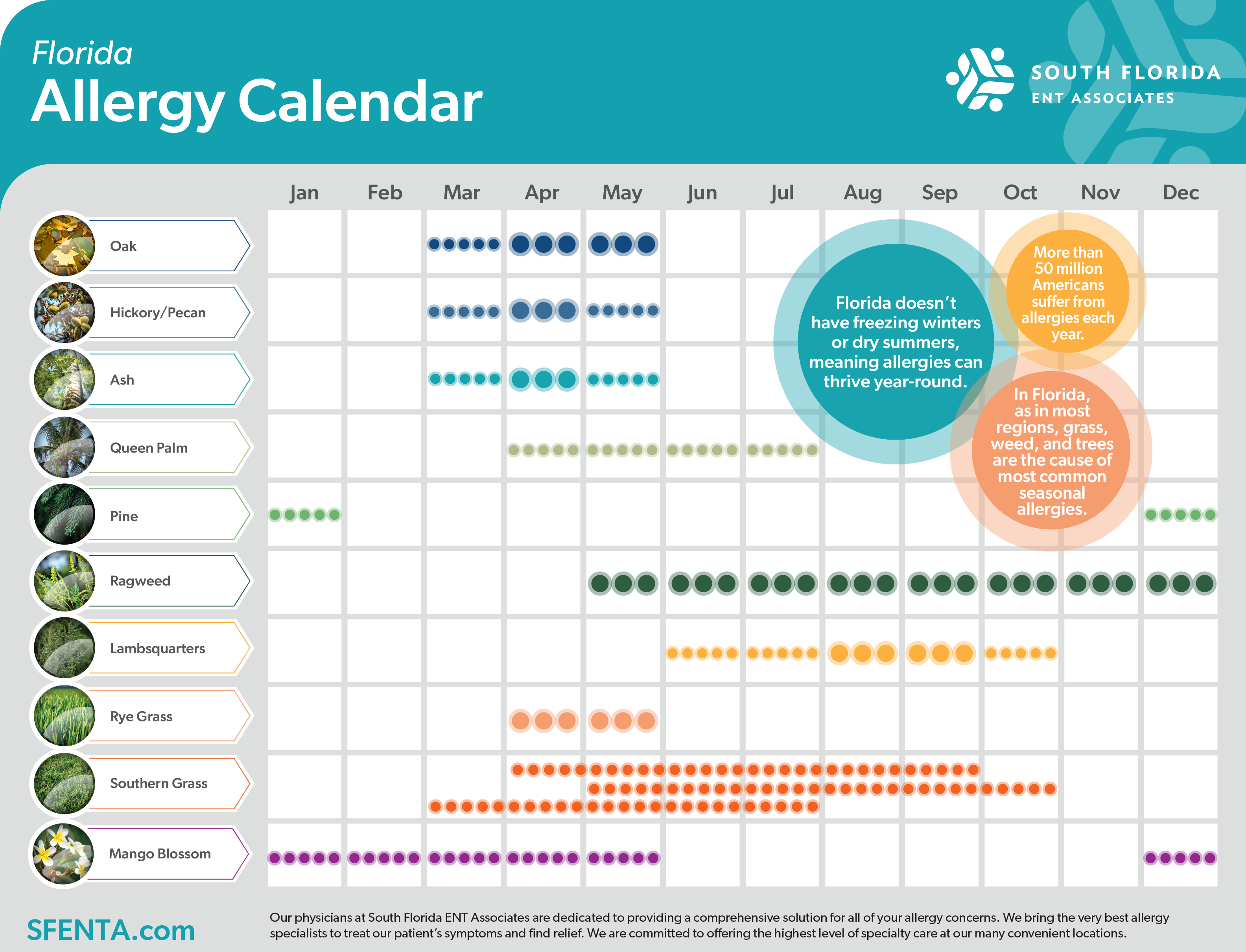
Understanding which allergens are prevalent at different times of the year is crucial for effective management. Florida experiences distinct, albeit overlapping, peaks for specific allergens.
- Tree Pollen: This is often the first significant wave of allergens, starting as early as December and peaking through January, February, and March. Common culprits include Oak, Pine, Juniper, Cypress, Cedar, and Sweet Gum. The concentration can be particularly high in cities with extensive tree coverage, like Jacksonville or Tallahassee, and even throughout the suburban areas surrounding tourist destinations like Orlando.
- Grass Pollen: As tree pollen begins to subside, grass pollen takes over, typically from April through September. Bahia grass and Bermuda grass are two of the most significant contributors, found widely across lawns, parks, and natural landscapes. These are particularly potent during spring and summer months across the entire state.
- Weed Pollen: Weed pollen, most notably ragweed, becomes a prominent allergen from late summer through fall, generally August to November. Other weeds like Pigweed and Lamb’s Quarters also contribute to this season. While less pervasive than tree or grass pollen, weed pollen can cause severe reactions for sensitive individuals.
- Mold Spores: Due to the state’s high humidity and frequent rainfall, mold is a year-round concern, peaking in the warmer, wetter months of summer and fall (June through November). Mold can be found outdoors in decaying vegetation, soil, and damp areas, and indoors in poorly ventilated spaces, contributing to year-round allergy symptoms.
Navigating Florida’s Allergy Seasons: A Month-by-Month Guide
For travelers planning their Florida adventures, a month-by-month breakdown of typical allergy patterns can be incredibly helpful. This allows for strategic planning, whether you’re seeking a quiet beach escape on the Atlantic Coast or an energetic theme park visit.
Winter Wonderland (and Winter Woes): Tree Pollen Dominates (December – March)
Many visitors might mistakenly believe that winter brings a respite from allergies. In Florida, however, it marks the beginning of the most intense tree pollen season.
- December-January: As early as December, particularly in central and south Florida, tree pollen begins to emerge. Juniper and Cypress are early bloomers, followed closely by Oak and Cedar. For those escaping colder northern climates, this can be an unexpected surprise. Mild temperatures encourage trees to pollinate actively.
- February-March: This period often sees the highest tree pollen counts. Oak trees, which are abundant across the state, release significant amounts of pollen, coating cars and outdoor surfaces with a yellow film. Pine pollen, though often irritating due to its size, is less allergenic than Oak. Travelers to cities like Tampa or Orlando during these months should be especially prepared for tree pollen.
Spring’s Bloom and Grass Pollen Boom (April – May)
As winter tree pollen gradually subsides, spring ushers in the reign of grass pollen, combined with lingering tree allergens and the beginnings of weed pollen.
- April-May: This is prime time for grass allergies. Bahia grass, a common turf grass, and Bermuda grass, found in many landscapes, become highly active. For visitors enjoying Florida’s numerous golf courses, parks, or open green spaces, grass pollen can be a major trigger. Simultaneously, some tree species might still be releasing pollen, and early weed varieties begin to emerge. The combination creates a multi-allergen challenge.
Summer’s Humidity and Weed/Mold Menace (June – August)
Florida’s long, hot, and humid summers bring a new set of allergic challenges, primarily from weeds and pervasive mold spores.
- June-August: While grass pollen continues throughout the summer, weed pollen starts to gain prominence, particularly Ragweed, which can begin its season in late July or early August. However, the defining allergen of Florida summers is mold. The high humidity, frequent thunderstorms, and damp conditions create an ideal environment for mold spores to proliferate both outdoors (in soil, decaying leaves, and vegetation) and indoors (in air conditioning systems, bathrooms, and basements). Exploring natural landmarks like Everglades National Park or engaging in outdoor water activities might expose sensitive individuals to higher mold counts.
Autumn’s Lingering Allergens (September – November)
Fall in Florida offers slightly cooler temperatures, but not necessarily a complete reprieve from allergies.
- September-November: Weed pollen, especially ragweed, peaks during these months, mirroring the traditional fall allergy season found elsewhere. Grass pollen can also linger, particularly in early fall. Crucially, mold continues to be a significant issue, often remaining high due to residual humidity and tropical weather patterns that can bring heavy rains. As temperatures begin to cool, some early tree pollens might even start to emerge towards the end of November, signaling the cyclical nature of Florida’s allergies.
Planning Your Florida Getaway: Essential Tips for Allergy Sufferers
Don’t let allergies deter you from experiencing the magic of Florida! With careful planning and preparation, you can significantly reduce your risk of symptoms and fully enjoy your travel and tourism experiences.
Strategic Travel Planning: Timing is Everything
- Check Pollen Forecasts: Before and during your trip, regularly consult local pollen forecasts. Many weather apps and allergy websites provide daily updates on pollen types and concentrations for specific Florida cities. This can help you adjust your daily itinerary.
- Consider Peak Seasons: If you have severe allergies to a specific type of pollen (e.g., oak tree pollen), try to avoid traveling during its peak season. For example, if tree pollen is your nemesis, a late fall or early winter visit might be preferable to a February or March trip.
- Flexibility with Outdoor Activities: On days with high pollen counts, prioritize indoor attractions such as museums, aquariums, shopping centers, or covered theme park areas. Save beach visits or nature walks for days with lower counts, or schedule them for late afternoon after pollen has settled.
Choosing Allergy-Friendly Accommodations
Your choice of accommodation can significantly impact your comfort.
- Research Hotels and Resorts: When booking hotels or resorts, inquire about their allergy policies. Many modern hotels offer allergy-friendly rooms, often featuring hard floors instead of carpets, hypoallergenic bedding, and advanced air purification systems.
- Request Specific Room Types: Ask for rooms on higher floors, away from ground-level gardens or large trees. If possible, opt for rooms that don’t allow pets, especially if animal dander is an issue.
- Utilize Air Conditioning: Keep windows closed and rely on air conditioning, ensuring the filters are clean. Many hotels maintain their AC systems regularly, which can help filter out airborne allergens. Some travelers even bring a portable air purifier for their room.
- Consider Vacation Rentals: If staying in a long-term apartment or villa, you might have more control over the indoor environment, but research the property thoroughly to avoid surprises.
Medication and Preparedness
Being well-stocked with your preferred allergy remedies is paramount.
- Pack Your Medications: Bring an ample supply of any prescription or over-the-counter allergy medications (antihistamines, nasal sprays, eye drops) you normally use. Don’t rely on finding your exact brand locally, especially if you have specific preferences.
- Consult Your Doctor: Before traveling, discuss your plans with your doctor. They might recommend specific treatments or adjustments to your medication regimen, particularly for a prolonged trip or if you anticipate higher exposure to allergens.
- Stay Hydrated: Drinking plenty of water can help keep your nasal passages moist and thin mucus, making symptoms more manageable.
- Local Pharmacies: Familiarize yourself with the location of local pharmacies in your chosen destination (e.g., Key West, Tampa). In case of an unexpected flare-up, knowing where to get supplies quickly will save time and stress.
Enjoying Florida Responsibly
- Shower and Change Clothes: After spending time outdoors, especially during peak pollen season, shower and change into fresh clothes to remove pollen from your hair, skin, and garments.
- Wear Sunglasses: Protecting your eyes with sunglasses can help reduce direct contact with airborne pollen.
- Check Car Filters: If renting a car, ensure the cabin air filter is clean, especially if you plan extensive driving around the state.
- Be Mindful of Local Cuisine: While not directly related to environmental allergies, being aware of food allergies is always good tourism advice, especially when exploring Florida’s diverse culinary scene.
The Best Times to Visit Florida for Allergy Sufferers
While Florida rarely offers a completely allergy-free window, certain periods tend to be less challenging for general allergy sufferers.
- Late Fall (Late November – Early December): This period can offer a slight lull. Weed pollen is diminishing, and tree pollen is just starting to emerge. The humidity also begins to drop, which can temporarily reduce mold spore counts. Temperatures are pleasantly mild, making it an ideal time for outdoor activities.
- Late Spring (Late May – Early June): After the peak of tree pollen and as grass pollen transitions, there can be a brief window of slightly lower overall pollen counts before the full onset of summer weeds and peak mold season. However, this varies greatly by region and year.
- Coastal Areas during Breeze: Sometimes, coastal areas, particularly on breezy days, can have slightly lower localized pollen counts as allergens are blown away from land. However, this is not a guarantee and can vary with wind direction.
Ultimately, the “best” time depends on your specific sensitivities. If you are highly allergic to tree pollen, avoiding the winter and early spring is advisable. If grass pollen is your primary trigger, summer might be tough. For those sensitive to mold, the dry season (typically winter, though still humid by northern standards) might offer some relief. The key is to know your triggers and plan accordingly.

Conclusion: Embrace the Sunshine, Manage the Sneezes
Florida’s unique climate presents a year-round allergy challenge, but it is by no means an insurmountable barrier to enjoying its myriad destinations and experiences. From the vibrant city life of Miami to the tranquil beaches of the Florida Keys, and the family-friendly attractions of Orlando, the Sunshine State continues to be a top choice for travelers. By understanding the seasonal rhythms of common allergens – primarily tree, grass, and weed pollens, alongside ever-present mold spores – visitors can make informed decisions about their travel dates and itineraries.
Strategic planning, including checking pollen forecasts, selecting allergy-friendly accommodations, and carrying essential medications, are simple yet powerful steps to ensure a comfortable trip. While there may not be a single “allergy-free” season, being proactive allows you to minimize symptoms and maximize your enjoyment. So pack your bags, prepare your allergy toolkit, and get ready to soak up the sun, culture, and adventure that awaits you in beautiful Florida. Your dream lifestyle getaway awaits, sniffle-free!
LifeOutOfTheBox is a participant in the Amazon Services LLC Associates Program, an affiliate advertising program designed to provide a means for sites to earn advertising fees by advertising and linking to Amazon.com. Amazon, the Amazon logo, AmazonSupply, and the AmazonSupply logo are trademarks of Amazon.com, Inc. or its affiliates. As an Amazon Associate we earn affiliate commissions from qualifying purchases.