
The very phrase “alligator season” evokes a sense of wildness, tradition, and a unique way of life intrinsically tied to the bayous and swamps of Louisiana. For many, it immediately conjures images of hunters navigating cypress-laden waters in pursuit of these ancient reptiles. However, for a broader audience, “alligator season” carries a different, equally compelling meaning: the optimal time for tourists to witness these magnificent creatures in their natural habitat, partake in thrilling swamp tours, and immerse themselves in the rich, vibrant culture that has evolved alongside them. This article delves into both interpretations, offering a comprehensive guide to understanding when alligator season truly is in Louisiana, whether your interest lies in sustainable hunting practices or unforgettable wildlife encounters.
Louisiana, a state famed for its distinctive Cajun and Creole heritage, vibrant music, and unparalleled cuisine, boasts the largest wild alligator population in the United States. This abundance isn’t just a biological marvel; it’s a cornerstone of the state’s economy, culture, and tourism industry. From the bustling streets of New Orleans to the serene waterways of the Atchafalaya Basin, alligators are an omnipresent symbol of the state’s untamed beauty. Understanding their seasonal behaviors and the regulations surrounding them is key to truly appreciating this incredible aspect of Louisiana life.
Understanding Louisiana’s Alligator Hunting Season
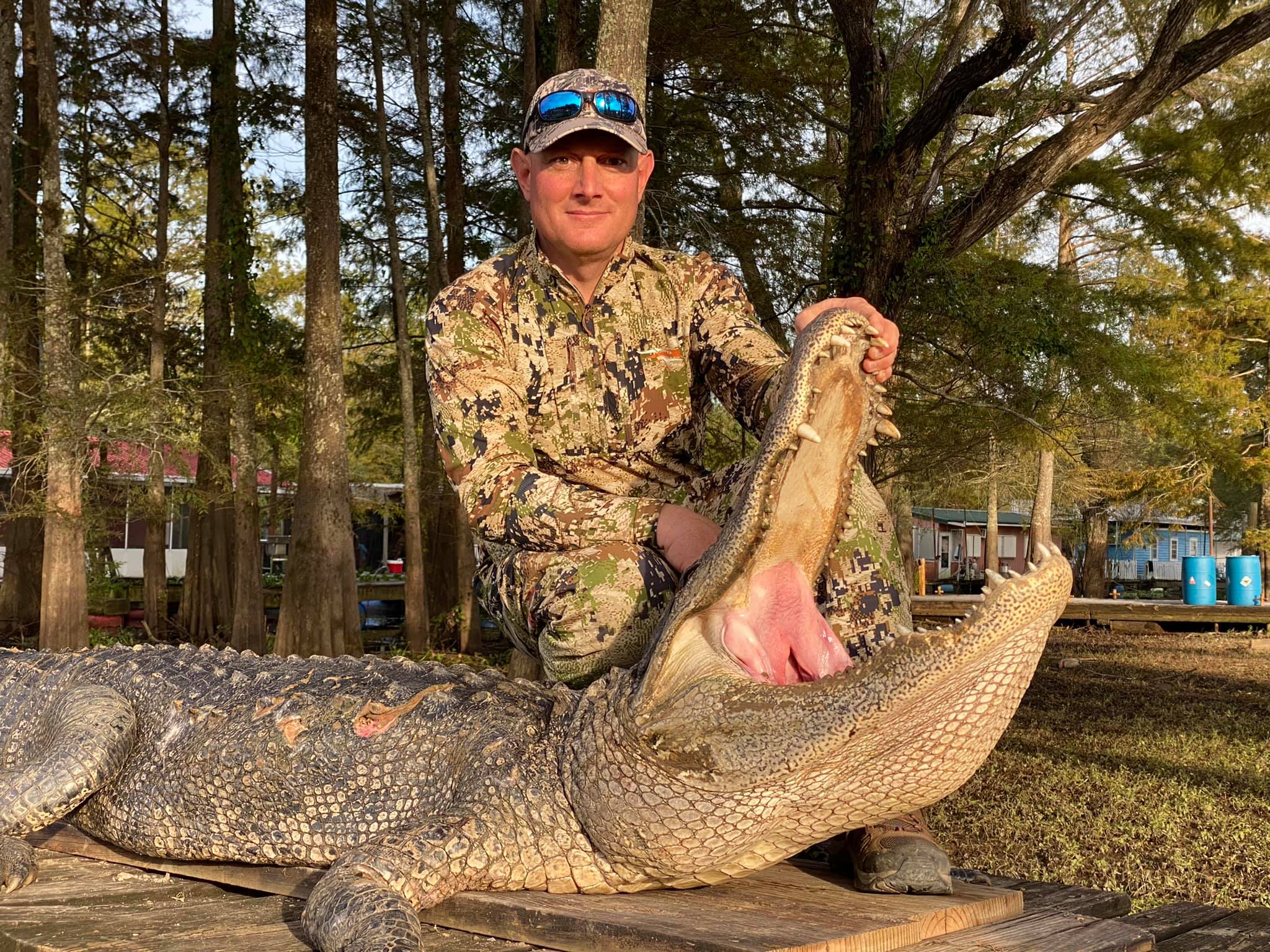
The alligator hunting season in Louisiana is a carefully regulated and historically significant event. Far from an indiscriminate free-for-all, it’s a testament to the state’s commitment to wildlife conservation and sustainable resource management, overseen by the Louisiana Department of Wildlife and Fisheries (LDWF). This robust framework ensures that the alligator population remains healthy and thriving, while also allowing for cultural traditions and economic opportunities related to the harvesting of alligator hides and meat.
The Regulatory Framework and Key Dates
The private lands alligator hunting season typically runs for a 60-day period, commencing on the last Wednesday of August each year. This means that for 2024, the season would likely start on August 28th, extending into late October. However, these dates can vary slightly year to year, and it’s always crucial to check the official LDWF website for the most current information. The private lands season accounts for the vast majority of alligator harvests and is managed through a tag system. Landowners or their designated agents are allocated a specific number of tags based on the alligator habitat on their property and historical population densities. These tags are non-transferable and must be affixed to each harvested alligator immediately.
In addition to the private lands season, there is also a limited public lands alligator hunting season, which is a highly sought-after opportunity. Permits for public lands, such as specific wildlife management areas, are typically awarded through a lottery system in late spring or early summer. These seasons are often shorter and have even stricter quotas to ensure minimal impact on localized populations. Aspiring public land hunters must navigate a rigorous application process, demonstrating their understanding of the regulations and their commitment to ethical hunting practices. The public season usually aligns with the private land season but may have different start and end dates depending on the specific wildlife management area.
The LDWF utilizes a comprehensive quota system, scientific research, and population monitoring to set these seasons and tag allocations. This ensures that the harvest remains sustainable and contributes to the overall health of the alligator population, which has rebounded remarkably since conservation efforts began in the mid-20th century. Hunters must possess a valid Louisiana hunting license, an alligator hunting license, and alligator tags specific to their allocated area. Compliance with size restrictions and proper tagging procedures is strictly enforced to maintain the integrity of the program.

The Hunt: Methods, Ethics, and Local Culture
Alligator hunting in Louisiana is a challenging endeavor, steeped in tradition and requiring considerable skill and knowledge of the wetlands. The most common methods include:
- Hook and Line: This involves baiting large, strong hooks tied to sturdy lines, typically left overnight. Hunters return in the morning to check their lines.
- Snare: A snare is often used in conjunction with a hook and line. Once an alligator is hooked, a snare is carefully deployed around its neck or snout to secure it before bringing it aboard the vessel.
- Bowfishing: While less common for commercial harvesting, bowfishing for alligators is a popular recreational pursuit, offering an exhilarating challenge for experienced archers.
Ethical hunting practices are paramount. Hunters are expected to dispatch alligators humanely and efficiently, minimizing stress to the animal. The LDWF provides extensive guidelines and educational resources to ensure hunters adhere to these standards. The sustainable management of alligators also includes a thriving alligator farming industry. Many young alligators are collected from the wild under strict permits and raised in farms, further reducing pressure on wild populations while meeting market demand for hides and meat. This integrated approach, combining wild harvest with aquaculture, is a model for wildlife conservation.
The alligator industry is a significant economic driver in Louisiana. Alligator hides are highly prized in the luxury leather market, used for everything from handbags to boots, while alligator meat has become a popular culinary delicacy, featuring prominently in Cajun and Creole cuisine. For many Cajun communities, especially those living deep within the bayous, alligator hunting is more than just a livelihood; it’s a way of life passed down through generations. It represents a deep connection to the land, an understanding of the intricate ecosystem, and a proud continuation of their unique cultural identity. This blend of tradition, commerce, and conservation makes Louisiana’s alligator hunting season a fascinating and complex annual event.
Alligator Season for Tourists: Best Times for Sightings and Experiences
While the hunting season is a specific period for a select group, “alligator season” for tourists encompasses a much broader timeframe, focusing on when these magnificent reptiles are most visible and active. Louisiana’s swamps and bayous offer unparalleled opportunities for wildlife viewing, and planning your visit around the alligators’ natural behaviors can significantly enhance your experience.
Optimal Seasons for Wildlife Viewing
Spring (March to May) and Fall (September to November) are generally considered the prime seasons for alligator sightings and overall comfortable travel in Louisiana.
- Spring: As temperatures rise, alligators emerge from their cooler winter dormancy, becoming highly active. This is their mating season, making them particularly visible and vocal. You might witness elaborate courtship rituals and territorial displays. The weather is generally pleasant, with fewer mosquitoes than in summer, making swamp tours a delightful experience.
- Fall: Following the intense heat of summer, fall brings cooler, more comfortable temperatures. Alligators remain active, feeding heavily to build up fat reserves for the coming winter. The receding waters in some areas can concentrate alligators, making them easier to spot. This season also coincides with the hunting season, but tourist tours are generally unaffected and operate safely in designated areas.
Summer (June to August) is also a popular time for tourism, despite the heat and humidity. Alligators are consistently active, often basking in the sun along banks or swimming in the open water. While the midday sun can be intense, early morning and late afternoon tours offer excellent viewing opportunities. Be prepared for high temperatures and bring plenty of water and insect repellent. Many tour operators run frequent trips during the peak summer tourist season, ensuring availability.
Winter (December to February) presents a different kind of challenge for alligator viewing. As temperatures drop, alligators become less active, entering a state of brumation (similar to hibernation). They may retreat into dens or simply become very sluggish, spending extended periods submerged. While it’s still possible to see them, especially on warmer winter days, sightings are generally less frequent and less dynamic than in other seasons. However, winter does offer fewer crowds and unique birdwatching opportunities.
Regardless of the season, alligators are cold-blooded creatures, meaning they rely on external heat sources to regulate their body temperature. They are most active when the ambient temperature is between 82 and 92 degrees Fahrenheit (28-33°C). On cooler days, they will seek out warm spots to bask; on hotter days, they may retreat into cooler waters. This behavioral pattern means that while you can spot them year-round, their activity levels directly correlate with the weather.
Top Destinations for Alligator Encounters
Louisiana is dotted with incredible locations perfect for an alligator-focused adventure, catering to various preferences from guided tours to self-exploration.
- New Orleans Swamp Tours: Just a short drive from the vibrant French Quarter, numerous tour operators offer guided excursions into the surrounding bayous. Popular choices include tours operating near the Jean Lafitte National Historical Park and Preserve or from areas like Bayou Segnette State Park. You can choose between large, covered pontoon boats for a leisurely ride or exhilarating airboat tours that zip across the water, often bringing you closer to the wildlife. These tours are excellent for guaranteed sightings and often include knowledgeable guides who share fascinating insights into the ecosystem and local culture.
- Atchafalaya Basin: The largest river swamp in the United States, the Atchafalaya Basin is a true wilderness experience. Located between Baton Rouge and Lafayette, it offers a more raw and authentic encounter with Louisiana’s wetlands. Here, you’ll find a higher concentration of wild alligators, along with a myriad of other wildlife. Various local outfitters offer guided fishing trips, kayak tours, and eco-tours, allowing for deep immersion in this stunning natural landmark.
- Lake Martin (near Breaux Bridge): Located in the heart of Cajun Country, Lake Martin is a renowned bird sanctuary and an excellent spot for alligator viewing. It’s less commercialized than some New Orleans tours, offering a more tranquil experience. You can take guided boat tours or even launch your own canoe or kayak (with extreme caution and respect for wildlife). The Rookery Trail boardwalk provides accessible viewing opportunities for both birds and alligators.
- Creole Nature Trail All-American Road: This scenic byway in Southwest Louisiana offers several wildlife refuges and boardwalks where visitors can spot alligators in their natural habitats. It’s ideal for self-guided exploration and provides ample photography opportunities.
When embarking on an alligator encounter, always prioritize safety. Keep a respectful distance from wild animals, never feed them, and always follow your tour guide’s instructions. Remember, these are wild predators, and while encounters are typically safe, caution is always advisable.
Planning Your Louisiana Alligator Adventure
A trip to Louisiana for an alligator adventure is more than just spotting wildlife; it’s an opportunity to dive deep into a culture as rich and diverse as the ecosystems themselves. Combining your quest for alligator encounters with other local experiences will create an unforgettable travel itinerary.
Beyond Alligators: Exploring Louisiana’s Rich Culture
The allure of Louisiana extends far beyond its wetlands. Integrating cultural experiences into your trip will provide a holistic understanding of the state’s unique lifestyle.
- Food: No visit to Louisiana is complete without indulging in its world-famous cuisine. Sample delectable Cajun dishes like gumbo, jambalaya, and étouffée. Don’t shy away from trying alligator meat itself – whether fried, grilled, or in a sauce piquante, it’s a lean, flavorful protein that truly represents the local bounty. Seafood, from crawfish boils to fresh oysters, is also a must-try. New Orleans and Lafayette are culinary hubs with a plethora of restaurants ranging from fine dining to charming local eateries.
- Music: Louisiana is the birthplace of jazz, and its musical traditions run deep, encompassing blues, Zydeco, and Cajun music. Immerse yourself in live music venues, especially along New Orleans’ French Quarter or at local dance halls in Cajun Country.
- Festivals: The state’s calendar is packed with vibrant festivals celebrating everything from food to music to historical events. Mardi Gras in New Orleans is world-renowned, but countless smaller, equally charming festivals occur throughout the year in towns like Breaux Bridge (the Crawfish Capital of the World).
- Historic Sites: Explore the elegant architecture of the French Quarter, delve into the past at historic plantations along the Mississippi River, or visit museums detailing the state’s rich history, from the Louisiana Purchase to the present day.
Accommodation and Travel Tips
Choosing the right accommodation and planning your logistics carefully will ensure a smooth and enjoyable trip.
- Accommodation: Louisiana offers a diverse range of accommodations to suit every budget and lifestyle.
- Luxury Travel: In New Orleans, you’ll find exquisite boutique hotels in the French Quarter or Garden District, and upscale resorts along the Mississippi River offering amenities like spas and fine dining. Brands like Hilton and Marriott have prominent presence.
- Budget Travel: More affordable options include charming guesthouses, hostels, and chain hotels outside the immediate city centers. Many smaller towns in Cajun Country offer quaint bed and breakfasts that provide an authentic local experience.
- Unique Stays: Consider booking a cabin in a state park or a vacation rental on a bayou for a truly immersive experience close to nature.
- Booking Advice: Especially during peak tourist seasons (spring, fall, and major festivals like Mardi Gras), accommodations can book up quickly. It’s advisable to make reservations well in advance, often several months ahead. Use comparison websites and read reviews to find the perfect fit for your needs.
- Transportation: While walking is the best way to explore areas like the French Quarter, a car rental is highly recommended if you plan to explore beyond major cities, especially to reach swamp tour departure points or attractions in Cajun Country. Alternatively, many companies offer guided tours that include transportation from major cities to their swamp tour locations.
- What to Pack: Given Louisiana’s climate, lightweight, breathable clothing is essential. A wide-brimmed hat, sunglasses, and high-SPF sunscreen are crucial year-round. Don’t forget potent insect repellent, especially during warmer months or when venturing into wetlands. Comfortable walking shoes are a must for exploring historic districts.
- Sustainable Tourism: When visiting Louisiana’s delicate ecosystems, practice responsible tourism. Stick to marked trails, dispose of waste properly, and support local businesses that demonstrate environmental stewardship. Choose tour operators who prioritize the well-being of the wildlife and the health of the bayous.
In conclusion, “alligator season” in Louisiana is a dynamic concept, reflecting both a deeply rooted hunting tradition and an incredible opportunity for wildlife enthusiasts. Whether you’re drawn by the respectful pursuit of the hunt or the awe-inspiring sight of these ancient predators in their natural habitat, Louisiana offers a rich tapestry of experiences. By understanding the optimal times and planning your trip thoughtfully, you can embark on an unforgettable adventure that celebrates the wild heart of the Gulf Coast and the vibrant culture it sustains. Come and discover the unique charm and untamed beauty that only Louisiana can offer.
LifeOutOfTheBox is a participant in the Amazon Services LLC Associates Program, an affiliate advertising program designed to provide a means for sites to earn advertising fees by advertising and linking to Amazon.com. Amazon, the Amazon logo, AmazonSupply, and the AmazonSupply logo are trademarks of Amazon.com, Inc. or its affiliates. As an Amazon Associate we earn affiliate commissions from qualifying purchases.