
The annual Back-to-School Tax-Free Weekend in Texas is a highly anticipated event for families and educators across the Lone Star State. This special period offers a welcome respite from sales tax on eligible purchases, making it the perfect opportunity to stock up on essential school supplies, clothing, and even certain electronics without incurring the additional cost. As the summer heat begins to wane and the prospect of a new academic year looms, understanding the dates and details of this tax-saving event is crucial for making the most of your back-to-school shopping.

This guide delves into the specifics of the Texas Tax-Free Weekend, providing you with all the information you need to plan your shopping excursions. We’ll explore the dates, eligible items, and offer tips for maximizing your savings, all while keeping in mind the broader context of enjoying local experiences and making memorable family trips. Whether you’re a parent preparing your children for their return to the classroom, a student eager to grab new gear, or a savvy shopper looking for a bargain, this information will be invaluable.
The Texas Back-to-School Tax-Free Weekend is more than just a shopping event; it’s a tradition that injects a sense of excitement and preparedness into the transition from summer vacation to the academic year. It encourages conscious spending and highlights the importance of accessible education for all. As you plan your back-to-school purchases, consider how this event can align with your travel plans, perhaps incorporating a trip to a different city or a visit to a local attraction while you’re out and about.
Understanding the Texas Tax-Free Weekend
The Texas Back-to-School Tax-Free Weekend, officially designated as the “Sales Tax Holiday,” occurs annually in late August. The Texas Comptroller of Public Accounts sets the exact dates each year, typically allowing for a three-day period. This period is designed to alleviate some of the financial burden associated with back-to-school preparations. The sales tax exemption applies to qualifying items purchased in person or online from retailers within Texas during the specified dates.
The primary goal of this initiative is to provide financial relief to Texas families. By waiving state sales tax on essential items, the state aims to make education more accessible and less costly for its citizens. This can be particularly beneficial for households with multiple children or for those on a tight budget. Beyond the direct savings, the event also stimulates economic activity within the state, as consumers are encouraged to spend on goods that might otherwise be deferred or forgone.
Dates and Duration
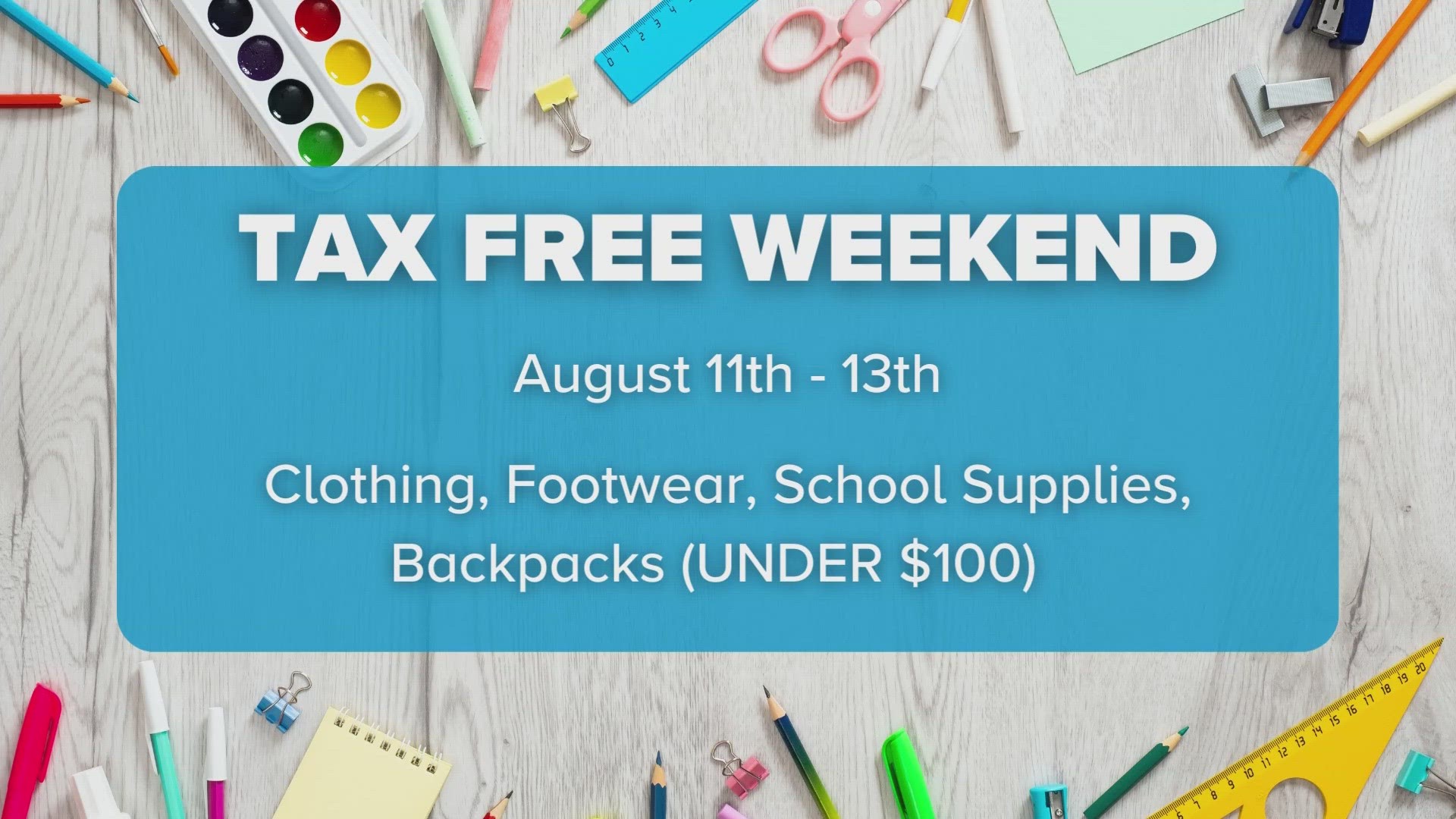
The Texas Back-to-School Tax-Free Weekend typically falls on a Friday, Saturday, and Sunday. For 2024, the holiday is scheduled for Friday, August 9th, through Sunday, August 11th. It is imperative to mark these dates on your calendar to ensure you don’t miss out on the savings. The timing is strategically placed to allow ample opportunity for shopping before the start of the school year for most Texas public school districts.
It’s important to note that while the state designates these dates, individual school districts may have slightly different start dates. However, the tax-free period is consistent statewide. This uniformity ensures that all Texas residents can benefit from the exemption regardless of their specific school calendar. Planning your shopping around these specific dates is key to maximizing your savings.
Eligible Items
The Texas Back-to-School Tax-Free Weekend offers a broad range of tax-exempt purchases, primarily focusing on items that are essential for students and educators. The exemption generally applies to:
- Clothing and Footwear: Items of clothing and shoes with a price of $100 or less per item. This includes everything from shirts and pants to socks and school uniforms. Accessories like belts and hats are also included, provided they meet the price threshold.
- School Supplies: Items used for educational purposes that cost $10 or less per item. This category encompasses a wide array of materials, such as notebooks, pens, pencils, markers, binders, and calculators.
- Computers and Related Accessories: A significant exemption applies to qualifying computers and computer peripherals priced at less than $1,500. This includes laptops, desktops, tablets, keyboards, mice, and monitors, making it an opportune time to upgrade technology for remote learning or study.
There are, however, certain items that are not eligible for the tax exemption. These typically include:
- Items priced over the specified thresholds ($100 for clothing, $10 for school supplies, $1,500 for computers).
- Athletic shoes or athletic apparel if they are designed for specific sports or athletic activity (e.g., cleats, ballet slippers).
- Costumes.
- Items used for commercial purposes.
- Most electronics not directly related to schoolwork or computers, such as video game consoles or standalone DVD players.
- Software, even if purchased for educational use.
A comprehensive list of eligible and ineligible items is usually available on the Texas Comptroller of Public Accounts website, providing definitive guidance for shoppers. Always verify the latest guidelines from the Comptroller’s office as specifics can occasionally be updated.
Making the Most of the Tax-Free Weekend: Shopping Strategies and Travel Tips
The Back-to-School Tax-Free Weekend in Texas presents an excellent opportunity not only to save money but also to plan your shopping trips in conjunction with enjoyable outings. By combining your back-to-school errands with local exploration, you can transform a potentially mundane task into a mini-adventure, especially if you’re traveling within the state.
Strategic Shopping for Maximum Savings
To truly maximize your savings, strategic planning is key. Before the tax-free weekend arrives, take the time to assess your family’s needs. Create a detailed list of every item you intend to purchase, categorizing it by eligible tax-free items and those that will still be subject to sales tax. This will help you stay focused and avoid impulse purchases of non-qualifying goods.
- Prioritize High-Value Items: Focus your tax-free shopping efforts on items that will yield the most significant savings due to their price. For instance, purchasing a new laptop or several pairs of children’s shoes can result in substantial tax savings.
- Bundle Purchases: If you have multiple children, consolidate your shopping to take advantage of the per-item price limits. For example, if one child needs a backpack and another needs a pair of shoes, you can plan your purchases to meet the individual item price caps.
- Compare Prices: Even though sales tax is waived, the base price of items still matters. Research prices at different retailers before the tax-free weekend to identify the best deals on eligible items. Many retailers offer special back-to-school sales that can be combined with the tax-free exemption.
- Consider Online Shopping: Many online retailers that ship to Texas will honor the tax-free status during the designated period. This can be a convenient option, especially if you are unable to shop in person. However, ensure that the retailer is based in Texas or has a physical presence there to qualify for the exemption.
Integrating Shopping with Travel Experiences
The tax-free weekend can serve as a catalyst for family outings and mini-vacations within Texas. Instead of just visiting your local mall, consider making a trip to a larger city or a neighboring town to explore new shopping destinations and enjoy local attractions.
- Day Trips to Nearby Cities: Cities like Dallas, Houston, San Antonio, or Austin offer a wide array of shopping centers, from sprawling outdoor malls to boutique districts. Planning a day trip to one of these cities allows you to tackle your back-to-school shopping while also experiencing new parts of Texas. You can visit landmarks like the Alamo in San Antonio or the Perot Museum of Nature and Science in Dallas.
- Weekend Getaways: For those who want to make a more extended outing, a weekend getaway can be a perfect blend of shopping and leisure. Book a stay at a family-friendly hotel or resort, explore local dining options, and then dedicate a day or two to tax-free shopping. Consider destinations like Galveston Island for a beachside shopping experience or the Texas Hill Country for charming small-town boutiques.
- Exploring Local Culture and Cuisine: While you’re out shopping, make time to immerse yourselves in the local culture. Visit farmers’ markets, try regional specialties, or explore historical sites. For example, if you’re shopping in Houston, you could visit the Space Center Houston or enjoy diverse culinary offerings. In Austin, enjoy live music or visit the Texas State Capitol.
Accommodation and Logistics
If your tax-free shopping plans involve travel, consider booking accommodation in advance. Hotels, resorts, and even vacation rentals can fill up quickly during popular shopping periods.
- Family-Friendly Stays: Look for hotels offering amenities like swimming pools, complimentary breakfast, or suites with separate living areas, which are ideal for families. Many resorts also provide a range of activities that can entertain children while parents focus on shopping.
- Budget-Conscious Options: For budget travelers, consider motels or extended-stay hotels that offer kitchenettes, allowing for meal preparation and further cost savings. Compare prices across different booking platforms to secure the best rates.
- Proximity to Shopping Centers: When choosing accommodation, consider its proximity to major shopping hubs. This can save you valuable time and reduce transportation costs. Some hotels may even offer shuttle services to nearby malls or attractions.

By carefully planning your shopping list, comparing prices, and integrating your errands with enjoyable travel experiences and comfortable accommodation, the Texas Back-to-School Tax-Free Weekend can be a financially rewarding and memorable occasion for the whole family.
What to Buy: A Comprehensive Guide to Tax-Free Items
The Texas Back-to-School Tax-Free Weekend offers a valuable opportunity to acquire essential items for students and educators without the added burden of state sales tax. Understanding precisely which items qualify is crucial to maximizing the benefits of this annual event. The Texas Comptroller of Public Accounts provides detailed guidelines, but generally, the exemptions focus on core educational necessities.
Clothing and Footwear Under $100
One of the most significant categories of tax-free purchases includes clothing and footwear. The exemption applies to individual items priced at $100 or less. This broad category encompasses a wide array of apparel suitable for school and everyday wear.
- Everyday Apparel: This includes shirts, blouses, sweaters, pants, shorts, skirts, dresses, and jeans. For younger children, this also extends to onesies and rompers.
- School Uniforms: Many schools require specific uniforms, and these are typically eligible for the tax exemption, provided they meet the price limit.
- Undergarments and Sleepwear: Items like underwear, socks, pajamas, and robes are also included, offering a chance to refresh these everyday essentials.
- Footwear: Shoes for children and adults, including sneakers, sandals, boots, and dress shoes, are tax-exempt if they are priced at $100 or less per pair. However, specialized athletic footwear designed for specific sports, such as cleats or ballet slippers, may not qualify.
It’s important to remember the “per item” clause. If you purchase a dress that costs $110, the entire dress is subject to sales tax. However, if you purchase two dresses, each costing $60, both would be tax-free. This encourages strategic purchasing of individual items within the price threshold.
School Supplies Up to $10
The tax-free designation for school supplies aims to equip students with the necessary tools for learning. This category includes a vast array of items, each with an individual price limit of $10.
- Writing Instruments: Pens, pencils, markers, crayons, colored pencils, and chalk are all eligible.
- Paper Products: Notebooks, loose-leaf paper, copy paper, construction paper, and writing tablets are included.
- Organizational Tools: Binders, folders, and report covers fall under this exemption.
- Art and Craft Supplies: Glue, scissors, rulers, erasers, and paintbrushes are also tax-free.
- Basic Learning Aids: Items such as flashcards, protractors, and geometry sets are generally included.
While many common school supplies are covered, it’s worth noting that items like backpacks, lunch boxes, and calculators have their own specific rules (as detailed below), so ensure you check their eligibility and price points.
Computers and Accessories Under $1,500
The exemption for computers and related accessories is particularly significant, as these items can represent a substantial investment for families. Computers and peripherals purchased for $1,500 or less are tax-free.
- Computers: This includes desktop computers, laptops, and tablets that are primarily used for educational purposes.
- Computer Peripherals: This broad category covers essential accessories such as keyboards, mice, printers, monitors, modems, and routers.
- Software: While the computer hardware itself might be tax-free, most software purchases are generally not eligible for the exemption, even if they are intended for educational use. It is always advisable to check the specific guidelines for software.
The $1,500 price limit per item is crucial. If a computer bundle exceeds this amount, the entire bundle is subject to sales tax. However, if you purchase a computer for $1,400 and a separate printer for $100, both would be tax-free. This allows for the acquisition of essential technology without the added state sales tax, significantly reducing the overall cost.
Planning Your Back-to-School Shopping Expedition
The Texas Back-to-School Tax-Free Weekend is an excellent opportunity to save money on essential school supplies, clothing, and technology. Effective planning is paramount to maximizing these savings and making the most of this limited-time event. Whether you’re embarking on a local shopping spree or a longer excursion, a well-thought-out strategy can transform your back-to-school preparations into a more enjoyable and cost-effective experience.
Creating a Shopping Plan
A successful tax-free weekend shopping trip begins with a clear plan. Before the event, take stock of what your children will need for the upcoming school year. This inventory should include clothing, shoes, school supplies, and any necessary electronic devices.
- Detailed Shopping List: Compile a comprehensive list of all desired items. For each item, note its estimated cost and whether it falls within the tax-free price limits for clothing ($100), school supplies ($10), or computers ($1,500).
- Budget Allocation: Set a realistic budget for your back-to-school shopping. Knowing your spending limit will help you prioritize purchases and avoid overspending, even with the tax savings.
- Retailer Research: Identify the stores that carry the items on your list and compare prices. Many retailers offer special back-to-school sales that can be combined with the tax-free holiday, offering even greater savings. Consider both large chain stores and local boutiques.
- Online vs. In-Store: Decide whether you will be shopping primarily online or in person. If shopping online, ensure the retailer is located in Texas or has nexus there to ensure the tax exemption is applied correctly. Always verify the shipping costs and return policies.
Optimizing Your Shopping Experience
The tax-free weekend can be a busy time, so employing smart shopping tactics will enhance your experience.
- Shop Early or Late: To avoid the biggest crowds, consider shopping early in the morning on the first day of the holiday or later in the afternoon on the final day.
- Use Store Flyers and Apps: Take advantage of digital flyers and store apps for exclusive deals and coupons that can be applied to your tax-free purchases.
- Focus on Essentials First: Prioritize purchasing the most critical items from your list to ensure you secure what you need. If time or budget becomes a constraint, you’ll have already acquired the necessities.
- Keep Receipts Organized: Hold onto all your receipts, especially for items where the price is close to the exemption limit. This will be helpful for any potential returns or exchanges.
Making it a Family Affair
The back-to-school shopping experience can be an opportunity to create lasting memories with your children. By incorporating fun elements into your shopping trips, you can make it a more engaging and positive event.
- Involve Children in the Process: Allow your children to help create the shopping list and pick out their own clothes and supplies within your budget. This can give them a sense of ownership and excitement about returning to school.
- Plan for Breaks and Treats: Shopping can be tiring, especially for children. Schedule in breaks for snacks or a special lunch at a family-friendly restaurant, perhaps a local diner or a popular chain like Whataburger.
- Combine with Leisure Activities: If you’re traveling to a different city for shopping, consider visiting a local attraction. After a productive shopping session in Fort Worth, for instance, you might visit the Fort Worth Stockyards National Historic Landmark or the Fort Worth Zoo.
By following these guidelines and integrating your shopping with enjoyable experiences, the Texas Back-to-School Tax-Free Weekend can be a highly successful and rewarding event for your family. It’s a chance to prepare for the academic year ahead while also enjoying the diverse offerings of Texas.
LifeOutOfTheBox is a participant in the Amazon Services LLC Associates Program, an affiliate advertising program designed to provide a means for sites to earn advertising fees by advertising and linking to Amazon.com. Amazon, the Amazon logo, AmazonSupply, and the AmazonSupply logo are trademarks of Amazon.com, Inc. or its affiliates. As an Amazon Associate we earn affiliate commissions from qualifying purchases.