
Florida, the Sunshine State, is renowned for its pristine beaches, vibrant cities, and abundant marine life. Among the many treasures found in its expansive waterways, the blue crab stands out as both a culinary delight and a cherished recreational pursuit. For visitors and residents alike, understanding “when is blue crab season in Florida?” is key to experiencing one of the state’s most authentic and rewarding activities. This guide delves into the optimal times for crabbing, the best locations, essential regulations, and how to weave a blue crab adventure into an unforgettable Florida vacation, blending local culture, outdoor activities, and fantastic food experiences with comfortable accommodation options.

Understanding Florida’s Blue Crab Season
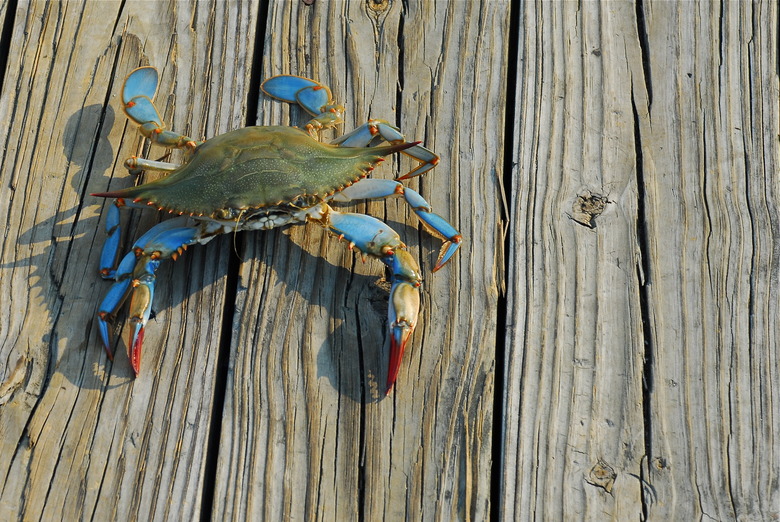
The blue crab (Callinectes sapidus), characterized by its distinctive blue claws and olive-green shell, is a prized species throughout the southeastern United States. In Florida, its availability varies, influenced by water temperature, spawning cycles, and conservation efforts. Knowing these nuances is crucial for a successful and enjoyable crabbing trip.
The Peak Periods and Regional Variations
While blue crabs can be found in Florida waters year-round, specific periods offer the best chances for a bountiful catch. Generally, the prime blue crab season in Florida spans from spring through late fall, roughly March to October. During these warmer months, blue crabs are more active, feeding heavily and moving into shallower waters, making them more accessible to recreational crabbers.
- Spring (March-May): As water temperatures begin to rise, blue crabs become increasingly active after their less mobile winter period. This is a fantastic time to crab, especially in the estuaries and bays. Females, in particular, move into higher salinity waters to spawn, often found closer to the inlets and nearshore coastal areas.
- Summer (June-August): Summer is arguably the peak season for blue crabbing in Florida. The warm waters stimulate high metabolic rates, leading to active feeding and rapid growth. This period often yields the largest crabs and the highest numbers. Summer also aligns perfectly with family vacations, making it an ideal time to introduce children to the joys of crabbing. The Gulf of Mexico and Atlantic Ocean coasts both see significant crabbing activity, with various coastal communities celebrating the season.
- Fall (September-October): Crabbing remains excellent into the early fall. As temperatures begin to cool slightly, crabs may become even more concentrated in certain areas before retreating to deeper waters for the winter. This can be a very productive time, often with fewer crowds than in the peak summer months.
Regional variations also play a role. The expansive coastline of Florida means conditions can differ. The shallow, brackish estuaries of the Florida Panhandle and Big Bend regions, for instance, are historically renowned for their blue crab populations. Areas along the Southwest Florida coast and certain parts of the Atlantic Coast also offer prime opportunities. Understanding local conditions and consulting regional fishing reports can further refine your timing.
Regulatory Framework: Ensuring Sustainable Crabbing
To ensure the sustainability of blue crab populations for future generations, the Florida Fish and Wildlife Conservation Commission (FWC) establishes strict regulations. Adhering to these rules is not only a legal requirement but also an ethical responsibility for all crabbers. Before embarking on any crabbing trip, it is imperative to check the most current FWC regulations, as they can be updated.
Key regulations typically include:
- Recreational Harvesting License: Most recreational crabbers will need a valid Florida recreational fishing license, unless they are crabbing from a public pier or bridge.
- Size Limits: There is usually a minimum size limit for blue crabs (often 5 inches from point to point across the carapace) to allow crabs to mature and reproduce before being harvested. This ensures that younger crabs have a chance to contribute to the population.
- Bag Limits: Recreational crabbers are subject to daily bag limits, which dictate the maximum number of crabs an individual can possess. This limit is designed to prevent overharvesting.
- Prohibited Crabs: It is illegal to harvest egg-bearing female blue crabs (females with a sponge-like egg mass under their abdomen, often referred to as “sponge crabs”). These females are vital for reproduction, and their protection is critical for the species’ health.
- Gear Restrictions: Certain types of gear are permitted or prohibited. For example, specific trap designs, buoy requirements, and limitations on the number of traps per person are common. Dip nets and hand lines are generally allowed.
- Closed Areas/Seasons: While generally open year-round with specific peak seasons, certain areas might have temporary closures or restrictions for conservation purposes.
Respecting these regulations ensures that Florida’s vibrant blue crab fishery remains healthy and productive, safeguarding this cherished resource for both ecological balance and human enjoyment. It’s always best to consult the official FWC website or local bait and tackle shops for the most up-to-date information before heading out.
The Art of Blue Crabbing: Methods and Where to Go
Engaging in blue crabbing is more than just a means to a delicious meal; it’s an immersive experience that connects you with Florida’s natural environment. Understanding the popular techniques and knowing the best spots will enhance your chances of success and enjoyment.
Popular Crabbing Techniques for Enthusiasts
Blue crabbing offers a variety of methods, suitable for different skill levels and preferences. Each technique has its charm and specific requirements.
- Hand-lining: This is perhaps the simplest and most accessible method, perfect for families and beginners. It involves tying a piece of bait (chicken necks, fish heads, or mullet are popular choices) to a sturdy string or line. The baited line is cast into the water, often from a dock, pier, or shallow shoreline. When a crab grabs the bait, a gentle tug will be felt. The crabber then slowly pulls the line towards them, using a dip net to scoop the crab out of the water before it lets go of the bait. This method offers a hands-on, exciting experience, especially for children.
- Dip Nets: Used in conjunction with hand-lining, a dip net is essential for safely landing the crabs. They can also be used independently in very shallow water, where crabs might be visible, or near pilings and underwater structures. A good quality, long-handled dip net is a must-have tool for any blue crabber.
- Crab Traps (Baited Traps): For a more passive approach, various types of baited traps are popular.
- Foldable Traps/Ring Nets: These are simple traps consisting of one or two rings of netting that lie flat on the bottom when deployed, often from a boat or dock. When a crab enters to eat the bait (typically secured in the center), the trap is quickly pulled up, causing the netting to collapse upwards, trapping the crab.
- Box Traps/Pot Traps: These are more robust, rectangular traps made of wire mesh, with funnel-shaped openings that allow crabs to enter but make it difficult for them to escape. These traps are usually deployed from boats in deeper waters and are left for several hours or overnight. Each trap must typically be marked with a buoy displaying the crabber’s FWC license number. This method is often preferred for catching larger quantities of crabs.
Regardless of the method, timing is key. Crabbing is often best during incoming or outgoing tides, as the moving water helps disperse the bait scent and makes crabs more active. Early mornings or late afternoons are generally more productive, avoiding the harsh midday sun and aligning with natural crab feeding patterns.
Premier Crabbing Destinations Across the Sunshine State
Florida’s extensive coastline and estuarine systems provide numerous hotspots for blue crabbing. While almost any coastal area with brackish water can yield crabs, certain regions are particularly famous for their blue crab bounty.
- The Florida Panhandle: The shallow, nutrient-rich bays and estuaries of the Panhandle are legendary for blue crabs. Places like Apalachicola Bay, known more famously for oysters, is also excellent for blue crabs, with abundant seagrass beds providing ideal habitat. Other notable areas include the waters around Pensacola, Destin, and Panama City Beach. Many public piers and docks in these towns offer great spots for hand-lining.
- Florida’s Big Bend Region: This less developed stretch of coastline, including towns like Cedar Key and Steinhatchee, is a haven for blue crabs. The vast expanse of salt marshes and tidal flats provides prime habitat. Here, crabbing is deeply ingrained in the local culture, and charter services often specialize in taking visitors to productive crabbing grounds.
- Southwest Florida: The intricate network of mangroves and estuaries along the Southwest Florida coast, particularly around Naples, Fort Myers, and the Ten Thousand Islands near the Everglades, offers fantastic crabbing. The calm, warm waters are ideal for blue crabs, and the scenic beauty of the area adds to the experience. Many public docks and shorelines are accessible, and boat rentals are readily available for exploring more remote areas.
- Central Florida’s Indian River Lagoon System: This biodiverse estuary system along Florida’s Atlantic Coast, stretching from Ponce Inlet near Daytona Beach down to Stuart, is a productive habitat for blue crabs. Areas around Titusville, Melbourne, and the Mosquito Lagoon are popular. While known for fishing, blue crabbing is a thriving activity here too.
- Northeast Florida (St. Johns River): The St. Johns River, particularly its lower brackish reaches flowing towards Jacksonville, is a surprisingly productive blue crabbing location. The river’s expansive marshlands and tidal creeks provide excellent habitat. Many local parks and boat ramps offer access to prime crabbing spots along this historic waterway.
When choosing a location, consider not just the crabbing potential but also the overall travel experience. Are you looking for a bustling city escape with culinary adventures, or a tranquil natural retreat where crabbing is just one facet of your outdoor exploration? Florida offers options for every preference.
Beyond the Catch: Blue Crabs as a Culinary and Travel Experience
A blue crab adventure in Florida extends far beyond the thrill of the catch. It’s an opportunity to immerse yourself in local culture, savor incredible seafood, and discover new destinations, perfectly aligning with themes of tourism, local culture, food activities, and travel experiences.
From Dock to Dish: Savoring Florida’s Blue Crabs
The reward for your crabbing efforts is one of the most delicious seafood experiences Florida has to offer. Blue crabs boast sweet, succulent meat, making them a favorite among gourmands.
- Preparation Methods: The simplest and most popular way to enjoy blue crabs is by steaming them. Seasoned with Old Bay or a similar spice blend, steamed crabs are a communal feast, requiring mallets, picks, and plenty of napkins. The ritual of cracking open the shell and extracting the tender meat is part of the fun. Beyond steaming, blue crab meat is incredibly versatile, starring in dishes such as:
- Crab Cakes: Flaky, flavorful patties often pan-fried or baked.
- Crab Gumbo or Bisque: Rich, savory stews and soups embodying Southern culinary traditions.
- Crab Dips: Creamy appetizers perfect for sharing.
- Crab Salads: Light and refreshing, ideal for a warm Florida day.
- Stuffed Crabs: The crab meat mixed with seasonings and breadcrumbs, then baked back into the shell.
- Local Restaurants and Culinary Festivals: If crabbing isn’t on your agenda, or you simply want to enjoy expertly prepared blue crabs, Florida’s coastal towns are dotted with fantastic seafood restaurants. Many establishments pride themselves on serving fresh, locally sourced blue crabs. Look for “crab shacks” or restaurants with “fresh catch” menus. Furthermore, throughout the peak season, various communities host seafood festivals that often feature blue crabs as a centerpiece, offering a vibrant atmosphere, live music, and diverse culinary offerings. These festivals are wonderful ways to experience local culture and taste the freshest seafood.
- For example, destinations like Cedar Key and Apalachicola have annual events that showcase local seafood, providing an authentic taste of Florida’s coastal bounty.
Planning Your Blue Crab Adventure: Accommodation and Activities
Integrating a blue crab excursion into your Florida vacation requires thoughtful planning, especially concerning accommodation and complementary activities. This is where the broader themes of travel and tourism truly shine.
- Accommodation Choices: The type of accommodation you choose can significantly enhance your crabbing trip.
- Resorts and Hotels: Many coastal resorts and hotels in destinations like Key West, Sarasota, Clearwater Beach, or even smaller towns in the Panhandle offer amenities like private docks, boat rentals, and sometimes even crabbing gear for guests. Staying at a full-service resort can combine your crabbing quest with luxury travel, spa treatments, and fine dining. For those seeking a blend of comfort and convenience, waterfront hotels or boutique accommodations near fishing piers are ideal.
- Vacation Rentals and Apartments: For families or groups, a vacation rental or an apartment with kitchen facilities is often preferred. This allows you to cook and enjoy your fresh catch, transforming your lodging into a culinary hub. Many rentals are located directly on canals or bayfronts, providing direct access to crabbing spots.
- Budget-Friendly Options: Even on a budget, crabbing is accessible. Many public parks offer access to crabbing areas, and affordable motels or campgrounds can serve as a base. The experience itself is often inexpensive, making it a great budget travel option.
- Complementary Activities and Local Attractions: A crabbing trip can be just one highlight of a multi-faceted Florida vacation.
- Beach Relaxation: After a morning of crabbing, unwind on one of Florida’s world-famous beaches.
- Fishing and Boating: Combine crabbing with other water-based activities like fishing charters, kayaking through mangroves, or paddleboarding.
- Nature and Wildlife: Many crabbing areas are rich in wildlife. Explore nearby state parks, nature preserves, or wildlife sanctuaries. For example, crabbing near the Everglades offers opportunities for airboat tours and spotting alligators.
- City Exploration: If you’re crabbing near larger cities like Tampa, St. Petersburg, Orlando, or Miami, extend your trip to include urban attractions, museums, shopping, and diverse culinary scenes.
- Landmarks and History: Explore local landmarks, historic districts, and cultural sites. Many coastal towns have rich maritime histories that are fascinating to discover. For instance, the historic districts of St. Augustine or Key West offer a glimpse into Florida’s past.
By strategically planning your travel itinerary, you can create a wholesome vacation experience that blends the excitement of the blue crab hunt with relaxation, cultural immersion, and exploration of Florida’s diverse offerings.
Tips for an Unforgettable Blue Crab Journey
To ensure your blue crab season adventure in Florida is as memorable and successful as possible, keep these practical tips in mind:
- Always Check FWC Regulations: This cannot be stressed enough. Regulations can change, and ignorance is not an excuse. Visit the Florida Fish and Wildlife Conservation Commission website before every trip.
- Monitor Weather and Tides: Crabbing is more productive during favorable weather and specific tidal movements. Plan your outing for calm days and consult tide charts for the best times (often incoming or outgoing tides).
- Gather the Right Gear: Ensure you have all the necessary equipment: sturdy lines, effective bait (chicken necks are a classic for a reason!), a good dip net, a cooler with ice to keep your catch fresh, and appropriate measuring tools to ensure crabs meet the legal size limits.
- Safety First: Be mindful of your surroundings, especially if crabbing from docks or rocky shorelines. Wear appropriate footwear, stay hydrated, and use sun protection. If crabbing from a boat, ensure all safety gear is on board.
- Respect the Environment: Practice responsible crabbing. Release undersized crabs and egg-bearing females gently. Dispose of bait and trash properly.
- Connect with Locals: Visit local bait and tackle shops. The staff there are often a wealth of information about current conditions, productive spots, and local tips. They can also advise on the best bait and gear for the specific area.

Conclusion
The blue crab season in Florida is a vibrant invitation to explore the state’s natural beauty, engage in a rewarding outdoor activity, and savor some of the freshest seafood imaginable. From the bustling shores of the Panhandle to the serene estuaries of Southwest Florida, the period from spring to late fall offers prime opportunities for both seasoned crabbers and curious first-timers. By understanding the peak times, adhering to FWC regulations, and choosing the right destinations and techniques, you can ensure a successful and sustainable crabbing adventure. Couple this with a well-planned travel itinerary that includes comfortable accommodation, delicious local cuisine, and complementary activities, and you’re set for an unforgettable experience that perfectly encapsulates the rich tapestry of Florida’s tourism and lifestyle offerings. So, pack your dip net, secure your bait, and prepare to discover the thrilling world of blue crabbing in the Sunshine State – a true taste of Florida living.
LifeOutOfTheBox is a participant in the Amazon Services LLC Associates Program, an affiliate advertising program designed to provide a means for sites to earn advertising fees by advertising and linking to Amazon.com. Amazon, the Amazon logo, AmazonSupply, and the AmazonSupply logo are trademarks of Amazon.com, Inc. or its affiliates. As an Amazon Associate we earn affiliate commissions from qualifying purchases.