
For locals and visitors alike, few culinary experiences capture the spirit of Louisiana quite like a steaming pile of seasoned blue crabs dumped directly onto a newspaper-covered table. The state’s rich, brackish estuaries provide the perfect nursery for the Atlantic blue crab (Callinectes sapidus), a crustacean that has become synonymous with the local culture, traditions, and Sunday family gatherings. Understanding when the blue crab season peaks is essential for anyone looking to experience the freshest catch from the Gulf of Mexico.
The Seasonal Rhythm of Louisiana Crabbing
While the commercial harvest of blue crabs in Louisiana technically remains open year-round, the quality, availability, and size of the crabs fluctuate significantly with the changing seasons. The state’s climate plays a pivotal role in the life cycle of the crab, dictating when they are most active and, consequently, when they are most accessible to harvesters.
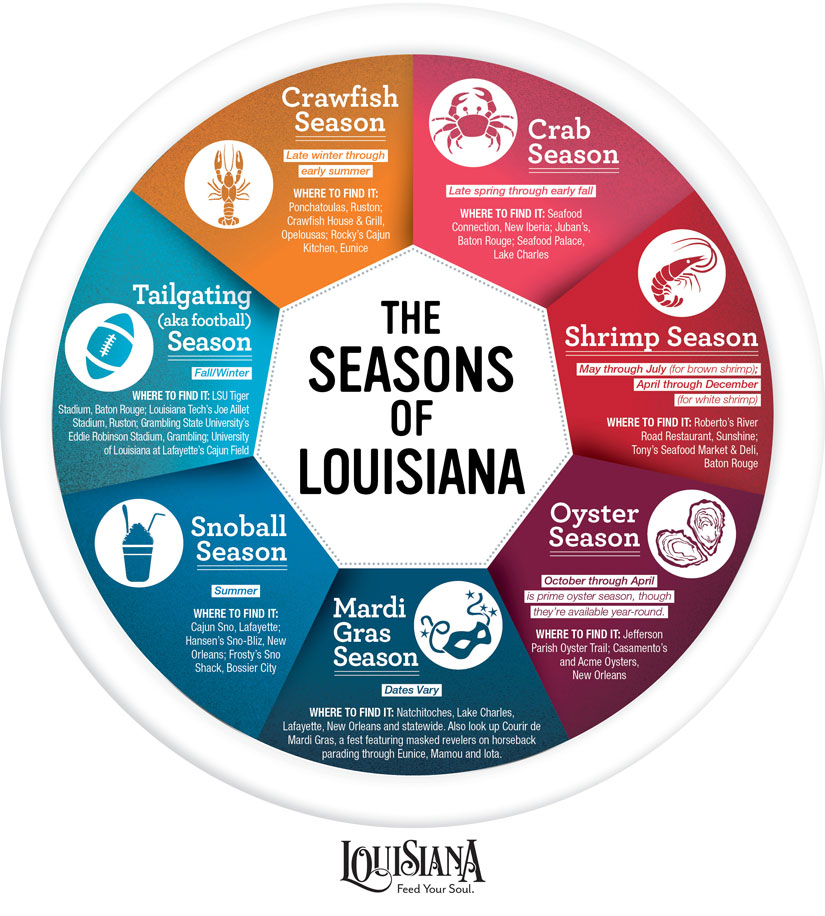
Spring: The Awakening
As the waters begin to warm in late March and April, blue crabs emerge from the mud where they have spent the colder winter months in a state of semi-dormancy. During this period, the catch is often smaller as the crustaceans slowly regain their activity levels. For the casual crabber, spring marks the start of the recreational season, often celebrated with trips to the bayous near New Orleans or the vast marshlands surrounding Lake Pontchartrain.
Summer: The Peak Harvest
By the time June arrives, the water temperatures are optimal, leading to high metabolic activity among the crab population. This is the prime season for blue crab enthusiasts. From June through August, you will find the highest density of crabs in the shallow, grassy marshes. During these months, the crabs are actively feeding, which makes them easier to trap. If you are visiting Lafayette or exploring the coastal towns of Houma, you will notice that menus at local seafood shacks are heavily populated with crab dishes during this high-summer window.
Autumn: Sweetness and Size
Many local connoisseurs argue that the absolute best time to eat blue crabs is in the early autumn months, specifically September and October. As the water temperatures begin to drop slightly, the crabs begin to store fat in preparation for the winter. This process makes the meat particularly sweet, firm, and abundant. During this time, the crabs are often larger, having had the entire spring and summer to grow. This transition period is a highlight for the culinary scene in Baton Rouge and along the Bayou Teche region.
Understanding the Crabbing Culture
The act of harvesting blue crabs is as much a social tradition as it is a culinary quest. In Louisiana, it is common to see families parked along the bridges and piers, lines in the water, waiting for that signature tug of a hungry crab on a chicken neck or fish head.
Recreational vs. Commercial Harvesting
It is important to distinguish between commercial and recreational crabbing. Commercial fishers operate under strict regulations, including size limits and specific types of traps, to ensure the sustainability of the population in the Atchafalaya Basin. Recreational crabbers, however, often rely on simpler methods like hand lines or drop nets. Regardless of the method, respecting the local ecosystem is paramount. Always check the current regulations provided by the state wildlife and fisheries department to ensure that you are crabbing in legal zones and keeping only those that meet the minimum size requirements.

The Role of Water Salinity
The blue crab requires a specific range of salinity to thrive. Throughout the year, freshwater influx from the Mississippi River can shift the habitats of these crabs. During high river stages, crabs may move further toward the coast to find higher salinity levels. Conversely, in drier years, they may push deeper into the inland lakes and basins. This natural movement is something that seasoned crabbers track closely, making the hobby of crabbing a lesson in local hydrology and environmental awareness.
Culinary Traditions and Enjoyment
When the season is at its height, the influence of blue crab on local cuisine is undeniable. Whether you are enjoying them at a high-end restaurant in the French Quarter or a casual roadside stand, the preparation styles vary widely.
Steamed and Seasoned
The most iconic way to consume Louisiana blue crab is simply steamed with a generous dusting of spicy Cajun seasoning. This method highlights the natural sweetness of the white meat. Crack the shell, pick the meat, and enjoy the process—it is a messy, communal activity that defines the local lifestyle.
Creative Local Dishes
Beyond the traditional steamed crab, the harvest finds its way into several staples:
- Crab Cakes: Often featuring jumbo lump meat, these are a favorite in coastal hubs like Lake Charles.
- Gumbo: The addition of blue crab adds a depth of flavor that is essential to many traditional family recipes.
- Crab au Gratin: A decadent, creamy dish that highlights the richness of the crab meat.
Choosing the Best Crab
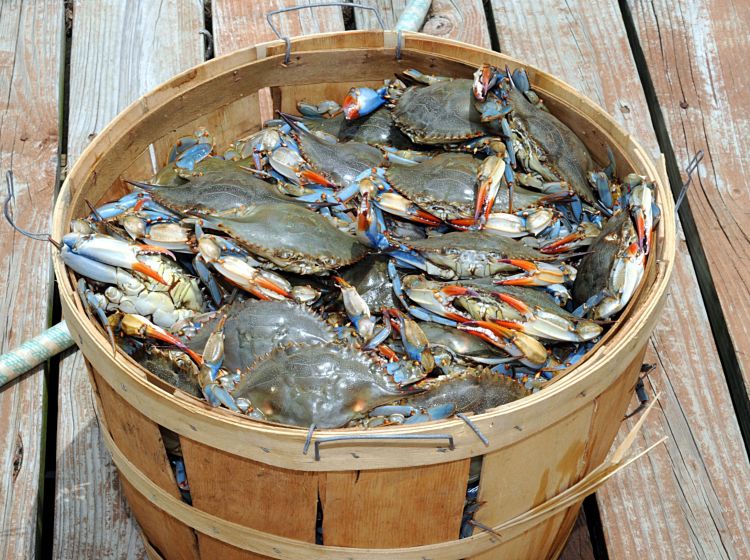
When selecting crabs at a market, look for “heavy” crabs. A heavy crab is one that has recently molted and has already filled its new shell with meat. Crabbers will often press on the shell near the swimming paddle; if it is soft or pliable, it is likely a “light” crab with less meat content. Aiming for the “heavy” catch ensures you get the best value for your effort or purchase, particularly during the peak months of late summer and early autumn.
Sustainable Practices for Future Seasons
Sustainability is at the heart of the Louisiana crabbing industry. The blue crab is a resilient species, but it is not immune to environmental pressures. Changes in the coastline of South Louisiana and fluctuations in water quality necessitate mindful consumption and harvesting practices.
Protecting the Population
By observing the seasonal nuances, you contribute to a more sustainable cycle. Harvesting crabs when they are most abundant prevents over-exploitation during their more vulnerable cycles, such as the egg-bearing period for females. Female blue crabs, often distinguished by their wide, rounded abdominal flap (the “apron”), are vital to the future of the population. Many seasoned local crabbers prioritize keeping only the males, allowing the females to continue the reproductive cycle in the waters of the Gulf Coast.
Embracing the Local Experience
Traveling through Louisiana during crab season offers a unique lens into the state’s heartbeat. It is a time when the community gathers, stories are shared over shared platters of food, and the bounty of the bayou is celebrated. By understanding the seasonal timeline—starting with the awakening in spring, enjoying the bountiful summer harvest, and savoring the sweet, meaty crabs of autumn—you can plan your visit to ensure you are tasting the very best that this region has to offer. Whether you are throwing a line into the Vermilion Bay or visiting a local seafood market, the blue crab remains an enduring icon of the Louisiana spirit.
LifeOutOfTheBox is a participant in the Amazon Services LLC Associates Program, an affiliate advertising program designed to provide a means for sites to earn advertising fees by advertising and linking to Amazon.com. Amazon, the Amazon logo, AmazonSupply, and the AmazonSupply logo are trademarks of Amazon.com, Inc. or its affiliates. As an Amazon Associate we earn affiliate commissions from qualifying purchases.