
Oregon’s coastline is a renowned destination for seafood enthusiasts, and among its most prized offerings is the Dungeness crab. The allure of feasting on fresh, sweet crab caught directly from the Pacific waters is a significant draw for many visitors. Understanding the nuances of crab season is crucial for planning the perfect culinary adventure along the Oregon Coast. This guide delves into the specifics of when to experience Oregon’s crab season, focusing on the local culture, food, and activities surrounding this beloved crustacean.
Understanding Dungeness Crab Season
The Dungeness crab ( Metacarcinus magister) is the star of the show when it comes to crabbing in Oregon. These majestic crabs are known for their rich, sweet meat and are a cornerstone of the regional cuisine. Unlike some other seafood, Dungeness crab season is not a single, fixed period but rather is managed through regulations designed to ensure the sustainability of the crab population and to maximize the quality of the catch for consumers and commercial fishermen alike.

The Importance of Regulations
Oregon’s Department of Fish and Wildlife (ODFW) plays a vital role in setting and enforcing the rules for crabbing. These regulations are in place to protect the crabs during their molting and egg-laying cycles, ensuring that future generations will thrive. The primary season for Dungeness crab typically opens in early December and runs through September. However, there are important distinctions between the commercial and recreational seasons, as well as regional variations that can influence when you can best enjoy this delicacy.
Commercial vs. Recreational Crabbing
While commercial fishing operations often have a broader window, recreational crabbing, which is what most visitors will engage in, has specific opening and closing dates. The ODFW often designates areas of the coast for crabbing, and specific rules apply to the size, sex, and number of crabs that can be harvested. The most common and anticipated opening for recreational crabbing is in the fall, often around mid-November or early December, coinciding with the end of the molting season and the beginning of the crabs’ more active feeding periods. This timing is carefully chosen to ensure that the crabs are in prime condition, with full bellies and firm meat.
Best Times to Visit for Crab
Planning your trip around the peak of crab season offers the most rewarding experience, both in terms of availability and quality.
Fall and Winter Delights
The period from late November through March is often considered the prime time for Dungeness crab. During these months, the crabs have completed their molting cycle and are typically in excellent condition. The cooler waters contribute to the firm texture and rich flavor of their meat. This timing also coincides with the holiday season, making it a perfect opportunity for a festive culinary getaway to the Oregon Coast. Many coastal towns embrace the bounty of the season with special events and restaurant menus featuring fresh crab.
Spring and Summer Opportunities
While the fall and winter months are often highlighted, crabbing can still be productive into the spring and early summer. From April through September, recreational crabbing is generally permitted in most areas. However, the quality of the crab meat might vary as the crabs begin their molting process again later in the summer. It’s essential to check the ODFW’s latest regulations and advisories for any specific closures or changes. Even if the crab is not at its absolute peak, the experience of crabbing and enjoying fresh seafood during the warmer months can be a delightful part of a coastal vacation.
Experiencing Crab Culture on the Oregon Coast
Oregon’s relationship with Dungeness crab extends far beyond just the season. It’s woven into the fabric of its coastal culture, influencing its culinary scene and offering unique visitor experiences.
Culinary Adventures
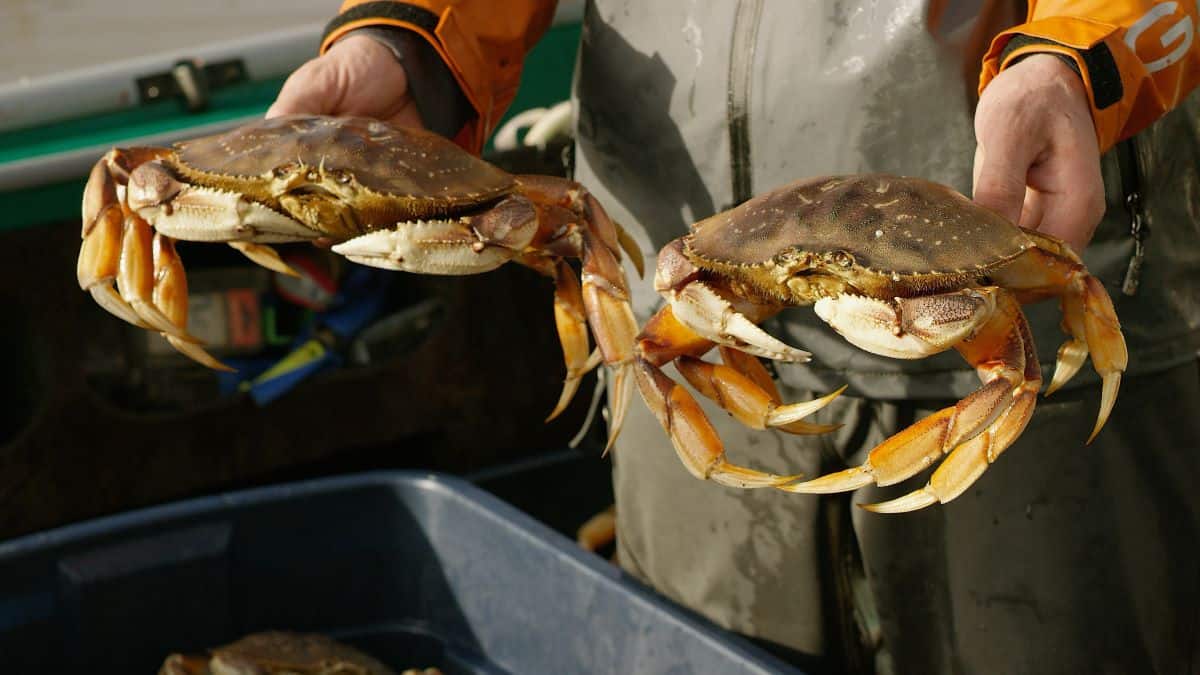
The most direct way to enjoy crab season is through its culinary offerings. Coastal towns boast an abundance of restaurants that serve fresh, locally caught Dungeness crab. Whether you prefer a classic crab feed with all the fixings – cracked crab, drawn butter, and sourdough bread – or a more sophisticated crab-centric dish, you’ll find it readily available.
Must-Try Dishes
- Whole Dungeness Crab: The ultimate way to experience the crab’s natural flavor, often steamed or boiled and served with butter.
- Crab Cakes: A delightful mix of crab meat, breadcrumbs, and seasonings, pan-fried to perfection.
- Crab Louie: A classic salad featuring crab meat, lettuce, tomatoes, and a creamy dressing.
- Crab Bisque: A rich and creamy soup showcasing the sweet essence of crab.
Many restaurants pride themselves on sourcing their crab directly from local fishermen, ensuring the freshest possible product. Towns like Astoria, Newport, and Cannon Beach are particularly renowned for their seafood establishments.
Recreational Crabbing: A Hands-On Experience
For the truly adventurous, participating in recreational crabbing is an unforgettable activity. You can rent crabbing gear from local bait and tackle shops and head out to piers, jetties, or charter a boat.
Tips for Recreational Crabbing
- Obtain a Shellfish License: All individuals 12 years and older need a valid Oregon shellfish license. These can be purchased online through the ODFW website or at various vendors along the coast.
- Choose Your Location: Popular crabbing spots include piers in Garibaldi, Tillamook Bay, and the bays around Coos Bay. Ocean crabbing from a boat is also an option but requires more experience and suitable weather conditions.
- Select Your Gear: Essential gear includes a crab pot or ring net, bait (usually chicken or fish scraps), a rope, a buoy, and a measuring device to ensure your catch meets the legal size requirements.
- Know the Regulations: Be aware of the minimum size limits for Dungeness crabs (generally 5 ¾ inches from point to point across the widest part of the shell for males) and the rules regarding female crabs (which must be released). Check the ODFW for the most current regulations.
- Baiting and Setting: Securely attach your bait to the crab pot or net. Lower your gear into the water, ensuring it reaches the seabed. The crabs are attracted to the bait and will crawl into the pot or onto the net.
- Pulling Your Gear: After allowing sufficient time for crabs to enter your gear (typically 20-30 minutes for ring nets, longer for pots), carefully pull it up. Sort your catch, keeping only legal-sized males and releasing everything else.
- Cooking Your Catch: If you’re staying in a vacation rental with a kitchen, cooking your freshly caught crab is a rewarding experience. Alternatively, many local restaurants will cook your catch for a small fee.
Local Events and Festivals
Throughout the year, and especially during peak crab season, various coastal towns host events and festivals celebrating local seafood. These often include crab feeds, cooking demonstrations, and opportunities to learn more about the fishing industry. Keep an eye on local event calendars for towns like Brookings or Florence to coincide your visit with these lively celebrations.
Planning Your Oregon Crab Adventure
To make the most of your Dungeness crab experience, careful planning is essential. This includes choosing the right time to visit, selecting accommodations, and understanding the local landscape.
Choosing Your Coastal Base
The Oregon Coast stretches over 360 miles, offering a diverse range of experiences. Consider basing yourself in a town that aligns with your interests, whether it’s the historic charm of Astoria, the vibrant marine life of Newport, or the artistic allure of Cannon Beach. Each location offers unique access to crabbing spots, seafood restaurants, and local culture.
Accommodation Options
When planning your stay, consider accommodation that enhances your crab-focused trip. Many towns offer a range of options, from charming beachfront inns to vacation rentals equipped with kitchens, perfect for preparing your own fresh catch. Look for places that are conveniently located near piers, crabbing areas, or renowned seafood restaurants. For instance, a rental in Lincoln City might provide easy access to crabbing opportunities in Devils Lake or nearby bays.

Timing Your Visit for Maximum Enjoyment
As established, the period from late November through March offers the best conditions for Dungeness crab. If your primary goal is to enjoy the freshest, most flavorful crab and potentially participate in recreational crabbing, aim for these months. However, if your travel plans are more flexible, the broader season extending into summer still provides opportunities for enjoying this delectable seafood, especially when dining out. Always verify current regulations and advisories with the ODFW before your trip, as conditions and rules can change. Embracing the rhythm of the season will undoubtedly lead to a more satisfying and authentic Oregon coastal experience.
LifeOutOfTheBox is a participant in the Amazon Services LLC Associates Program, an affiliate advertising program designed to provide a means for sites to earn advertising fees by advertising and linking to Amazon.com. Amazon, the Amazon logo, AmazonSupply, and the AmazonSupply logo are trademarks of Amazon.com, Inc. or its affiliates. As an Amazon Associate we earn affiliate commissions from qualifying purchases.