
While Louisiana may famously hold the title for crawfish capital, the sunshine state of Florida offers its own vibrant, albeit often imported, crawfish scene, drawing food enthusiasts and curious tourists alike. Understanding the nuances of when and where to find these delectable crustaceans in Florida is key to savoring an authentic experience, deeply intertwined with local culture and culinary traditions that echo the Gulf Coast. For travelers seeking unique food adventures and a taste of regional specialties, timing your visit to coincide with crawfish season can elevate a standard trip into a memorable gastronomic journey.

Navigating Florida’s Crawfish Culture and Calendar
The journey to finding crawfish in Florida begins with understanding its source and the factors influencing its availability. Unlike Louisiana, where vast wetlands are dedicated to crawfish farming and wild harvesting, Florida’s commercial crawfish industry is limited. Consequently, the “season” for crawfish in Florida largely mirrors the peak harvesting times in Louisiana, where most of the state’s supply originates. This makes the crawfish experience in Florida a unique blend of imported tradition and local appreciation, bringing the festive spirit of a Cajun boil to Florida’s diverse culinary landscape.
The Peak Season for Crawfish Availability
The prime window for enjoying fresh crawfish in Florida typically spans from late winter through early summer, specifically from March to June. This period aligns with the robust breeding and harvesting cycles in Louisiana, ensuring a steady supply of plump, flavorful mudbugs. Early in the season, around March, crawfish tend to be smaller but often more affordable. As the season progresses into April and May, they grow larger and become more plentiful, hitting their peak in terms of size, quality, and availability. By June, the season begins to wane, and while some may still be available, their quality and abundance may start to decline.
Factors like weather conditions in Louisiana—water levels, temperature fluctuations, and rainfall—can significantly impact the yield and, consequently, the price and availability in Florida. A particularly cold or wet winter can delay the season or affect the size of the catch. For tourists, this means that while the March-June window is a reliable guideline, staying updated on local seafood market reports or restaurant announcements can provide the most current information for planning a crawfish-centric visit.
Discovering Crawfish Boils and Festivals Across Florida
For a truly immersive experience, tourists should seek out establishments and events that specialize in crawfish during its peak season. This often means exploring specific culinary districts or timing a visit to coincide with one of Florida’s festive gatherings. The beauty of the crawfish experience lies not just in the food itself, but in the communal atmosphere that surrounds a traditional boil—a perfect embodiment of local culture for the discerning traveler.
Top Spots: Restaurants and Seafood Markets
Across Florida’s major cities and coastal towns, you can find restaurants and seafood markets that celebrate crawfish season. Cities with strong culinary scenes, such as Miami, Tampa, Orlando, Jacksonville, and even Gulf Coast destinations like Panama City Beach, often feature eateries specializing in Cajun or Creole cuisine. These establishments are your best bet for finding authentic crawfish boils, étouffée, or fried crawfish dishes.
- Miami & Fort Lauderdale: Look for seafood shacks and Cajun-inspired restaurants that announce crawfish specials during the season. Their vibrant food scene often incorporates diverse regional influences.
- Tampa & St. Petersburg: The Tampa Bay area, with its rich maritime history and diverse population, hosts several venues that embrace the crawfish season, ranging from casual eateries to more upscale dining.
- Orlando: Beyond the theme parks, Orlando’s burgeoning food scene includes a variety of ethnic and regional restaurants. Many will feature crawfish as a seasonal highlight.
- Jacksonville: Being closer to Georgia and the Gulf, Jacksonville often has a robust appreciation for Southern and Gulf Coast cuisine, making it a good spot to find crawfish.
Always call ahead to confirm availability, especially if you’re traveling specifically for crawfish. Seafood markets are also excellent places to find live or freshly boiled crawfish, allowing you to take some home or even organize your own mini-boil if your accommodation permits.
Festive Gatherings: Crawfish Festivals and Events
For the ultimate communal crawfish experience, nothing beats a festival. While not as prevalent as in Louisiana, various Florida cities and communities host crawfish-themed events and festivals during the peak season. These gatherings are fantastic tourist attractions, offering live music, family-friendly activities, and, of course, massive amounts of expertly boiled crawfish.
- Jacksonville Crawfish Festival: While specific dates and names can vary year-to-year, Jacksonville has historically hosted significant crawfish events, drawing large crowds for music and mudbugs.
- Brevard Crawfish Festival (near Melbourne): Smaller, regional festivals, like the Brevard Crawfish Festival often pop up, celebrating Cajun culture and food. These are prime examples of local tourism gems.
- Local Restaurant-Hosted Events: Many restaurants or breweries will host their own “Crawfish Boil” events, complete with outdoor seating, themed drinks, and lively entertainment. These smaller, more intimate events can offer a very authentic experience.
Checking local tourism boards, city event calendars, or social media groups for the specific Florida region you plan to visit is highly recommended to discover these seasonal celebrations. They are more than just a meal; they are cultural spectacles that immerse you in a festive atmosphere.
The Authentic Crawfish Experience: Tips for Tourists
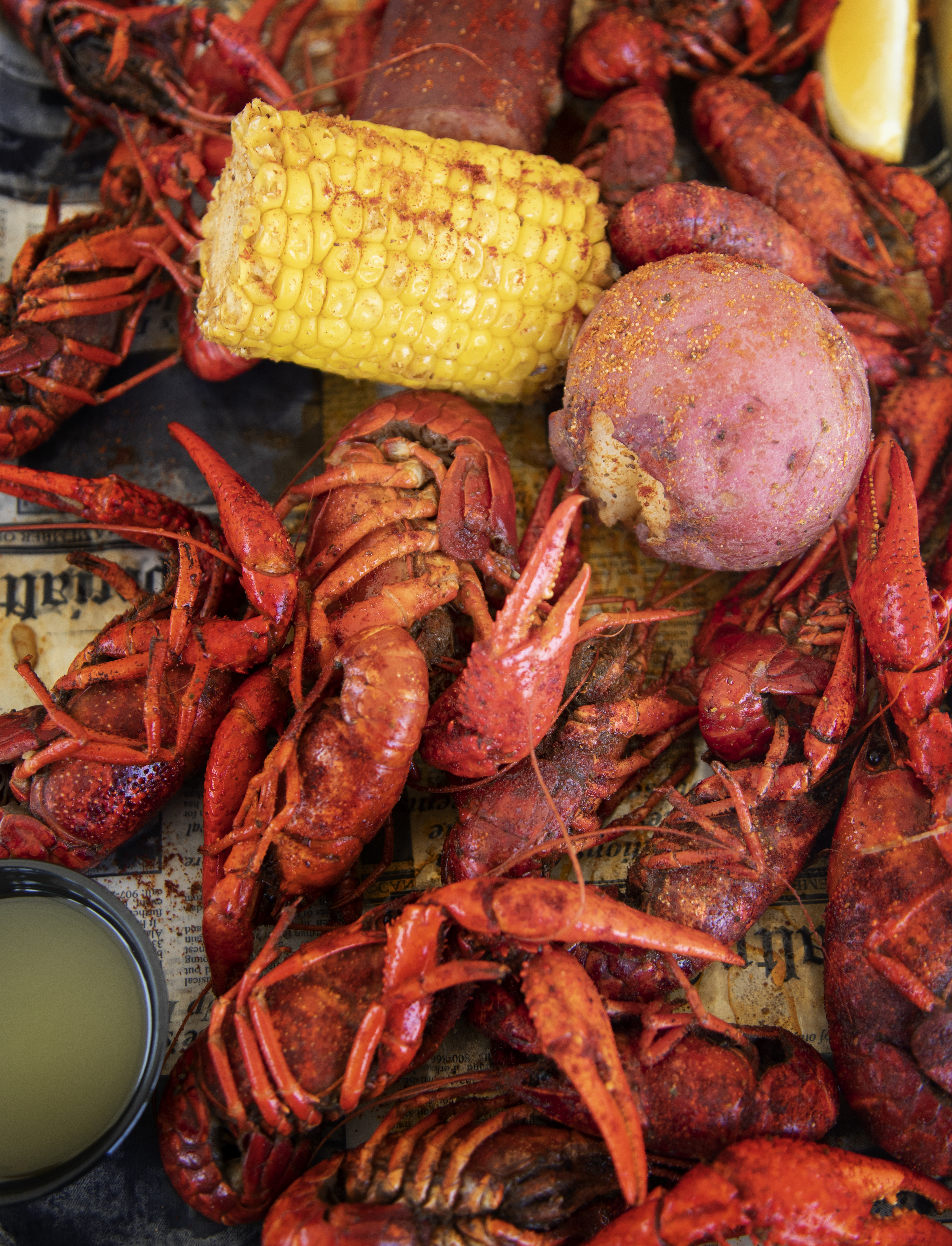
Engaging with a crawfish boil is a sensory adventure, a hands-on culinary tradition that speaks volumes about Cajun and Creole heritage. For first-timers, a few insights can enhance the enjoyment and ensure you embrace the experience like a seasoned local.
What to Expect at a Crawfish Boil
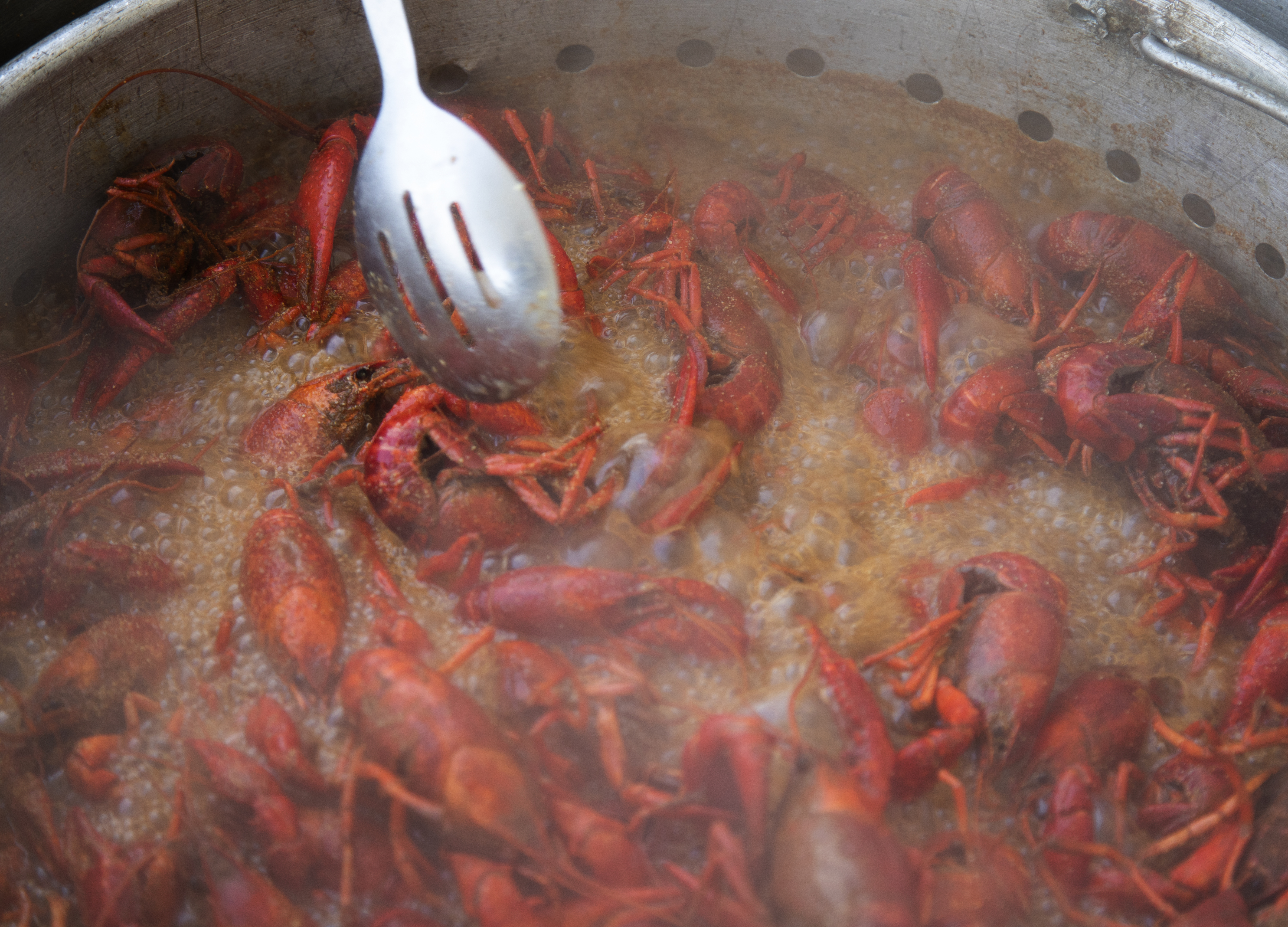
A traditional crawfish boil is a communal affair. Expect large tables, often covered with newspaper, where mounds of boiled crawfish are unceremoniously dumped. Accompanying the crawfish are staples like corn on the cob, potatoes, sausage, and sometimes mushrooms or garlic cloves, all cooked in the same spicy broth.
- Hands-On Eating: This is not a meal for silverware. You’ll be using your hands to peel the crawfish. The most common technique is to twist the tail from the head, then peel the shell away to get to the succulent meat. Don’t be shy about “sucking the head” – a delicacy for many, it’s where much of the rich, spicy flavor resides.
- Spice Levels: Crawfish boils range from mildly seasoned to intensely spicy. Don’t hesitate to ask about the heat level before diving in. Many places offer different spice options or extra seasoning on the side.
- Messiness is Part of the Fun: Wear comfortable clothes you don’t mind getting a little messy. Wipes or a roll of paper towels will likely be provided, and are essential.
- Beverage Pairings: Cold beer, sweet iced tea, or lemonade are popular choices to complement the spicy, savory flavors of the crawfish.
Beyond the Boil: Exploring Other Crawfish Dishes
While the boil is iconic, crawfish are incredibly versatile. For tourists looking to explore the full spectrum of Cajun and Creole cuisine in Florida, consider trying other dishes featuring crawfish:
- Crawfish Étouffée: A rich, savory stew, often served over rice, showcasing crawfish tails in a buttery, flavorful roux.
- Crawfish Pie: A comforting savory pie filled with crawfish, vegetables, and a creamy sauce, all baked in a flaky crust.
- Fried Crawfish Tails: Breaded and deep-fried, these offer a crispy alternative, perfect as an appetizer or a main dish.
- Crawfish Gumbo: While less common than étouffée, some establishments may feature a crawfish-inclusive gumbo, another staple of Louisiana cooking.
Trying these different preparations allows for a deeper appreciation of crawfish as a culinary ingredient and provides a broader taste of Southern regional cooking.
Planning Your Florida Crawfish Getaway
Integrating a crawfish experience into your Florida travel itinerary requires a bit of foresight but promises significant culinary rewards.
Best Time to Visit for Crawfish
To maximize your chances of enjoying fresh, plentiful crawfish, plan your Florida trip between mid-March and late May. This period generally guarantees the best quality and availability. If you are a fan of festivals, check specific city event calendars for April and May, as this is when many seasonal celebrations take place. Traveling during the shoulder months (early March or early June) might offer fewer crowds and potentially better deals on accommodation, but with a slightly reduced certainty of peak crawfish supply.
Combining Crawfish with Other Florida Attractions
Florida’s diverse attractions make it easy to weave a crawfish adventure into any type of vacation.
- Theme Park Visitors (e.g., Orlando): After a day at Walt Disney World Resort or Universal Studios Florida, seek out Cajun restaurants in Orlando or nearby cities like Winter Park for a spicy, relaxing dinner.
- Beach Lovers (e.g., Destin, Sarasota, Clearwater Beach): Coastal towns with a strong emphasis on fresh seafood will often feature crawfish during the season. Enjoy a day on the pristine white sands, followed by a lively crawfish boil.
- Cultural Explorers (e.g., St. Augustine, Key West): While these cities are renowned for their history and unique ambiance, you might find pop-up events or specific restaurants offering crawfish, adding a surprising culinary layer to your cultural immersion.
No matter where your Florida travels take you, a seasonal crawfish experience offers a delightful detour into the state’s appreciation for robust flavors and communal dining. By understanding the season and knowing where to look, tourists can unlock a unique and delicious facet of Florida’s vibrant food scene.
LifeOutOfTheBox is a participant in the Amazon Services LLC Associates Program, an affiliate advertising program designed to provide a means for sites to earn advertising fees by advertising and linking to Amazon.com. Amazon, the Amazon logo, AmazonSupply, and the AmazonSupply logo are trademarks of Amazon.com, Inc. or its affiliates. As an Amazon Associate we earn affiliate commissions from qualifying purchases.