
For travelers seeking an authentic taste of Louisiana, few experiences rival the vibrant celebration of crawfish season. This isn’t just about eating a meal; it’s a deep dive into the heart of local culture, a communal ritual that encapsulates the state’s lively spirit, rich history, and unparalleled hospitality. From bustling New Orleans to the serene bayous of Cajun Country, the arrival of crawfish signals a time of gathering, feasting, and unforgettable experiences. If you’re planning a trip to this enchanting state, understanding the nuances of crawfish season is crucial to ensuring your visit aligns with this incredible culinary and social spectacle. It’s a prime example of how food becomes a central pillar of tourism, drawing visitors from around the globe to partake in a truly unique lifestyle event.
Unearthing the Heart of Crawfish Season
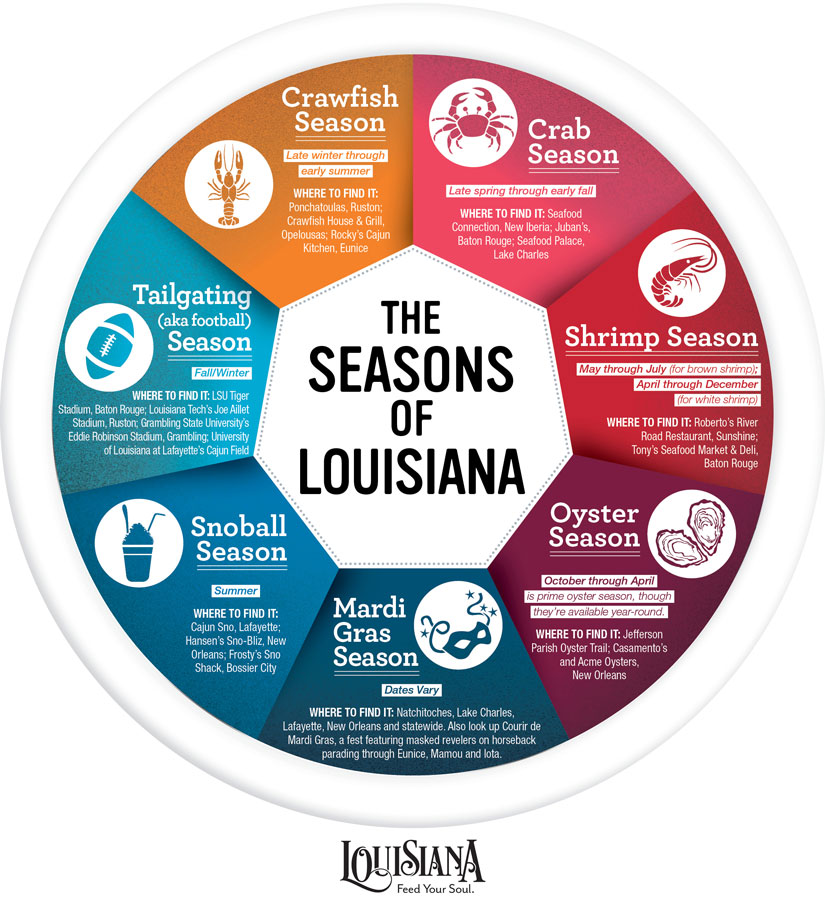
Crawfish season in Louisiana is a dynamic period, influenced by a blend of natural cycles and agricultural practices. Knowing the optimal time to visit can make all the difference in enjoying plentiful, affordable, and delicious mudbugs. This seasonal rhythm is integral to the state’s identity, providing a cornerstone for social events and a significant boost to its economy, especially within the travel and food sectors.
The Ideal Window: From Winter’s End to Summer’s Start
The general timeframe for crawfish season in Louisiana typically runs from late December or early January through July. However, to truly experience the season at its zenith, aiming for the “peak season” is highly recommended. This golden period generally spans March, April, and May. During these months, the weather is pleasantly warm but not yet oppressively hot, the crawfish are abundant, fat, and flavorful, and prices are usually at their most reasonable due as supply meets high demand. It’s also when the most vibrant festivals and public boils take place, making it an ideal time for travelers to immerse themselves in the celebration.
The precise start and end of the season can fluctuate slightly each year, primarily influenced by weather patterns and water levels. A mild winter often means an earlier start to the season and potentially larger harvests. Conversely, colder temperatures or excessive rainfall can delay the season or impact the size and availability of the crustaceans. Early in the season (December-February), crawfish can be harder to find and command higher prices due to scarcity. Similarly, as the season wanes in June and July, while still available, they might be smaller, and prices can fluctuate again. For visitors, a mid-spring trip offers the best balance of availability, quality, atmosphere, and cost, ensuring a quintessential Louisiana crawfish experience.
Understanding the Life Cycle of the Louisiana Crawfish
The abundance of crawfish in Louisiana is no accident; it’s a testament to the state’s unique geography and the ingenuity of its farmers. The vast majority of the crawfish consumed come from either natural wetlands, especially the Atchafalaya Basin, or from purpose-built crawfish ponds, often integrated into rice farming operations. These ponds mimic the natural swamp environment, providing ideal breeding grounds. Rice fields, once harvested, are flooded to grow a second crop of crawfish, offering a sustainable and symbiotic agricultural model. This practice ensures a consistent supply, contributing significantly to the state’s agricultural output and underpinning its famous culinary traditions.
Areas like Acadiana, the heart of Cajun Country, are particularly renowned for their crawfish production. Towns in this region are hubs for crawfish farming and distribution, playing a vital role in bringing these delicious crustaceans to tables across the state and beyond. The intricate relationship between the environment, farming practices, and the distinctive Louisiana climate ensures that each year, millions of pounds of crawfish are harvested, ready to be seasoned, boiled, and enjoyed in a spectacle that is both a meal and a major social event. For those interested in sustainable food practices and the origins of their meals, learning about crawfish farming adds another layer of appreciation to the experience.
The Cultural Phenomenon: More Than Just a Meal
To merely label crawfish season as a time for eating would be a disservice to its profound significance in Louisiana. It is a deeply ingrained part of the state’s fabric, a social lubricant, and a cornerstone of community identity. This season embodies the very essence of Louisiana’s famous conviviality and its deep-seated appreciation for life’s simple, delicious pleasures.
The Ritual of the Crawfish Boil
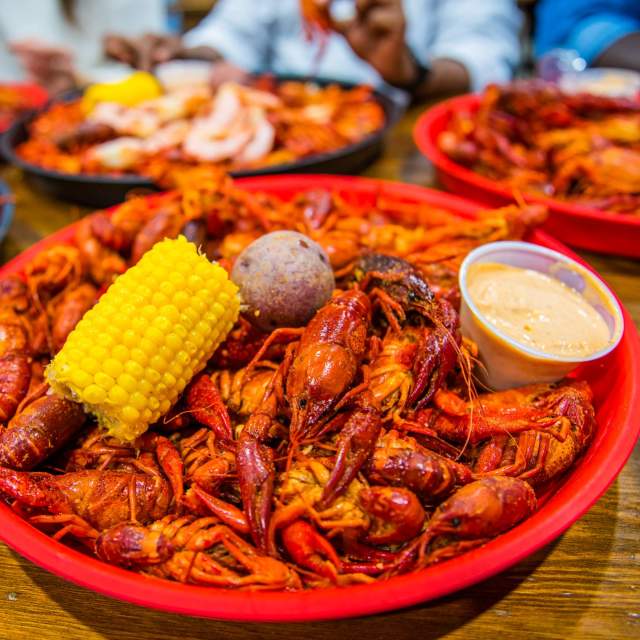
At the core of crawfish season lies the crawfish boil, a quintessential Louisiana ritual that transcends a simple dinner party. It is a vibrant, communal gathering where friends, family, and sometimes even entire neighborhoods come together outdoors to share in the preparation and consumption of thousands of pounds of these freshwater crustaceans. The setup is iconic: massive metal pots perched over propane burners, filled with boiling water, a potent blend of Cajun spices, garlic, onions, lemons, and often corn, potatoes, and smoked sausage. The air becomes thick with the aromatic steam of the boiling pot, a smell that instantly evokes memories of good times and good company.
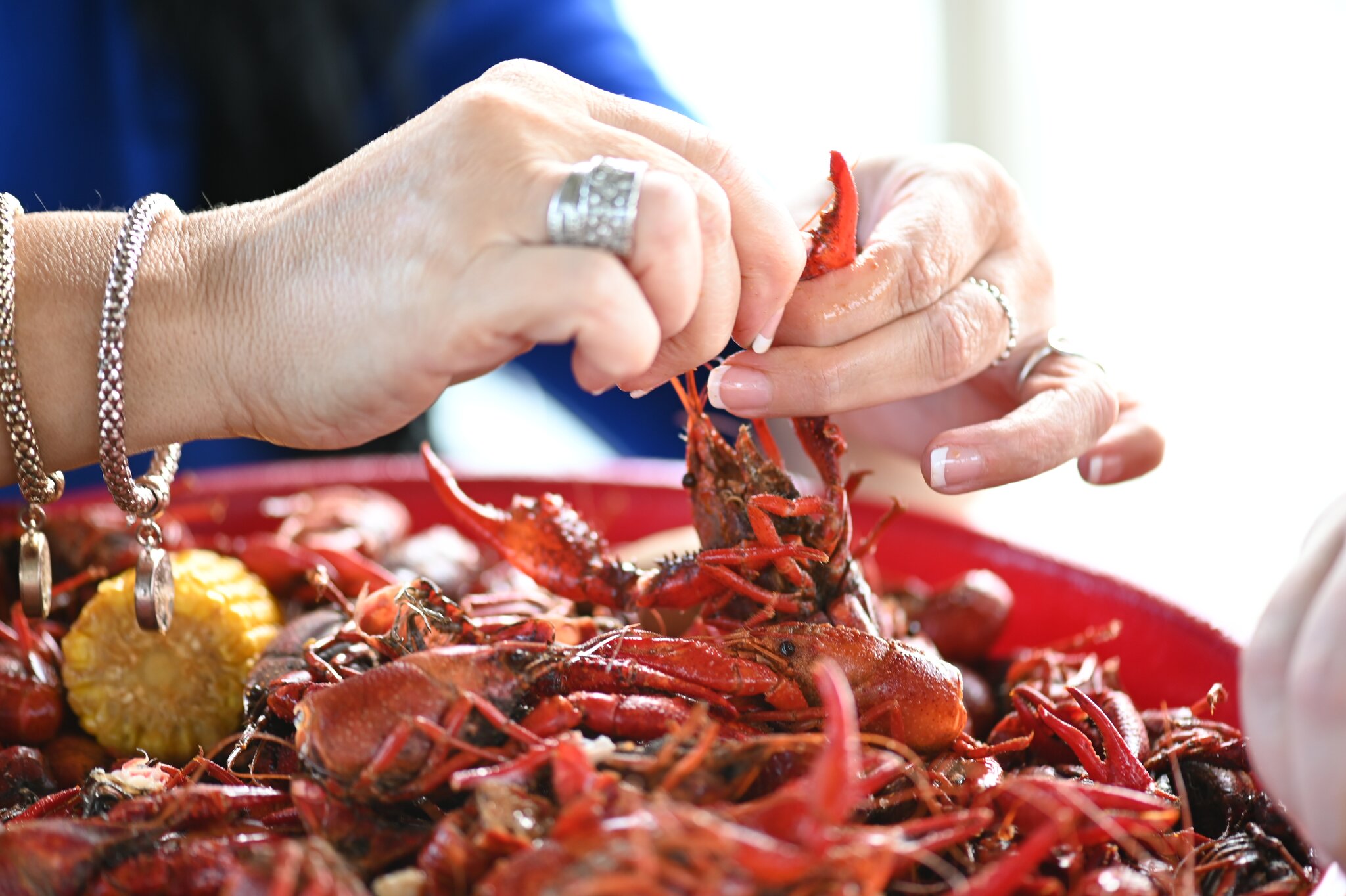
The process of eating boiled crawfish is an art form in itself, often taught by seasoned locals. There’s a particular way to twist the head from the tail, peel the shell, and then, for the adventurous, to suck the flavorful “head fat” before savoring the tender tail meat. This hands-on, slightly messy, and thoroughly engaging eating style encourages conversation, laughter, and a relaxed atmosphere. It’s a truly democratic event where everyone is equal around the table, sharing stories and peeling crawfish side-by-side. For visitors, participating in a crawfish boil is one of the most immersive ways to experience authentic Louisiana lifestyle, offering a unique insight into the warmth and welcoming nature of its people. It’s a memory that lingers long after the spice has faded from your lips.
Festivals and Culinary Celebrations
Beyond private backyard gatherings, crawfish season sparks numerous public festivals and culinary events across the state, transforming towns into lively hubs of music, food, and celebration. These events are fantastic opportunities for visitors to experience the season’s vibrancy in a concentrated, festive environment.
One of the most famous is the Breaux Bridge Crawfish Festival, held annually in the “Crawfish Capital of the World,” Breaux Bridge. This multi-day event draws thousands with live Cajun and Zydeco music, carnival rides, arts and crafts, and, of course, an abundance of crawfish prepared in every conceivable way. Another notable event is the Louisiana Crawfish Festival in St. Bernard Parish, just outside of New Orleans, which offers a similar mix of entertainment and culinary delights.
These festivals are not just about boiled crawfish. They showcase the incredible versatility of the ingredient in classic Louisiana crawfish dishes like rich crawfish étouffée, crispy crawfish pies, hearty crawfish bisque, and even adventurous options like crawfish pasta or fried crawfish tails. Attending one of these festivals allows travelers to sample a wide array of food, enjoy authentic music, and witness the vibrant local traditions that make Louisiana such a compelling destination. These events are often family-friendly, offering activities for all ages and truly embodying the spirit of communal enjoyment that defines the state.
Planning Your Crawfish-Centric Louisiana Getaway
For those eager to plan a trip centered around crawfish season, strategic planning is key. From where to eat to where to stay, a well-thought-out itinerary can elevate your Louisiana adventure from a simple vacation to an unforgettable immersion. Considering the popularity of the season, especially during peak months, advance booking and research are highly recommended.
Where to Find the Best Crawfish Experiences
Experiencing crawfish in Louisiana goes beyond just finding a restaurant. It’s about discovering the local favorites, the hidden gems, and the authentic settings that define the season.
Restaurants & Seafood Markets
Throughout Louisiana, you’ll find countless establishments serving up delicious boiled crawfish and other crawfish dishes. In New Orleans, many renowned seafood restaurants will feature boiled crawfish on their menus when in season. Look for places with outdoor seating or bustling patios, as this is often where the best boils happen. However, to truly get a taste of local life, venture outside the immediate tourist zones. Roadside stands with hand-painted signs announcing “Boiled Crawfish” are often some of the best and most authentic spots, particularly in areas like Lafayette, Baton Rouge, and other towns throughout Cajun Country. These typically offer crawfish by the pound, often to-go, but sometimes with picnic tables for on-site enjoyment. Local seafood markets also sell live crawfish for those brave enough to host their own boil, or fresh boiled crawfish to take home. Don’t hesitate to ask locals for their favorite spots; their recommendations are invaluable.
Participating in a Boil
For the most immersive experience, nothing beats participating in a traditional crawfish boil. While many boils are private affairs hosted by families, there are ways for travelers to join in. Some local guides or boutique hotels in New Orleans or Lafayette might offer “boil experiences” for guests, providing a hands-on introduction to the ritual. Keep an eye out for public charity boils or community events advertised locally, especially during peak season. These are fantastic opportunities to mingle with residents, learn the proper peeling technique, and soak in the festive atmosphere. Remember that locals are generally friendly and welcoming, so a polite inquiry at a local market or small eatery might just lead to an invitation to an authentic boil.
Accommodation and Travel Logistics During Peak Season
Visiting during peak crawfish season means visiting during a popular time for Louisiana tourism in general. This necessitates careful planning, especially regarding your stay and getting around.
Hotels & Resorts
Accommodation options in Louisiana range from historic boutique hotels in New Orleans to charming B&Bs in Cajun Country and modern resorts in major cities like Baton Rouge. During peak crawfish season (March-May), and especially around major festivals or events like Mardi Gras (which can overlap), hotels and other lodging options can fill up quickly and prices may be higher. It’s highly advisable to book your accommodation several months in advance to secure your preferred spot and potentially better rates. Whether you’re looking for luxury resorts with top-notch amenities or more budget-friendly options, comparing reviews and options through travel guides and booking platforms on sites like Life Out Of The Box can simplify your search. Consider staying in the historic French Quarter or Garden District in New Orleans for easy access to attractions, or a cozy inn in Lafayette for a more immersive Cajun experience.
Accommodation Beyond Hotels
For families or those planning a long-term stay, vacation rentals like apartments or villas can offer more space and amenities, often including kitchens for those who might want to try their hand at boiling their own crawfish. These options provide a sense of local living and can sometimes be more cost-effective for groups. For business stays or extended family trips, serviced apartments or suites combining hotel services with residential comforts are excellent choices. Again, early booking is paramount during peak season.
Transportation
If your plans include exploring Cajun Country beyond New Orleans, renting a car is highly recommended. It offers the flexibility to discover small towns, roadside stands, and scenic bayou drives at your own pace. For urban exploration within New Orleans, public transport, ride-shares, or simply walking are often sufficient, especially around the core attractions like Bourbon Street and the French Quarter. Regardless of your chosen method, having a clear plan for getting around will enhance your trip.
Beyond the Boil: Exploring Louisiana’s Rich Tapestry
While crawfish season offers a compelling reason to visit, Louisiana is a destination brimming with diverse attractions and experiences that perfectly complement a crawfish-centric getaway. From the historic charm of New Orleans to the serene beauty of the bayous, there’s a world to explore. These broader tourism offerings ensure that your trip is rich with culture, history, and unforgettable moments, making it a well-rounded travel experience.
New Orleans: A Feast for All Senses
No trip to Louisiana is complete without spending time in the vibrant and iconic city of New Orleans. Known for its unique blend of French, Spanish, and African cultures, the city offers a feast for all senses. Wander through the historic cobblestone streets of the French Quarter, admire the distinct architecture, and soak in the lively atmosphere of street performers and jazz music wafting from every doorway. Beyond the well-trodden paths of Bourbon Street, explore the stately mansions of the Garden District, ride a historic streetcar, or delve into the city’s profound history at museums dedicated to Mardi Gras or World War II.
For culinary enthusiasts, New Orleans offers much more than crawfish. Indulge in classic dishes like gumbo, jambalaya, and beignets. Consider taking food tours or cooking classes to learn the secrets of Creole and Cajun cuisine. The city’s legendary nightlife, diverse music scene, and unique attractions make it a world-class destination that perfectly complements the rustic charm of a crawfish boil. It’s truly one of America’s most distinctive and beloved landmarks.
Cajun Country: Swamps, History, and Hospitality
Venturing into Cajun Country, particularly around cities like Lafayette and Breaux Bridge, offers a different but equally enchanting Louisiana experience. This region is the heartland of Acadian culture, preserving the traditions of the French-speaking exiles from Canada. Here, the bayou is not just a scenic backdrop but a vital part of life.
Embark on a thrilling bayou tour, where airboats skim across the water, offering glimpses of alligators, exotic birds, and lush nature. Explore historic plantation homes like Oak Alley Plantation or Laura Plantation, which offer poignant insights into the region’s complex past. For a deeper dive into Acadian history and lifestyle, visit living history museums such as Acadian Village or Vermilionville in Lafayette. These sites preserve historic homes and demonstrate traditional crafts, music, and storytelling. Cajun Country offers a slower pace, incredible hospitality, and a chance to truly connect with the natural beauty and deep-rooted culture of Louisiana. The outdoor activities and unique historical landmarks make it an ideal complement to the culinary delights of crawfish season.
In conclusion, a trip to Louisiana during crawfish season is more than just a vacation. It’s an immersive cultural journey, a gastronomic adventure, and a chance to experience the unparalleled joy and hospitality of the Pelican State. By timing your visit between March and May, you position yourself perfectly to savor the freshest crawfish, partake in lively festivals, and create memories that will last a lifetime. Whether you’re exploring the historic streets of New Orleans or the serene bayous of Cajun Country, the allure of crawfish season offers a unique lens through which to discover the magic of Louisiana. Start planning your unforgettable travel experience now, ensuring your spot at the table for one of America’s most beloved seasonal celebrations.
LifeOutOfTheBox is a participant in the Amazon Services LLC Associates Program, an affiliate advertising program designed to provide a means for sites to earn advertising fees by advertising and linking to Amazon.com. Amazon, the Amazon logo, AmazonSupply, and the AmazonSupply logo are trademarks of Amazon.com, Inc. or its affiliates. As an Amazon Associate we earn affiliate commissions from qualifying purchases.