
Hawaii, with its breathtaking landscapes, vibrant culture, and unparalleled natural beauty, consistently ranks among the world’s most desired travel destinations. From the volcanic majesty of the Big Island to the bustling beaches of Waikiki on Oahu, and the lush valleys of Kauai to the luxurious resorts of Maui, the allure of the Aloha State is undeniable. However, like any tropical paradise situated in the Pacific Ocean, Hawaii experiences a distinct cyclone season. For savvy travelers planning their dream Hawaiian getaway, understanding when this season occurs and how to prepare for it is crucial for a safe, enjoyable, and unforgettable experience. This comprehensive guide will equip you with all the necessary knowledge to navigate Hawaii’s cyclone season with confidence, ensuring your trip remains magical, rain or shine.
Understanding Hawaii’s Tropical Cyclone Season
The term “cyclone” often conjures images of powerful, destructive storms, and while such events are relatively rare for Hawaii, being informed is the best form of preparation. Hawaii’s tropical cyclone season officially runs from June 1st to November 30th each year. During this six-month period, conditions in the central Pacific basin are most conducive to the formation of tropical depressions, tropical storms, and hurricanes. It’s important to differentiate between these terms: a tropical depression has winds below 39 mph, a tropical storm has winds between 39-73 mph, and a hurricane (or cyclone/typhoon in other regions) has winds of 74 mph or higher.
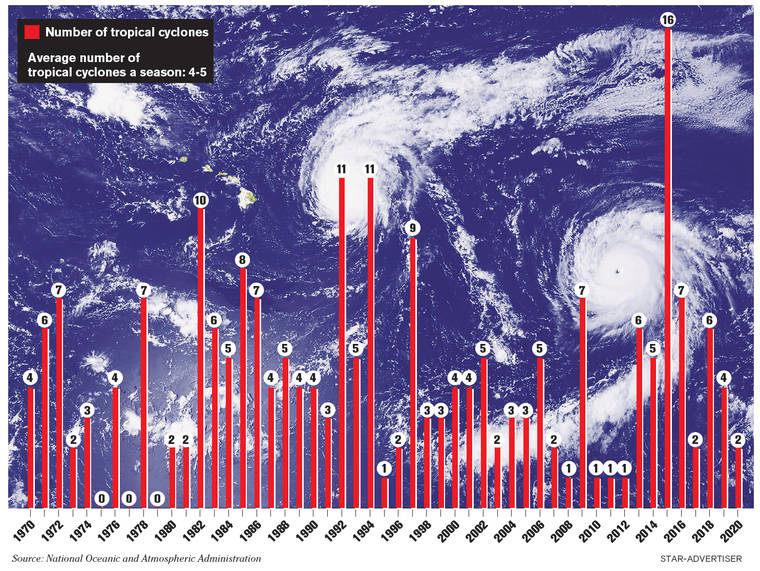
Peak Activity and Historical Context
While the season spans half the year, the peak months for tropical cyclone activity in the central Pacific are typically August and September. During these months, sea surface temperatures are warmest, providing the fuel needed for these powerful weather systems to develop and strengthen.
Historically, Hawaii is rarely impacted by direct hurricane landfalls. The islands’ geographical location and prevailing atmospheric conditions, particularly the presence of the Pacific High pressure system and cool water temperatures to the north, often steer storms away or weaken them before they reach the archipelago. However, there have been notable exceptions that serve as reminders of the importance of preparedness. For instance, Hurricane Iniki devastated Kauai in 1992, and Hurricane Lane brought significant rainfall and flooding to parts of the state in 2018, even without making a direct landfall as a hurricane. While a direct hit from a major hurricane is uncommon, the outer bands of passing storms can bring heavy rainfall, strong winds, high surf, and localized flooding, which can still impact travel plans and outdoor activities.

What to Expect During Cyclone Season
Even if a tropical cyclone doesn’t directly hit, its proximity can influence Hawaii’s weather patterns. Travelers visiting during cyclone season might encounter:
- Increased Rainfall: Expect more frequent and sometimes heavier rain showers, potentially leading to flash floods, especially in low-lying areas or near mountain slopes.
- Stronger Winds: While not always hurricane-force, winds can be breezy, affecting beach activities or outdoor dining.
- Higher Surf: Storms far out in the Pacific can generate significant swells, leading to dangerous rip currents and large waves on Hawaiian beaches, particularly on north-facing shores. Always heed local warnings and lifeguard advisories.
- Travel Disruptions: In the event of a significant storm threat, flights can be delayed or canceled, inter-island ferry services might be suspended, and roads could be closed due to flooding or debris.
- Power Outages: While less common for minor disturbances, severe weather can lead to localized power interruptions.
Despite these possibilities, it’s crucial to remember that many days during cyclone season are still idyllic, offering warm temperatures, sunny skies, and perfect conditions for enjoying all that Hawaii has to offer. The key is to monitor weather forecasts and remain flexible.
Planning Your Hawaiian Getaway: Traveling During Cyclone Season
Choosing to visit Hawaii during its cyclone season can actually present several advantages for the astute traveler. However, these benefits come hand-in-hand with the need for diligent preparation and an adaptable mindset. Balancing the potential for adverse weather with the opportunities for a unique travel experience is key to making the most of your trip.
Advantages of Off-Peak Travel
One of the primary benefits of traveling to Hawaii between June and November, particularly during the shoulder months, is the opportunity to experience the islands with fewer crowds. While summer (June-August) is still popular, the fall months (September-November) typically see a dip in tourism after the school holidays, leading to:
- Better Deals on Accommodation: Many hotels and resorts, from the luxurious Four Seasons Resort Maui at Wailea to boutique hotels in Kailua-Kona, may offer more competitive rates. This can extend to vacation rentals, such as villas and apartments, providing excellent value for families or longer stays.
- Cheaper Flights: Airfares often decrease outside of peak holiday periods, making it more affordable to reach Honolulu International Airport or other island airports.
- Easier Access to Attractions: Shorter lines at popular landmarks like Diamond Head, more availability for tours (e.g., Pearl Harbor, Na Pali Coast boat tours), and less crowded beaches enhance the overall experience.
- Warmer Ocean Temperatures: The ocean remains wonderfully warm, making swimming, snorkeling, and diving particularly inviting.
Essential Preparation and Safety Tips
For those opting to visit during cyclone season, thorough preparation is paramount. This isn’t about fear, but about empowering yourself with knowledge and resources to ensure a smooth trip.
- Purchase Travel Insurance: This is perhaps the most crucial tip. Comprehensive travel insurance that covers trip cancellation, interruption due to weather events, emergency medical care, and evacuation is highly recommended. Read the policy carefully to understand what is and isn’t covered regarding tropical storms or hurricanes.
- Monitor Weather Forecasts: Stay informed by regularly checking reputable weather sources like the National Weather Service for Honolulu (NWS Honolulu) and local news channels. Most accommodations will also keep guests informed.
- Book Flexible Travel: Opt for flights and accommodations with generous cancellation or rebooking policies. Many resorts, such as The Royal Hawaiian or the Grand Hyatt Kauai Resort & Spa, are accustomed to adjusting to weather events and may offer specific “hurricane guarantee” policies.
- Pack Appropriately: Include lightweight rain gear, quick-drying clothing, waterproof bags for electronics, and sturdy shoes for walking on potentially wet surfaces. Even during a rainy spell, temperatures remain warm.
- Emergency Kit (for longer stays): If staying in a vacation rental or less serviced accommodation, consider a small emergency kit including a flashlight, power bank for phones, basic first-aid supplies, and any necessary medications. Your resort or hotel will have comprehensive emergency plans.
- Stay Hydrated and Aware: Even without a storm, Hawaii’s tropical climate requires good hydration. Be aware of your surroundings, especially near ocean or mountain areas, as conditions can change rapidly.
Flexibility and Contingency Plans
Even with the best planning, nature can be unpredictable. Having a contingency plan for your Hawaiian vacation during cyclone season is wise.
- Alternative Activities: Research indoor attractions or sheltered outdoor activities you can enjoy if the weather turns. Think museums, aquariums, shopping centers like Ala Moana Center, or spa treatments. Many resorts boast fantastic amenities like indoor pools, fitness centers, and diverse dining options perfect for a rainy day.
- Communication Plan: Ensure your family or travel companions know how to contact each other if separated. Keep important phone numbers and reservation details easily accessible.
- Follow Local Authorities: If a storm approaches, always adhere to instructions from local authorities, emergency services, and your accommodation staff. They are the experts on the ground and prioritize your safety.
Exploring Hawaii Safely: Activities and Accommodation Choices
Even during cyclone season, Hawaii offers a plethora of activities and experiences. The key is to be adaptable and make informed choices, particularly regarding where you stay and what you plan to do. The islands themselves vary in their microclimates, and understanding these can help you optimize your trip.
Island-Specific Considerations
Each of Hawaii’s main islands offers unique attractions and can be affected differently by weather systems:
- Oahu: As the most populated island, Oahu has robust infrastructure and a wider array of indoor activities. If weather is poor, you can explore the Bishop Museum, visit Pearl Harbor, or enjoy world-class shopping in Honolulu. Resorts in Waikiki are well-equipped to handle guests during inclement weather.
- Maui: Known for its stunning beaches and the Road to Hana, Maui offers options like the Maui Ocean Center or vibrant art galleries in Lahaina if outdoor plans are disrupted. The dryer leeward sides, such as Kihei and Wailea, often experience better weather even when the windward side is rainy.
- Kauai: The “Garden Isle” is famously lush, meaning it can receive significant rainfall. While its natural beauty is astounding (Waimea Canyon, Na Pali Coast), visitors should be mindful of flash flood warnings, especially on hiking trails. The sunny south shore, around Poipu, often remains drier.
- Big Island: Home to Hawaii Volcanoes National Park and diverse climates, the Big Island also has its wetter windward (east) side around Hilo and dryer leeward (west) side near Kona. Explore the volcanoes, coffee plantations, or enjoy the beaches on the Kona side.
Recommended Activities and Experiences
Even with the possibility of rain, Hawaii’s charm shines through. Adapt your activities based on daily forecasts:
- Sunny Days: Enjoy the full spectrum of Hawaiian outdoor activities: surfing lessons, snorkeling with vibrant marine life, exploring scenic hiking trails (always check trail conditions), relaxing on pristine beaches, or experiencing a traditional luau under the stars.
- Rainy Days/Inclement Weather:
- Cultural Exploration: Delve into Hawaii’s rich history and culture. Visit museums like the Polynesian Cultural Center on Oahu, explore Iolani Palace, or take a historical walking tour of Lahaina.
- Culinary Adventures: Indulge in Hawaii’s diverse food scene. Take a cooking class to learn local recipes, explore farmer’s markets for fresh produce, or enjoy a long, leisurely meal at a top-rated restaurant.
- Wellness and Relaxation: Many resorts offer world-class spas perfect for a day of pampering. Enjoy a traditional Lomi Lomi massage or unwind in a hydrotherapy pool.
- Shopping: From high-end boutiques at Whalers Village on Maui to local artisan markets, there are plenty of retail therapy options.
Choosing the Right Accommodation
Your choice of accommodation during cyclone season can significantly impact your experience. Look for properties that offer:
- Robust Facilities: Large resorts like the Hilton Hawaiian Village Waikiki Beach Resort or Aulani, A Disney Resort & Spa often have multiple restaurants, shops, pools, and activities on-site, providing entertainment even if you can’t leave the property.
- Solid Infrastructure: Opt for well-maintained hotels, suites, and resorts that are built to withstand tropical weather.
- Flexible Policies: As mentioned, inquire about cancellation or rebooking policies specific to weather events.
- Guest Services: A knowledgeable concierge team can be invaluable for updated weather information, alternative activity suggestions, and assistance with rebooking if needed.
- Elevated Locations: While charming, beachfront bungalows might be more vulnerable to storm surge warnings than accommodations set further back or on higher ground.
The Allure of Hawaii: Beyond the Weather
Ultimately, Hawaii’s magic transcends any specific season or weather pattern. It’s a destination that captivates with its spiritual essence, “Aloha Spirit,” and an unmatched blend of adventure and tranquility. Traveling during cyclone season, when approached with awareness and preparation, can offer a more intimate and budget-friendly encounter with these islands.
Embracing Hawaiian Culture and Lifestyle
The heart of Hawaii lies in its people, culture, and enduring spirit. Even if a storm temporarily disrupts outdoor plans, it creates an opportunity to delve deeper into local life:
- Local Cuisine: Savor traditional poke, kalua pig, fresh seafood, and tropical fruits. Explore local eateries rather than just tourist traps.
- Hula and Music: Attend cultural performances, which often continue indoors, showcasing the beauty of Hawaiian storytelling through dance and song.
- Community Resilience: Witness firsthand the resilience and strong community bonds of Hawaiians, who have long lived in harmony with the forces of nature.
Luxury vs. Budget Travel During This Period
Cyclone season can be an excellent time for both luxury and budget travelers to find value.
- Luxury Travel: Experience top-tier resorts and villas with fewer crowds and potentially lower rates, allowing you to enjoy exclusive amenities and personalized service at a more relaxed pace. Imagine a private lanai overlooking the Pacific as a gentle rain shower passes, followed by a double rainbow.
- Budget Travel: More affordable flights and accommodation options open up Hawaii to a wider range of budgets. Vacation rentals and apartment-style stays can provide excellent value, especially for extended visits. Local food trucks and markets offer delicious, inexpensive meals.
In conclusion, “When Is Cyclone Season In Hawaii?” is a question best answered not with apprehension, but with preparation. From June 1st to November 30th, with a peak in August and September, the islands are technically within their tropical cyclone season. However, direct impacts are rare, and the vast majority of days remain splendid. By understanding the risks, investing in travel insurance, staying informed, and remaining flexible, you can unlock the advantages of off-peak travel – fewer crowds, better deals, and an authentic, perhaps even more serene, Hawaiian experience. Hawaii is a destination that truly gives back what you put into it, and with thoughtful planning, your cyclone season visit can be every bit as breathtaking and memorable as a trip during any other time of the year. The Aloha Spirit awaits, ready to welcome you with open arms, whatever the weather.
LifeOutOfTheBox is a participant in the Amazon Services LLC Associates Program, an affiliate advertising program designed to provide a means for sites to earn advertising fees by advertising and linking to Amazon.com. Amazon, the Amazon logo, AmazonSupply, and the AmazonSupply logo are trademarks of Amazon.com, Inc. or its affiliates. As an Amazon Associate we earn affiliate commissions from qualifying purchases.