
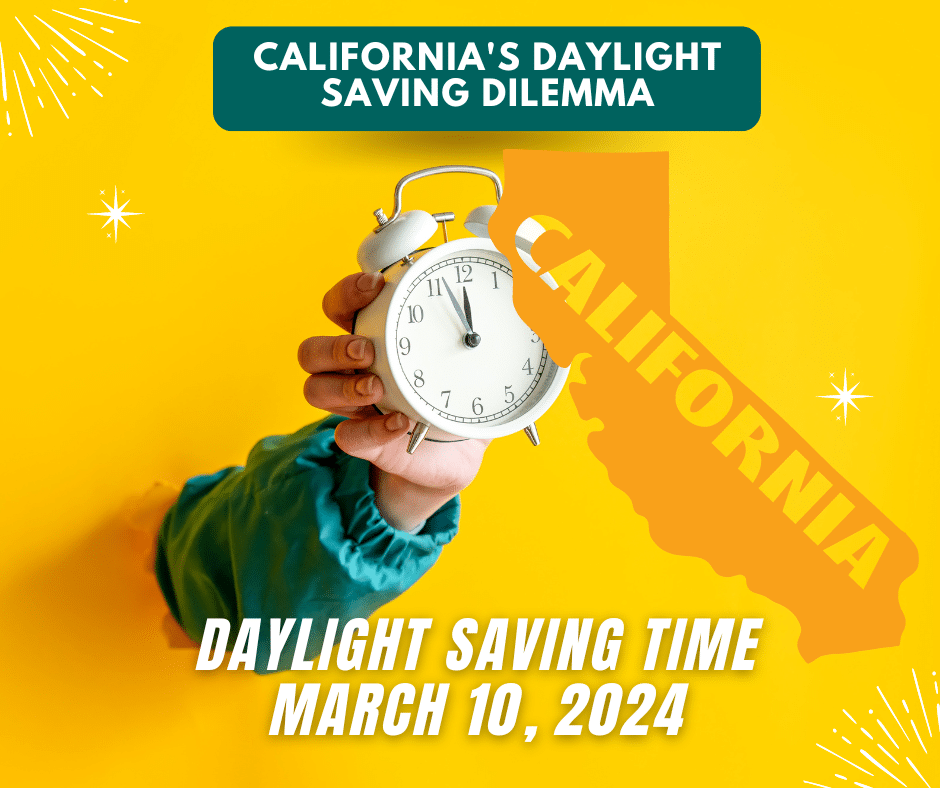
For anyone planning a trip to the Golden State, understanding the intricacies of Daylight Saving Time (DST) in California is more than just a matter of setting your watch; it’s a crucial element that can shape your entire travel experience. California, a land renowned for its diverse landscapes, iconic landmarks, and vibrant lifestyle, observes DST, meaning its clocks “spring forward” in the spring and “fall back” in the autumn. This annual ritual, while seemingly simple, carries significant implications for travelers, affecting everything from flight schedules and hotel check-ins to the timing of your visits to attractions and your overall enjoyment of the local culture.
On a platform dedicated to travel, hotels, tourism, and accommodation, dissecting the nuances of DST in California is essential for anyone seeking a seamless and enjoyable journey. Whether you’re planning a luxurious escape to a San Francisco boutique hotel, an adventure through Yosemite National Park, or a family trip to Disneyland in Anaheim, being aware of the time changes will help you plan meticulously and avoid any unwelcome surprises. This comprehensive guide will illuminate when Daylight Saving Time occurs in California, delve into its practical impacts on your travels, and offer valuable tips to help you navigate these seasonal shifts like a seasoned explorer.
Navigating California’s Annual Time Shift: Key Dates for Travelers
Understanding the precise dates for Daylight Saving Time in California is the first step in crafting an impeccable travel itinerary. These dates are consistent year after year, adhering to federal guidelines, although local discussions about their future persist. For the vast majority of your travel planning, you can rely on these patterns.
The Spring Forward: Gaining an Hour of Daylight
Each year, California — along with most other states in the United States — “springs forward” on the second Sunday in March. At 2:00 AM Pacific Standard Time (PST), clocks are advanced one hour to 3:00 AM Pacific Daylight Time (PDT). This means you effectively “lose” an hour of sleep on this particular night, but in return, you gain an extra hour of daylight in the evenings for the months to come.
For travelers, this shift can be particularly impactful. If you have a flight departing early on the second Sunday in March, ensure you’ve adjusted your clock accordingly the night before, or you risk missing your flight. Similarly, check-in times for hotels or scheduled tours for attractions like the Golden Gate Bridge in San Francisco or the Santa Monica Pier in Los Angeles will instantly shift. Your internal body clock, especially if you’re arriving from a different time zone, might also feel the jolt, making the initial days of your California adventure feel a bit more disorienting. Planning for this initial adjustment is key to minimizing disruption and enjoying the longer evenings that DST brings.
The Fall Back: Reclaiming an Hour
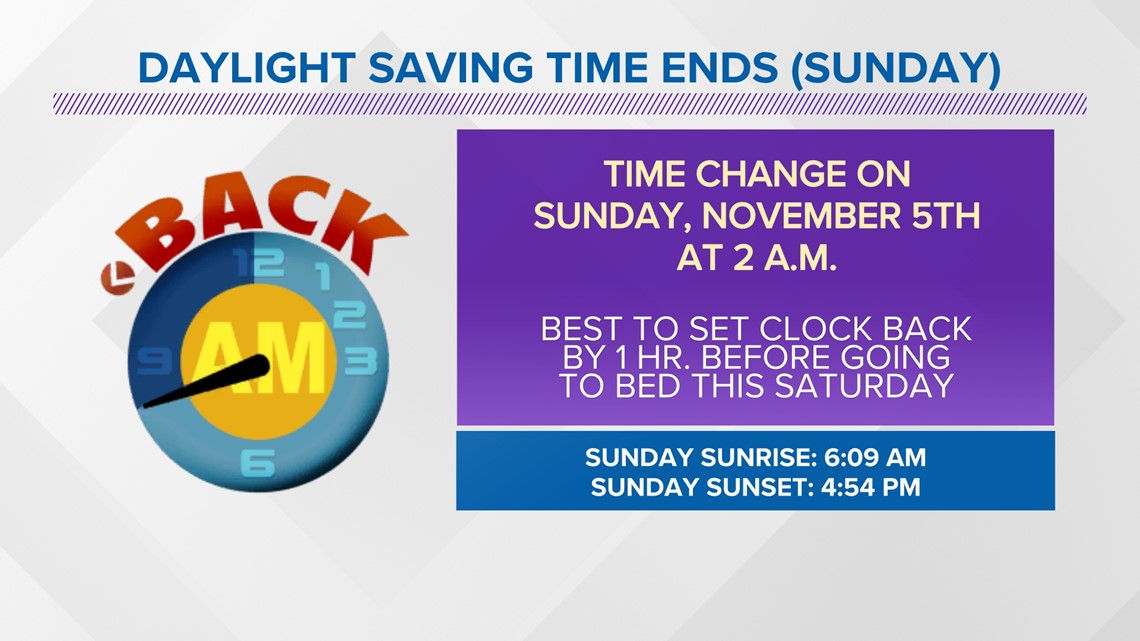
Conversely, California “falls back” on the first Sunday in November. Again, at 2:00 AM Pacific Daylight Time (PDT), clocks are moved back one hour to 1:00 AM Pacific Standard Time (PST). On this day, you “gain” an hour, often celebrated as an extra hour of sleep, though its primary effect is to shift daylight to the morning, resulting in earlier sunsets.
For those planning autumn getaways, this shift means that what felt like ample daylight for exploring destinations such as the vineyards of Napa Valley or the dramatic coastlines around Big Sur will suddenly feel shorter. Attraction closing times might align with earlier twilight, requiring travelers to prioritize morning activities. While the extra hour of sleep is a welcome bonus, the quicker descent into darkness can subtly alter the rhythm of your trip, making evening excursions or outdoor dining experiences feel a bit chillier and darker sooner.
The Broader Impact of DST on California Travel and Tourism
Beyond the simple act of changing clocks, Daylight Saving Time in California significantly influences various facets of the travel and tourism industry. From the way you book your accommodation to the pace of your daily excursions, DST plays an often-underestimated role.
Adjusting Your Itinerary: Flights, Accommodation, and Tours
One of the most immediate and tangible effects of DST for travelers is on scheduling. Flight departure and arrival times are typically listed in local time, so if you’re flying into or out of California on the changeover day, it’s paramount to confirm your schedule with your airline. While most modern devices automatically update, relying solely on them without a quick double-check can lead to missed connections or unnecessary stress.
Similarly, accommodation bookings, such as check-in and check-out times at hotels, resorts, or vacation rentals, will follow the local time. If you’re arriving early on the “spring forward” Sunday, you might feel an hour more exhausted than anticipated, especially if you’re already battling jet lag. Conversely, departing on the “fall back” Sunday might give you an unexpected extra hour to enjoy your suite at the Ritz-Carlton, Laguna Niguel or savor a final California breakfast before heading to Los Angeles International Airport.
Pre-booked tours and activities, ranging from a wine tasting tour in Sonoma to a whale watching excursion off the coast of San Diego, will strictly adhere to the local time. Always confirm the meeting times closer to the date, especially if your activity falls on one of the DST transition days. Reputable tour operators are usually excellent at communicating these changes, but a proactive check on your part can save you from an inconvenient mix-up.
Exploring Landmarks and Attractions: Maximizing Daylight
The amount of available daylight directly impacts the experience of visiting California’s famed landmarks and attractions. During the “spring forward” period, from March to November, the extended daylight hours in the evening are a boon for travelers. Imagine being able to hike Runyon Canyon and still catch a late sunset view over Los Angeles, or lingering longer at Lake Tahoe for an evening paddle. These longer evenings allow for more flexible sightseeing schedules, potentially letting you fit more into a single day without feeling rushed. Museums, theme parks, and other major attractions often extend their hours during these peak tourism months to take advantage of the natural light.

Conversely, the “fall back” period signals the return to earlier sunsets. This requires a shift in planning. If you’re visiting in late autumn or winter, you’ll need to start your sightseeing earlier in the day to make the most of the daylight. A sunrise hike at Joshua Tree National Park becomes more appealing, and evening plans might pivot towards indoor activities, such as enjoying a show at the Pantages Theatre or exploring the vibrant nightlife of West Hollywood. Understanding this shift allows you to adjust your expectations and plan your days effectively, ensuring you don’t miss out on any experiences due to dwindling daylight.
Local Culture, Food, and Lifestyle
The time change also subtly influences the local culture and lifestyle that travelers come to experience. During summer, the prolonged daylight fosters an outdoor-centric lifestyle. Cafes, restaurants, and bars often have extended patio seating, and public spaces like Balboa Park in San Diego or the waterfront in Santa Barbara hum with activity well into the evening. Local markets and street performers thrive under the lingering sun, offering travelers more opportunities to immerse themselves in the authentic rhythm of California life.
When the clocks fall back, the lifestyle shifts indoors. While California still boasts a generally mild climate, evenings become cozier. This is an excellent time to explore fine dining establishments, catch a performance, or enjoy the comfort of your resort’s amenities, perhaps with a fireplace in your suite at a luxury hotel like the Waldorf Astoria Beverly Hills. The rhythm of the cities like Sacramento or Oakland adapts, and understanding this local pulse can help you plan your food and entertainment choices more effectively, ensuring your trip is in sync with the state’s natural flow.
Preparing for Seamless Travel: Tips for Navigating DST
A little foresight goes a long way when dealing with Daylight Saving Time during your California adventure. By implementing a few simple strategies, you can ensure that the time change enhances, rather than detracts from, your experience.
Pre-Travel Checklist: Confirm Everything
Before you even pack your bags, make a definitive confirmation of all your time-sensitive bookings if your travel dates coincide with a DST transition. This includes:
- Flights and Transportation: Double-check departure and arrival times with airlines, train services like Amtrak, or bus companies. Ensure any pre-booked airport transfers are aware of the time change.
- Accommodation Check-ins/Check-outs: Verify your arrival and departure times with your chosen hotel, villa, or apartment rental. This is particularly important for early morning arrivals or late departures on the transition day.
- Tours and Activities: Reach out to tour operators, museum, or theme park representatives to confirm operating hours and meeting times. Even a five-minute discrepancy can impact group tours.
- Restaurant Reservations: For popular fine dining spots, ensure your reservation time is correctly noted. Missing a reservation at a sought-after restaurant like The French Laundry in Yountville would be a significant culinary loss.
Managing Your Internal Clock: Minimizing Disruption
The “spring forward” can be particularly disruptive as it effectively shortens a day. To mitigate the effects of this lost hour, especially if you’re already susceptible to jet lag, consider the following:
- Adjust Gradually: A few days before the change, try going to bed 15-30 minutes earlier or later, depending on the shift.
- Hydrate and Rest: Maintain good hydration and ensure you get adequate sleep leading up to and during the changeover.
- Embrace Natural Light: Expose yourself to natural light in the mornings (after “springing forward”) or limit it in the evenings (before “falling back”) to help reset your circadian rhythm.
- Be Patient: Give yourself a day or two to fully adjust. Don’t overschedule your itinerary on the day of the time change; allow for flexibility.
Leveraging Technology and Local Knowledge
Modern technology is your ally. Most smartphones, laptops, and smartwatches automatically update for Daylight Saving Time. However, confirm that your devices are set to automatically update time zones. For older devices, like a traditional travel alarm clock, remember to adjust them manually.
Additionally, don’t hesitate to tap into local knowledge. Concierge services at your hotel, local tour guides, or even friendly Californians can provide valuable real-time advice on how the time change might affect local operations or suggest ideal times for certain activities. From the bustling streets of San Jose to the serene beaches of Malibu, local insights can be invaluable.
The Future of Daylight Saving Time in California
The conversation around Daylight Saving Time in California isn’t static. In recent years, there’s been significant public debate and legislative activity regarding its permanence. In 2018, California voters passed Proposition 7, which gave the state legislature the power to change DST by a two-thirds vote, potentially allowing California to remain on DST year-round or revert to permanent standard time.
This ongoing discussion highlights a broader national and even international trend towards re-evaluating the necessity and benefits of DST. Should California eventually decide to abolish the biannual time change, it would have profound implications for tourism and lifestyle. A permanent Daylight Saving Time would mean consistently longer evenings, potentially boosting evening tourism and outdoor activities year-round. Conversely, a permanent standard time would mean earlier sunsets in the summer but consistent morning light, potentially shifting the focus of daily activities.
For now, travelers should assume that California will continue to observe the “spring forward, fall back” pattern on the second Sunday in March and the first Sunday in November. However, staying informed about legislative updates could become an important part of long-term travel planning for this dynamic state. Resources from the California State Legislature or reputable local news sources can provide the most current information on any potential changes.
Conclusion
Understanding “When Is Daylight Saving Time For California?” is a fundamental piece of knowledge for any discerning traveler. The annual shifts, occurring on the second Sunday in March and the first Sunday in November, are not merely minor inconveniences but factors that actively shape the rhythm and potential of your California adventure. From ensuring your flight schedules align to maximizing your daylight hours for exploring iconic landmarks like the Hollywood Walk of Fame or enjoying the vibrant culture of San Francisco, awareness is your greatest asset.
By proactively confirming your reservations, making small adjustments to your sleep schedule, and leveraging the automatic updates of modern technology, you can effortlessly navigate these seasonal transitions. Embrace the extended evenings of summer for more sightseeing and outdoor activities, and adjust to the cozier, earlier sunsets of autumn by enjoying California’s rich indoor attractions and culinary scene. As the dialogue around the future of DST continues, staying informed will only further empower you to plan the perfect trip. Ultimately, being prepared for Daylight Saving Time ensures that your focus remains squarely on experiencing the unparalleled beauty, excitement, and diversity that California has to offer, making every moment count, regardless of the clock.
LifeOutOfTheBox is a participant in the Amazon Services LLC Associates Program, an affiliate advertising program designed to provide a means for sites to earn advertising fees by advertising and linking to Amazon.com. Amazon, the Amazon logo, AmazonSupply, and the AmazonSupply logo are trademarks of Amazon.com, Inc. or its affiliates. As an Amazon Associate we earn affiliate commissions from qualifying purchases.