
Planning a trip to the Golden State or simply a resident wondering when the clocks will change? Understanding Daylight Saving Time (DST) in California is more than just knowing whether to set your clock forward or back; it’s about optimizing your travel experiences, making the most of California’s vibrant tourism scene, and even adapting your daily lifestyle to best enjoy what this diverse state offers. While the concept might seem straightforward, its practical implications for visitors and locals alike, especially in a place as dynamic as California, can significantly impact everything from flight schedules to sunset views over the Pacific.
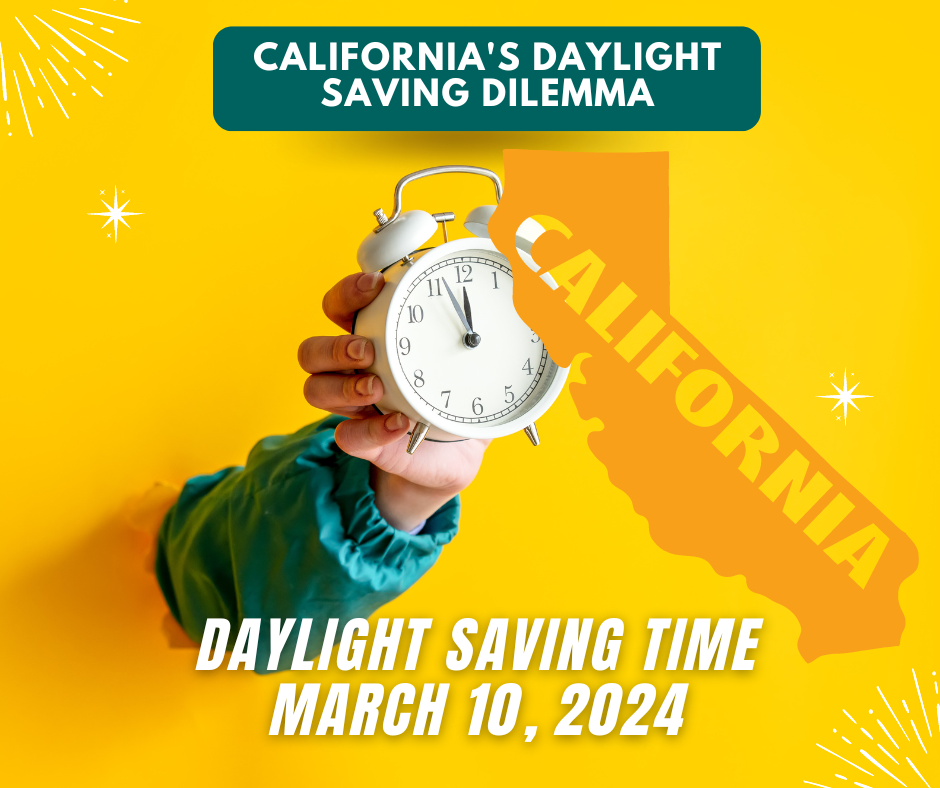
California, like most of the United States, observes Daylight Saving Time. This means that twice a year, residents and visitors experience a one-hour shift in their daily rhythm. The primary purpose of DST, historically, has been to make better use of daylight, ostensibly saving energy and boosting economic activity by extending evening light during warmer months. For travelers, this shift translates into longer evenings for exploration in the spring and summer, and earlier sunsets during the fall and winter, which can influence everything from choosing a perfect hotel to scheduling your visits to iconic landmarks.
Understanding California’s Daylight Saving Time Schedule
Knowing the exact dates for Daylight Saving Time in California is crucial for meticulous planning, whether you’re booking flights, reserving accommodation, or simply wanting to catch a famous California sunset.
When to “Spring Forward” and “Fall Back”
In California, clocks are adjusted according to the federal schedule for Daylight Saving Time:
-
Spring Forward: On the second Sunday in March, clocks are moved forward by one hour at 2:00 AM local time. This means that 2:00 AM instantly becomes 3:00 AM, resulting in the “loss” of an hour of sleep but marking the beginning of longer daylight evenings. For travelers arriving or departing around this time, it’s essential to be mindful of how this shift affects flight schedules, particularly red-eye flights or those with tight connections. This change officially shifts California from Pacific Standard Time (PST) to Pacific Daylight Time (PDT), making it UTC-7 instead of UTC-8.
-
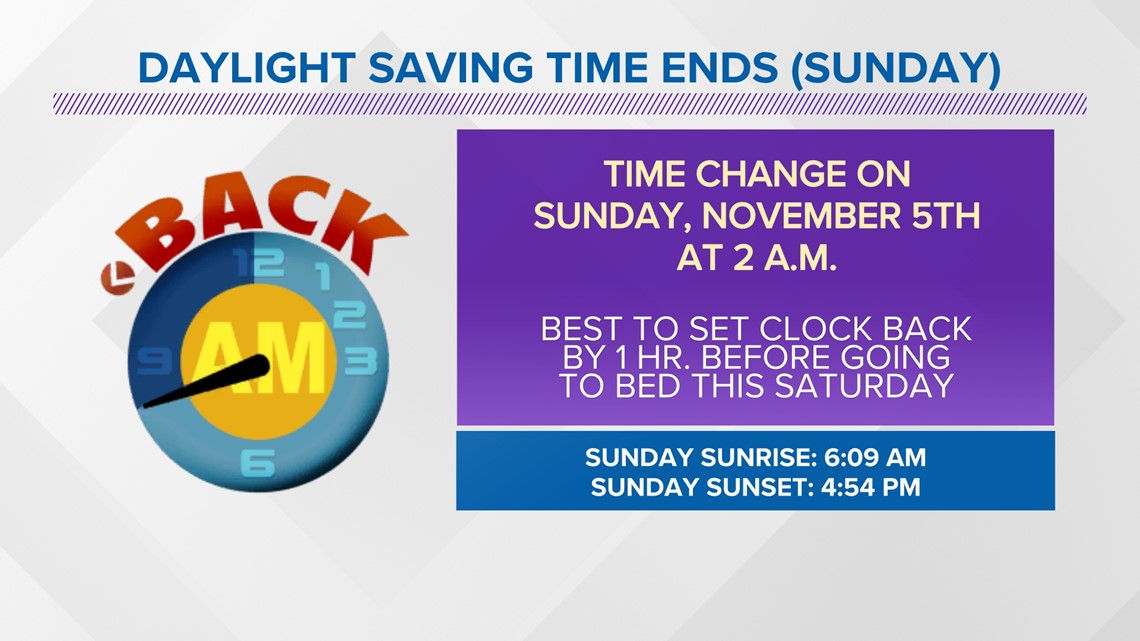
Fall Back: On the first Sunday in November, clocks are moved back by one hour at 2:00 AM local time. This means 2:00 AM reverts to 1:00 AM, effectively “gaining” an hour. While this extra hour of sleep might be welcomed, it also signifies the return to shorter daylight hours, with sunsets occurring earlier in the evening. This transition shifts California back from Pacific Daylight Time (PDT) to Pacific Standard Time (PST), returning to UTC-8. For those planning late-season trips, this can influence outdoor activities and evening excursions, making an early start to your day even more valuable.
These adjustments are typically automatic for most modern devices, including smartphones, computers, and smartwatches. However, travelers should still double-check their itineraries and any non-digital timepieces to avoid confusion, especially when navigating essential check-in times for hotels or scheduled tours.
The Ongoing Debate and Future of DST in California
The observance of Daylight Saving Time in California is not without its controversies and ongoing legislative discussions. In 2018, California voters approved Proposition 7, which granted the state legislature the power to change Daylight Saving Time through a two-thirds vote, potentially allowing the state to adopt permanent Daylight Saving Time or opt for permanent standard time.
Since the passage of Proposition 7, several bills have been introduced to address the issue, reflecting a broader national debate about the effectiveness and impact of biannual time changes. Arguments against DST often cite potential health impacts due to sleep disruption, confusion in scheduling, and the questionable energy savings it purportedly offers. Proponents, however, point to increased economic activity and more opportunities for outdoor recreation during extended daylight evenings.
As of now, California continues to observe the traditional “spring forward” and “fall back” schedule. However, the future remains uncertain, with the possibility of legislative action that could eventually eliminate the time change, placing California on permanent Pacific Standard Time or permanent Pacific Daylight Time. For visitors, this means staying updated on current news, though for the foreseeable future, planning around the established DST dates is still necessary.
Travel, Tourism, and Accommodation: Navigating DST in California
The biannual time change can subtly influence various aspects of your California experience, from the efficiency of your travel plans to the enjoyment of your chosen accommodation and tourist activities.
Planning Your California Itinerary with DST in Mind
Understanding how Daylight Saving Time affects your schedule is paramount for a seamless trip.
Flight and Ground Transportation Considerations
When you “spring forward” in March, an hour is effectively lost. This can be particularly impactful if you’re arriving in California on the day of the change or departing shortly after. For example, a flight scheduled to arrive at 1:30 AM on the second Sunday in March might suddenly find its actual arrival time pushed to 2:30 AM, or even later if the airport systems adjust at 2:00 AM. Always confirm your flight details, especially arrival and departure times, with your airline, paying close attention to whether times are quoted in local standard or daylight time. The same vigilance applies to train and bus schedules, particularly when crossing time zones if you’re traveling from other parts of the United States. Car rentals should also be considered; if you have a morning pick-up, ensure you factor in the “lost” hour if arriving on the spring forward day.
Conversely, “falling back” in November means an extra hour. While this generally causes less disruption, it’s still worth noting for early morning departures. An 8:00 AM flight on the first Sunday in November might feel like 7:00 AM to your body, offering a slight advantage for those who struggle with early starts. However, it’s crucial not to miscalculate and arrive an hour too early, or worse, an hour late due to confusion.
Maximizing Daylight for Attractions and Experiences

One of the most significant advantages of Daylight Saving Time for tourism is the extension of daylight into the evening during spring and summer. This is fantastic news for visitors to California, a state renowned for its outdoor attractions and scenic beauty.
-
Spring Forward Benefits: From March through early November, you’ll have more daylight hours to explore landmarks like the Golden Gate Bridge in San Francisco, hike the majestic trails of Yosemite National Park or Redwood National Park, or enjoy extended hours at theme parks like Disneyland in Anaheim or Universal Studios Hollywood in Los Angeles. Imagine a leisurely evening stroll along the Santa Monica Pier or catching a spectacular sunset over the Pacific Coast without rushing. Longer evenings also provide more flexibility for dinner reservations in popular dining destinations in Los Angeles, San Francisco, or Napa Valley. Photographers will especially appreciate the extended “golden hour” for capturing stunning shots of iconic California landscapes, from the beaches of San Diego to the dramatic cliffs of Big Sur.
-
Fall Back Adjustments: When clocks “fall back” in November, evenings become noticeably shorter. While this might limit some outdoor activities after dark, it ushers in a different kind of charm. Cooler temperatures are ideal for exploring urban centers like Sacramento or Beverly Hills without the intense summer heat. It’s also prime time for enjoying cozy evenings by a fireplace in a mountain resort near Lake Tahoe or indulging in California’s acclaimed culinary scene. Early sunsets offer opportunities for stargazing in less light-polluted areas such as Death Valley National Park or Joshua Tree National Park. For those seeking winter sports, this period aligns perfectly with the start of the ski season in the Sierra Nevada mountains.
Accommodation and Hotel Operations
The time change can also impact your stay, from check-in to utilizing hotel amenities.
Checking In and Out Seamlessly
When “springing forward,” arriving at your hotel on the day of the change can be a little disorienting. If you’re coming from a different time zone, the one-hour jump can feel like an extra layer of jet lag. Confirm your check-in time with your chosen hotel, especially if you anticipate an early arrival or late departure. Reputable hotels and resorts, whether a boutique hotel in Palm Springs or a luxury suite in Hollywood, are typically well-versed in DST changes and ensure their systems and staff are prepared. However, a quick double-check can prevent any potential confusion.
When “falling back,” the extra hour can be a blessing, giving you a bit more time to relax before checkout or prepare for an early flight. Still, it’s wise to verify all times with the front desk to avoid any miscalculations regarding your departure.
Hotel Amenities, Services, and Comfort
Hotel operations, including restaurant opening hours, pool schedules, spa appointments, and shuttle services, are all adjusted to the local time. During DST, guests benefit from longer daylight to enjoy outdoor hotel amenities. For example, a hotel with a beautiful infinity pool overlooking the ocean in Laguna Beach will have extended hours of natural light for swimming and sunbathing. In colder months, as DST ends, evening services might conclude earlier as darkness sets in sooner.
Travelers should also consider the personal impact of the time change. The “spring forward” can lead to a slight feeling of jet lag for a day or two, even for those who haven’t crossed time zones. Hydration, light exercise, and trying to adjust your sleep schedule gradually before the change can help mitigate this. Hotels with excellent amenities like comfortable beds, blackout curtains, and in-room coffee makers can be particularly helpful during these adjustment periods.
Lifestyle and Local Culture: Adapting to California’s Rhythms
Daylight Saving Time isn’t just about clocks; it’s about how daily life and local culture adapt to the changing light.
Adjusting to the New Time and Local Rhythms
For both residents and long-term visitors, the bi-annual time shift requires a period of adjustment. The “spring forward” can feel abrupt, especially for those sensitive to sleep cycles. School start times, business hours, and public transportation schedules all adhere to the new official time, so adapting quickly is key to seamless integration into local life.
During the “spring forward” period, California’s vibrant outdoor lifestyle truly comes alive. People spend more time at beaches like Venice Beach or Coronado Beach, parks, and outdoor dining establishments. This is when California truly embodies its image of endless sunshine and active living. Farmers’ markets stay open later, outdoor concerts begin, and the general pace of life seems to align with the extended daylight.
Conversely, “falling back” shifts daily activities earlier. Evening commutes become darker, and outdoor leisure activities typically conclude sooner. This period often sees a shift towards more indoor activities, such as exploring California’s world-class museums in Los Angeles and San Francisco, enjoying live performances, or cozying up in a wine-tasting room in Sonoma County.
Embracing California’s Diverse Experiences Year-Round
Regardless of whether it’s Pacific Standard Time or Pacific Daylight Time, California offers an incredible array of experiences throughout the year. Understanding DST simply helps you maximize those experiences.
For the budget traveler, the extended daylight of DST can mean more time for free outdoor activities, reducing the need for expensive indoor entertainment. For luxury travelers, it might mean the chance to enjoy a longer alfresco dining experience at a Michelin-starred restaurant with breathtaking views or an extra hour on a private yacht charter along the coast. Families traveling with children might find the extended daylight helps with managing bedtimes, allowing for more evening fun without pushing schedules too late. Business travelers, too, can benefit from knowing the time change, ensuring they are punctual for meetings and can still enjoy some local sights after their work commitments.
From the natural wonders of Sequoia National Park and the Mojave Desert to the bustling urban landscapes of the Hollywood Walk of Fame, California’s appeal transcends mere daylight hours. However, being aware of Daylight Saving Time allows for more informed decisions, enhancing every aspect of your visit or daily life in this magnificent state.
In conclusion, Daylight Saving Time in California is observed on the second Sunday in March (“spring forward”) and the first Sunday in November (“fall back”). While the future of DST in the state is a subject of ongoing discussion, for now, these dates are fixed. For anyone planning to travel to California, or those who call it home, understanding these time shifts is key to a smooth, enjoyable, and well-organized experience, ensuring you can truly make the most of every moment under the California sun.
LifeOutOfTheBox is a participant in the Amazon Services LLC Associates Program, an affiliate advertising program designed to provide a means for sites to earn advertising fees by advertising and linking to Amazon.com. Amazon, the Amazon logo, AmazonSupply, and the AmazonSupply logo are trademarks of Amazon.com, Inc. or its affiliates. As an Amazon Associate we earn affiliate commissions from qualifying purchases.