
Deer hunting season in Oklahoma is a highly anticipated period for outdoor enthusiasts and a significant economic driver for the state. Understanding the specific dates, regulations, and opportunities associated with these seasons is crucial for any hunter planning a trip or seeking to experience this cherished tradition. Oklahoma offers diverse hunting landscapes, from the rolling hills of the Ouachita Mountains to the vast prairies of the panhandle, providing a rich environment for various deer species. This guide delves into the intricacies of Oklahoma’s deer hunting seasons, ensuring you are well-prepared for a successful and rewarding experience.
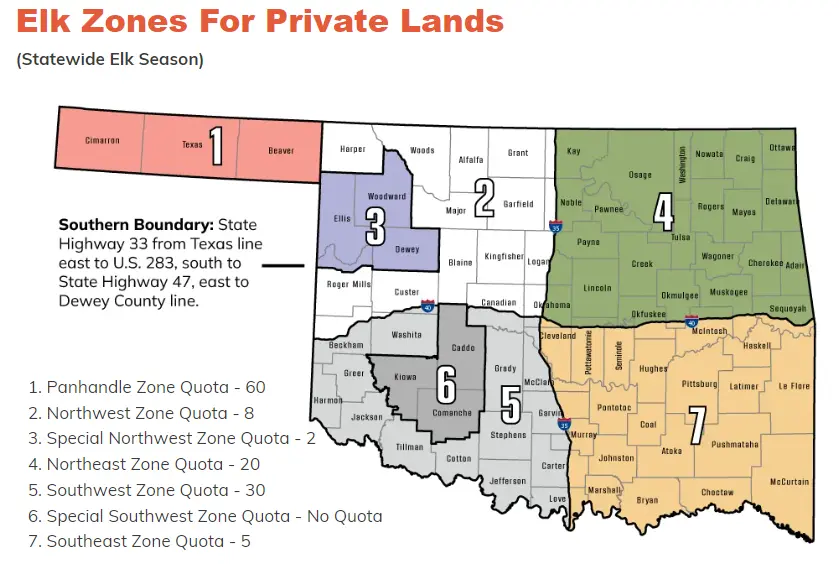
Understanding Oklahoma’s Deer Hunting Seasons
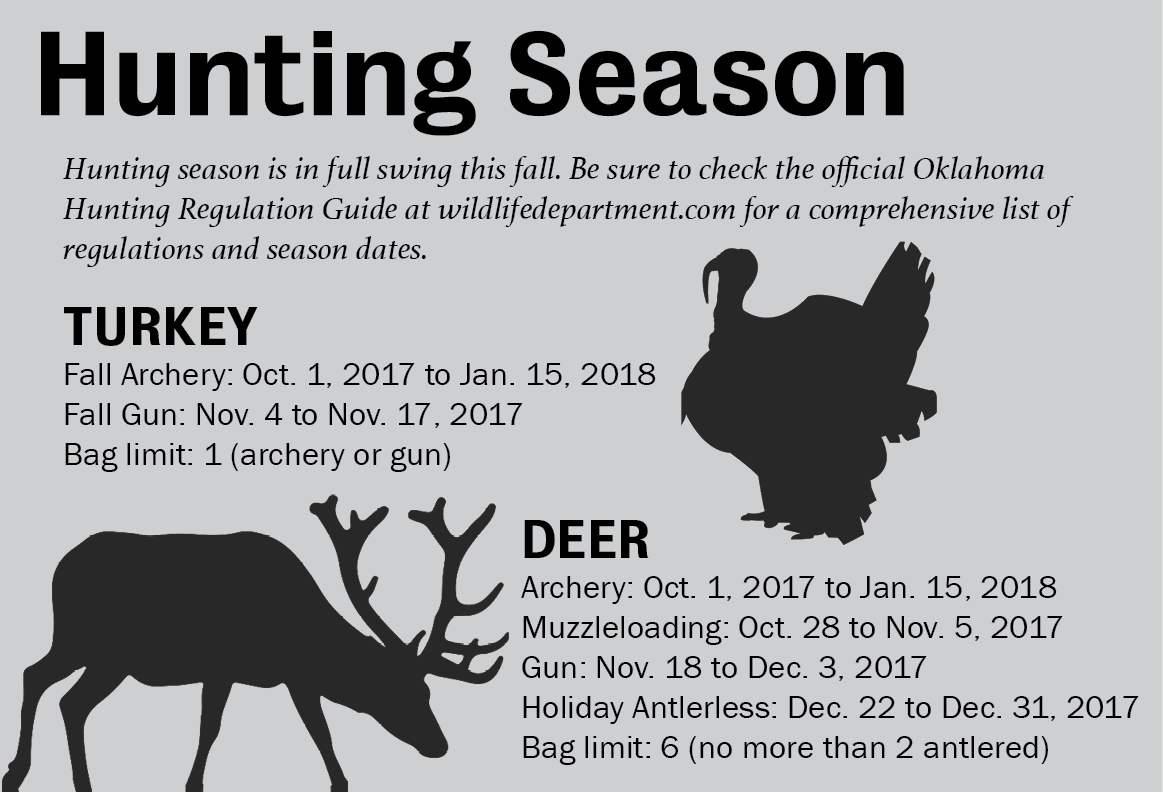
Oklahoma divides its deer hunting into several distinct seasons, each with its own set of rules and target species. These divisions are designed to manage deer populations effectively, provide varied hunting experiences, and maximize opportunities for hunters. The primary categories are archery, muzzleloader, and rifle seasons. Each of these can be further broken down by specific weapon types and management units within the state.
Archery Season
The archery season typically opens earliest, often in late September or early October, and extends for a significant duration, sometimes through January. This season is favored by many for its challenging nature and the opportunity to pursue deer with minimal noise and scent disturbance. Archers often have access to a larger portion of the hunting season and can hunt in areas where other weapon types may be restricted.
- Timing: Generally runs from early October through mid-January.
- Weaponry: Exclusively bows and arrows. Specific requirements for draw weight, broadhead type, and arrow construction are enforced by the Oklahoma Department of Wildlife Conservation.
- Species: Allows for the harvest of both white-tailed deer and mule deer, depending on the hunting zone.
- Advantages: Longer season, quieter hunting, often less crowded than other seasons.
- Considerations: Requires significant skill in stalking, patience, and precise shooting.
Muzzleloader Season
Following the archery season, or sometimes running concurrently in certain areas, the muzzleloader season offers a different kind of challenge. This season allows for the use of single-shot, black powder firearms, which require more deliberate and closer-range engagements. Muzzleloader hunting bridges the gap between the stealth of archery and the longer-range capabilities of modern rifles.
- Timing: Typically occurs in late October and November, often overlapping with the latter part of archery season in some units.
- Weaponry: Specific regulations apply to the type of muzzleloader, caliber, and ammunition allowed. Usually, only primitive black powder firearms are permitted.
- Species: Primarily targets white-tailed deer.
- Advantages: Offers a different historical hunting experience, allows for slightly longer shots than archery.
- Considerations: Slower reload times, requires knowledge of black powder firearms, and careful shot placement is critical.
Firearm (Rifle) Season
The rifle season is often the most popular and widely anticipated deer hunting period in Oklahoma. This season typically runs for a few weeks in late November and early December, coinciding with the white-tailed deer rut, when bucks are most active and visible.
- Timing: Generally occurs in late November through early December.
- Weaponry: Allows for the use of modern rifles. Specific caliber and ammunition restrictions are in place to ensure humane harvesting and management.
- Species: Primarily targets white-tailed deer.
- Advantages: Enables hunters to take shots at greater distances, often coincides with peak deer activity during the rut.
- Considerations: Can be more crowded due to popularity, requires adherence to specific firearm safety rules and regulations.
Special Hunts and Regulations
Beyond the general seasons, Oklahoma offers several specialized hunts and has specific regulations that hunters must be aware of to ensure compliance and maximize their opportunities. These can include youth hunts, private land permits, and controlled hunts on specific wildlife management areas.
Youth Hunts
Recognizing the importance of introducing new generations to hunting, Oklahoma offers special youth seasons. These are designed to provide a safe and educational experience for young hunters, often with reduced competition and increased mentorship opportunities.
- Eligibility: Typically for hunters under a certain age (e.g., 17 years old) who are accompanied by an adult.
- Timing: Youth gun season usually precedes the general firearm season, allowing young hunters to get afield before the peak of the rut.
- Weaponry: Usually aligns with the general firearm season’s regulations, allowing rifles.
- Purpose: To foster interest and provide hands-on learning in hunting ethics and practices.
Antlerless Hunts and Tagging Regulations
Managing antlerless deer populations is a key component of wildlife management. Oklahoma implements specific regulations regarding the harvest of antlerless deer, often through bonus tags or designated antlerless-only seasons.
- Bonus Tags: Hunters who have harvested a buck may be eligible to purchase bonus tags for antlerless deer, allowing for increased harvest opportunities, particularly in areas where population control is a priority.
- Antlerless-Only Zones: Certain wildlife management areas or counties may have designated periods or seasons where only antlerless deer can be harvested. This strategy helps to manage local herd sizes effectively.
- Tagging Requirements: All harvested deer, whether buck or doe, must be tagged immediately and reported to the Oklahoma Department of Wildlife Conservation within a specified timeframe. Failure to do so can result in penalties.
Wildlife Management Areas (WMAs)
Oklahoma boasts numerous Wildlife Management Areas (WMAs) that are open to public hunting. These areas offer diverse habitats and often have specific regulations that may differ from statewide rules. Hunters should always consult the WMA-specific regulations before their hunt.
- Types of WMAs: These range from forests and wetlands to prairies and river bottoms, each supporting different wildlife populations. Examples include the Okmulgee Wildlife Management Area and the Black Kettle Wildlife Management Area.
- Special Hunts: Many WMAs host quota hunts or lottery hunts for specific species or weapon types, requiring advance application and drawing of a permit.
- Access and Rules: Hunters must be aware of access points, permitted vehicles, camping regulations, and specific hunting zone boundaries within each WMA.
Planning Your Deer Hunting Trip in Oklahoma
A successful deer hunting trip in Oklahoma requires meticulous planning, from understanding the regulations to preparing your gear and choosing the right hunting location. Whether you are a seasoned hunter or new to the sport, thorough preparation is key to a safe, enjoyable, and ethical experience.
Obtaining Licenses and Permits
Before heading afield, it is imperative to secure the correct hunting licenses and permits. The Oklahoma Department of Wildlife Conservation is the governing body responsible for issuing these.
- Resident vs. Non-Resident: License fees vary significantly for Oklahoma residents and non-residents. Residents typically pay a base hunting license fee, while non-residents will need to purchase a non-resident hunting license in addition to specific deer permits.
- Deer Permits: Specific permits are required for harvesting deer, often designated by weapon type (archery, muzzleloader, rifle) and sometimes by species (e.g., white-tailed deer, mule deer). Bonus tags for antlerless deer also require separate permits.
- Application Deadlines: For quota or lottery hunts on WMAs, application periods are strictly enforced, and missing a deadline will preclude participation.
- Online Purchasing: Licenses and permits can usually be purchased online through the Oklahoma Department of Wildlife Conservation website, over the counter at authorized license vendors, or by mail.
Choosing Your Hunting Location
Oklahoma offers a diverse range of hunting environments. The best location for your hunt will depend on your preferred hunting style, the species you are targeting, and whether you are hunting on public or private land.
- Public Hunting Lands: Oklahoma has an extensive network of public lands, including Wildlife Management Areas and National Forests like the Ouachita National Forest. These areas provide opportunities for hunters who do not have access to private property. Researching the specific game populations and terrain of each WMA is advisable.
- Private Land Hunting: Hunting on private land offers more control over the hunting environment and often leads to higher success rates, provided you have landowner permission. This can involve leasing hunting rights or obtaining permission from friends or family who own property.
- Geographic Considerations:
- Eastern Oklahoma: Characterized by deciduous forests, rolling hills, and rugged terrain, offering excellent habitat for white-tailed deer. Areas within the Ozark Plateau and Ouachita Mountains are prime white-tailed deer hunting grounds.
- Western Oklahoma: Features prairies, canyons, and more arid landscapes, offering opportunities for both white-tailed deer and mule deer in the panhandle region and along river corridors.
- Central Oklahoma: A mix of agricultural lands and scattered woodlands, supporting healthy deer populations.
Essential Gear and Preparation
Proper gear is paramount for a safe and successful hunting experience. Oklahoma’s weather can be unpredictable, so preparation for various conditions is essential.
- Clothing: Layered clothing suitable for a range of temperatures, including waterproof and windproof outer layers. Camouflage patterns that blend with the local environment are crucial. Blaze orange is mandatory during firearm seasons for safety.
- Firearm/Bow: Ensure your chosen hunting implement is in good working order and you are proficient with its use. Familiarize yourself with the specific regulations regarding firearm calibers, bow specifications, and ammunition.
- Optics: Binoculars and a rangefinder can significantly increase your success rate by helping to identify and accurately judge distances to game.
- Navigation: A map and compass or GPS device are essential, especially when hunting in unfamiliar public land areas.
- Safety Equipment: A first-aid kit, signaling device (whistle or mirror), and knowledge of basic wilderness survival skills are vital. For firearm hunters, blaze orange apparel is legally required.
- Field Dressing and Meat Care: Be prepared to field dress your harvested animal. Knowledge of proper butchering techniques or a plan for transporting the carcass to a processor is necessary. Coolers with ice are essential for preserving meat, especially in warmer weather.
Ethical Hunting and Conservation
Ethical hunting practices and a commitment to conservation are fundamental to the tradition of deer hunting in Oklahoma. Adhering to regulations, respecting wildlife, and practicing good sportsmanship ensure the sustainability of deer populations for future generations and maintain the integrity of the hunting community.
Adhering to Regulations and Laws
The Oklahoma Department of Wildlife Conservation enforces a comprehensive set of regulations designed to manage wildlife populations, ensure fair chase, and promote safety.
- Bag Limits: Strict adherence to bag limits for deer, including the number of bucks and does that can be harvested per season, is mandatory.
- Legal Shooting Hours: Hunting is typically restricted to daylight hours. Know the specific start and end times for each season.
- Tagging and Reporting: Properly tagging harvested animals immediately and reporting them to the wildlife authorities within the designated timeframe is a legal requirement.
- Trespassing: Always ensure you are hunting on legal ground. Obtaining landowner permission or hunting only on designated public lands is critical to avoid legal issues.
- Firearm Safety: During firearm seasons, maintaining safe firearm handling practices at all times is paramount. This includes treating every firearm as if it were loaded, keeping the safety engaged until ready to shoot, and never pointing a firearm in an unsafe direction.
Fair Chase and Sportsmanship
Fair chase principles emphasize the pursuit of wild animals under conditions that offer a reasonable chance of escape, thereby testing the skill of the hunter.
- Respecting Game: Harvesting an animal ethically, with a quick and humane kill, is a primary tenet of sportsmanship. This requires accurate shooting and understanding your weapon’s capabilities and limitations.
- Field Ethics: Proper field dressing, leaving no trace of your camp or hunting activity behind, and respecting the natural environment are all part of ethical hunting.
- Mentorship: Sharing knowledge and teaching hunting ethics to younger or less experienced hunters is a valuable contribution to the hunting community and the future of conservation.
Conservation Efforts
Deer hunting is intrinsically linked to conservation. Hunters are often considered stewards of the land and its wildlife.
- Wildlife Management: Hunting, when properly managed, plays a crucial role in controlling deer populations, preventing habitat degradation, and reducing the spread of diseases.
- Funding Conservation: The purchase of hunting licenses and permits directly funds conservation efforts through excise taxes on hunting equipment and state wildlife agency budgets. This revenue supports habitat preservation, research, and wildlife management programs across Oklahoma.
- Habitat Improvement: Many hunters and conservation organizations participate in habitat improvement projects, such as planting food plots, managing timber, and controlling invasive species, to benefit deer and other wildlife.
By understanding when deer hunting season is in Oklahoma, adhering to all regulations, and embracing ethical hunting practices, you contribute to the rich tradition of the sport and the vital conservation of our natural resources.
LifeOutOfTheBox is a participant in the Amazon Services LLC Associates Program, an affiliate advertising program designed to provide a means for sites to earn advertising fees by advertising and linking to Amazon.com. Amazon, the Amazon logo, AmazonSupply, and the AmazonSupply logo are trademarks of Amazon.com, Inc. or its affiliates. As an Amazon Associate we earn affiliate commissions from qualifying purchases.