
Florida, often celebrated for its sun-drenched beaches, vibrant cities, and unique ecosystems, also holds a significant allure for outdoor enthusiasts, particularly those drawn to the tradition of deer hunting. For many, understanding the specifics of deer season in the Sunshine State is paramount to planning their annual pursuits. As 2024 approaches, hunters across the nation and within Florida are eager to pinpoint the dates, regulations, and opportunities that define the upcoming deer season. This comprehensive guide aims to demystify the 2024 deer hunting calendar in Florida, providing essential insights for both seasoned hunters and those new to the state’s rich hunting heritage. From understanding the distinct geographical zones to navigating licensing requirements and choosing the right hunting grounds, preparing for a successful and ethical hunt is key to experiencing the best Florida has to offer.
Understanding Florida’s Distinct Hunting Zones and 2024 Season Structure
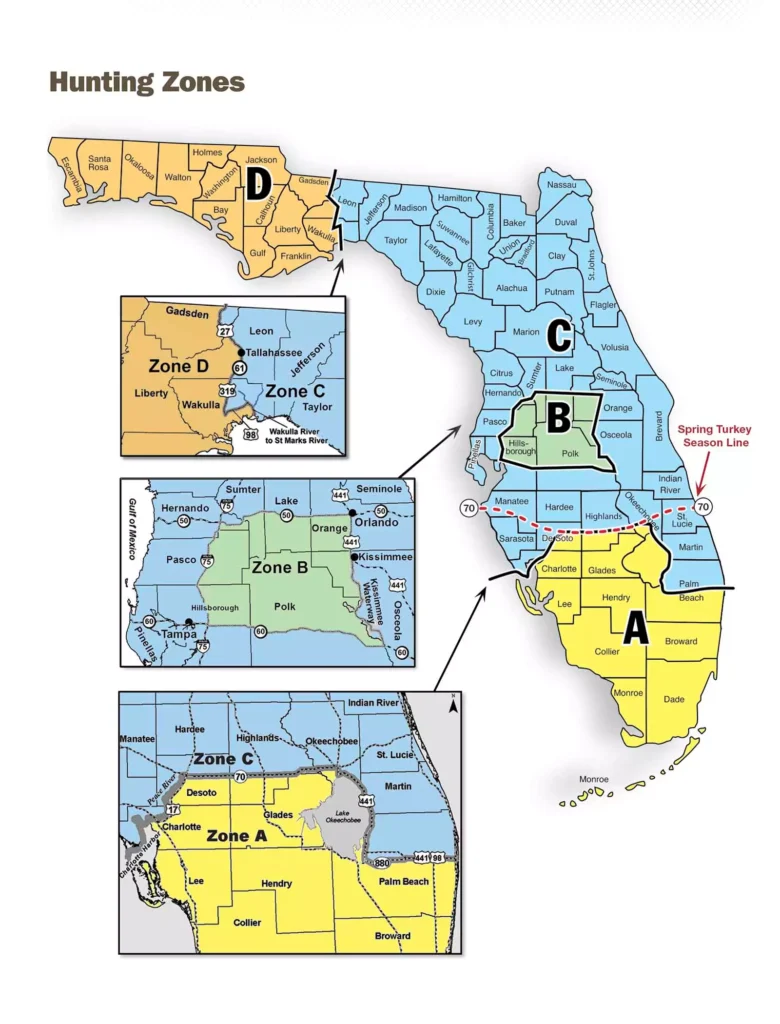
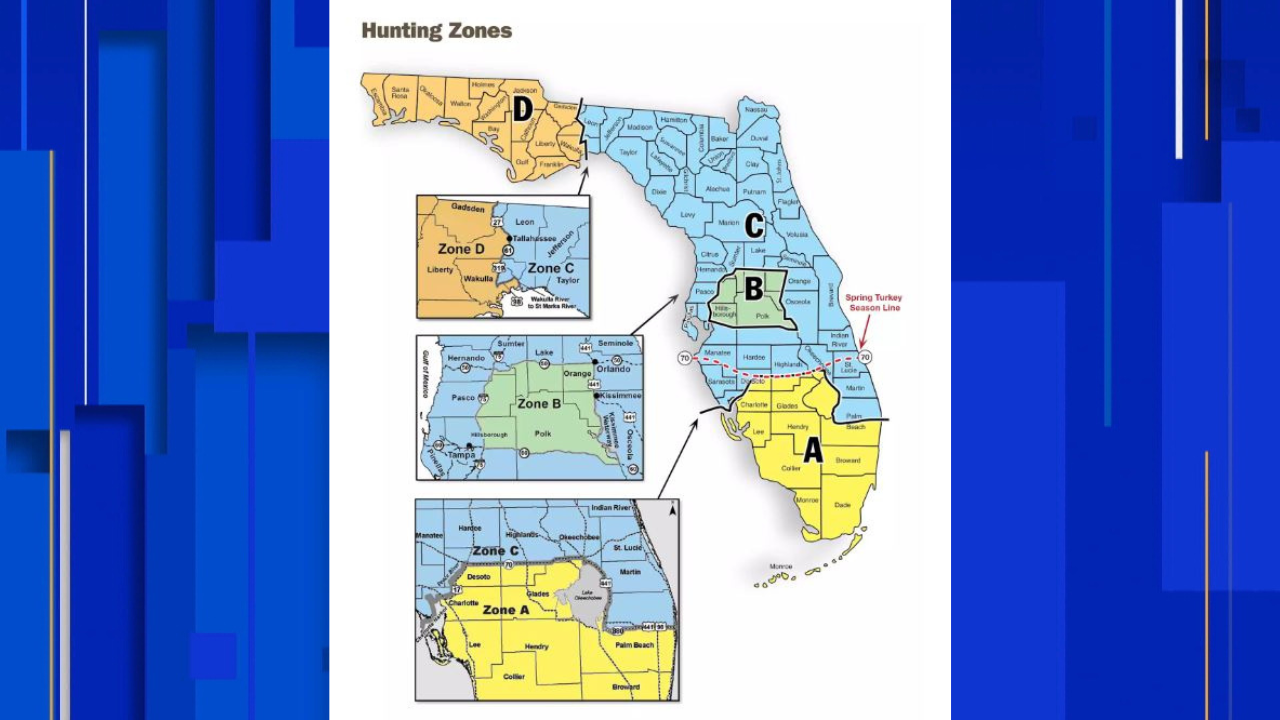
Florida’s expansive and diverse landscape, stretching from temperate northern forests to subtropical southern wetlands, necessitates a zoned approach to wildlife management. This strategic division helps the Florida Fish and Wildlife Conservation Commission (FWC) effectively manage deer populations, accounting for variations in habitat, deer density, and breeding cycles across the state. For 2024, as in previous years, deer hunting seasons will be structured around three primary zones: the Northwest Zone, the Central Zone, and the South Zone. Each zone has its own set of opening and closing dates for various hunting methodologies, making it crucial for hunters to identify which zone applies to their intended hunting location.
Florida’s Distinct Hunting Zones
The segmentation of Florida into three hunting zones is not arbitrary; it’s a carefully considered biological and geographical delineation. The Northwest Zone encompasses the panhandle region, characterized by its rolling hills, pine forests, and a climate that more closely resembles the southeastern United States. Here, deer typically breed earlier, leading to earlier hunting seasons. Moving south, the Central Zone covers a vast expanse from the northern interior down to central Florida, featuring a mix of agricultural lands, forest fragments, and swampy areas. Deer breeding here generally occurs later than in the Northwest Zone, resulting in mid-range season dates. Finally, the South Zone encompasses the expansive territories south of Lake Okeechobee to the Everglades, defined by its subtropical climate and unique ecosystems. Deer in this zone typically breed the latest, pushing hunting seasons further into the year. Understanding these geographical and biological differences is the first step in planning any deer hunting excursion in Florida.
Key Dates for 2024 Deer Season by Method
While specific, definitive 2024 dates are officially announced by the FWC usually later in the preceding year or early in the hunting year, hunters can anticipate a similar season structure to previous years. The FWC maintains a consistent framework that includes Archery Season, Crossbow Season, Muzzleloading Gun Season, and General Gun Season.
- Archery Season: Typically the earliest season, often starting in late July or August in the South Zone, stretching through September and sometimes into October in the more northern zones. This season offers a primitive weapon challenge, demanding skill and stealth.
- Crossbow Season: Often runs concurrently with or immediately following Archery Season, providing hunters with another primitive weapon option that has gained popularity for its accessibility.
- Muzzleloading Gun Season: Generally follows the Archery/Crossbow seasons, offering a unique blend of traditional firearm hunting with a distinct challenge. Dates typically fall in October or November, depending on the zone.
- General Gun Season: This is the longest and most popular season, allowing for the use of modern firearms. It usually opens in late October or early November in the Northwest Zone, extending through December and into January in the Central and South Zones.
It is imperative for all hunters to consult the official 2024-2025 Florida Hunting Regulations handbook, published by the FWC, for the precise and most up-to-date dates specific to each zone and hunting method. This official publication is the ultimate authority for all hunting regulations in the state.
Essential Regulations and Licensing for a Legal Hunt
Participating in Florida’s deer season requires more than just knowing the dates; it demands a thorough understanding and adherence to the state’s comprehensive hunting regulations and licensing requirements. The FWC is meticulous in its efforts to ensure sustainable wildlife populations and safe hunting practices, making proper licensing and knowledge of the rules non-negotiable for anyone venturing into the field.
Licensing Requirements for Florida Deer Hunters
Before setting foot in any hunting area, every hunter must possess the appropriate licenses and permits. For deer hunting in Florida, this typically includes a valid Florida Hunting License, a Deer Permit, and in some cases, a Management Area Permit (if hunting on Wildlife Management Areas).
- Florida Hunting License: This foundational license is required for all hunters. Residents and non-residents have different fee structures, and various annual or multi-year options are available.
- Deer Permit: This is an additional permit specifically required to harvest deer. It ensures that hunters contribute directly to deer management efforts.
- Wildlife Management Area (WMA) Permit: Many prime hunting spots are located within WMAs, which often require this specific permit in addition to the general hunting license and deer permit. Some WMAs may also have quota hunts requiring a special application and drawing.
- Hunter Safety Certification: Hunters born on or after June 1, 1971, must successfully complete a hunter safety course before purchasing a Florida hunting license, unless they are supervised by a licensed hunter over 21 years of age.
All licenses and permits can typically be purchased online through the FWC website, at county tax collector’s offices, or at most retail outlets that sell hunting and fishing supplies. It’s crucial to purchase them well in advance of the planned hunt.
Bag Limits, Antlerless Deer, and Ethical Practices
Florida implements specific bag limits to manage deer populations sustainably. Generally, the statewide bag limit for deer is two per day and a maximum of five per annual license year. However, specific daily and season limits can vary on WMAs, so consulting the WMA regulations is vital.
- Antlered Deer: Most regulations focus on antlered bucks, often with minimum antler size or number of points requirements, particularly on public lands.
- Antlerless Deer: Harvesting antlerless deer (does) is often restricted and typically requires an antlerless deer permit, which may be limited by specific dates or zones. This measure is critical for population control and herd health. Hunters must clearly identify their target to ensure they are compliant with these regulations.
- Ethical Hunting: Beyond legal requirements, ethical hunting practices are paramount. This includes proper game identification, taking clean shots, tracking wounded game diligently, and respecting private property and other outdoor enthusiasts. The FWC strongly advocates for responsible hunting that upholds the integrity of the sport and ensures humane treatment of wildlife.
Where to Hunt: Public and Private Land Opportunities in Florida
Florida offers a diverse array of hunting opportunities, spanning both extensive public lands managed for wildlife and numerous private land holdings. Each presents unique challenges and rewards, catering to different preferences and levels of commitment. Understanding where you can hunt is just as important as knowing when and how.
Florida’s Wildlife Management Areas (WMAs)
The backbone of public land hunting in Florida is its vast network of Wildlife Management Areas (WMAs). These areas are specifically managed by the FWC to conserve wildlife and provide public access for recreational activities, including hunting. Florida boasts over 6 million acres of public hunting lands, making it one of the leading states for public access.
- Diverse Habitats: WMAs range from the dense swamps of the Everglades and the Big Cypress National Preserve to the pinewoods of Osceola National Forest and Apalachicola National Forest, and the diverse ecosystems of the Green Swamp WMA. This variety means hunters can choose terrain and conditions that best suit their hunting style.
- Specific Regulations: Each WMA operates under its own specific set of regulations, often differing from statewide rules regarding season dates, bag limits, allowed weapons, and access methods. Many WMAs utilize quota hunts, requiring hunters to apply for a limited number of permits through a lottery system. This manages hunting pressure and ensures quality experiences.
- Research is Key: Before planning a hunt on a WMA, thoroughly research the specific area’s rules and permit requirements using the FWC website or the current hunting regulations handbook. Detailed maps and brochures for each WMA are invaluable resources.
Private Land Opportunities
For many hunters, private land offers a more controlled and potentially less crowded hunting experience. Florida has significant private land holdings, much of which is leased for hunting.
- Lease Agreements: Many landowners lease hunting rights to individuals or clubs. These leases can range from short-term agreements for a single season to multi-year contracts. Hunting on leased land often comes with fewer restrictions than WMAs, though statewide regulations still apply.
- Landowner Permission: Obtaining direct permission from a landowner to hunt their property is another option. This often requires establishing a good relationship with the property owner and respecting their land and rules implicitly. Written permission is always advisable.
- Hunting Preserves and Outfitters: Florida is also home to numerous private hunting preserves and outfitters that offer guided deer hunts. These operations often provide lodging, meals, guides, and guaranteed access to well-managed deer populations, ideal for those seeking a more curated hunting experience or for non-residents unfamiliar with the terrain. While potentially more expensive, they can offer high success rates and valuable local expertise.
Preparing for a Successful and Safe Deer Hunt in Florida
A successful deer hunt in Florida goes far beyond just knowing the dates and regulations; it involves thorough preparation, an emphasis on safety, and a deep respect for both the environment and the game. The unique climate and terrain of Florida present specific considerations that hunters must address to ensure an enjoyable and ethical experience.
Gear and Equipment Checklist for Florida’s Environment
Florida’s environment can be demanding, characterized by heat, humidity, thick vegetation, and potential encounters with diverse wildlife. Proper gear is essential.
- Appropriate Clothing: Lightweight, breathable, moisture-wicking clothing in camouflage patterns is critical. Consider snake boots or gaiters for protection in dense underbrush. Hunter orange is mandatory during general gun season on public lands and highly recommended on private lands.
- Navigation Tools: A reliable GPS device or smartphone with mapping capabilities, along with a traditional compass and paper map, is indispensable, especially in vast WMAs or unfamiliar private lands.
- Hydration and Nutrition: Carry ample water, especially during early seasons when temperatures are high. Electrolyte-rich drinks and high-energy snacks are also vital.
- First-Aid Kit: A comprehensive first-aid kit, including snakebite treatment supplies, insect repellent, and sun protection, should always be part of your pack.
- Game Processing Supplies: Field dressing knives, game bags, and a way to quickly cool harvested game are crucial, particularly in warmer climates where spoilage can occur rapidly.
- Weapon and Ammunition: Ensure your chosen firearm, bow, or crossbow is well-maintained, sighted in, and that you have sufficient and appropriate ammunition for your hunt.
Safety First: Best Practices and Awareness
Safety should always be the hunter’s top priority, both for themselves and for others in the field.
- Firearm Safety: Adhere strictly to the four fundamental rules of firearm safety: treat every firearm as if it’s loaded, always point the muzzle in a safe direction, be sure of your target and what’s beyond it, and keep your finger off the trigger until ready to shoot.
- Know Your Hunting Area: Familiarize yourself with the terrain, potential hazards, and boundaries of your hunting location. Be aware of other hunters, especially on public lands.
- Communicate Your Plans: Inform someone reliable of your hunting location, expected return time, and who to contact in case of an emergency.
- Wildlife Awareness: Be mindful of other wildlife, including venomous snakes, alligators, and wild hogs, which are common in many Florida hunting areas.
- Weather Monitoring: Florida weather can change rapidly. Monitor forecasts for thunderstorms, extreme heat, or sudden cold fronts, and be prepared to adjust your plans accordingly.
Conclusion: Embracing Florida’s 2024 Deer Season
Florida’s 2024 deer season promises to be another exciting opportunity for hunters to engage with nature, test their skills, and harvest sustainable game. By diligently researching the specific dates for the Northwest, Central, and South Zones as released by the FWC, understanding the licensing and bag limit requirements, and selecting appropriate hunting grounds, enthusiasts can embark on a well-prepared and ethical adventure. Whether navigating the expansive Wildlife Management Areas or exploring opportunities on private lands, respect for wildlife and adherence to safety protocols remain paramount. Florida’s diverse ecosystems offer a unique backdrop for deer hunting, challenging hunters with its subtropical environment while rewarding them with a profound connection to the outdoors. Prepare thoroughly, hunt responsibly, and experience the thrill of the chase in one of America’s most captivating hunting destinations.
LifeOutOfTheBox is a participant in the Amazon Services LLC Associates Program, an affiliate advertising program designed to provide a means for sites to earn advertising fees by advertising and linking to Amazon.com. Amazon, the Amazon logo, AmazonSupply, and the AmazonSupply logo are trademarks of Amazon.com, Inc. or its affiliates. As an Amazon Associate we earn affiliate commissions from qualifying purchases.