
Understanding Alabama’s Deer Seasons: A Hunter’s Tourism Guide
For outdoor enthusiasts planning a hunting trip to the Heart of Dixie, understanding the intricacies of Alabama’s deer season is paramount. This knowledge is not just about compliance; it’s the foundation of a successful and memorable tourism experience focused on one of the state’s most popular recreational activities. Alabama offers a generous deer season, often extending from mid-November through late January or early February, providing ample opportunity for both resident and non-resident hunters to engage with its rich wildlife. However, the exact closing dates are dynamic, varying annually based on regulatory adjustments by the Alabama Department of Conservation and Natural Resources (ADCNR) and by specific hunting zone, weapon type, and even the type of land (private versus public Wildlife Management Areas).
Key Dates by Zone and Weapon
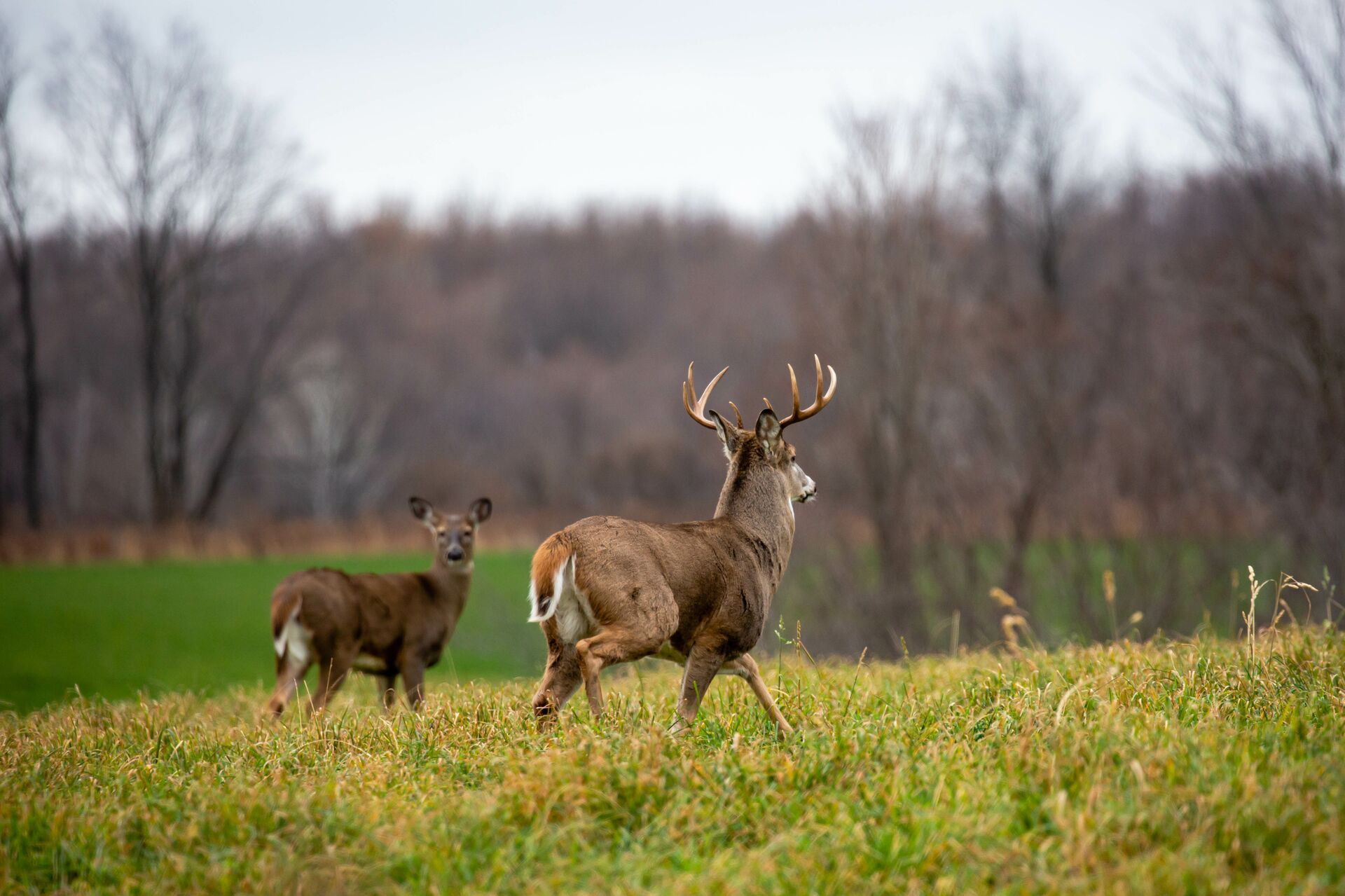
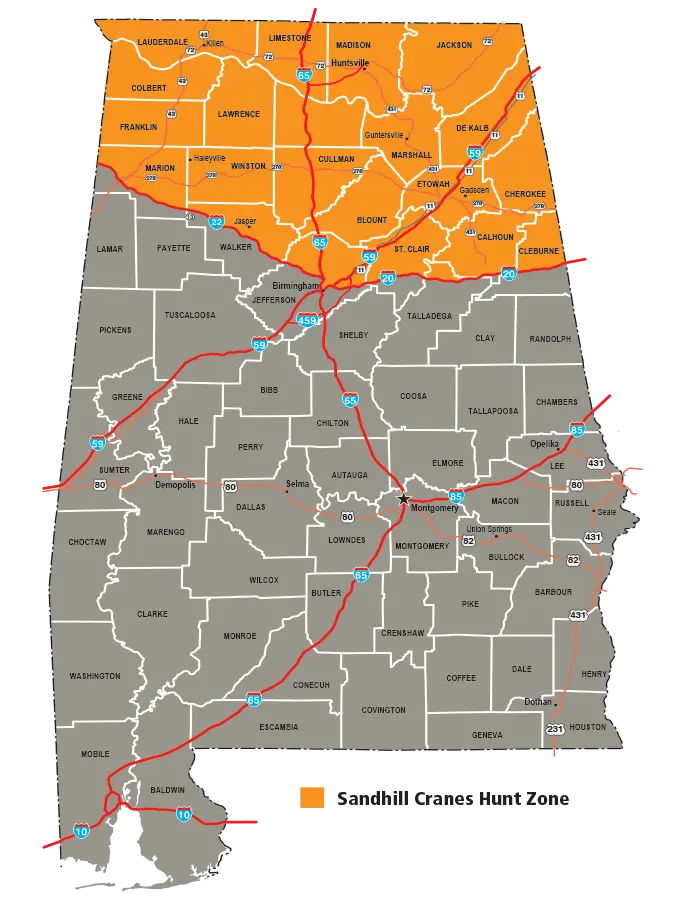
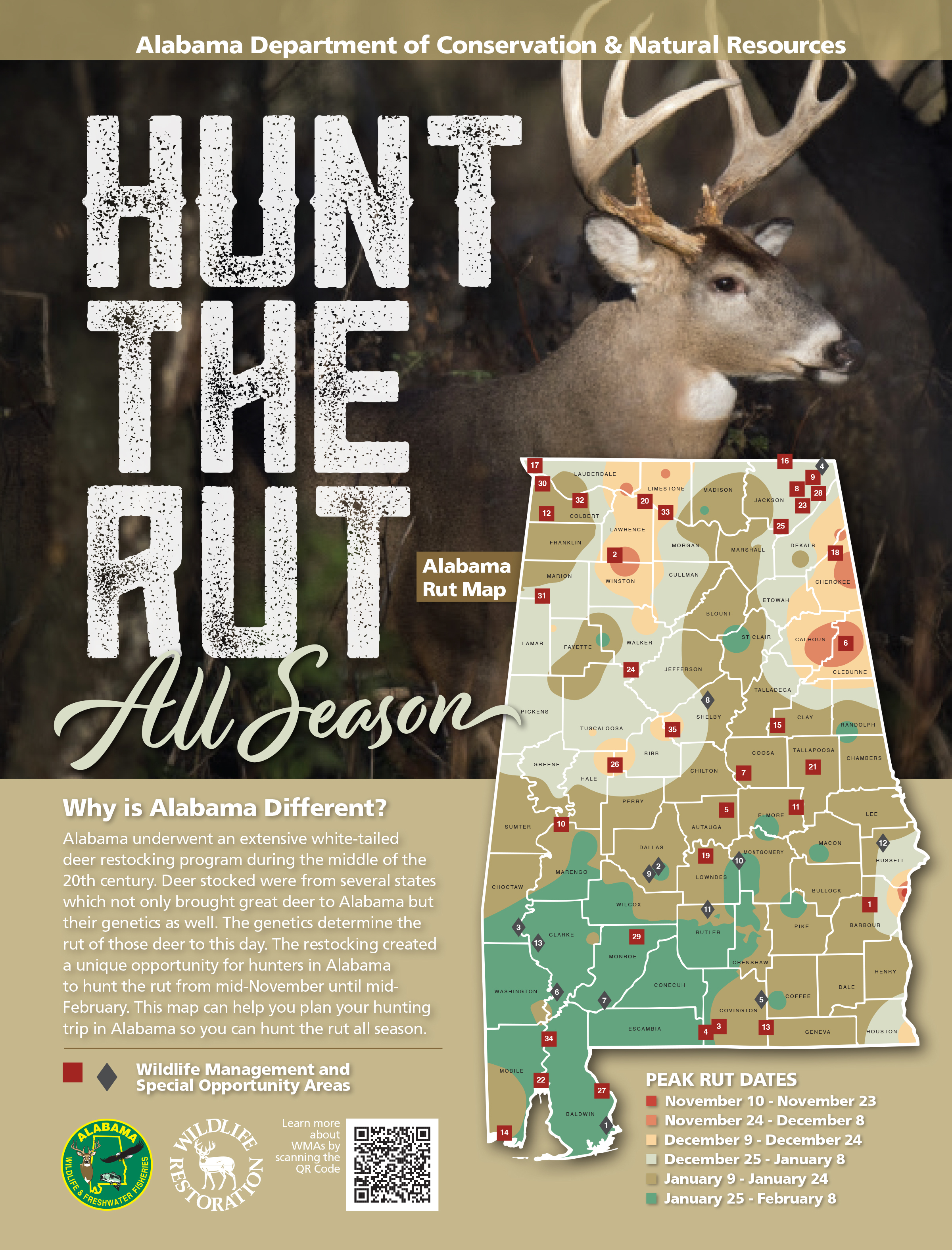
Alabama is divided into several zones, primarily a North Zone and a South Zone, which can have slightly different season start and end dates. Generally, archery season commences first, typically in mid-October, followed by gun/primitive weapons season in mid-November. The gun season for Whitetail Deer often concludes around January 31st in the North Zone and February 10th in the South Zone, but these dates are subject to change and hunters must consult the current year’s official ADCNR regulations. Special seasons, such as those for muzzleloaders or youth hunts, may also have unique windows. For instance, specific Wildlife Management Areas (WMAs) like the William R. Ireland, Sr. – Cahaba River Wildlife Management Area or Lowndes Wildlife Management Area will publish their own detailed schedules, which might differ slightly from statewide general regulations, adding another layer of planning for visiting hunters.
Species-Specific Regulations
While the primary focus is Whitetail Deer, Alabama’s deer season regulations often coincide with opportunities to hunt other species that contribute to a broader tourism offering. Feral hogs, for example, can typically be hunted year-round on private lands with a hunting license, as they are considered an invasive species. This provides an excellent bonus activity for deer hunters and extends the potential for outdoor engagement beyond the official deer season end dates. Understanding bag limits, antler restrictions (e.g., specific antler points required for bucks), and harvest reporting requirements is crucial for all hunters. These regulations are designed to manage wildlife populations responsibly and ensure sustainable hunting opportunities for future tourists. Before embarking on any hunting trip, visitors are strongly advised to download the latest ADCNR Hunting and Fishing Digest or check their official website for the most up-to-date and precise information.
Essential Preparations for Your Alabama Hunting Trip
A well-prepared hunting trip to Alabama transforms a mere activity into a comprehensive tourism experience. Beyond knowing the season dates, careful planning for logistics, permits, and local support ensures a smooth and enjoyable visit. Alabama’s diverse landscapes, from the Appalachian foothills in the north to the coastal plains in the south near Mobile, offer varying terrains and hunting challenges, making preparation all the more critical for tourists.
Licensing and Permits
Non-resident hunters are required to purchase an Alabama non-resident hunting license. This can often be bought online through the ADCNR website, at probate offices, or from various license retailers across the state. Depending on the length of your stay, options for annual or specific-period licenses (e.g., 3-day or 7-day) are available. Additionally, a Harvest Information Program (HIP) certification is mandatory for hunting migratory birds, though not directly for deer. If you plan to hunt on a Wildlife Management Area (WMA), an WMA license is typically required in addition to the statewide hunting license. Some WMAs may also necessitate special permits or have drawing systems for specific hunts, so researching your chosen WMA well in advance is essential for a seamless tourism experience.
Lodging and Local Services
Visiting hunters have a range of accommodation options. For those seeking convenience, many towns close to prime hunting areas, such as Greenville, Livingston, or Demopolis, offer hotels and motels. Alternatively, cabin rentals, often found near state parks or private hunting leases, provide a more immersive experience. For the ultimate hunting-focused stay, many outfitters and private hunting lodges offer all-inclusive packages that include lodging, meals, and guided hunts. These establishments cater specifically to the hunting tourism market, providing amenities like game processing facilities and dog kennels. Local gear shops, grocery stores, and restaurants in towns like Huntsville, Montgomery, or Dothan are vital resources for supplies and local flavor, contributing to the overall tourist experience.
Guided Hunts and Outfitters
For those unfamiliar with Alabama’s terrain or seeking a higher success rate, booking a guided hunt through an outfitter is a popular tourism choice. Outfitters typically provide access to prime private land, experienced guides who understand local deer movements, stands, and often transportation within the hunting area. They can simplify the planning process significantly, handling everything from scouting to game retrieval. Reputable outfitters can be found through online searches, hunting forums, or by contacting the Alabama Wildlife Federation. When selecting an outfitter, it’s advisable to check reviews, inquire about their success rates, and ensure they are properly licensed and insured to guarantee a safe and ethical tourism experience.
Beyond the Hunt: Exploring Alabama’s Natural Beauty
While deer hunting is a significant draw, a trip to Alabama offers far more than just time in a deer stand. Integrating other recreational and cultural activities enhances the overall tourism experience, allowing visitors to appreciate the state’s diverse natural beauty and rich heritage. Extending your stay to explore the surrounding areas can turn a focused hunting trip into a multifaceted adventure.
State Parks and Wildlife Management Areas
Alabama boasts a remarkable network of State Parks and WMAs that offer abundant opportunities for outdoor recreation year-round, even after deer season concludes. Places like Oak Mountain State Park near Birmingham provide extensive hiking and biking trails, fishing lakes, and even golf courses. Further south, the Gulf State Park offers stunning beaches along Gulf Shores and Orange Beach, pier fishing, and kayaking. Many WMAs, beyond their hunting potential, are excellent for bird watching, photography, and general wildlife viewing during off-peak times. These areas are carefully managed for conservation, providing pristine environments for visitors to connect with nature, complementing the hunting aspect of a tourism package.
Local Flavors and Communities
Alabama’s charm extends to its vibrant local communities and distinctive culinary scene. From the bustling college towns of Auburn and Tuscaloosa with their spirited atmospheres to historic cities like Selma and Florence offering deep dives into American history and music, there’s always something to explore. Post-hunt, savoring traditional Southern comfort food, fresh Gulf seafood, or Alabama’s legendary barbecue is a must. Farmers’ markets, local festivals, and artisan craft shops provide opportunities to engage with local culture and bring home unique souvenirs. Engaging with these local elements enriches the tourism experience, transforming a simple hunting trip into a cultural immersion that highlights the true essence of Alabama.
Responsible Tourism: Conservation and Ethical Hunting
As a tourist engaging in hunting, embracing responsible practices is not just a recommendation but an imperative. Ethical hunting and adherence to conservation principles ensure the long-term viability of Alabama’s wildlife populations and preserve the natural beauty that attracts visitors. This commitment forms a crucial part of sustainable tourism and reflects positively on the hunting community.
Wildlife Management Initiatives
Alabama’s extensive deer seasons and bag limits are a testament to successful wildlife management programs enacted by the ADCNR. These programs rely on scientific data collection, habitat preservation efforts, and hunter participation in harvest reporting. When visiting, hunters contribute directly to these initiatives through license fees, which fund conservation projects, and by accurately reporting their harvests. This data helps biologists monitor deer populations, assess herd health, and adjust regulations as needed, ensuring that hunting remains a sustainable and ecologically sound tourism activity for future generations. Supporting local conservation groups and understanding the role of organizations like the Alabama Wildlife Federation further enhances a responsible tourist’s impact.
Safety Guidelines
Safety is paramount in any hunting tourism endeavor. All hunters, whether seasoned or novice, should prioritize adherence to firearm safety rules, wear appropriate blaze orange clothing (where required), and be aware of their surroundings. Understanding property boundaries, communicating with fellow hunters, and having a clear plan for emergency situations are non-negotiable aspects of a safe hunting trip. Many WMAs and private lands require specific safety protocols, such as mandatory tree stand safety harnesses. By following these guidelines, hunters not only protect themselves but also contribute to a positive image of hunting tourism, ensuring that Alabama remains a welcoming and secure destination for outdoor pursuits. Respecting the land, wildlife, and local communities ultimately elevates the entire tourism experience.
LifeOutOfTheBox is a participant in the Amazon Services LLC Associates Program, an affiliate advertising program designed to provide a means for sites to earn advertising fees by advertising and linking to Amazon.com. Amazon, the Amazon logo, AmazonSupply, and the AmazonSupply logo are trademarks of Amazon.com, Inc. or its affiliates. As an Amazon Associate we earn affiliate commissions from qualifying purchases.