
The question of when deer season concludes in the vast and diverse landscapes of Texas is a pivotal one for hunters across the Lone Star State. While the thrill of the chase and the pursuit of the majestic white-tailed deer are year-round considerations for many, the legal framework surrounding hunting seasons dictates the actual opportunities afield. These seasons are meticulously established by the Texas Parks and Wildlife Department (TPWD) to ensure sustainable wildlife populations and to balance recreational hunting with conservation efforts. Understanding these dates is not just a matter of legality; it’s fundamental to responsible and successful hunting.

The duration and specific dates for deer season can vary significantly within Texas due to the state’s diverse ecological zones and the varying needs of different deer populations. These variations are often dictated by the management units, or “wildlife management areas,” that TPWD designates. Each area might have slightly different opening and closing dates to account for factors like deer density, habitat conditions, and the success of previous hunting seasons. Therefore, a hunter venturing into the Piney Woods of East Texas might find themselves with a different hunting calendar than someone pursuing deer in the rugged Hill Country or the vast plains of West Texas.
Understanding Texas Deer Hunting Regulations
The intricate web of regulations governing deer hunting in Texas is designed with a dual purpose: to protect and manage the deer population and to provide a structured and ethical hunting experience for enthusiasts. These regulations are not static; they are reviewed and updated annually based on scientific data, public input, and the ongoing assessment of game populations. For any hunter, staying informed about the latest rules and seasons is paramount.
The Role of the Texas Parks and Wildlife Department
The Texas Parks and Wildlife Department serves as the primary authority responsible for setting and enforcing hunting regulations in the state. Their biologists and wildlife managers conduct extensive research and monitoring to determine appropriate season lengths, bag limits, and any special provisions that might be necessary for specific areas or deer subspecies. This data-driven approach ensures that hunting remains a viable tool for wildlife management rather than a threat to conservation.
The TPWD website is an indispensable resource for hunters, providing detailed information on current regulations, season dates, and hunting licenses. It’s crucial for hunters to consult these official sources before planning any hunting excursions to avoid any legal complications. Ignorance of the law is not a defense, and adhering to the established seasons and limits is a hunter’s responsibility.
Deer Management Units and Their Impact on Season Dates
Texas is divided into several distinct deer management units (DMUs). These units are established based on geographical similarities in deer populations, habitat, and historical hunting pressure. The TPWD uses these DMUs to implement region-specific regulations, including hunting season dates.
For instance, the North Texas region might have different season openers and closers than the South Texas region, where the climate and vegetation can support different deer breeding cycles and growth rates. Similarly, the Trans-Pecos region, with its arid environment and unique subspecies like the desert bighorn sheep (though this article focuses on deer, the principle of regional management applies), will have its own set of considerations that influence deer season timing.
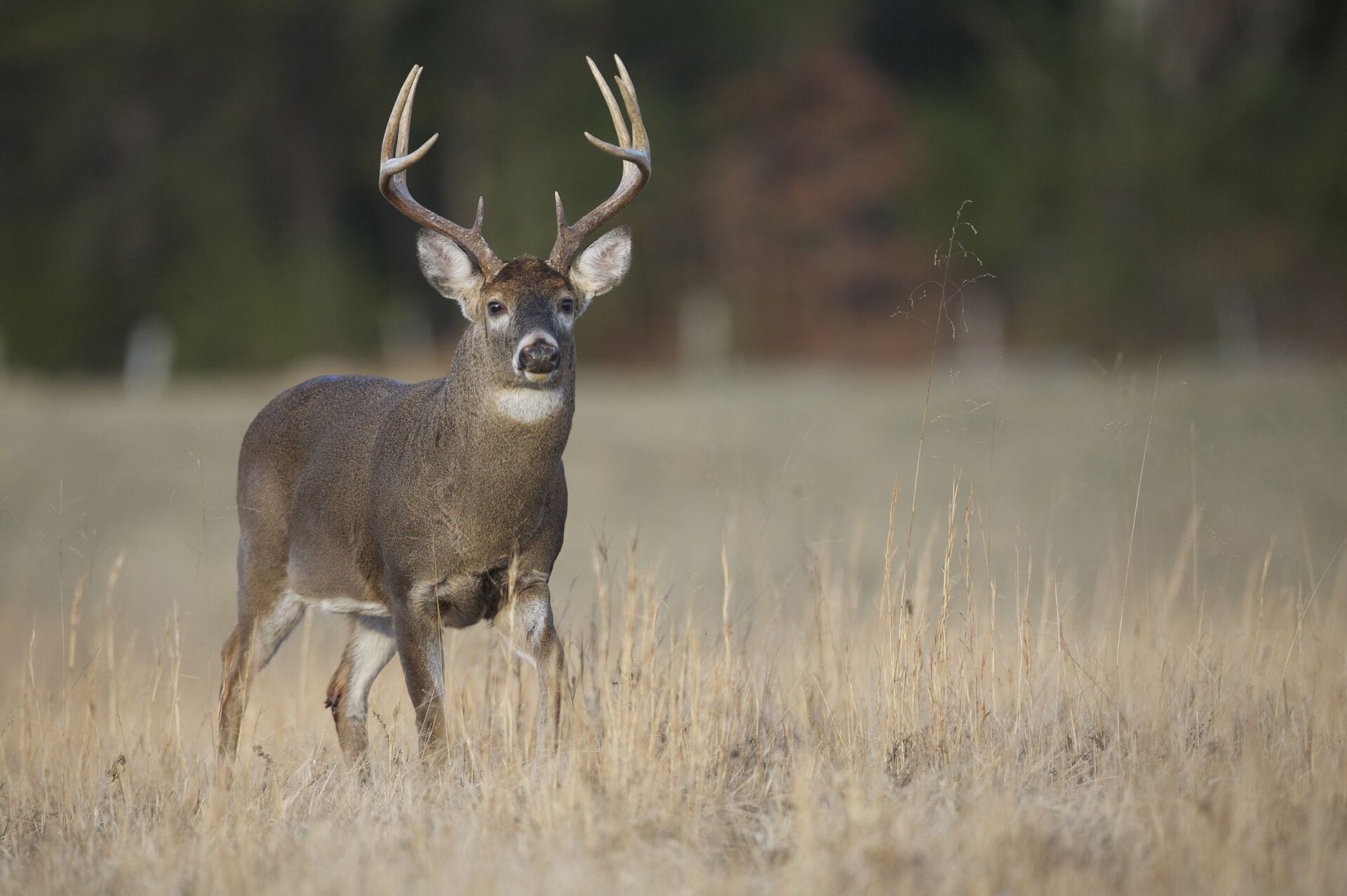
The most common deer subspecies hunted in Texas is the white-tailed deer. However, the mule deer, primarily found in West Texas, also has its own specific seasons and regulations, often aligning with the general deer season framework but with potential regional adjustments.
Navigating the Deer Season Calendar
The general deer season in Texas typically opens in early November and extends through January. However, this broad timeframe is further refined by specific regulations for different weapon types and management areas. Understanding these nuances is key to maximizing your hunting opportunities legally and effectively.
Archery Season: The Early Opportunity
For many dedicated hunters, the archery season represents the unofficial start of deer season. This period, which begins earlier than the general firearm season, allows hunters to pursue deer with bows and arrows. The archery season typically opens in late September or early October and runs until the beginning of the regular firearm season. This extended period offers a valuable opportunity to hunt deer before the increased pressure of firearm hunters enters the field. It also appeals to those who appreciate the challenge and traditional aspect of bowhunting. The TPWD often sets specific bag limits and regulations for archery season, which may differ from the firearm season.
Regular Firearm Season: The Main Event
The regular firearm season is what most people associate with deer hunting in Texas. This season usually commences in early November and generally concludes in mid-January. However, the exact closing date can vary by DMU. Some areas might close in late December, while others extend into the new year. This extension in some regions is often to accommodate local conditions or to allow for a more extended hunting period in areas with robust deer populations. It’s essential for hunters to consult the TPWD’s official regulations for the specific county or DMU they plan to hunt in to confirm the precise closing date.
Special Youth Hunts: Cultivating the Next Generation
Recognizing the importance of introducing young people to the outdoors and hunting traditions, Texas offers special youth-only seasons. These seasons typically occur before the regular statewide archery or firearm seasons. For example, there are often designated weekends in October or early November where only licensed hunters under the age of 17 can hunt deer. This initiative aims to provide a safe and less crowded environment for young hunters to gain experience and develop a connection with nature. The specific dates for these youth hunts are also published annually by the TPWD.

Late Season Hunting: The Final Push
In some parts of Texas, a late season for deer hunting is also designated. This period usually follows the end of the regular firearm season and can extend into late January or even early February in specific areas. The late season can be a challenging but rewarding time to hunt, as deer may be more actively seeking food after the rut and winter conditions. Again, the availability and specific dates for late season hunting are subject to regional regulations and are clearly outlined in the TPWD’s official hunting guides.
Factors Influencing Season End Dates
The decision to end deer season on a particular date is not arbitrary. It is the culmination of extensive research and management considerations aimed at ensuring the long-term health and sustainability of Texas’s deer populations.
Population Dynamics and Harvest Data
One of the most significant factors influencing season dates is the current state of deer populations. Biologists closely monitor deer numbers, age structure, and health across the state. Harvest data, collected through hunter surveys and check stations, provides crucial insights into the effectiveness of the current hunting regulations. If data indicates that deer populations are stable or increasing in a particular area, seasons might be extended. Conversely, if populations are declining or exhibiting signs of stress, seasons may be shortened or bag limits reduced.
Habitat Conditions and Food Availability
The health of the deer population is intrinsically linked to the quality of their habitat and the availability of food. Drought conditions, for example, can impact deer health and reproductive success, influencing management decisions regarding hunting seasons. In areas where habitat is stressed, TPWD might opt for shorter seasons or reduced bag limits to give the deer population a better chance to recover and thrive. Conversely, in areas with abundant food sources and healthy vegetation, longer seasons might be permissible.
The Rut and Breeding Cycles
The timing of the deer rut, the period when deer are actively breeding, is a critical consideration. Hunting seasons are often designed to avoid the peak of the rut to allow for successful reproduction. However, some regulations might allow for hunting during parts of the rut to manage populations and provide hunting opportunities. The end of the season is often determined by when the majority of the breeding activity is believed to have concluded, ensuring minimal disruption to the reproductive cycle.
Regional Ecological Differences
As mentioned earlier, Texas’s vast size encompasses a wide range of ecological zones. The arid West Texas, the lush Piney Woods of East Texas, the rolling hills of Central Texas, and the coastal plains all present unique environmental conditions that affect deer behavior, breeding, and population dynamics. These regional differences necessitate tailored hunting season dates. For example, the breeding season for deer might occur at slightly different times in South Texas compared to North Texas due to variations in temperature and photoperiod. TPWD takes these ecological nuances into account when establishing DMUs and setting season dates to ensure effective management across the entire state.
Preparing for the End of Deer Season
As deer season draws to a close, hunters often find themselves making final plans to maximize their last opportunities in the field. This period can be particularly productive as deer may be more focused on feeding to replenish energy reserves after the rut.
Last-Minute Scouting and Strategy
With the season nearing its end, effective scouting becomes even more crucial. Understanding deer movement patterns and identifying active feeding areas can significantly increase the chances of a successful hunt. Hunters might focus on food plots, agricultural fields, or natural foraging areas where deer are likely to congregate. Employing strategies that are quieter and less disruptive, such as still-hunting or using elevated stands strategically located near feeding zones, can be particularly effective during the final days of the season.
Game Processing and Preservation
For those fortunate enough to harvest a deer, timely and proper game processing is essential, especially as temperatures can still be mild in many parts of Texas even in January. Understanding how to field dress, transport, and prepare the meat for consumption or preservation is a critical skill for any hunter. This includes knowing how to cool the carcass quickly, skin it, and butcher it efficiently. Many hunters choose to have their game professionally processed, and it’s advisable to book these services in advance, especially towards the end of the season when processors are often busy.
Ethical Hunting and Respect for Regulations
As the season winds down, it’s imperative for hunters to remain committed to ethical practices and strict adherence to all regulations. This means respecting bag limits, ensuring clean shots, and properly identifying game before taking a shot. It also means being mindful of the closing dates for specific zones or weapon types. The end of deer season marks a time for reflection on the hunting experience, gratitude for the opportunities, and a renewed commitment to the principles of conservation and responsible sportsmanship for the seasons to come. The sustainable management of Texas’s deer populations relies on the diligence and integrity of every hunter.
LifeOutOfTheBox is a participant in the Amazon Services LLC Associates Program, an affiliate advertising program designed to provide a means for sites to earn advertising fees by advertising and linking to Amazon.com. Amazon, the Amazon logo, AmazonSupply, and the AmazonSupply logo are trademarks of Amazon.com, Inc. or its affiliates. As an Amazon Associate we earn affiliate commissions from qualifying purchases.