
For many outdoor enthusiasts and sportsmen, the arrival of dove season in Alabama marks the unofficial start of fall and a cherished tradition that draws visitors from across the region. More than just a hunting opportunity, dove season is a significant tourism driver, bringing together communities, fostering local economies, and offering a unique rural experience steeped in Southern culture. From the thrill of the hunt to the camaraderie of post-hunt gatherings, understanding when and how to participate is key to experiencing this beloved activity in the Heart of Dixie. This guide delves into the specifics of Alabama’s dove season, providing essential information, tips, and insights for anyone planning to partake in this quintessential Southern outdoor adventure.
Understanding Alabama’s Dove Seasons and Zones
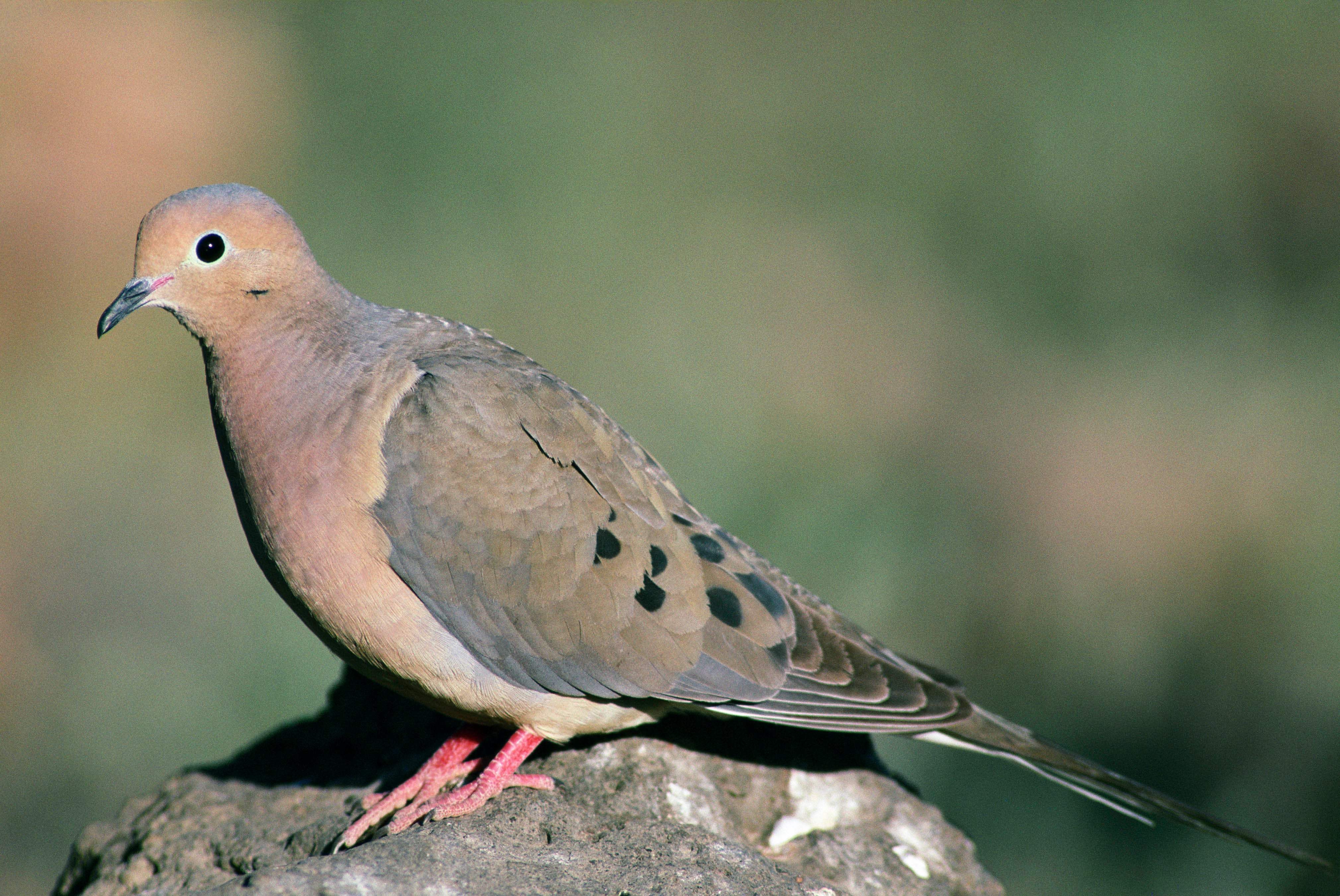
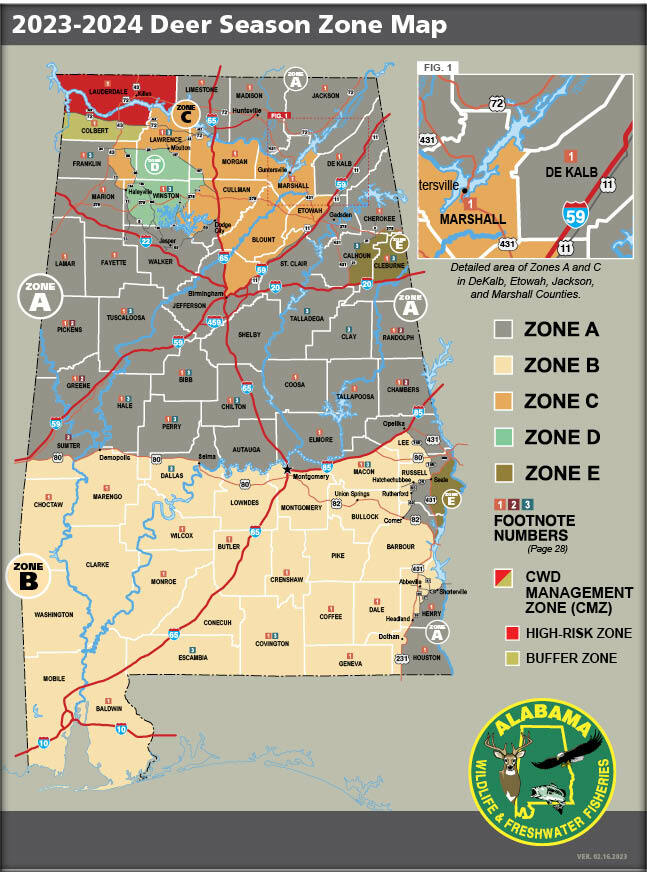
Alabama’s dove season is structured to provide ample opportunity for hunters while ensuring sustainable wildlife management. Unlike some other game, dove season is generally statewide, meaning hunters do not need to worry about complex zone boundaries within Alabama itself. However, the season is typically divided into three distinct phases, each with specific dates that hunters must observe.
Key Season Dates
The specific dates for dove season can vary slightly year to year, as they are set annually by the Alabama Department of Conservation and Natural Resources ( ADCNR) in coordination with federal guidelines for migratory bird hunting. However, the general structure remains consistent:
- First Split (Early September to Mid-September): This is the most anticipated and often the busiest period. It typically opens around the first Saturday of September and runs for about two weeks. This early split capitalizes on local dove populations before significant migrations occur. For many, the Labor Day weekend is synonymous with opening day, making it a prime time for family and friends to gather.
- Second Split (Early October to Late October): After a brief hiatus, the season reopens, usually in early to mid-October. This split often coincides with cooler weather and potentially new waves of migrating doves moving through the state. While perhaps less frenzied than the opener, this period can offer excellent hunting, particularly in areas with good food sources.
- Third Split (Late November to Early January): The final segment of dove season typically spans from late November through the holiday season, often concluding in early January. This split can be characterized by colder temperatures and typically focuses on the last groups of doves wintering in Alabama. Success during this period often depends heavily on finding fields that still offer abundant food.
It is absolutely crucial for hunters and visitors to consult the official ADCNR Hunting and Fishing Digest or their website (outdooralabama.com) for the precise dates each year. These resources provide the most current and authoritative information.
Bag Limits and Legal Shooting Hours
To ensure fair chase and sustainable populations, strict bag limits and shooting hours are enforced. The typical daily bag limit for doves is 15 birds per hunter, with a possession limit of three times the daily bag limit (45 doves). Legal shooting hours generally begin one-half hour before sunrise and end at sunset during the regular season splits. For the first week of the first split, shooting hours may start at noon to reduce pressure on doves and allow for pre-hunt setup. Again, always verify these specifics with the current year’s ADCNR regulations, as they can sometimes have minor adjustments.
Essential Regulations and Licensing for Dove Hunters
Participating in Alabama’s dove season requires adherence to specific regulations and proper licensing. These requirements are in place to fund conservation efforts, ensure safety, and manage wildlife resources responsibly. For out-of-state visitors, understanding these prerequisites is fundamental to a hassle-free hunting trip.
Required Licenses and Stamps
Every hunter, resident or non-resident, must possess the correct documentation:
- Hunting License: A valid Alabama hunting license is mandatory. Non-residents will need to purchase a non-resident annual hunting license or a non-resident 3-day trip license. These can be purchased online through the ADCNR website, at probate offices, or at many retail sporting goods stores across the state.
- Harvest Information Program (HIP) Certification: Because doves are migratory birds, all dove hunters must register with the federal Migratory Bird Harvest Information Program ( HIP). This is a free certification obtained when purchasing your hunting license, and it involves answering a few simple questions about your previous year’s hunting success. The data collected helps wildlife managers make informed decisions about migratory bird populations.
- Alabama Migratory Bird Stamp: This state-specific stamp is required for all hunters pursuing migratory birds in Alabama, including doves. The revenue from this stamp directly supports migratory bird research and habitat conservation within the state.
Safety Guidelines and Hunter Education
Safety is paramount in any hunting activity. Alabama mandates hunter education for certain age groups, and best practices are encouraged for all.
- Hunter Education Certification: Any person born on or after August 1, 1977, must complete an approved hunter education course before purchasing an Alabama hunting license, unless exempt (e.g., hunting on your own land, possessing a valid hunting license from another state, or participating in the Hunting Mentorship Program).
- General Safety Practices: Always follow the cardinal rules of firearm safety: treat every firearm as if it were loaded, always point the muzzle in a safe direction, be sure of your target and what is beyond it, and keep your finger off the trigger until ready to shoot. Hearing protection and eye protection are highly recommended when dove hunting.
Prohibited Activities
Hunters must be aware of certain activities that are strictly prohibited and can result in severe penalties:
- Baiting: Hunting doves over a baited area is illegal. This includes placing grain or other food to attract doves. Normal agricultural practices are generally allowed, but any manipulation of crops specifically for hunting doves can be considered baiting.
- Unplugged Shotguns: Shotguns used for hunting migratory birds must be plugged to limit their capacity to no more than three shells (one in the chamber and two in the magazine).
- Lead Shot Restrictions: While lead shot is generally permissible for dove hunting, it’s crucial to be aware that some specific public hunting areas may require non-toxic shot. Always check the regulations for your chosen hunting location.
Finding the Best Dove Hunting Opportunities in Alabama
Alabama’s diverse landscape offers a variety of settings for dove hunting, from sprawling agricultural fields to managed public lands. Identifying prime locations is a critical part of planning a successful and enjoyable tourism experience.
Public Hunting Lands
The ADCNR manages numerous public lands, including Wildlife Management Areas ( WMAs), that offer dove hunting opportunities. Many of these areas plant specific crops like sunflowers, millet, or corn to attract doves.
- Wildlife Management Areas (WMAs): Popular WMAs such as Barbour WMA in Barbour County, Lowndes WMA in Lowndes County, and Mulberry Fork WMA in Walker County often manage dedicated dove fields. Access to these areas typically requires a WMA license, in addition to regular hunting licenses. Public dove fields can be competitive, especially on opening day, so arriving early is often advised.
- Special Public Hunts: Some public lands may offer draw hunts or limited quota hunts for doves to manage pressure and ensure quality experiences. Hunters should check the ADCNR website for announcements regarding these special opportunities.
Private Leases and Guided Hunts
For many, particularly those traveling from out of state, private land access or guided hunts offer a more structured and often less crowded experience.
- Private Leases: Many landowners in Alabama lease hunting rights for dove season, often planting large fields specifically for dove attraction. These leases can range from individual field access for a single day to season-long memberships. They often come with amenities like designated parking, cleaning stations, and organized shoot times.
- Guided Hunts and Outfitters: Numerous hunting outfitters and lodges throughout Alabama specialize in dove hunts. These operations often provide everything from prime field access and experienced guides to lodging, meals, and even bird dogs. This option is particularly attractive for those seeking a premium, all-inclusive tourism experience without the stress of finding their own spots. Towns like Prattville, Union Springs, and Eutaw are known for their proximity to excellent private hunting lands and associated services.
Scouting and Preparation
Regardless of whether you choose public or private land, successful dove hunting benefits from good scouting and preparation.
- Pre-Season Scouting: Observing dove flight patterns, feeding areas (often harvested grain fields, sunflower patches), and watering holes a few days before the season opens can significantly improve success.
- Equipment Check: Ensure your shotgun is clean and functional, and you have an adequate supply of appropriate ammunition (typically light loads of 7.5 or 8 shot). Camouflage or drab clothing is recommended, and a comfortable stool or bucket is essential for a long day in the field.
The Dove Hunting Experience: Beyond the Shotgun
Dove hunting in Alabama is far more than just bagging birds; it’s a social event, a cultural touchstone, and an economic engine for rural communities. It embodies a rich tradition that transcends the act of shooting.
Cultural Significance and Community
For many families in Alabama and the Southeast, opening day of dove season is an annual pilgrimage. It’s a time for generations to gather, share stories, and pass down outdoor traditions. The fields buzz not only with the sound of gunshots but also with laughter, friendly banter, and the barking of retrieving dogs. Post-hunt barbecues, fish fries, and gatherings are common, celebrating the day’s successes and reinforcing community bonds. This social aspect is a significant draw, making it a unique form of cultural tourism.
Economic Impact on Local Communities
The influx of hunters during dove season provides a substantial boost to local economies, particularly in rural areas. Visitors spend money on:
- Accommodation: Hotels, motels, and short-term rentals in nearby towns like Montgomery, Selma, or Dothan see increased bookings.
- Food and Dining: Restaurants, grocery stores, and convenience stores benefit from hunters and their families.
- Retail: Sporting goods stores, gas stations, and local shops experience higher sales of ammunition, gear, and other supplies.
- Services: Guides, dog handlers, and land managers provide valuable services.
This economic activity supports local jobs and businesses, highlighting the profound connection between outdoor recreation and rural prosperity.
Conservation Efforts
Every hunting license, stamp, and WMA permit purchased by hunters directly contributes to conservation. These funds are vital for:
- Wildlife Management: Supporting research, habitat restoration, and population monitoring of doves and other wildlife.
- Public Land Maintenance: Funding the upkeep and enhancement of WMAs and other public outdoor spaces.
- Law Enforcement: Enabling game wardens to enforce regulations and combat poaching.
Hunters are often among the most passionate advocates for wildlife conservation, and their participation ensures the longevity of these natural resources for future generations.
Planning Your Alabama Dove Hunting Trip
A well-planned trip enhances the entire dove hunting experience. For those traveling to Alabama, considering logistics and having the right information can make all the difference.
Accommodation and Local Amenities
Depending on your chosen hunting location, you might find a range of accommodation options. Larger cities like Montgomery, Birmingham, or Huntsville offer extensive hotel choices, but smaller towns closer to prime hunting grounds may have charming local inns, B&Bs, or vacation rentals. Many hunting outfitters also provide lodging as part of their packages. Researching local dining options and amenities beforehand ensures you have access to everything you need.
Packing Essentials
Beyond your shotgun and ammunition, consider these items for a comfortable and successful hunt:
- Cooler: Essential for keeping your harvested doves cool and fresh, especially in early September heat.
- Water and Snacks: Stay hydrated and energized throughout the day.
- Sunscreen and Insect Repellent: Protect yourself from the sun and mosquitoes/gnats.
- Folding Chair or Bucket: A comfortable place to sit while waiting for doves to fly.
- Blaze Orange Vest/Hat: While not always required for dove, it is good practice, especially in crowded public fields, to enhance visibility to other hunters. Always check specific WMA rules.
- Game Vest/Bag: To carry harvested doves hands-free.
- First-Aid Kit: For minor cuts, scrapes, or insect bites.
Resources for Up-to-Date Information
The most reliable source for current season dates, regulations, and public land information is the official Alabama Department of Conservation and Natural Resources website (outdooralabama.com). They publish an annual Hunting and Fishing Digest which is available online and in print. Additionally, local sporting goods stores and conservation officers can often provide valuable localized advice.
Dove season in Alabama is a dynamic and deeply ingrained tradition that offers a premier outdoor tourism experience. By understanding the seasons, adhering to regulations, and preparing thoughtfully, visitors can immerse themselves in the rich hunting culture of the state, contributing to its local economies and enjoying one of the Southeast’s most cherished fall activities. Whether you’re a seasoned hunter or looking to experience a new facet of Southern tradition, Alabama’s dove season promises memorable moments and a true taste of outdoor adventure.
LifeOutOfTheBox is a participant in the Amazon Services LLC Associates Program, an affiliate advertising program designed to provide a means for sites to earn advertising fees by advertising and linking to Amazon.com. Amazon, the Amazon logo, AmazonSupply, and the AmazonSupply logo are trademarks of Amazon.com, Inc. or its affiliates. As an Amazon Associate we earn affiliate commissions from qualifying purchases.