
Colorado, a land of majestic mountains, vast forests, and diverse ecosystems, is renowned worldwide as a premier destination for experiencing North America’s largest antlered animal: the elk. For countless travelers, the allure of the Centennial State is inextricably linked to the captivating presence of these magnificent creatures. Whether you are an avid hunter planning your next expedition or a wildlife enthusiast eager to witness bugling bulls during the rut, understanding “when elk season is” in Colorado is paramount to planning a successful and memorable trip. This comprehensive guide will navigate the intricacies of Colorado’s elk seasons, offering insights for both hunters and viewers, and equipping you with the knowledge to make the most of your adventure.
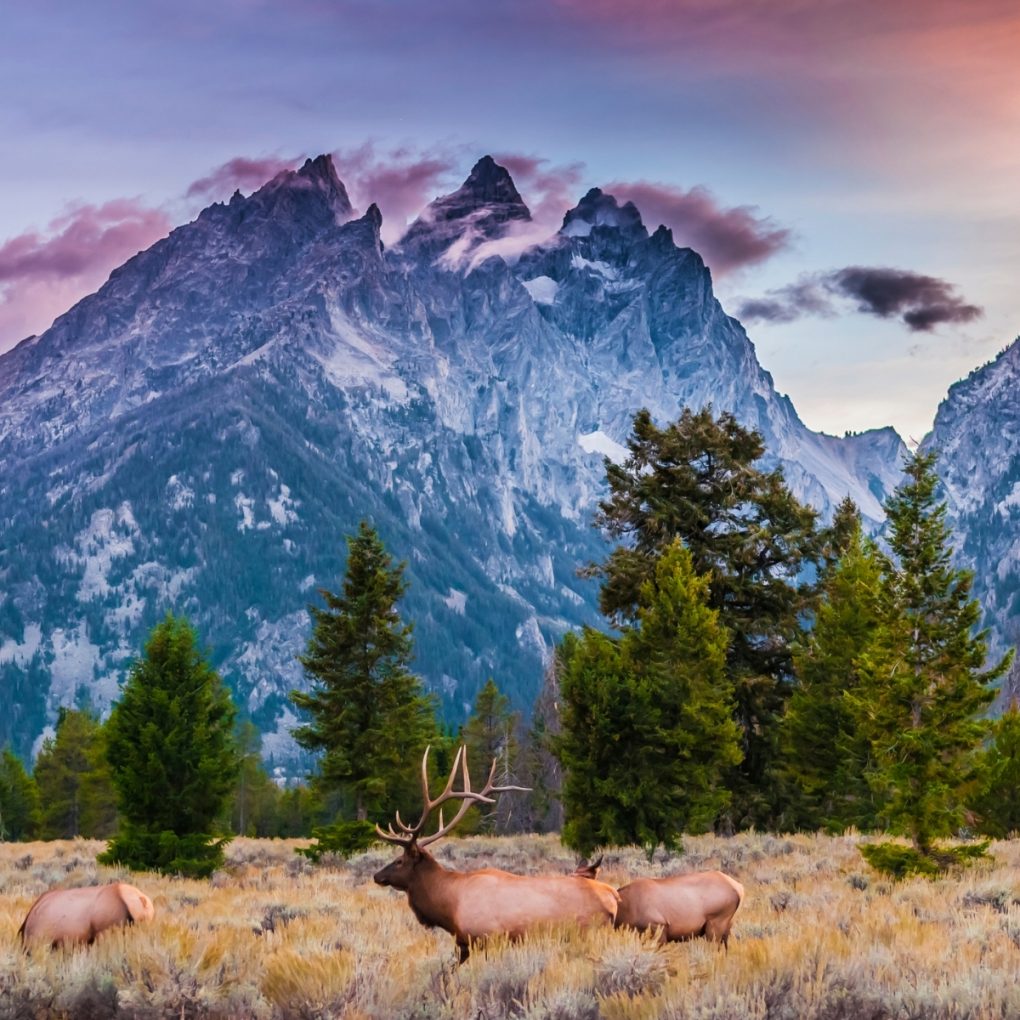
Understanding Colorado’s Elk Seasons: A Traveler’s Guide
The term “elk season” can carry different meanings depending on a traveler’s intent. For some, it signifies the adrenaline-fueled pursuit of a trophy bull; for others, it’s about the serene thrill of observing a herd in its natural habitat. Colorado accommodates both, offering distinct periods tailored to each experience.
The Nuance of “Elk Season”: Hunting vs. Viewing
When people ask about “elk season,” they typically refer to one of two primary activities: hunting or wildlife viewing. Colorado Parks and Wildlife (CPW) meticulously manages elk populations, balancing conservation efforts with recreational opportunities. Hunting seasons are strictly regulated with specific dates, licensing requirements, and weapon restrictions, designed to ensure sustainable herd management. Wildlife viewing, on the other hand, often coincides with these periods but focuses on observational travel, photography, and experiencing the elk’s natural behaviors, particularly during the breeding season.
Why Colorado is a Premier Elk Destination: Habitat and Population
Colorado boasts the largest elk herd in North America, with populations estimated at over 280,000 animals. This thriving population is a testament to the state’s expansive and diverse habitats, ranging from high-altitude alpine meadows to dense coniferous forests and lower-elevation winter ranges. The combination of abundant food sources, vast wilderness areas, and effective wildlife management strategies makes Colorado an unrivaled destination for anyone seeking an encounter with elk. Major elk strongholds include the vast areas around Steamboat Springs, Gunnison, Durango, and the Grand Mesa.
Colorado Elk Hunting Seasons: Planning Your Expedition
For hunters, pinpointing the precise dates of elk season is crucial for planning. Colorado’s elk hunting seasons are categorized by weapon type and specific timeframes, generally spanning late summer through early winter. Licenses are primarily distributed through a draw system, though some over-the-counter (OTC) licenses are available for specific seasons and units.
Archery Season: Early Opportunities
The archery season typically kicks off in late August and runs through late September, often encompassing the exciting early stages of the elk rut. This period offers bowhunters a challenging yet rewarding experience, as elk are often vocal and responsive to calls. Success requires stealth, patience, and a deep understanding of elk behavior. The early part of this season can be warm, but hunters should be prepared for rapidly changing mountain weather conditions.
Muzzleloader Season: A Unique Challenge
Following archery season, a short muzzleloader season usually takes place in mid-September. This specialized hunt provides a unique blend of challenge and tradition, appealing to hunters who appreciate the historical aspect and precision required. Like archery season, it often falls during the peak of the rut, offering thrilling encounters. Muzzleloader licenses are typically limited and highly sought after through the draw system.
Rifle Seasons: The Primary Hunt Periods
Rifle seasons are the most popular and varied, structured into multiple segments from October to November. These seasons offer different opportunities, with some requiring a draw and others having over-the-counter options.
- First Rifle Season (Limited Entry): Usually held in mid-October, this is a limited-entry, draw-only season. It often boasts high success rates due to less hunting pressure and prime conditions.
- Second Rifle Season (Over-the-Counter & Draw): Kicking off in late October, this is often the most popular season. Many units offer over-the-counter bull elk licenses, making it accessible for hunters who didn’t draw a tag.
- Third Rifle Season (Over-the-Counter & Draw): Typically in early November, this season also offers OTC licenses for bull elk in many units. Weather conditions can be colder and snowier, pushing elk to lower elevations.
- Fourth Rifle Season (Limited Entry): Occurring in mid-November, this is another draw-only season. By this time, elk are often concentrated in wintering grounds, and hunters should be prepared for significant snow and cold.
Late Seasons: Extended Opportunities
Colorado also offers late rifle seasons in December and sometimes into January for specific game management units (GMUs). These seasons are generally limited to antlerless elk (cows) and are designed to manage local populations. While challenging due to harsh winter conditions, they can provide excellent opportunities for meat hunters and those looking for a unique late-season experience.
Key Considerations for Hunters: Licenses, Regulations, and Guides
Navigating Colorado’s hunting regulations is complex. All hunters must possess a valid hunting license and the appropriate elk tag. Non-resident licenses are significantly more expensive than resident ones. Hunters must meticulously review the Colorado Parks and Wildlife (CPW) Big Game brochure annually, as dates, unit restrictions, and regulations can change. For many, especially first-time Colorado elk hunters, hiring a licensed outfitter or guide is invaluable. These professionals provide expertise in tracking, navigating unfamiliar terrain, and ensuring compliance with all regulations, significantly increasing the chances of a successful and safe hunt.
Optimal Times for Elk Viewing in Colorado: A Wildlife Enthusiast’s Itinerary
For those who prefer binoculars over rifles, Colorado offers exceptional elk viewing opportunities throughout much of the year, with peak experiences tied to specific seasonal behaviors.
Fall Rut (Mating Season): The Spectacle of Bugling Elk
Undoubtedly the most sought-after time for elk viewing is during the fall rut, or mating season. From late September to mid-October, bull elk engage in magnificent displays of dominance, bugling loudly to attract cows and challenge rivals. Witnessing this primal spectacle, with the crisp autumn air and vibrant foliage as a backdrop, is an unforgettable experience.
- Best time: Late September to mid-October.
- Prime Viewing Locations: Rocky Mountain National Park (especially around Estes Park), Routt National Forest, Vail Valley, Grand Mesa National Forest, and various State Wildlife Areas across western Colorado. In Rocky Mountain National Park, meadows like Moraine Park and Horseshoe Park become natural arenas for the rut.
Winter Migrations: Herds in Lower Elevations
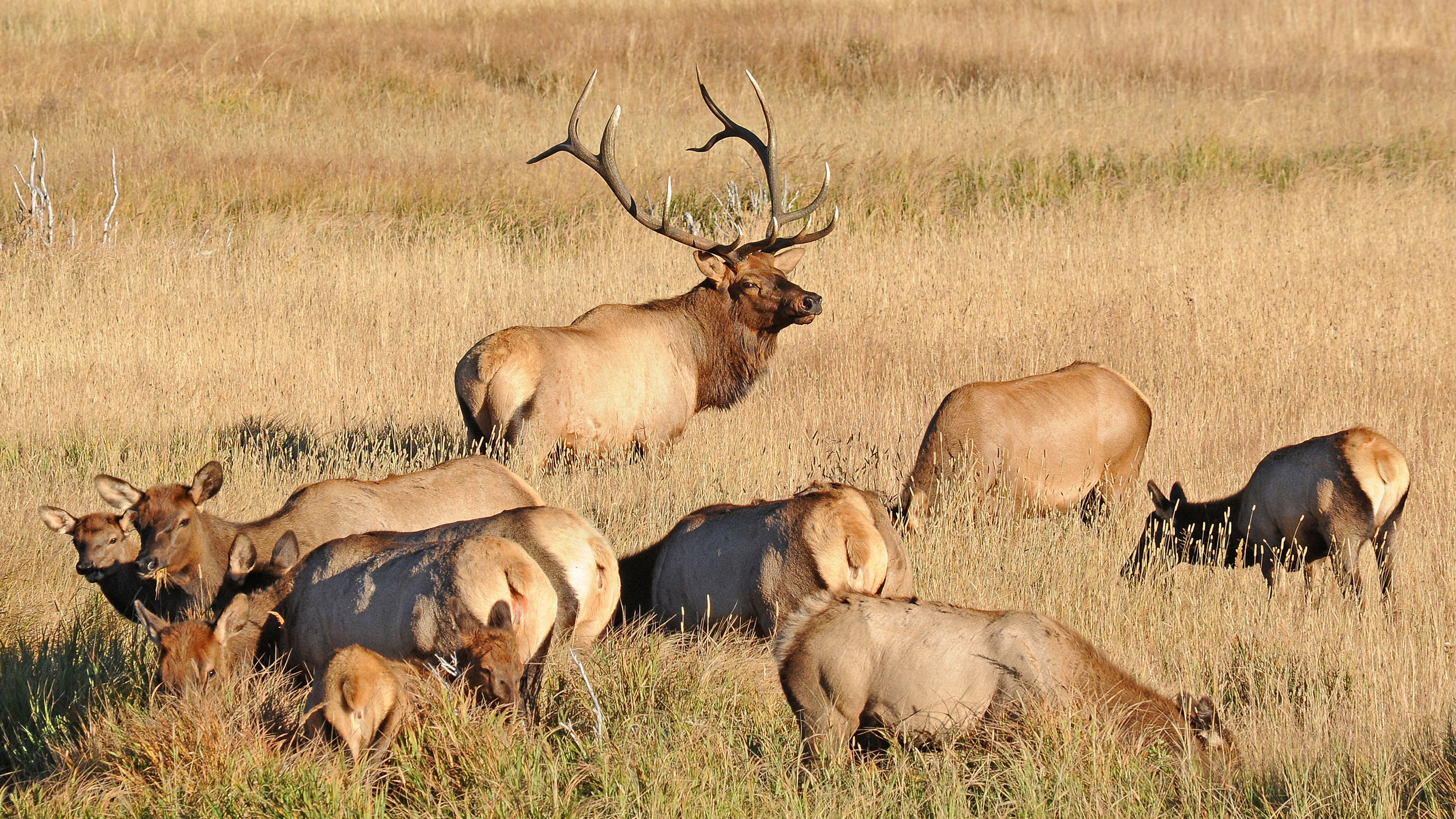
As snow blankets the high country, elk migrate to lower elevations in search of food and milder conditions. This phenomenon, typically from November through March, concentrates herds, making them easier to spot, especially along major roadways and near agricultural fields.
- Best time: November to March.
- Prime Viewing Locations: Areas around Durango, Gunnison, Steamboat Springs, and various State Wildlife Areas that serve as winter range. Many elk can be seen from vehicles in designated viewing areas.
Spring Calving Season: New Life in the Wilderness
From late May to early June, cow elk give birth to their calves. While often more secluded, observing new life emerge in the wilderness is a tender and rewarding experience. Cows are highly protective during this time, so respectful viewing from a distance is crucial.
- Best time: May to early June.
- Prime Viewing Locations: Sheltered meadows and dense forest edges, often in the same areas where wintering herds disperse. Remote hiking trails can offer glimpses, but caution and respect for the animals’ space are paramount.
Summer Grazing: High Country Encounters
During the summer months (July and August), elk ascend to higher mountain parks and meadows to graze on lush vegetation, escaping the heat and insects of lower elevations. These high-country dwellers are often seen in smaller groups, offering fantastic photographic opportunities amidst stunning alpine scenery.
- Best time: July to August.
- Prime Viewing Locations: High mountain trails in wilderness areas, including the backcountry of Rocky Mountain National Park, the Flat Tops Wilderness, and the San Juan Mountains. A visit to the Vail area or Aspen often provides access to these higher elevations.
Essential Travel Tips for Your Colorado Elk Adventure
Regardless of whether you’re hunting or viewing, preparing for a trip to Colorado’s wilderness is key to a rewarding experience.
Gear and Preparation: What to Pack
Mountain weather is notoriously unpredictable. Layers are essential, including moisture-wicking base layers, insulating mid-layers, and waterproof outer shells. Sturdy hiking boots, navigational tools (GPS, maps, compass), sufficient water, high-energy snacks, and emergency supplies are also critical. For viewers, quality binoculars or a spotting scope and a camera with a telephoto lens are indispensable. Hunters will need specialized gear tailored to their weapon and hunting style.
Booking Accommodations: Where to Stay
Colorado offers a wide range of accommodation options, from rustic cabins and campgrounds in national forests to luxurious resorts in towns like Estes Park, Vail, or Steamboat Springs. During peak hunting or viewing seasons, popular areas can book up quickly, so advance reservations are highly recommended. Consider staying in smaller towns near prime elk habitat, such as Gunnison or Durango, for more direct access to the backcountry.
Local Etiquette and Safety: Respecting Wildlife and Wilderness
Always maintain a safe and respectful distance from elk. Never approach or feed wild animals. Use designated trails and practice Leave No Trace principles to minimize your impact on the environment. Be aware of your surroundings, as Colorado is also home to bears, mountain lions, and other wildlife. Inform someone of your itinerary, especially if venturing into remote areas. For hunters, safety with firearms and knowing your target and what is beyond it is paramount.
Hiring a Guide: Enhancing Your Experience
For both hunters and viewers, hiring a local guide can significantly enhance your experience. Guides possess invaluable knowledge of elk movements, prime locations, and safe practices. They can navigate challenging terrain, interpret animal behavior, and offer a deeper understanding of Colorado’s natural environment.
Beyond Elk: Other Colorado Attractions During Elk Season
A trip to Colorado for elk season offers much more than just wildlife encounters. The state provides a stunning backdrop for a myriad of other activities.
Autumn Foliage: A Scenic Backdrop
If visiting in the fall for the rut or early rifle seasons, you’ll be treated to a breathtaking display of autumn colors. Colorado’s aspen groves turn a brilliant gold, offering spectacular scenic drives and photographic opportunities that complement your elk adventure. Areas like the San Juan Mountains and Kebler Pass near Gunnison are particularly famous for their fall foliage.
Outdoor Activities: Hiking, Fishing, Photography
Beyond elk, Colorado is an outdoor enthusiast’s paradise. Explore countless miles of hiking trails, from leisurely strolls to challenging peaks. Many rivers and lakes offer excellent fishing opportunities for trout. The dramatic landscapes, from the iconic Maroon Bells to the vast expanse of the Great Sand Dunes National Park, provide endless subjects for photography.

Charming Mountain Towns: Exploring Local Culture
Interspersed throughout Colorado’s wilderness are charming mountain towns, each with its own unique character. Places like Estes Park, Steamboat Springs, Gunnison, and Durango offer cozy lodges, local restaurants serving hearty cuisine, artisan shops, and a glimpse into Colorado’s rich pioneer and mining history. These towns serve as excellent bases for your elk season adventures, providing comfort and amenities after a day in the wild.
In conclusion, “elk season” in Colorado is not a singular event but a diverse tapestry of opportunities for both hunters and wildlife enthusiasts. By understanding the different seasons, preparing adequately, and respecting the wild, travelers can unlock an unparalleled experience in one of America’s most magnificent natural landscapes.
LifeOutOfTheBox is a participant in the Amazon Services LLC Associates Program, an affiliate advertising program designed to provide a means for sites to earn advertising fees by advertising and linking to Amazon.com. Amazon, the Amazon logo, AmazonSupply, and the AmazonSupply logo are trademarks of Amazon.com, Inc. or its affiliates. As an Amazon Associate we earn affiliate commissions from qualifying purchases.