
Florida, the Sunshine State, is synonymous with a vibrant natural landscape, and at the heart of its wild allure are the American alligators. These prehistoric reptiles are a cornerstone of the state’s ecosystem, adding a thrilling dimension to any visit. For travelers, nature enthusiasts, and even curious locals, understanding the rhythms of alligator life can significantly enhance their experience. One of the most fascinating periods in the alligator’s annual cycle is their mating season. Knowing when this occurs not only satisfies a natural curiosity but can also inform travel plans, wildlife viewing opportunities, and safety precautions.
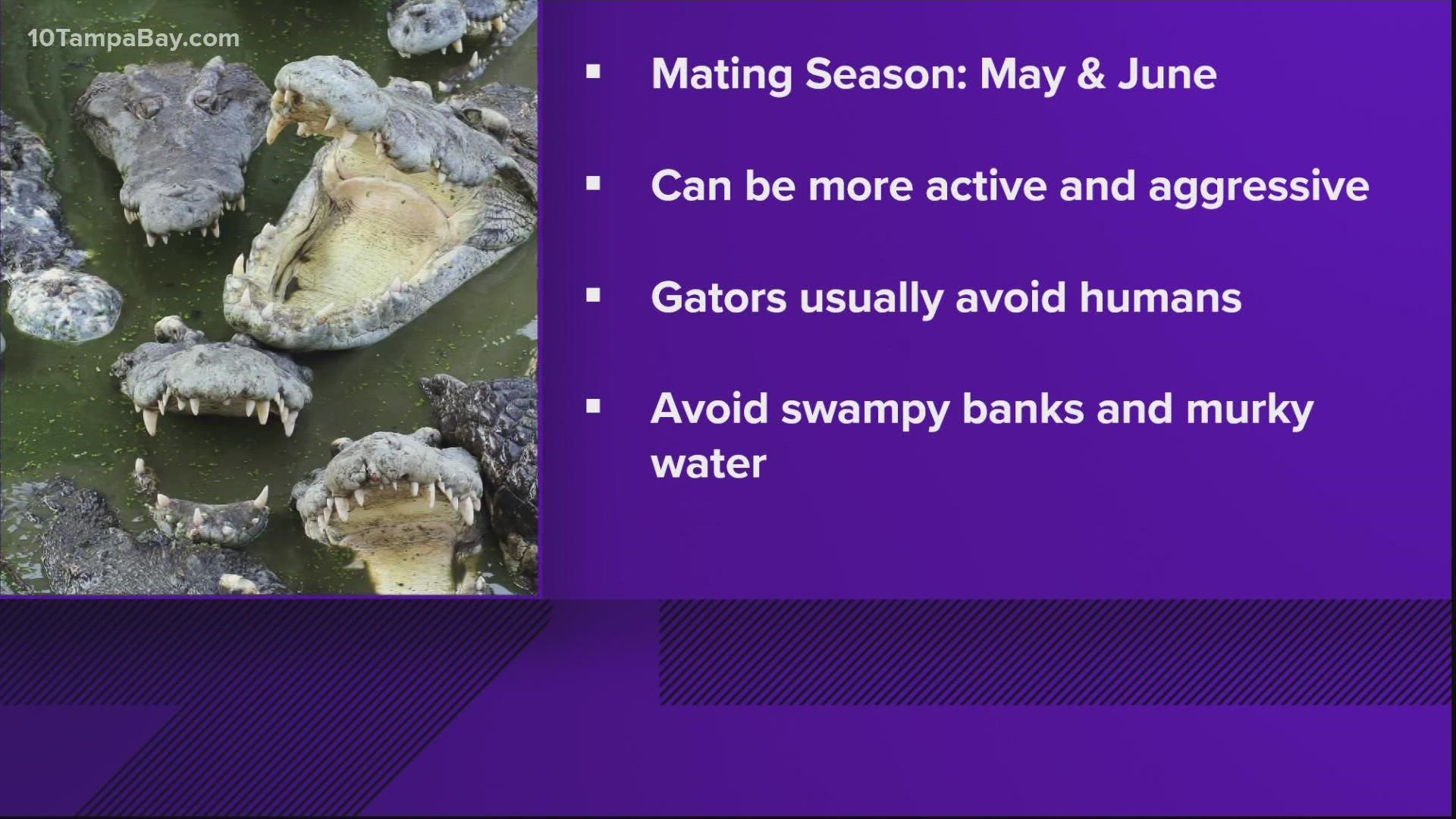
The allure of Florida’s wildlife is a major draw for tourism, with visitors flocking to see creatures in their natural habitats. From the sprawling wilderness of the Everglades National Park to the calmer waters of local lakes and canals, alligators are an ever-present, albeit often elusive, sight. This article delves into the specifics of Florida’s gator mating season, offering insights that are invaluable for anyone planning a trip to the state or seeking to deepen their understanding of its unique biodiversity. We’ll explore the typical timing, the behaviors associated with this crucial period, and how you might respectfully observe these magnificent creatures.
Understanding Alligator Reproduction and the Seasonal Cycle
The life cycle of the American alligator is intricately tied to the environmental cues of Florida. Their reproductive behaviors are particularly sensitive to temperature and the changing seasons. While alligators are active year-round in Florida’s warm climate, distinct periods mark their most significant biological activities. Mating season is a critical phase, involving elaborate courtship rituals and the subsequent laying of eggs.
The Prime Time for Courtship: Spring’s Awakening
The most active period for alligator mating in Florida typically begins in the spring, often starting as early as April and extending through May and into early June. As the temperatures rise and the days grow longer, male alligators become more vocal and aggressive, seeking out females to mate. This period is characterized by increased activity in and around their aquatic habitats.
The warming waters signal the end of the cooler, less active winter months. During winter, alligators often become more sedentary, conserving energy. As spring arrives, their metabolism speeds up, and they re-emerge with renewed vigor. This seasonal shift is a powerful biological imperative, driving the continuation of the species. For wildlife watchers, this means that the warmer months of spring offer the best chances of witnessing alligator courtship displays.
The Male’s Display: A Symphony of Sound and Movement
During the mating season, male alligators engage in a series of behaviors designed to attract females and establish dominance over rivals. One of the most remarkable displays is their vocalization. Males produce a deep, resonant bellowing sound, often described as a “roar” or “song,” which can travel significant distances through the water and air. This sound serves to announce their presence and readiness to mate. These bellows are often accompanied by impressive visual displays.
Another key behavior is the “jaw clapping” or “tail slaps” on the water’s surface. Males will vigorously snap their jaws together, creating a loud, percussive sound. They also thrash their tails, sending water splashing and creating ripples. These actions are not only for attracting females but also for asserting their territory and deterring other males. Observing these displays can be a truly awe-inspiring experience, a raw exhibition of nature’s power.
The Female’s Role and Nesting Preparations
While the males are the more outwardly demonstrative during the mating season, the females play an equally crucial role. Once a female alligator is receptive to a male’s advances, mating occurs in the water. Following successful mating, the female’s focus shifts to nesting.
The nesting season generally takes place from late spring through the summer, typically from May through August. Female alligators meticulously select nesting sites, often choosing areas with ample vegetation and sunlight to help incubate the eggs. They build their nests by piling up vegetation, mud, and debris, forming a mound that can be several feet high. This mound provides insulation for the eggs and helps regulate their temperature.
The female will then lay a clutch of eggs, usually numbering between 20 and 50. She will carefully cover the nest with more vegetation and guard it diligently until the eggs hatch, which can take anywhere from 65 to 95 days, depending on temperature. This protective instinct is incredibly strong, and it is vital for observers to maintain a safe distance from nesting sites.
Where to Witness Gator Mating Season in Florida
Florida offers numerous locations where one can potentially observe American alligators, and during mating season, these opportunities can be even more rewarding. Understanding the typical habitats where alligators congregate during this time can enhance your chances of a memorable wildlife encounter.

Prime Alligator Habitats in the Sunshine State
Alligators are found throughout Florida in a wide array of freshwater environments. This includes swamps, marshes, rivers, lakes, and even canals in urban areas. However, certain locations are renowned for their abundant alligator populations and are therefore excellent places to visit during mating season.
- The Everglades National Park: This vast wilderness area is a quintessential Florida landscape and a haven for alligators. Exploring the Anhinga Trail, Mahogany Hammock, or taking a guided airboat tour can offer incredible sightings. The park’s extensive waterways are particularly active during the spring and summer months.
- Myakka River State Park: Located near Sarasota, this park boasts a large lake and the winding Myakka River, both teeming with alligators. The park offers excellent opportunities for kayaking, canoeing, and wildlife viewing from boardwalks and observation towers.
- Kissimmee River Valley: This region is known for its expansive wetlands, which are ideal breeding grounds for alligators. Numerous wildlife management areas and public access points allow for exploration and potential alligator sightings.
- Local Lakes and Waterways: Beyond the major parks, many smaller lakes, ponds, and slow-moving rivers across Florida are home to alligators. Even suburban areas can have significant populations, so always be aware of your surroundings when near water.
When visiting these areas, consider accommodations that offer proximity to natural habitats. For instance, a stay at a resort near the Everglades or a lakeside lodge near Myakka River State Park can place you right in the heart of alligator territory.
Responsible Wildlife Viewing: Safety and Respect
Observing wildlife, especially apex predators like alligators, requires a mindful approach. During mating season, alligators may be more territorial and active, making it even more important to prioritize safety.
- Maintain a Safe Distance: Never approach an alligator, especially during mating or nesting season. A general rule of thumb is to stay at least 50 feet away. If an alligator changes its behavior because of your presence, you are too close.
- Do Not Feed Alligators: Feeding alligators is illegal and dangerous. It habituates them to humans, making them bolder and more likely to approach people, which can lead to dangerous encounters. It also disrupts their natural feeding behaviors and can cause them harm.
- Be Aware of Your Surroundings: When walking or hiking near water bodies, be vigilant. Alligators can camouflage themselves exceptionally well. Be particularly cautious at dawn and dusk when they are often most active.
- Respect Nesting Sites: If you encounter a potential nest, observe from a considerable distance and do not disturb it. The female alligator is fiercely protective of her eggs.
- Choose Reputable Tours: If you opt for a guided tour, such as an airboat tour in the Everglades, ensure the operator follows responsible wildlife viewing practices.
By adhering to these guidelines, you can enjoy the thrill of witnessing alligator mating season while ensuring the safety of yourself and the well-being of these fascinating reptiles.
Beyond Mating Season: Alligators Throughout the Year
While mating season is a particularly dynamic period for American alligators, their presence and behavior are a constant feature of Florida’s natural landscape. Understanding their broader patterns can help travelers plan their visits and appreciate the enduring nature of these creatures.
Summer’s Nesting and Hatchling Emergence
Following the mating rituals of spring, summer becomes the season for nesting and incubation. As mentioned, females lay their eggs between May and August, and the subsequent hatching period often extends into late summer and early fall. Witnessing a nest of hatchlings emerge is a remarkable sight, though it is crucial to observe from a distance, as the mother is typically nearby and highly protective.
The warm Florida climate is ideal for incubating alligator eggs. The gender of the hatchlings is determined by the temperature of the nest during incubation, with warmer temperatures producing more males and cooler temperatures producing more females. This temperature-dependent sex determination is a fascinating aspect of their biology.
Fall and Winter: A Quieter, but Still Present, Existence
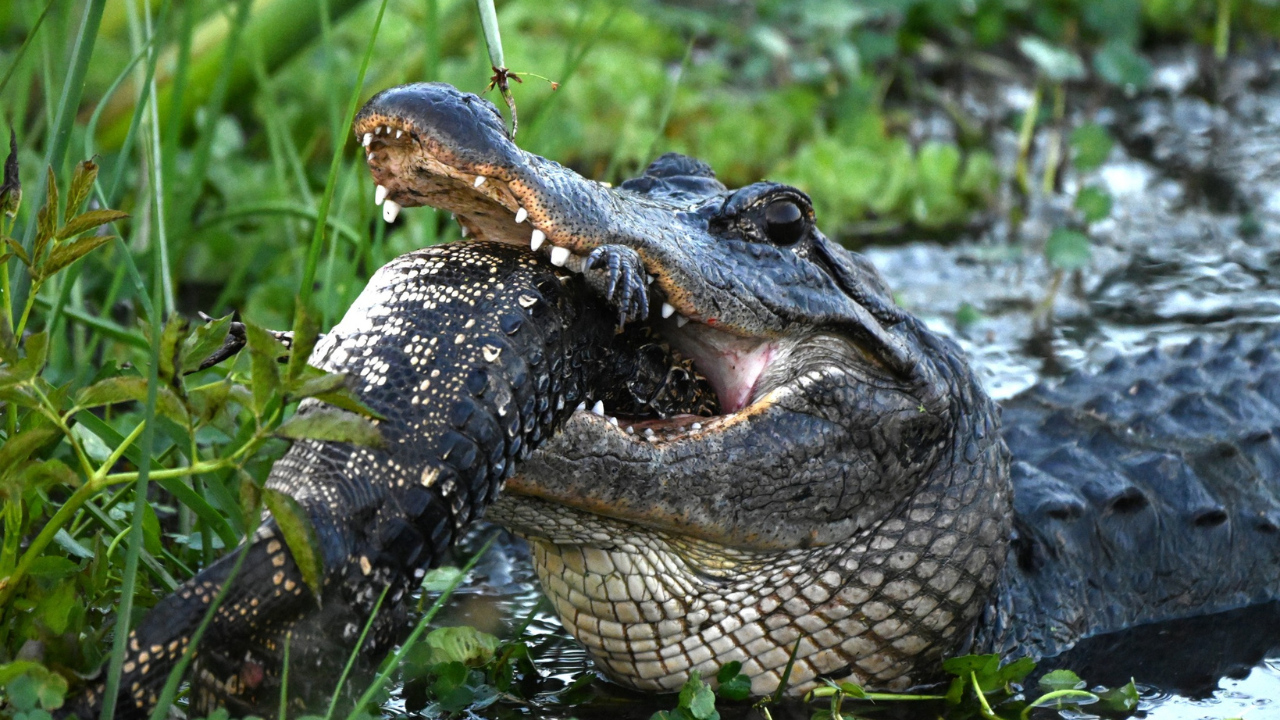
As the temperatures begin to cool in the fall, alligator activity gradually decreases. During the winter months, they enter a state of brumation, which is similar to hibernation in mammals. They become much less active, often spending their time submerged in water or in burrows dug into the banks.
Despite their reduced activity, alligators are still present in Florida’s waters during the cooler months. While you might not witness the dramatic courtship displays of spring, the chance of spotting a basking alligator or one surfacing for air remains. For those seeking accommodations, lodges or resorts that offer year-round access to waterways or wildlife viewing areas can still provide opportunities to see alligators, albeit in a more subdued state.
Florida’s commitment to conservation means that its wildlife, including its iconic alligators, can be enjoyed for generations to come. Whether you are planning a trip specifically to witness the spring mating season or simply to experience the unique biodiversity of the Sunshine State, an encounter with an American alligator is an unforgettable part of the Florida adventure. Remember always to prioritize safety, respect the environment, and appreciate these magnificent creatures from a responsible distance.
LifeOutOfTheBox is a participant in the Amazon Services LLC Associates Program, an affiliate advertising program designed to provide a means for sites to earn advertising fees by advertising and linking to Amazon.com. Amazon, the Amazon logo, AmazonSupply, and the AmazonSupply logo are trademarks of Amazon.com, Inc. or its affiliates. As an Amazon Associate we earn affiliate commissions from qualifying purchases.