
The Chicago Pride Parade is more than just a march; it’s a vibrant expression of identity, history, and community that draws millions to the streets of Chicago each year. For tourists looking to immerse themselves in local culture, vibrant festivities, and an inclusive atmosphere, timing a visit to coincide with this iconic event is an unparalleled experience. Understanding the parade’s schedule, historical roots, and the broader spectrum of activities surrounding it is key to a truly memorable engagement with [Chicago]’s dynamic LGBTQ+ scene.
Understanding the Chicago Pride Parade: A Pillar of Local Culture
The Chicago Pride Parade is a cornerstone of the city’s cultural calendar, culminating a month-long celebration of LGBTQ+ pride. Its significance extends beyond a mere procession, serving as a powerful demonstration of visibility, solidarity, and the ongoing fight for equality. For visitors, it offers a unique window into the city’s progressive spirit and its deep commitment to diversity.
Historical Significance and Evolution
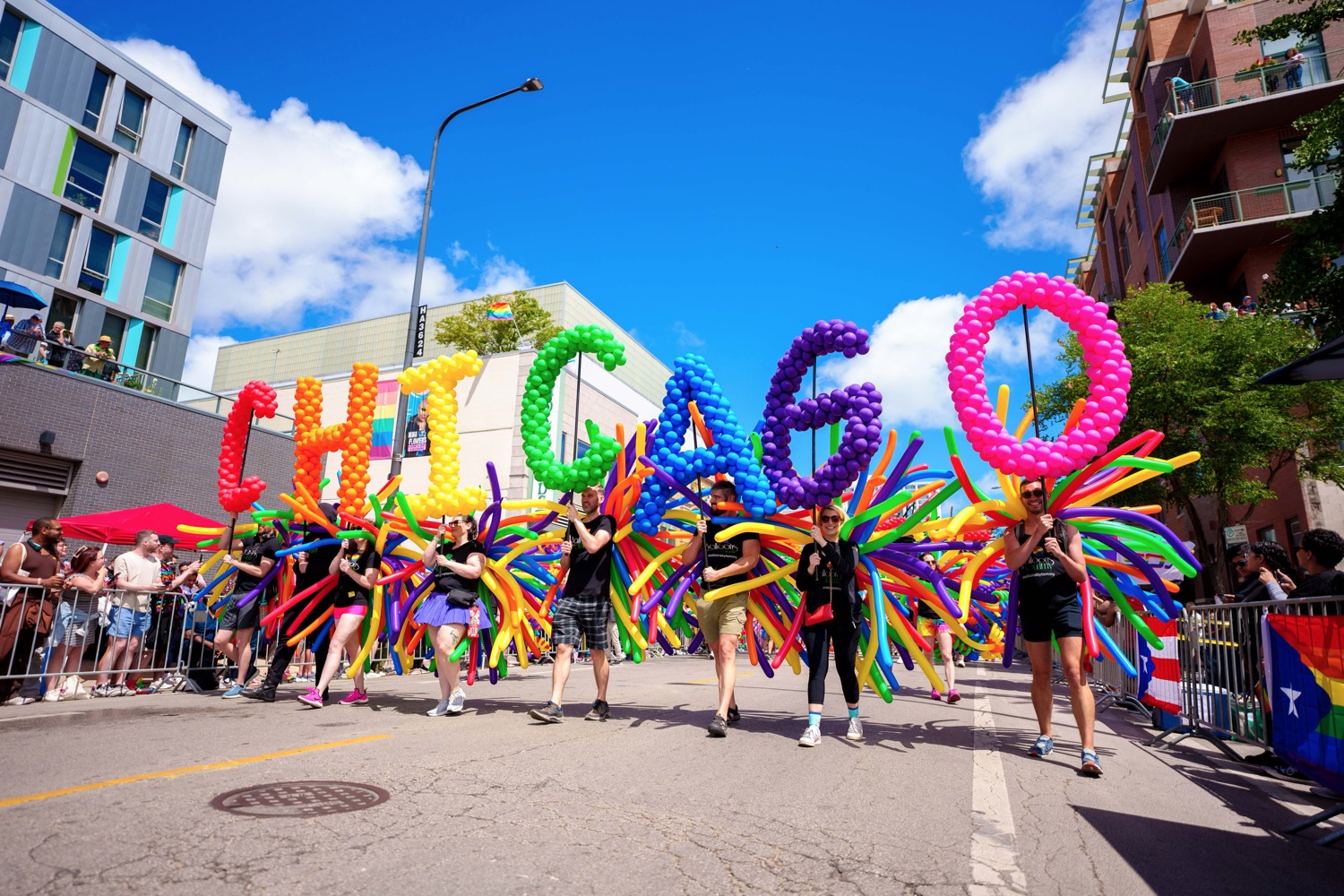
The roots of the Chicago Pride Parade trace back to the aftermath of the 1969 Stonewall Uprising in New York City, which catalyzed the modern LGBTQ+ rights movement. The first official “Gay Pride Parade” in Chicago took place on June 27, 1970, marching from Buena Park to the Daley Center. Since then, it has evolved from a grassroots protest into one of the largest and most celebrated Pride events globally. It typically takes place on the last Sunday of June, commemorating the Stonewall riots and aligning with Pride Month. Over the decades, the parade has grown exponentially, reflecting the increasing acceptance and visibility of the LGBTQ+ community, while also adapting to address contemporary challenges and celebrate victories. Its journey mirrors the broader social and political landscape, making it a living historical document that continues to be written with each passing year. Attending this event allows tourists to not only partake in a lively celebration but also to connect with a significant piece of social history and cultural progress.
What to Expect: Beyond the March
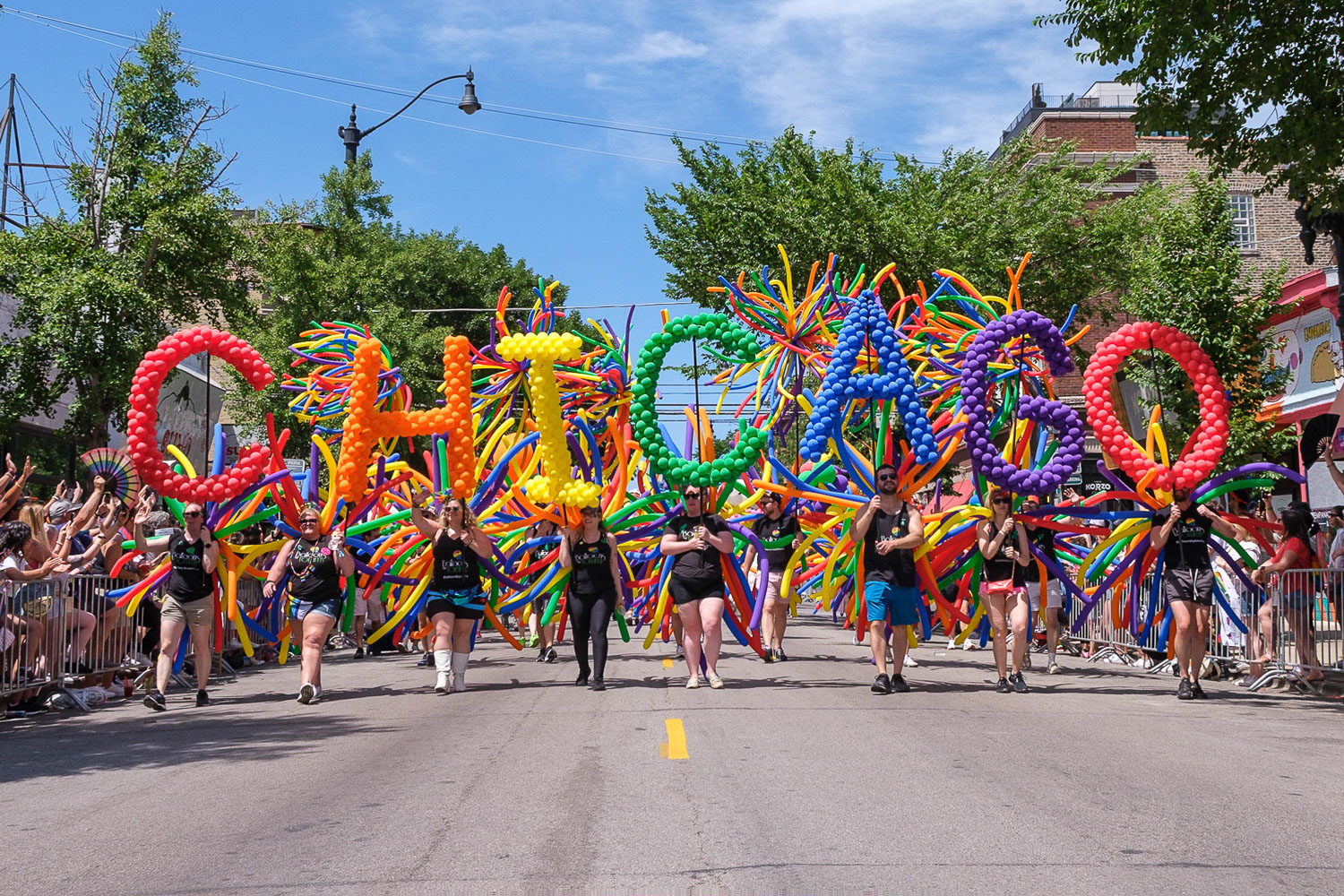
While the parade itself is the main event, the Chicago Pride experience is multifaceted. It’s an immersive cultural spectacle featuring over 150 registered contingents, including community groups, businesses, political figures, and vibrant performance artists, all parading through the historic Boystown neighborhood. The atmosphere is electric, filled with music, elaborate floats, dazzling costumes, and an overwhelming sense of joy and acceptance. Beyond the visual spectacle, the parade is a powerful expression of community identity and solidarity. Spectators can expect to witness passionate advocacy mixed with exuberant celebration, a true testament to the spirit of [Chicago]’s LGBTQ+ residents and allies. It is common to see families, individuals from all walks of life, and international visitors lining the streets, waving rainbow flags, and cheering for participants. The energy is contagious, fostering an environment where everyone is encouraged to embrace their authentic selves. Many local businesses along the parade route transform into festive hubs, offering special menus, drinks, and vantage points, further enhancing the celebratory ambiance.
Planning Your Visit: Key Dates and Prime Locations
Effectively planning your visit around the Chicago Pride Parade involves more than just knowing the date; it requires understanding the best viewing spots, transportation logistics, and the surrounding festivities that make the entire experience truly unforgettable. For tourists, this preparation ensures a seamless and enriching engagement with one of the city’s most significant cultural events.
The Official Parade Date and Time
The Chicago Pride Parade traditionally takes place on the last Sunday of June. This timing is deliberate, commemorating the anniversary of the Stonewall Uprising and aligning with global Pride Month celebrations. For instance, if June 30th is a Sunday, that would be the likely date. The parade typically kicks off at 11:00 AM, but spectators often begin arriving much earlier, some as early as 6:00 AM or 7:00 AM, to secure prime viewing spots along the route. The procession usually lasts for several hours, often concluding around 3:00 PM or 4:00 PM, depending on the number of contingents and the pace of the march. It is advisable for tourists to verify the exact date and start time for the current year through official Chicago Pride Parade websites or the City of Chicago special events calendar, as minor adjustments can occur. Booking accommodations and travel well in advance is highly recommended, as the city experiences a significant influx of visitors during this period.
Best Spots to Watch the Parade
The Chicago Pride Parade route primarily winds through the Lakeview neighborhood, specifically the area historically known as Boystown, a renowned LGBTQ+ enclave. The parade starts at the intersection of Montrose Avenue and Broadway, heading south on Broadway to Halsted Street. It then proceeds south on Halsted to Belmont Avenue, east on Belmont to Broadway, and finally south on Broadway to Diversey Parkway.
For optimal viewing, securing a spot along Halsted Street, particularly between Belmont and Addison, is popular. This segment is often considered the heart of Boystown, offering proximity to numerous bars, restaurants, and a truly vibrant atmosphere. Another excellent location is along Broadway, particularly north of Belmont, where the crowds might be slightly less dense, but the energy remains high. Arriving early is paramount to stake out a good spot, especially if you desire a curb-side view. Many local establishments along the route offer special viewing parties or elevated seating for a fee, providing a more comfortable and exclusive experience.
Public Transportation and Accessibility
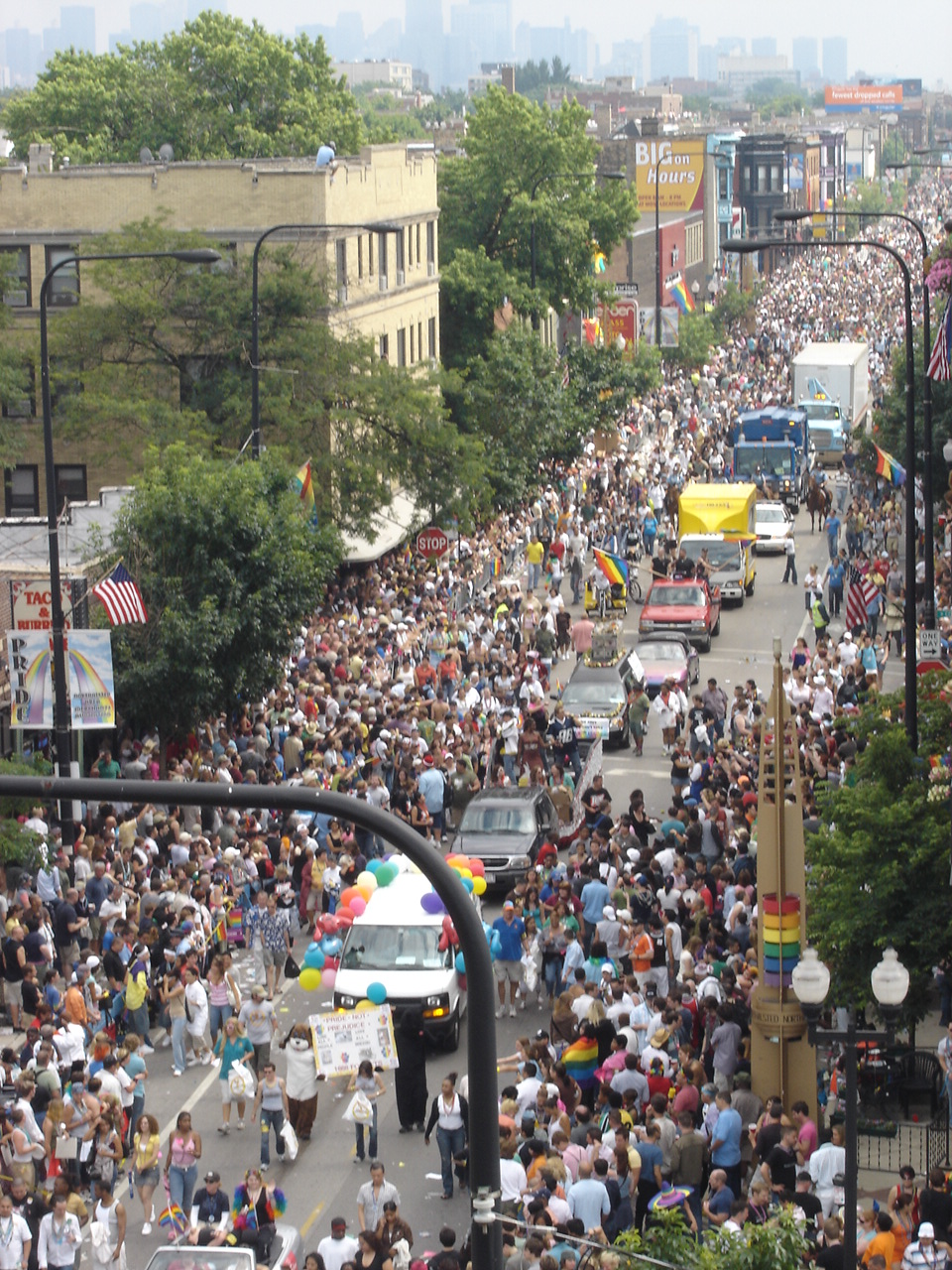
Given the massive crowds and extensive street closures, using public transportation is by far the most recommended way to reach the parade route. The Chicago Transit Authority (CTA) ‘L’ train system provides convenient access. The Red Line is your best bet, with stations like Addison, Belmont, and Sheridan offering direct access to the parade areas. The Belmont station, a major transfer point for the Red, Brown, and Purple Lines, is typically the busiest. Be prepared for significant crowds at these stations and on the trains themselves.
For accessibility, specific viewing areas are often designated for individuals with disabilities; details are usually published on the official parade website closer to the event. Planning your route and checking for any service disruptions or special schedules on the CTA website prior to parade day is essential. Remember that bus routes along and near the parade course will be rerouted or suspended, so relying solely on buses is not advisable. Walking from L stations to your chosen viewing spot is a part of the experience, allowing you to soak in the festive atmosphere.
Immersing in Pride Festivities: Activities and Local Tips
The Chicago Pride Parade is the crown jewel, but the celebrations extend far beyond a single Sunday. For tourists, tapping into the broader spectrum of activities and embracing local customs is vital for a holistic and truly immersive cultural experience.
Pride Fest and Other Community Events
The weekend leading up to the parade is typically highlighted by Chicago Pride Fest, a two-day street festival held in the Boystown neighborhood. This ticketed event, usually taking place the Saturday and Sunday before the parade, features live music across multiple stages, local food and drink vendors, arts and crafts, and a diverse array of community booths. It’s an excellent opportunity to experience local talent, engage with community organizations, and enjoy a lively street party atmosphere. Beyond Pride Fest, the entire month of June sees various LGBTQ+ events across Chicago. These can include art exhibitions, theatrical performances, film screenings, educational panels, and smaller neighborhood gatherings. Many local bars and clubs also host themed parties and special events throughout Pride Month. Checking local LGBTQ+ community calendars, such as those provided by organizations like Center on Halsted, or tourism websites dedicated to [Chicago]’s gay scene, will provide a comprehensive list of these enriching opportunities.
Dining and Nightlife in Boystown (Lakeview)
Boystown, officially part of the Lakeview neighborhood, is North America’s first recognized gay village and remains the vibrant heart of [Chicago]’s LGBTQ+ community. During Pride, its energy is unparalleled. For dining, visitors can find a range of options from casual eateries to upscale restaurants. Many establishments offer special Pride-themed menus or outdoor seating perfect for people-watching. Post-parade or on any given evening, the nightlife scene truly comes alive. Iconic bars and clubs like Sidetrack, Roscoe’s Tavern, Hydrate Nightclub, and Berlin offer diverse atmospheres, from dance floors pulsating with energy to more relaxed lounges. Exploring these venues provides an authentic taste of [Chicago]’s gay social scene and offers opportunities to connect with locals and fellow tourists. Reservations for dinner or entry to popular clubs might be advisable, especially during Pride weekend, as these venues become incredibly popular.
Essential Tips for a Memorable Experience
To make the most of your Chicago Pride Parade experience, consider these local tips:
- Arrive Early: This cannot be stressed enough. For prime viewing spots, plan to be along the route several hours before the 11:00 AM start.
- Hydrate and Protect: June in Chicago can be hot and humid. Bring plenty of water, wear sunscreen, and consider a hat.
- Pack Light: A small backpack with essentials like snacks, a portable charger, and a rain poncho (just in case) is ideal. Avoid large bags, as they can be cumbersome in crowds.
- Wear Comfortable Shoes: You’ll be standing and walking for extended periods.
- Use Public Transport: As mentioned, the CTA ‘L’ train is the best way to get to and from the parade. Purchase a Ventra card in advance to avoid queues.
- Embrace the Spirit: Don colorful attire, bring a rainbow flag, and be ready to cheer, dance, and celebrate with millions of others.
- Respect Local Regulations: Pay attention to street closure signs and follow instructions from law enforcement and parade marshals.
- Support Local Businesses: Patronize the many LGBTQ+-owned and allied businesses in Boystown and surrounding areas.
- Stay Connected: Have a fully charged phone and consider a meeting point with your group in case you get separated in the crowds.
Beyond the Parade: Exploring Chicago’s LGBTQ+ Legacy
While the parade is a fantastic entry point, Chicago offers a rich tapestry of LGBTQ+ history and ongoing community engagement that extends throughout the year. For tourists interested in deeper cultural immersion, exploring these facets provides a more comprehensive understanding of the city’s inclusive identity.
Cultural Institutions and Safe Spaces
Chicago is home to several significant institutions that celebrate and support the LGBTQ+ community. The Legacy Walk, located in Boystown along Halsted Street, is an outdoor museum walk that honors notable LGBTQ+ individuals throughout history with bronze plaques. It’s a poignant and educational experience that can be enjoyed at any time. The Center on Halsted serves as the Midwest’s most comprehensive community center for the LGBTQ+ population, offering programs, resources, and a welcoming space. Visitors might find community events, art exhibitions, or simply a friendly atmosphere there. Beyond Boystown, other neighborhoods, like Andersonville on the north side, also boast a vibrant LGBTQ+ presence with unique boutiques, cafes, and community-focused businesses. Exploring these areas offers a glimpse into the diverse facets of [Chicago]’s queer landscape beyond the main parade route.
Year-Round Engagement
The spirit of Pride in Chicago is not confined to June. The city hosts numerous LGBTQ+ events throughout the year, fostering a continuous sense of community and celebration. These include various film festivals like Reeling: The Chicago LGBTQ+ International Film Festival (one of the oldest in the world), annual fundraisers, art shows, and themed parties at the city’s diverse range of LGBTQ+ venues. Many organizations work year-round on advocacy, support, and cultural programming. Engaging with these ongoing activities, even outside of Pride Month, provides a deeper appreciation for [Chicago]’s commitment to its LGBTQ+ residents and its status as a welcoming destination. Tourists can check local event listings and community websites to discover what’s happening during their visit, ensuring that their exploration of [Chicago]’s vibrant queer culture extends beyond the parade itself and offers continuous opportunities for insight and connection.
LifeOutOfTheBox is a participant in the Amazon Services LLC Associates Program, an affiliate advertising program designed to provide a means for sites to earn advertising fees by advertising and linking to Amazon.com. Amazon, the Amazon logo, AmazonSupply, and the AmazonSupply logo are trademarks of Amazon.com, Inc. or its affiliates. As an Amazon Associate we earn affiliate commissions from qualifying purchases.