
For many travelers, the dream of an Oahu getaway or a relaxing escape to Maui is often tethered to the promise of endless sunshine. However, understanding the meteorological rhythms of the Pacific Ocean is essential for planning the perfect trip. While Hawaii is known as a tropical paradise, it does experience a distinct wet season that can influence everything from beach days to hiking adventures.
Understanding the Hawaiian Climate Cycle
The climate in the United States archipelago of Hawaii is governed more by trade winds and elevation than by traditional temperature-based seasons. Because the islands are located in the tropics, the temperature remains relatively consistent throughout the year, typically hovering in the comfortable 70s to 80s Fahrenheit. Instead of the classic four seasons, Hawaii operates on a binary weather system: the wet season and the dry season.
The Wet Season: November Through March
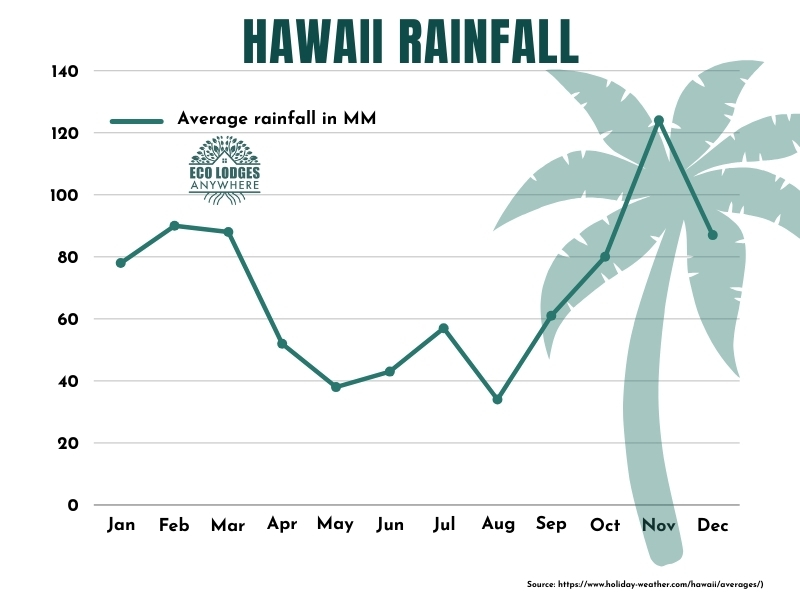
The official rainy season in Hawaii spans from November through March. During these months, the islands experience a higher frequency of cold fronts moving down from the north. This does not mean it rains every day, nor does it mean that your vacation will be ruined. In fact, many visitors find that the rainfall during these months is localized, short-lived, and often leaves behind brilliant rainbows that span across the lush landscapes of Kauai.
The Dry Season: April Through October
Conversely, the dry season—often referred to as the summer months—features warmer temperatures and significantly less rainfall. During this period, the constant trade winds provide a cooling effect, making it the ideal time for travelers looking to spend the majority of their time at popular spots like Waikiki Beach or exploring the volcanic terrain of Hawaii Volcanoes National Park.
Regional Microclimates and Weather Variability
One of the most fascinating aspects of travel in Hawaii is the dramatic shift in weather that can occur within a few miles. Because of the rugged topography, including massive peaks like Mauna Kea and Haleakala, the islands create their own microclimates.
Windward vs. Leeward Sides
If you are planning your itinerary, it is crucial to understand the difference between the windward and leeward sides of the islands.
- Windward Sides: These are the sides of the islands that face the prevailing trade winds. They are typically lush, tropical, and receive significantly more rain. If you stay in areas like Hana on Maui or the North Shore of Oahu, expect frequent, passing showers regardless of the time of year.
- Leeward Sides: Protected by the mountain ranges, these areas are significantly drier and warmer. Major tourist hubs like Kona on the Big Island or the Kohala Coast often remain sunny even when the other side of the island is experiencing heavy downpours.
Elevation Matters
As you gain altitude, the likelihood of precipitation increases significantly. Driving from the coastal regions of Honolulu up into the higher reaches of the Koolau Range often requires a light jacket and an umbrella. Travelers planning to visit the summit of a mountain should always prepare for cooler, wetter, and windier conditions than those found at the resorts along the coastline.
Navigating Hawaii During the Rainy Season
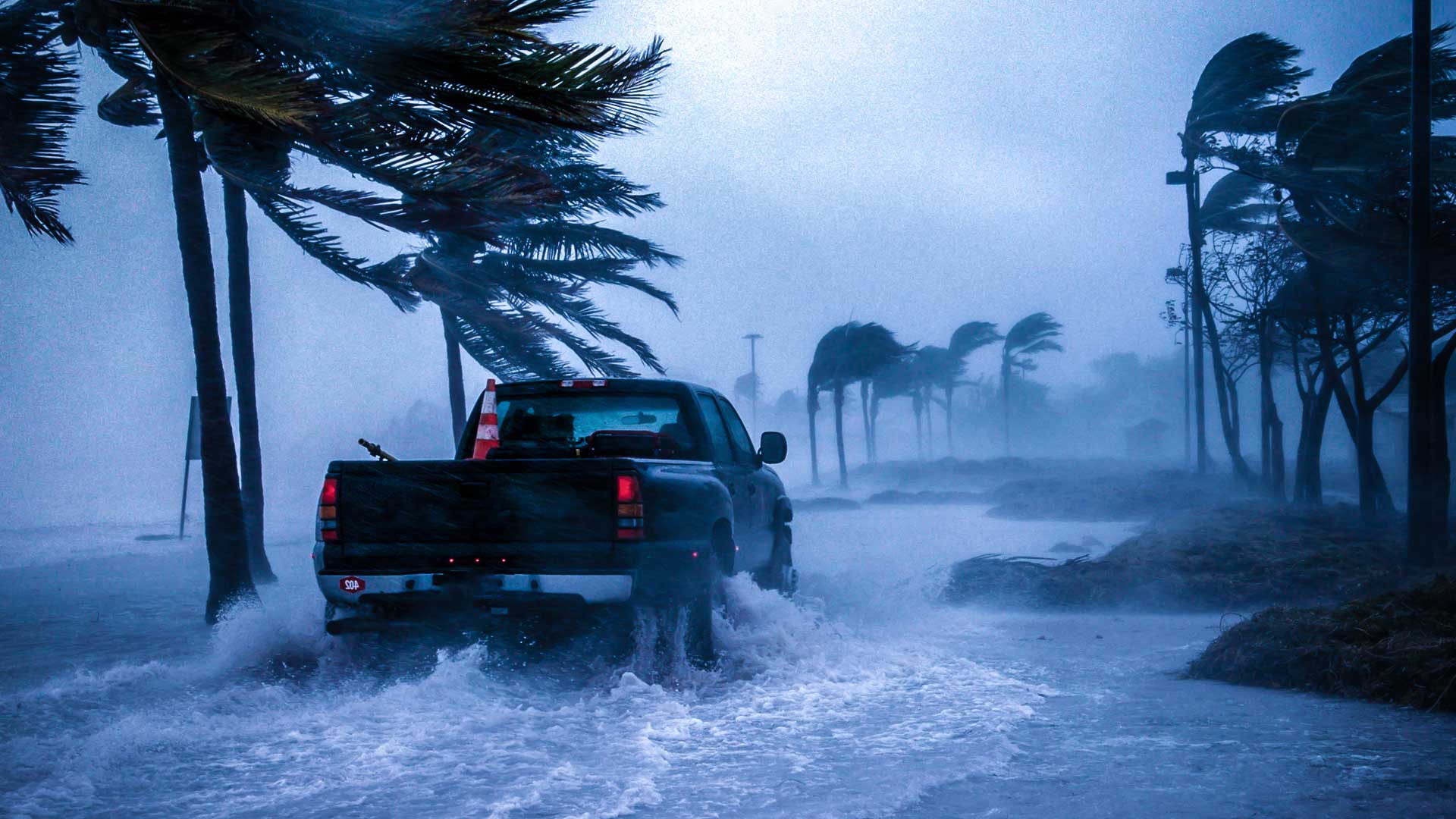
Visiting Hawaii during the wet season offers unique advantages, provided you are prepared. The islands are undeniably greener, the waterfalls are more powerful, and the crowds are often smaller, except during the peak holiday windows in December.
Why You Should Embrace the Rain
The rain is the lifeblood of the Hawaiian ecosystem. It is what sustains the vibrant foliage in places like the Waimea Canyon. If you find yourself caught in a shower, do not retreat to your hotel room immediately. In Hawaii, rain showers move quickly. Often, a “liquid sunshine” shower will dissipate within fifteen minutes, replaced by bright, clear skies.
Top Tips for Rainy Day Activities
When the clouds do decide to linger, there are plenty of ways to enjoy your destination without compromising your experience:
- Visit Cultural Sites: Spend the day learning about local heritage at the Polynesian Cultural Center or exploring the Iolani Palace. These indoor experiences are perfect for rainy afternoons.
- Explore Museums: Hawaii has a wealth of history. The Bishop Museum in Honolulu offers an extensive look into the natural and cultural history of the Pacific.
- Go Shopping: Head to open-air malls with covered walkways, such as the Ala Moana Center, where you can enjoy local retail and dining while staying sheltered.
- Try Authentic Local Cuisine: Use a rainy morning to sit down for a long, leisurely breakfast featuring local delicacies like fresh pineapple, macadamia nut pancakes, or authentic poke.
Packing Strategies for an Uncertain Forecast
The key to a successful trip to Hawaii, regardless of the season, is layers. Because the weather can shift from intense sunshine to a refreshing mist in a matter of minutes, your packing strategy should be versatile.
- Footwear: Bring waterproof sandals that provide good traction. Trails can become slick, especially when visiting nature preserves like Diamond Head.
- Outerwear: A lightweight, breathable rain jacket is essential. Avoid heavy, rubberized ponchos, which can be suffocating in the humid tropical air.
- Gear Protection: If you plan on documenting your journey, ensure you have dry bags or waterproof cases for your camera, phone, and other sensitive electronic equipment.
- Sun Protection: Never assume that clouds mean you are safe from UV rays. The Hawaiian sun is incredibly strong, and clouds can sometimes provide a false sense of security, leading to unexpected sunburns.
The Verdict on Timing Your Visit
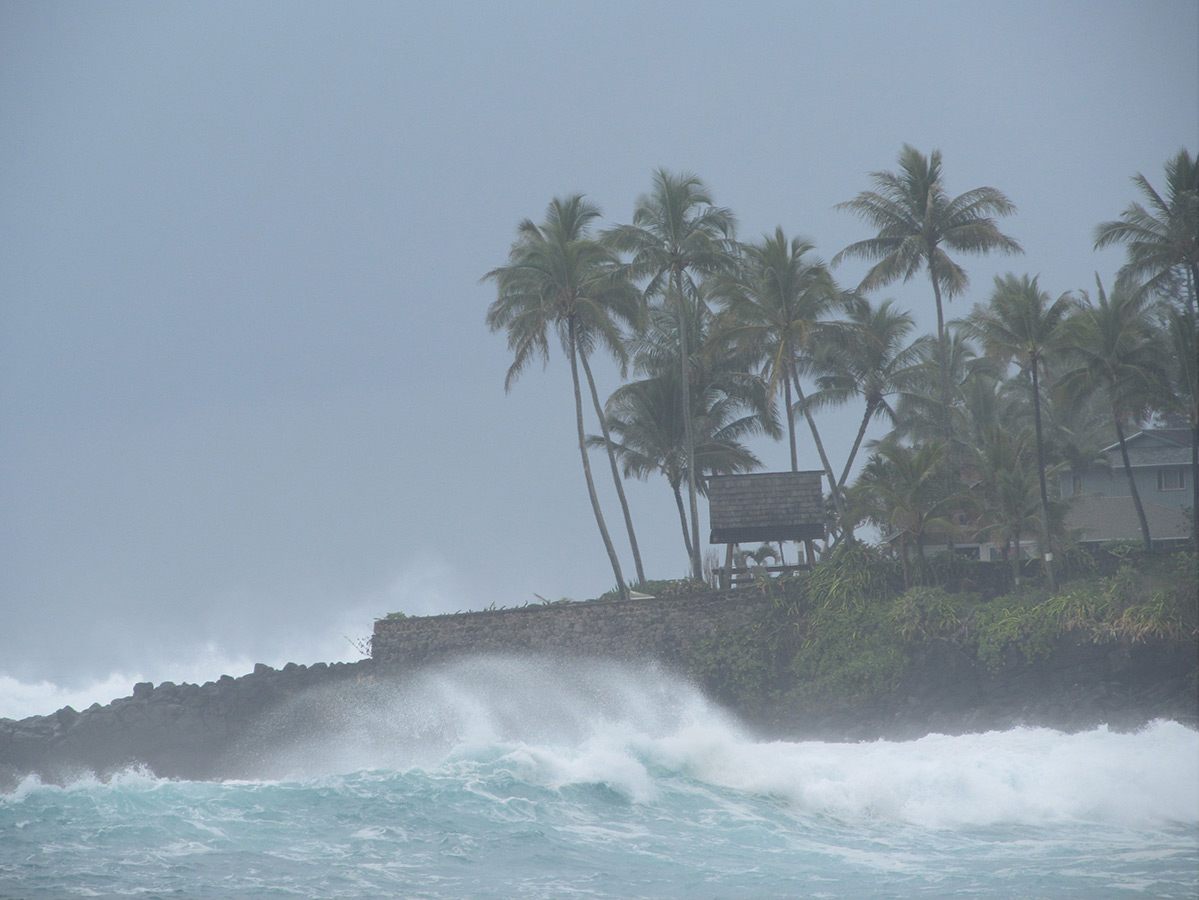
Ultimately, the rainy season should not deter you from booking your flight. The “rainy” season is a relative term in the tropics. While you might encounter more overcast days during the winter months, the islands maintain their warmth and beauty. For those seeking the absolute driest weather, aim for the months of June, July, and August. For those who enjoy cooler temperatures and are willing to trade a little bit of rain for smaller crowds and lush, vibrant landscapes, November or February can be a surprisingly rewarding time to explore the Hawaiian Islands.
Whether you are surfing the massive swells on the Banzai Pipeline during the wet season or snorkeling the crystal-clear reefs of Molokini Crater during the dry season, Hawaii is a destination that welcomes visitors year-round. Embrace the dynamic weather as part of the authentic tropical experience, and you will find that a few raindrops only serve to make the emerald mountains and golden sands seem even more brilliant.
LifeOutOfTheBox is a participant in the Amazon Services LLC Associates Program, an affiliate advertising program designed to provide a means for sites to earn advertising fees by advertising and linking to Amazon.com. Amazon, the Amazon logo, AmazonSupply, and the AmazonSupply logo are trademarks of Amazon.com, Inc. or its affiliates. As an Amazon Associate we earn affiliate commissions from qualifying purchases.