
The thrill of travel often culminates in the anticipation of checking into your chosen hotel. Whether you’ve meticulously planned a luxurious escape to a tropical resort or a budget-friendly city break, understanding the ins and outs of hotel check-in is crucial for a seamless arrival. The seemingly simple question, “When is hotel check-in?”, opens a gateway to a world of practicalities, etiquette, and potential perks that can significantly enhance your stay. This article delves into the typical check-in times, explores early arrival and late departure scenarios, and offers valuable tips to ensure your accommodation experience begins on the right foot, from the moment you step through the lobby doors.
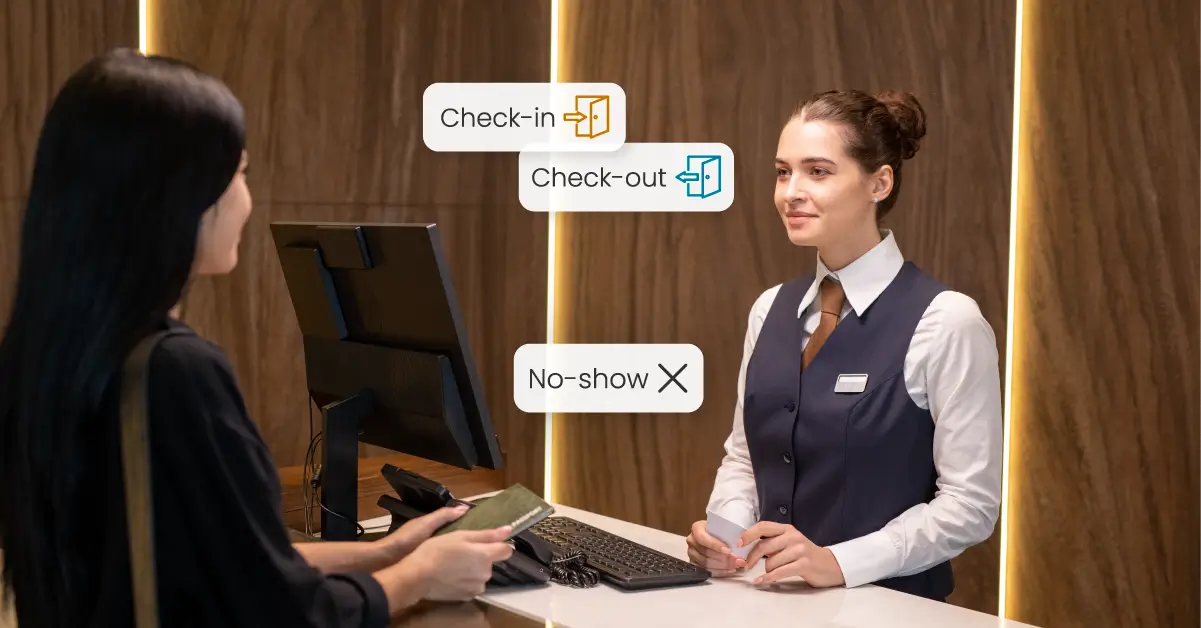
Understanding Standard Hotel Check-In Procedures
The foundation of any hotel stay begins with understanding the established protocols surrounding arrival. This involves not only knowing the designated check-in window but also what to expect and how to prepare.
The Standard Check-In Window: A Universal Guideline
Most hotels, regardless of their star rating or the type of accommodation they offer – be it grand suites, sprawling resorts, charming apartments, or exclusive villas – adhere to a general check-in window. This is typically between 2:00 PM and 4:00 PM local time. This timeframe is not arbitrary; it’s a carefully orchestrated part of the hotel’s operational rhythm.
Why These Times? The Logistics Behind the Lock
The reason behind these afternoon check-in times is primarily to allow ample time for the previous guests to check out and for the housekeeping staff to thoroughly clean and prepare the room for new arrivals. Imagine a hotel like the Ritz Carlton. They pride themselves on immaculate rooms and efficient service. For them to achieve this level of quality, they need a buffer.
- Checkout Time: Most hotels have a standard checkout time, usually between 10:00 AM and 12:00 PM (noon). This allows guests to enjoy a leisurely breakfast or a final stroll before departing.
- Housekeeping Operations: Once a room is vacated, the housekeeping team springs into action. This involves stripping the beds, cleaning bathrooms, vacuuming, dusting, restocking amenities, and conducting a final inspection. This process can take anywhere from 30 minutes to over an hour per room, depending on the size and complexity of the accommodation.
- Room Allocation and Preparation: By setting a check-in time of 2:00 PM or later, the hotel ensures that the majority of rooms will be ready and available. This prevents guests from having to wait unnecessarily in the lobby and allows the front desk staff to process arrivals efficiently.
Therefore, if you’re planning a trip to a vibrant city like New York City and have booked a room at a boutique hotel, understanding this operational flow helps manage expectations.
Essential Items to Have Ready for Check-In
To ensure a swift and hassle-free check-in process, it’s wise to have a few key items at hand. This preemptive preparation can save you time and potential frustration, especially after a long journey.
- Identification: A valid government-issued photo ID is almost always required for verification purposes. This is a standard security measure at nearly all hotels worldwide, from a humble bed and breakfast to a luxury casino resort in Las Vegas.
- Reservation Confirmation: While most systems are digital, having a copy of your booking confirmation (either printed or on your mobile device) can be helpful. This document usually contains your reservation number, dates of stay, room type, and rate, which can expedite the process.
- Credit Card: A credit card is generally required for incidentals and to pre-authorize a certain amount for potential damages or extra charges incurred during your stay. This is a standard practice even if you’ve prepaid for your room. If you do not have a credit card, some hotels may accept a cash deposit, though this is becoming less common.
- Loyalty Program Information: If you are a member of a hotel chain’s loyalty program, such as Marriott Bonvoy or Hilton Honors, have your membership number ready. This can often speed up check-in and ensure you receive any applicable benefits.
By having these items readily accessible, you can breeze through the front desk and head to your room with minimal delay, ready to start exploring the local culture or relaxing by the pool.
Navigating Early Arrivals and Late Departures
The best-laid travel plans can sometimes be disrupted by flight schedules or unexpected delays. Understanding how hotels handle guests arriving before the standard check-in time or needing to depart after the official checkout hour is essential.

Arriving Before Check-In Time: Options and Considerations
It’s a common scenario: your flight lands in the morning, and your hotel check-in isn’t until the afternoon. You’re eager to drop off your luggage and begin your adventures in a new city, perhaps Paris or Tokyo. Fortunately, most hotels offer solutions.
- Luggage Storage: The most common and universally offered service is luggage storage. Nearly all hotels, from major international chains to independent establishments, will happily store your bags if your room isn’t ready. This allows you to explore the city, have lunch, or visit nearby attractions without being burdened by your suitcases. For example, if you’ve arrived in Rome early and your room at the Hotel Hassler Roma won’t be ready until 3 PM, you can leave your luggage at the concierge desk and go see the Colosseum.
- Early Check-In: Some hotels may be able to accommodate an early check-in if your room is already cleaned and ready. This is never guaranteed and often depends on the hotel’s occupancy rate.
- Policies: Some hotels have formal early check-in policies, sometimes for an additional fee. Others offer it on a complimentary, space-available basis.
- How to Request: The best approach is to inquire at the front desk upon arrival. Be polite and explain your situation. If they can’t grant you a full early check-in, they can at least store your luggage.
- Loyalty Programs: Elite members of hotel loyalty programs often receive priority for early check-in as a perk.
- Utilizing Hotel Facilities: Even if you can’t access your room, you can often use other hotel facilities. This might include the lobby restrooms, the hotel’s restaurant or bar for a coffee, or even the gym or pool area if you wish to freshen up.
Late Check-Out: Flexibility and Fees
Similarly, you might need a little extra time in your room before heading to the airport or your next destination. Understanding the late check-out process is key.
- Standard Check-Out Time: The standard check-out time is typically between 10:00 AM and 12:00 PM. It’s important to know this time to avoid incurring late fees.
- Requesting a Late Check-Out:
- Complimentary Extension: Many hotels, especially those that are not fully booked, are willing to grant a grace period of an hour or two for late check-out without charge. Again, politeness and inquiring in advance at the front desk are crucial.
- Guaranteed Late Check-Out: For a guaranteed later check-out, hotels often charge a fee. This fee can vary, sometimes being a flat rate or a percentage of the daily room rate. This is particularly common for popular luxury hotels where room turnover is high.
- Loyalty Program Benefits: As with early check-in, elite members of loyalty programs often receive complimentary late check-out as a significant benefit.
- Alternatives if Late Check-Out Isn’t Possible: If a late check-out is not feasible, the hotel will, of course, still store your luggage. This allows you to continue enjoying the city or the hotel’s amenities until it’s time to depart. You can also often use the hotel’s common areas, such as the lounge or business center, to relax or work.
Planning your arrival and departure around these times, or proactively communicating with the hotel, ensures a smoother transition, whether you’re embarking on a family trip to Disneyland or a solo adventure to Machu Picchu.
Maximizing Your Hotel Check-In Experience
Beyond the logistical aspects, there are ways to enhance your check-in experience, turning it from a mere formality into an opportunity to gain valuable insights and potentially improve your stay.
The Front Desk: Your Gateway to Information and Assistance
The front desk is more than just a place to get your room key; it’s the central hub for guest services and information. Don’t hesitate to engage with the staff.
- Asking for Recommendations: Hotel concierges and front desk staff are often excellent sources of local knowledge. They can provide up-to-date information on attractions, recommend the best local food spots, suggest activities, and offer tips for navigating the city. Whether you’re looking for the least crowded time to visit the Louvre Museum or the best spot for authentic Italian cuisine in Florence, their advice can be invaluable.
- Understanding Hotel Amenities: While you might have seen the list of amenities online, the front desk can confirm their availability and operating hours. This is especially important for things like spa services, gym access, pool hours, or specific dining options.
- Reporting Issues Promptly: If upon entering your room you notice any issues – a malfunctioning air conditioner, a dirty stain, or a missing item – report it immediately to the front desk. Addressing problems early ensures they are resolved quickly and can prevent them from impacting your overall experience. This is crucial for maintaining comfort, especially during a long-term stay.
Special Requests and Enhancing Your Stay
Many hotels are willing to accommodate special requests, which can elevate your travel experience from good to exceptional.
- Room Preferences: If you have specific preferences, such as a room on a higher floor, away from the elevator, or with a particular view (e.g., a view of the Eiffel Tower), voice them at check-in. While not always guaranteed, staff will do their best to meet your needs.
- Occasion Celebrations: If you’re celebrating a special occasion, such as an anniversary or birthday, mention it during check-in. Many hotels offer small gestures like a complimentary bottle of wine, a room upgrade, or a small cake to make your celebration even more memorable. This is particularly common in luxury travel experiences.
- Dietary Needs: If you have specific dietary requirements for any meals or services provided by the hotel, inform the front desk. They can relay this information to the relevant departments, ensuring your needs are met.
By approaching your hotel check-in with a proactive and communicative mindset, you transform it from a simple administrative task into an integral part of your travel journey. It’s your first interaction with the hospitality team, and a positive one can set a wonderful tone for your entire stay, whether you’re on a whirlwind business stay or a relaxing vacation exploring famous places.
LifeOutOfTheBox is a participant in the Amazon Services LLC Associates Program, an affiliate advertising program designed to provide a means for sites to earn advertising fees by advertising and linking to Amazon.com. Amazon, the Amazon logo, AmazonSupply, and the AmazonSupply logo are trademarks of Amazon.com, Inc. or its affiliates. As an Amazon Associate we earn affiliate commissions from qualifying purchases.