
Alabama, often called the “Heart of Dixie,” boasts a rich heritage intertwined with the great outdoors. For enthusiasts of sport hunting, the state offers a diverse range of opportunities, from the rolling hills of the Appalachian foothills to the vast pine forests and coastal plains. Understanding the hunting seasons is paramount for a successful and compliant expedition. The Alabama Department of Conservation and Natural Resources (ADCNR) meticulously sets these dates each year, ensuring conservation efforts are prioritized while providing ample recreational time for hunters. This guide aims to demystify the hunting calendar for the most popular game species in Alabama, offering insights for both seasoned hunters and newcomers planning their adventures.
Deer Hunting in Alabama
White-tailed deer are arguably the most sought-after game animal in Alabama, and the state’s extensive woodlands provide a thriving habitat. The hunting season for deer is strategically divided into different categories to manage populations effectively and cater to various hunting methods.
Archery Season
The archery season typically kicks off in early October and extends through late January. This period allows hunters to utilize bows and arrows, a more challenging and intimate form of hunting. Archery season is particularly popular in areas where rifle hunting might be restricted or for those who appreciate the skill involved. Alabama’s diverse terrain, from the dense forests of the Black Warrior National Forest to the open fields of the Black Belt, offers excellent opportunities for archers. It’s important to remember that during archery season, hunters must adhere to specific regulations regarding arrow types and legal equipment.
Early Muzzleloader Season
Following the archery season, Alabama transitions into the early muzzleloader season, usually beginning in late October and running for several weeks. This season caters to those who enjoy the historical aspect of muzzleloading firearms. Hunters using muzzleloaders often find success in the same areas favored by archers. The early part of this season often overlaps with the tail end of archery, allowing for flexible hunting strategies. Regulations for muzzleloaders typically specify caliber, ignition type, and projectile limitations to ensure fair chase and safety.
Regular Firearm Season
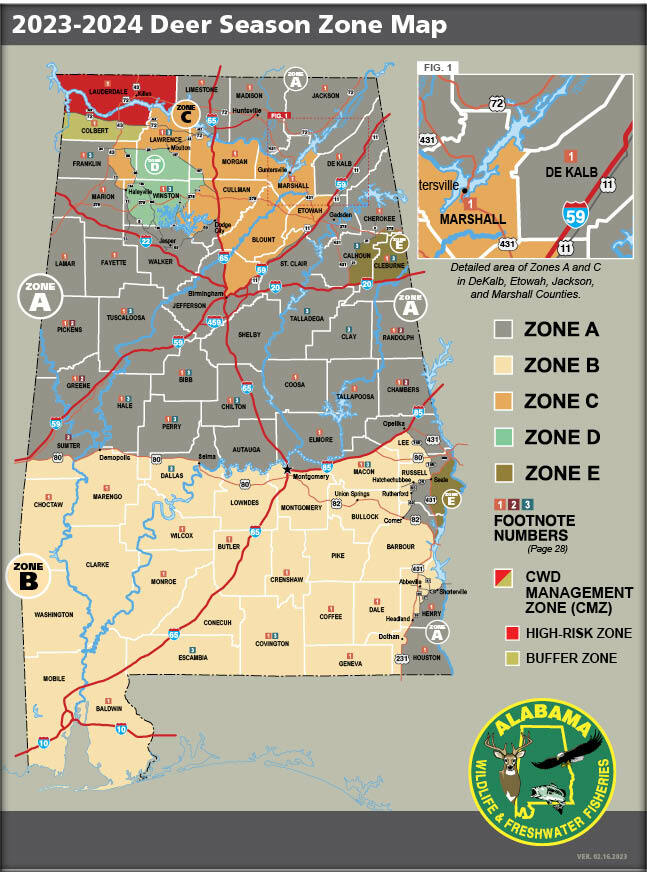
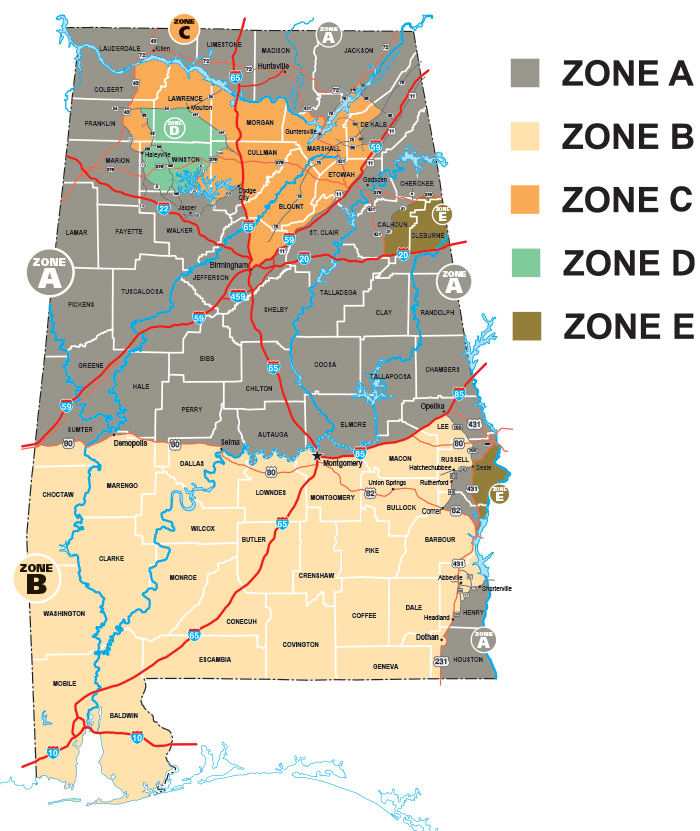
The most anticipated hunting period for many in Alabama is the regular firearm season, which generally commences in mid-November and continues until early January. This is when the state sees the highest hunter participation. The abundance of deer, coupled with the effectiveness of modern firearms, makes this period incredibly productive. The season’s opening day is often a significant event for communities across Alabama. Different zones within the state may have slightly varied opening and closing dates for the firearm season, a crucial detail for hunters to verify based on their specific hunting location. Understanding the local zoning is key to a successful firearm hunt.
Late Muzzleloader Season
After the close of the regular firearm season, Alabama offers a late muzzleloader season, typically running from early January through the end of the month. This provides an additional opportunity for muzzleloader enthusiasts to pursue deer in areas where it’s still permitted. The late season can be particularly rewarding as deer may be more actively feeding before the spring.
Antlered Buck and Antlerless Deer Regulations
Throughout the various deer hunting seasons, Alabama implements specific regulations regarding the take of antlered bucks and antlerless deer. These regulations often vary by wildlife management area (WMA) and county. For example, some areas may require a hunter to take an antlerless deer before harvesting a second antlered buck, while others may have restrictions on the number of antler points or the minimum circumference of the main beam. It is imperative for all hunters to consult the most current ADCNR regulations booklet to understand the specific bag limits and legal requirements for their chosen hunting grounds. This ensures compliance and contributes to sustainable deer population management throughout Alabama.
Turkey Hunting in Alabama
Wild turkey hunting in Alabama is a spring tradition, celebrated for its challenging and rewarding nature. The thunderous gobble of a mature tom turkey echoing through the woods is a sound that enthrills hunters. Alabama’s landscape, with its mix of hardwood forests and agricultural fields, provides excellent habitat for these magnificent birds.
Spring Turkey Season
The spring turkey season is the primary and most popular time to hunt turkeys in Alabama. It typically opens in late March or early April and runs through mid-May. During this period, male turkeys (gobblers) are actively seeking mates, making them more responsive to calls and decoys. The season is generally divided into two segments, each with its own set of regulations and permitted hunting days. Hunters can utilize various methods, including calling, stalking, and using decoys. The use of shotguns with specific shot sizes or archery equipment are the primary legal means for turkey hunting.
Legal Turkeys and Bag Limits
Alabama law specifies that only bearded turkeys (gobblers) can be legally harvested during the spring season. Hens, which lack beards (though some exceptions exist), are protected. The state also enforces bag limits, typically allowing hunters to take a certain number of gobblers per season. Similar to deer hunting, specific WMAs might have additional restrictions or quotas. Hunters must be aware of these regulations to avoid violations and to contribute to the health of turkey populations across the state. Understanding turkey behavior, particularly during the spring breeding season, is crucial for success.
Small Game Hunting in Alabama
Beyond deer and turkey, Alabama offers abundant opportunities for small game hunting. These seasons often run for extended periods, providing consistent recreational activity throughout the fall and winter months.
Squirrel Hunting
Squirrels, primarily the Eastern Gray Squirrel and the Fox Squirrel, are plentiful across Alabama. Their seasons typically open in early October and run through late February or early March. Squirrel hunting is an excellent pursuit for families and novice hunters, as it requires less specialized equipment and knowledge compared to larger game. Success often comes from patiently moving through wooded areas and listening for the tell-tale sounds of squirrels foraging. Shotguns or .22 caliber rifles are commonly used for squirrel hunting.
Rabbit Hunting
Rabbits, including the Eastern Cottontail and the Swamp Rabbit, are also a popular small game quarry. Their hunting season generally parallels that of squirrels, opening in October and extending through February. Rabbit hunting is often a pursuit enjoyed with beagles or other scent hounds, which can track the rabbits and flush them into the open for the hunter. This method adds an exciting dimension to the hunt, relying on the keen senses of the dogs.
Quail and Dove Hunting
Quail and dove hunting seasons are also significant for Alabama sportsmen. The dove season typically opens in early September, coinciding with the start of the fall migration, and runs in segments through November. This is a popular sport, especially in agricultural areas where doves congregate to feed. Quail season usually opens in November and continues through February. Historically, quail hunting was a cornerstone of Alabama’s sporting tradition, and efforts are ongoing to conserve and enhance quail populations for future generations.
Important Considerations for Hunting in Alabama
Regardless of the game species targeted, several essential factors must be considered before embarking on a hunting trip in Alabama.
Licenses and Permits
All individuals hunting in Alabama are required to possess a valid hunting license. The type of license needed depends on residency status and the specific game being pursued. Alabama offers a variety of hunting licenses, including annual, short-term, and lifetime options. In addition to a general hunting license, specific permits or stamps may be required for certain species or for hunting on designated WMAs. It is the hunter’s responsibility to ensure they have the correct and up-to-date licensing. The ADCNR’s website is the definitive source for all licensing information.
Wildlife Management Areas (WMAs)
Alabama boasts an extensive network of WMAs managed by the ADCNR. These areas provide public hunting opportunities on thousands of acres of diverse habitats. Each WMA may have specific regulations, including unique season dates, special quota hunts, and access restrictions. Hunters should thoroughly research the specific WMA they plan to visit, as rules can differ significantly. Some WMAs require advance registration or drawing for participation in certain hunts. Familiarizing oneself with the map and any posted regulations at the WMA entrance is crucial.
Hunter Education
Alabama mandates that all new hunters born after August 1, 1977, complete a hunter education course. This course covers essential topics such as firearm safety, wildlife identification, conservation principles, and ethical hunting practices. Completing this course is not only a legal requirement but also a vital step in becoming a safe and responsible hunter. Certificates of completion from recognized hunter education programs are accepted.
Safety and Ethics
Safety is paramount in all hunting activities. Hunters must always practice safe firearm handling, be aware of their surroundings, and communicate with their hunting partners. Wearing appropriate blaze orange clothing is often required, especially during firearm seasons, to enhance visibility and prevent accidents. Ethical hunting involves respecting wildlife, adhering to regulations, and ensuring that harvested game is utilized responsibly. Understanding the principles of fair chase and conservation ensures that hunting remains a sustainable and valued tradition for years to come. Planning your hunt, checking the regulations, and prioritizing safety will contribute to a memorable and successful experience in the Alabama outdoors.
LifeOutOfTheBox is a participant in the Amazon Services LLC Associates Program, an affiliate advertising program designed to provide a means for sites to earn advertising fees by advertising and linking to Amazon.com. Amazon, the Amazon logo, AmazonSupply, and the AmazonSupply logo are trademarks of Amazon.com, Inc. or its affiliates. As an Amazon Associate we earn affiliate commissions from qualifying purchases.