
Texas, the second-largest state in the United States, is a land of vast open spaces, diverse landscapes, and a rich outdoor heritage that makes it a premier destination for hunters from across the globe. From the piney woods of East Texas to the deserts of West Texas and the brush country of South Texas, the state offers unparalleled opportunities for pursuing a wide array of game animals. But for those planning a trip, whether it’s a dedicated hunting expedition, a family vacation with a hunting component, or a desire to explore the state’s natural beauty alongside its sporting traditions, the fundamental question arises: “When is hunting season in Texas?”

Understanding the intricate calendar of Texas hunting seasons is crucial for any traveler or aspiring hunter. Unlike many other states, Texas boasts an exceptionally long and varied hunting calendar, with opportunities available nearly year-round, depending on the species. This extensive period caters to different preferences and allows visitors to combine their hunting pursuits with other travel plans, exploring the state’s vibrant cities, iconic landmarks, and unique cultural experiences.
This comprehensive guide will delve into the specifics of hunting seasons for the most popular game animals in Texas, providing essential information for planning your adventure. Beyond just dates, we’ll explore the best regions for various game, discuss necessary licenses and regulations, and offer insights into how to integrate a memorable hunting trip with the broader travel, tourism, and accommodation opportunities that Texas proudly offers. Whether you’re a seasoned hunter, a curious novice, or simply a traveler looking to understand the unique lifestyle of the Lone Star State, prepare to uncover the exciting world of Texas hunting seasons.
Understanding Texas Hunting Seasons: A Primer for Travelers
Hunting seasons in Texas are meticulously managed by the Texas Parks and Wildlife Department (TPWD) to ensure sustainable wildlife populations and provide equitable opportunities for hunters. These seasons vary not only by species but often by geographical zones, reflecting the diverse ecosystems and wildlife management units across the state. For travelers, this means that careful planning is essential, as a particular season might be open in one part of Texas but closed in another.
The general approach to hunting seasons in Texas typically involves specific start and end dates for archery, general firearm, and youth-only seasons. Additionally, some species may have special extended seasons or be huntable year-round under certain conditions.
White-tailed Deer: The Crown Jewel of Texas Hunting
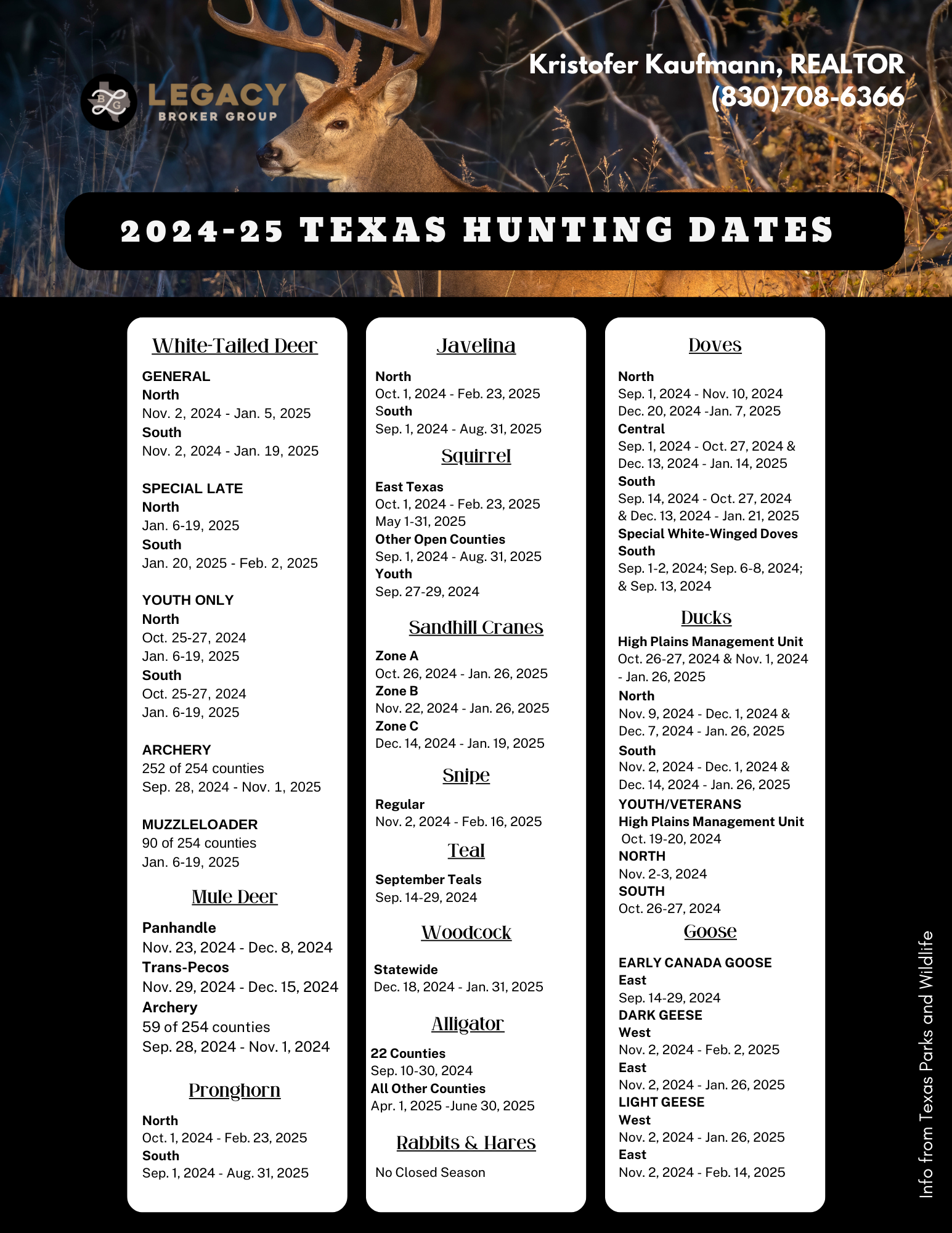
When most people think of hunting in Texas, the White-tailed Deer (whitetail) immediately comes to mind. Texas is home to the largest whitetail population in the nation, making it an unparalleled destination for deer hunters. The seasons for whitetail are divided by county and often by general regions.
- Archery Season: Typically kicks off in late September or early October, offering hunters a challenging and primitive experience before the general firearm season. This season usually runs for about a month.
- General Firearm Season: This is the most popular season and usually begins in early November, extending through the first week or two of January. The majority of the state falls under this general season. However, there are distinctions:
- North Texas: Often has slightly different dates compared to other regions.
- South Texas: Known for its trophy whitetails and thick brush, this region often has an extended general season that runs a bit longer into January.
- Muzzleloader Season: In certain counties, a short muzzleloader-only season might follow the general firearm season, providing an additional opportunity.
- Special Late Season: Some counties offer a brief “Special Late” season for whitetail does and unbranched antlered bucks, usually in mid-January.
For travelers, the prime time for a whitetail hunt often coincides with cooler fall and early winter weather, making it an ideal period to explore the Texas Hill Country, South Texas brush country, or the mixed forests of East Texas. These regions are not only prime hunting grounds but also offer scenic drives, charming small towns like Fredericksburg, and a variety of lodging options from rustic cabins to luxurious ranches.
Beyond whitetail, Mule Deer are also hunted in West Texas and the Texas Panhandle. Their season is much shorter, typically running for about two weeks in November, and is often permit-based due to lower populations. Visiting West Texas during this time could be combined with a trip to Big Bend National Park or Guadalupe Mountains National Park for incredible hiking and stargazing.
Migratory Birds: Dove, Duck, and Goose Seasons
Texas is a crucial stop on the Central Flyway, making it a hotspot for migratory bird hunting. The state offers diverse opportunities for Dove, Duck, and Goose hunters, attracting enthusiasts seeking fast-paced action and abundant bags.
- Dove Season: This is arguably the most anticipated opening day for many Texas hunters. Dove season typically begins in early September and is split into three zones: North, Central, and South.
- North and Central Zones: Open first, usually the first weekend of September, and run for about 45 days. A second segment might open later in December.
- South Zone: Opens about a week later than the other zones and often has a longer, continuous season.
The early September opener means warm weather, making it an excellent time to visit regions like the Texas Hill Country or the agricultural fields near Dallas and Fort Worth. After a morning hunt, visitors can enjoy local wineries, craft breweries, or explore city attractions.
- Duck and Goose Seasons: Waterfowl seasons vary significantly by zone (High Plains, North Zone, South Zone, Texas Coast) and by specific species (e.g., Pintail, Mallard, Teal).
- Early Teal Season: Often kicks off in mid-September, offering a brief, exciting nine-day hunt for Blue-winged, Green-winged, and Cinnamon Teal before the main duck seasons.
- General Duck Seasons: Typically open in late October or early November and run through January, sometimes into February, often with a mid-season closure.
- Goose Seasons: Snow, Ross’s, and Greater White-fronted Geese seasons generally run from November through January or early February. Conservation Order seasons for light geese (Snow and Ross’s) can extend even longer, often into March, with special regulations.
Waterfowl hunting often takes place along the Texas Gulf Coast near cities like Houston, Corpus Christi, and Galveston, or in the agricultural areas of the Texas Panhandle. These coastal areas offer a blend of hunting with beach tourism, seafood dining, and attractions like Space Center Houston or South Padre Island.
Wild Turkey and Other Upland Game
Texas is renowned for its Wild Turkey hunting, particularly the abundant Rio Grande Turkey. There are both fall and spring seasons, allowing hunters to experience the challenge of calling in these wary birds.
- Fall Turkey Season: Coincides with the general deer season in many areas, usually from early November through January. In some counties, fall turkey hunting is restricted to hens or gobblers, or both.
- Spring Turkey Season: This is the most popular time for turkey hunting, with hunters seeking gobblers. Spring season typically starts in late March or early April and runs through mid-May, varying by region (North Zone, South Zone). The Edwards Plateau and Texas Hill Country are prime locations for spring turkey, known for their picturesque landscapes and robust turkey populations.
- A smaller population of Eastern Turkey is found in East Texas, with a much more limited and short spring season, often permit-based.
Other upland game birds like Quail and Pheasant also have dedicated seasons. Quail season typically runs from late October through late February, primarily in South Texas and the Texas Panhandle. Pheasant season is much shorter, usually in December, and restricted to certain counties in the Texas Panhandle. These seasons offer a classic wingshooting experience amidst diverse Texas landscapes.
Feral Hogs and Exotic Species: Year-Round Opportunities
One of the unique aspects of hunting in Texas is the year-round opportunity to hunt certain species, most notably Feral Hogs and a variety of exotic animals.
- Feral Hogs: Considered an invasive species, Feral Hogs can be hunted year-round with no bag limit on private land. This makes them an excellent target for hunters looking for an additional challenge outside of traditional seasons, or for those seeking a unique hunting experience. Many outfitters specialize in hog hunts, often using various methods including spot-and-stalk, stand hunting, and even thermal hunting at night. This continuous season provides incredible flexibility for travelers, allowing them to schedule a hunt anytime they visit.
- Exotic Species: Texas is home to a thriving exotic game industry, with species like Axis Deer, Blackbuck Antelope, Aoudad Sheep, and many others thriving on private ranches. These animals are not native to Texas and, therefore, are not regulated by the Texas Parks and Wildlife Department in terms of season dates. This means exotic species can be hunted year-round on high-fenced private properties, offering another fantastic option for travelers looking for a unique and flexible hunting experience. Many ranches offering exotic hunts also provide luxury accommodation, gourmet dining, and additional activities, blending a high-quality hunting experience with a resort-style vacation.
These year-round opportunities for Feral Hogs and exotics mean that no matter when you decide to visit Texas, you can incorporate a hunting adventure into your itinerary.
Planning Your Texas Hunting Trip: Beyond the Hunt

A successful hunting trip to Texas requires more than just knowing the season dates; it involves careful planning of your destination, accommodation, and adherence to regulations. Integrating these elements with the broader travel and tourism offerings of Texas can transform a simple hunt into an unforgettable adventure.
Choosing Your Destination: Regions and Their Unique Charms
Texas is incredibly diverse, and the best region for your hunt depends heavily on the species you target and the type of experience you desire.
- South Texas: Famous for trophy White-tailed Deer and excellent Quail hunting, this region is characterized by dense brush and expansive ranches, many of which offer high-end hunting lodges. Areas around Laredo and Carrizo Springs are particularly popular.
- Texas Hill Country: A picturesque landscape of rolling hills, spring-fed rivers, and live oaks, the Hill Country is a hotspot for White-tailed Deer, Rio Grande Turkey, and exotic game. Cities like San Antonio and Austin are nearby, offering vibrant cultural scenes. Fredericksburg is a charming town known for its wineries and German heritage.
- Texas Panhandle and West Texas: Ideal for Mule Deer, Pronghorn (limited draw permits), Aoudad Sheep, Quail, and waterfowl. This arid, rugged landscape offers a challenging and wild hunting experience. Don’t miss exploring Palo Duro Canyon State Park near Amarillo or the breathtaking vistas of Big Bend National Park.
- East Texas: Characterized by pine forests and hardwood bottoms, this region offers good opportunities for White-tailed Deer, Eastern Turkey (limited), and Feral Hogs.
- Texas Gulf Coast: The premier destination for waterfowl hunting, with abundant Duck and Goose populations. Coastal towns like Rockport and Port O’Connor offer excellent access to prime wetlands.
Consider what other attractions or activities you might want to combine with your hunt. If you’re traveling with family who aren’t hunting, a destination near a major city like San Antonio or Houston might be ideal, allowing for both outdoor pursuits and urban exploration.
Accommodation for Hunters: From Rustic to Luxurious
Texas offers a vast spectrum of accommodation options catering to every budget and preference, from basic campsites to five-star resorts and specialized hunting lodges.
- Hunting Ranches and Lodges: Many private ranches, especially in South Texas and the Hill Country, offer all-inclusive hunting packages that include lodging, meals, guides, and game processing. These can range from comfortable, rustic cabins to opulent lodges with amenities like hot tubs, gourmet chefs, and spa services. Resorts such as the Lajitas Golf Resort in West Texas offer a blend of outdoor activities, including hunting, with luxury resort amenities.
- Hotels and Resorts: If you’re hunting on public land, with an outfitter, or simply prefer to keep your options open, staying in nearby towns or cities provides access to a wide range of hotels. For instance, a hunting trip in the Hill Country could involve staying at the JW Marriott San Antonio Hill Country Resort & Spa for a blend of luxury and convenience, or a boutique hotel like The Driskill Hotel in Austin for a more urban experience.
- Vacation Rentals: Platforms like Airbnb and Vrbo offer a plethora of vacation homes, cabins, and even entire ranches for rent, providing flexibility and often more space, which can be ideal for groups or families.
- Camping: For the most budget-conscious or those seeking a truly immersive outdoor experience, many Texas State Parks and wildlife management areas offer camping facilities. This allows hunters to be closer to their hunting grounds and enjoy the natural surroundings.
When booking accommodation, especially during peak hunting seasons (November-January for deer, September for dove, March-May for spring turkey), it’s advisable to book well in advance, particularly if you’re targeting popular areas. Look for places that offer hunter-friendly amenities such as game cleaning stations or freezer space.
Essential Permits, Licenses, and Regulations
Before embarking on any hunting trip in Texas, obtaining the correct licenses and understanding the regulations is paramount.
- Hunting License: All hunters, resident and non-resident, must possess a valid Texas hunting license. Various types are available, including annual licenses, youth licenses, and specific licenses for certain species or activities (e.g., migratory bird endorsements, Archery Stamp, Federal Duck Stamp). Non-resident general hunting licenses are significantly more expensive than resident ones.
- Hunter Education: Anyone born on or after September 2, 1971, must complete a hunter education course or deferral unless accompanied by a licensed hunter born before September 2, 1971. This is a crucial safety and ethical requirement.
- Public vs. Private Land: The vast majority of hunting in Texas takes place on private land. If you plan to hunt on private property, you must have landowner permission. Hunting on public land, such as Wildlife Management Areas (WMAs) or National Forests, often requires specific public hunting permits (e.g., an Annual Public Hunting Permit) and adherence to area-specific rules and draw systems.
- Regulations: Always consult the current year’s Texas Parks and Wildlife Department Outdoor Annual, available online and at license vendors. This guide details bag limits, legal means and methods, possession limits, tagging requirements, and county-specific regulations. Regulations can change annually, so relying on outdated information is risky.
Ignoring any of these requirements can lead to severe penalties, including fines, loss of hunting privileges, and even criminal charges. Responsible hunters prioritize safety, ethics, and compliance with all laws.
Experiencing Texas Culture and Attractions
A hunting trip to Texas doesn’t have to be solely about the chase. The state’s rich culture, diverse attractions, and delicious cuisine offer ample opportunities to enhance your travel experience, whether you’re bringing family along or simply looking to unwind after a successful day in the field.
Blending Outdoor Adventure with Local Delights
Beyond the hunt, Texas invites you to explore its unique identity.
- Culinary Adventures: Texas is a food lover’s paradise. Indulge in authentic Texas BBQ, savor fresh seafood along the coast, or try Tex-Mex cuisine in its birthplace. Many hunting lodges offer gourmet meals featuring wild game, providing a farm-to-table (or field-to-table) experience. In cities like Austin, the food truck scene is legendary, offering everything from artisan tacos to international fusion.
- Wine and Craft Beer Trails: The Texas Hill Country boasts a rapidly growing wine industry, with numerous vineyards and tasting rooms around Fredericksburg and Johnson City. Craft breweries are also flourishing across the state, particularly in Austin and Dallas, offering tours and tastings.
- Live Music and Entertainment: Austin is the “Live Music Capital of the World,” with countless venues offering everything from country to blues to indie rock. Dallas and Houston also feature vibrant arts and entertainment scenes, including Broadway shows, concerts, and professional sports.
- Ranch Life Experiences: For those interested in the authentic Texas cowboy lifestyle, some working ranches offer guest experiences that include horseback riding, cattle drives, and cowboy cookouts, providing a deeper dive into the state’s heritage.
Family-Friendly Activities and Landmarks
If your hunting trip doubles as a family vacation, Texas has an abundance of attractions to keep everyone entertained.
- Historic San Antonio: A must-visit city with iconic landmarks like The Alamo and the picturesque River Walk. Family-friendly attractions include Six Flags Fiesta Texas, SeaWorld San Antonio, and Natural Bridge Caverns.
- Cosmic Houston: Home to Space Center Houston, a fantastic destination for aspiring astronauts and science enthusiasts. Houston also boasts a world-class Museum District and the Houston Zoo.
- Thriving Dallas and Fort Worth: Explore the historic Fort Worth Stockyards National Historic District for daily cattle drives, rodeos, and Western-themed entertainment. Dallas offers cultural institutions, shopping, and amusement parks like Six Flags Over Texas.
- Coastal Charms: Galveston Island provides historic architecture, Pleasure Pier amusement rides, and sandy beaches. Further south, South Padre Island is known for its beautiful beaches, birdwatching, and marine life. Padre Island National Seashore offers miles of undeveloped coastline, perfect for nature lovers.
- Natural Wonders: Beyond the hunting grounds, explore state parks like Enchanted Rock State Natural Area in the Hill Country for hiking and spectacular views, or the majestic Palo Duro Canyon State Park in the Panhandle, the second-largest canyon in the United States.
Combining a hunting trip with these diverse attractions offers a comprehensive Texas experience, ensuring there’s something for everyone in your travel party.
Responsible Hunting and Sustainable Tourism
As you plan your hunting adventure in Texas, remember that responsible hunting is a cornerstone of conservation. Hunters contribute significantly to wildlife management through license fees and excise taxes on equipment, funding vital conservation programs across the state.
- Ethical Practices: Adhere to fair chase principles, respect wildlife and property, and practice safe firearm handling at all times.
- Conservation: Understand bag limits and regulations are designed to ensure sustainable populations for future generations. Participate in habitat improvement efforts where possible.
- Leave No Trace: Whether on public or private land, always pack out what you pack in, leaving the environment cleaner than you found it.
- Support Local Communities: Your travel and tourism dollars support the small towns and rural communities that often serve as gateways to prime hunting areas. Stay at local hotels, dine at local restaurants, and purchase supplies from local businesses to contribute to the economic well-being of these regions.
By embracing responsible hunting practices and integrating them with mindful tourism, you not only ensure a successful and enjoyable trip but also contribute positively to the preservation of Texas’ natural resources and its vibrant outdoor legacy. When is hunting season in Texas? It’s almost always, somewhere, for something. And each season offers a unique gateway to explore the unparalleled beauty and spirit of the Lone Star State.
LifeOutOfTheBox is a participant in the Amazon Services LLC Associates Program, an affiliate advertising program designed to provide a means for sites to earn advertising fees by advertising and linking to Amazon.com. Amazon, the Amazon logo, AmazonSupply, and the AmazonSupply logo are trademarks of Amazon.com, Inc. or its affiliates. As an Amazon Associate we earn affiliate commissions from qualifying purchases.