
Florida, often affectionately known as the Sunshine State, is a magnet for travelers worldwide, drawing millions with its pristine beaches, vibrant cities, world-class theme parks, and diverse natural landscapes. From the magical allure of Walt Disney World Resort in Orlando to the Art Deco charm of Miami Beach and the serene beauty of the Florida Keys, this destination offers an unparalleled array of experiences. Whether you’re planning a family adventure, a romantic escape, or a solo exploration, Florida’s attractions cater to every taste. However, for all its splendor, Florida lies within a region susceptible to tropical weather systems, particularly during hurricane season. Understanding when hurricanes are most likely to impact the state isn’t just about anticipating bad weather; it’s about safeguarding your travel investment, ensuring your safety, and making informed decisions for a truly enjoyable trip. This comprehensive guide will delve into the intricacies of Florida‘s hurricane season, offering essential tips for travelers on preparation, navigation, and how to make the most of your visit, regardless of the forecast.
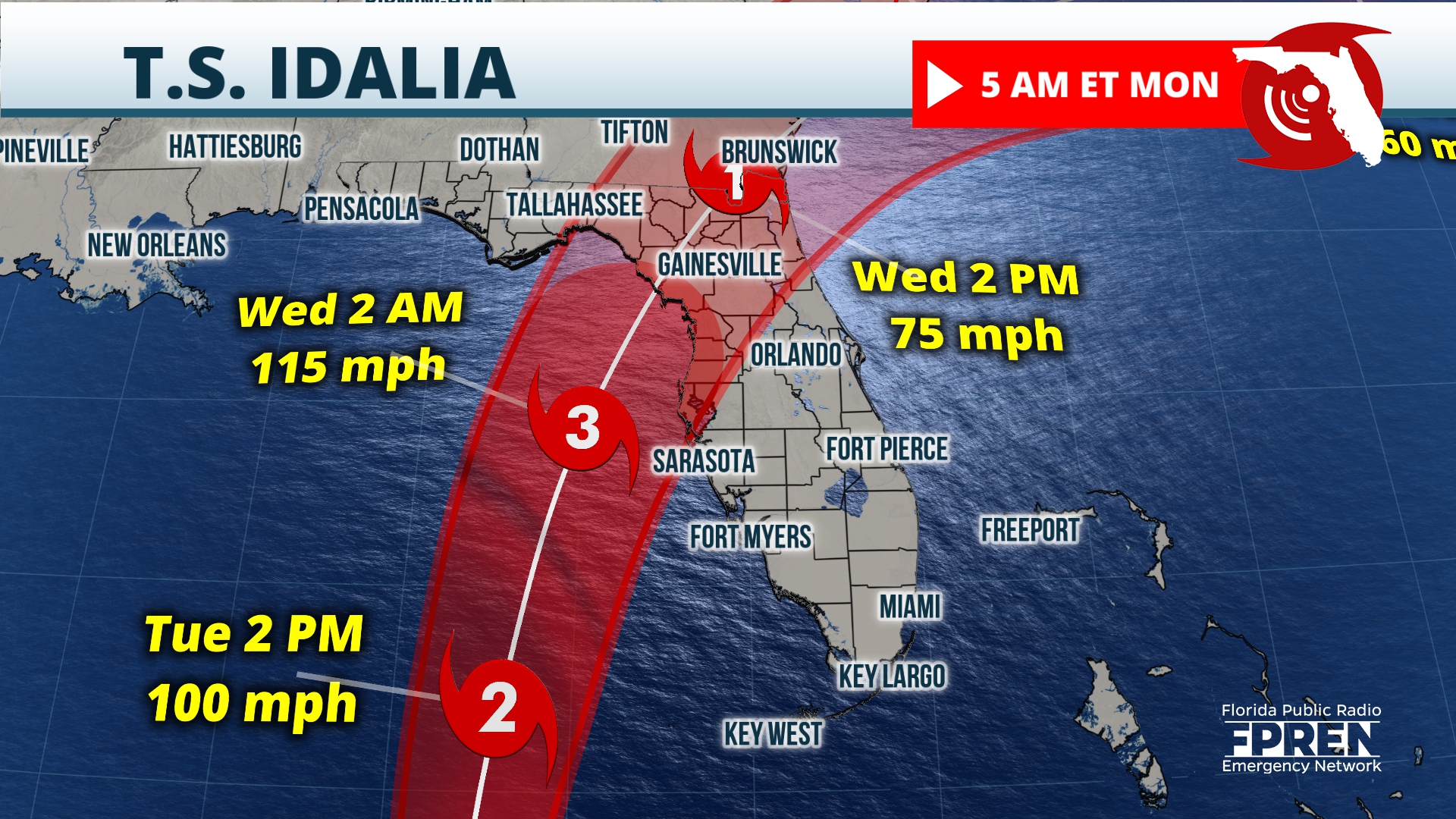
Understanding Florida’s Hurricane Season
The unpredictability of weather events can sometimes cast a shadow over travel plans, but with adequate knowledge and preparation, navigating Florida’s hurricane season can be managed effectively. It’s crucial for any traveler considering a visit during these months to be well-informed about the official timeline and the underlying meteorological factors that contribute to hurricane formation.
The Official Calendar and Peak Periods
The Atlantic hurricane season officially runs from June 1st to November 30th each year. This six-month window is when the conditions in the Atlantic Ocean, Caribbean Sea, and Gulf of Mexico are most conducive to the development of tropical cyclones. While storms can form at any point within this period, historical data indicates a distinct peak in activity. The most intense period, when the vast majority of significant hurricanes tend to develop and make landfall, typically falls between mid-August and late October. During these peak months, ocean waters reach their warmest temperatures, providing the necessary energy for tropical disturbances to strengthen rapidly. Additionally, favorable atmospheric conditions, such as reduced wind shear, become more prevalent, allowing nascent storms to organize and intensify.
Understanding this timeline is the first step in planning. Visiting Florida outside of these peak months, particularly from December through May, significantly reduces the likelihood of encountering a hurricane. However, for those whose schedules necessitate travel during hurricane season, awareness and proactive planning become paramount. It’s worth noting that while the season is clearly defined, not every year brings a major hurricane to Florida, and many storms pass without directly impacting the state. Yet, the possibility remains, making vigilance essential.
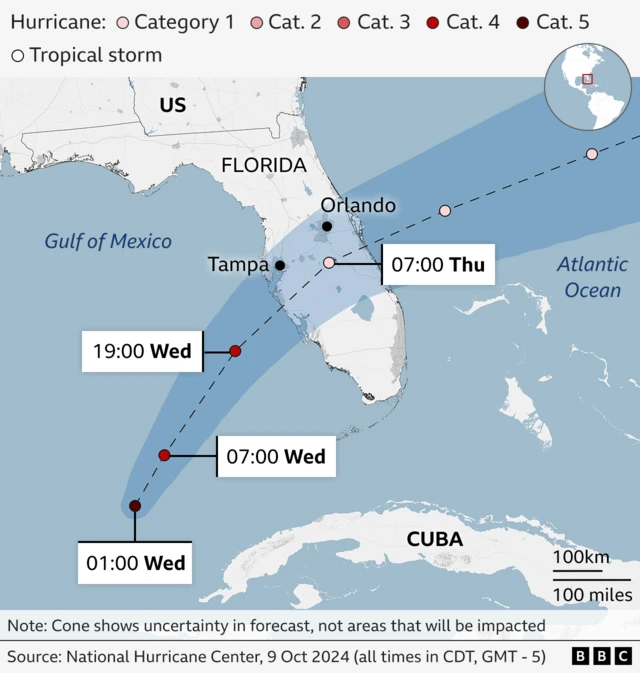
Distinguishing Between Tropical Storms and Hurricanes
When monitoring weather forecasts, you’ll often hear terms like “tropical depression,” “tropical storm,” and “hurricane.” While all indicate organized systems of revolving thunderstorms, their classifications denote varying levels of intensity and potential threat.
A tropical depression is the weakest form of tropical cyclone, characterized by sustained winds of up to 38 miles per hour (62 km/h). At this stage, they typically bring heavy rainfall but pose a relatively low risk of significant structural damage. As a tropical depression intensifies, its sustained winds increase. Once they reach between 39 and 73 mph (63-118 km/h), the system is upgraded to a tropical storm. At this point, it receives a name (e.g., Tropical Storm Arthur). Tropical storms can bring substantial rainfall, coastal flooding, and moderate wind damage, enough to disrupt travel plans and potentially cause power outages.
The most severe classification is a hurricane, which occurs when sustained winds reach 74 mph (119 km/h) or higher. Hurricanes are categorized on the Saffir-Simpson Hurricane Wind Scale, ranging from Category 1 (74-95 mph) to Category 5 (157 mph or higher). The higher the category, the more devastating the potential impact, including catastrophic wind damage, widespread power outages, severe storm surge, and inland flooding. For travelers, understanding these distinctions is crucial because preparation and response strategies differ based on the intensity of the approaching storm. While a tropical storm might warrant minor adjustments to plans, a hurricane, especially Category 3 or higher, almost certainly requires evacuation from coastal areas and significant travel disruptions. Organizations like the National Hurricane Center (NHC), a division of the NOAA, provide critical, real-time updates and advisories that travelers should follow diligently.
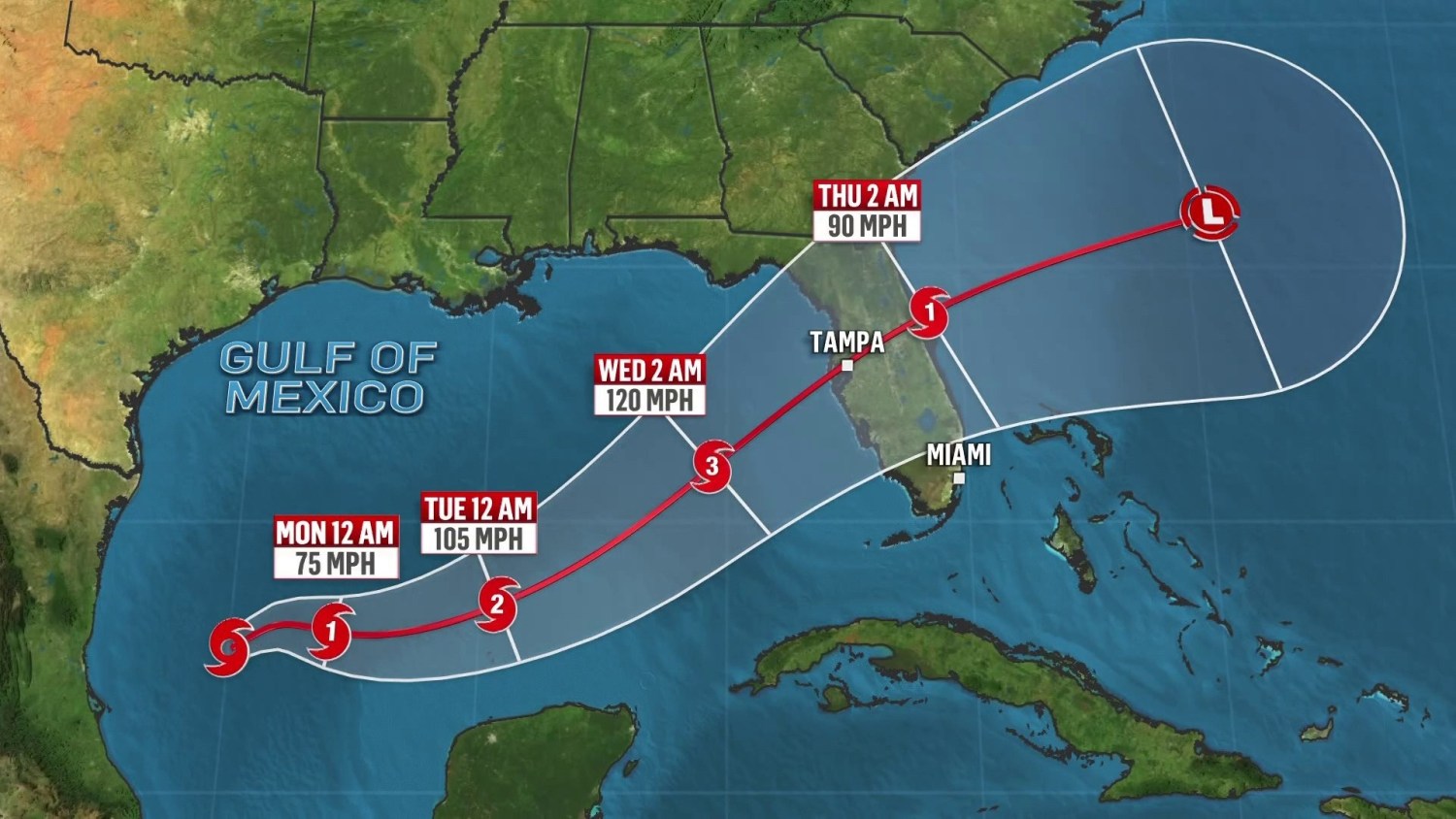
Essential Preparation for Florida Travelers
Visiting Florida during hurricane season doesn’t have to be a gamble, but it does require a heightened level of planning and awareness. Proactive steps taken before and during your trip can make a significant difference in ensuring both your safety and the smooth execution of your travel plans. From choosing the right time to visit to securing adequate financial protection, these preparations are vital for a worry-free experience.
Before You Book: Timing Your Visit Wisely
The most straightforward way to minimize the risk of hurricane disruption is to plan your Florida getaway outside the official hurricane season. The period from December to May is widely considered the best time to visit, offering consistently pleasant weather, lower humidity, and virtually no threat of tropical cyclones. During these months, temperatures are ideal for exploring Florida’s diverse attractions, from the sunny shores of South Florida to the pristine springs of Central Florida and the historic charm of North Florida. Crowds may be heavier during peak holiday periods like Christmas, New Year’s, and Spring Break, particularly at destinations like Walt Disney World Resort and Universal Studios Florida, so booking accommodation and flights well in advance is advisable.
If your travel dates must fall within hurricane season, consider the shoulder months of June and November. While still technically within the season, these months generally see less activity compared to the peak months of August, September, and October. Traveling during these times can also offer advantages such as fewer crowds and potentially lower prices on hotels and flights, as it’s often considered the off-season. However, if you choose to travel during the peak, acknowledge the increased risk and intensify your preparatory measures, focusing heavily on flexible bookings and comprehensive travel insurance.
The Lifeline of Travel Insurance
For any trip to Florida during hurricane season, comprehensive travel insurance isn’t just a recommendation; it’s a necessity. This single investment can protect you from significant financial losses due to unforeseen weather events. When selecting a policy, pay close attention to the coverage specifics related to hurricanes and tropical storms. Look for policies that include:
- Trip Cancellation/Interruption: This covers non-refundable costs if your trip is canceled or cut short due to a named storm affecting your destination or your ability to depart. Be aware of “named storm” clauses; generally, policies only cover events after a storm has been officially named.
- Weather-Related Delays: Coverage for extra expenses incurred due to flight delays or missed connections caused by severe weather.
- Evacuation Coverage: Reimbursement for costs if you need to evacuate your resort or destination due to an official mandate.
- Medical Emergencies: While not directly hurricane-related, any policy should include robust medical coverage, as emergencies can arise at any time, and access to medical facilities might be complicated during or after a storm.
It’s crucial to purchase travel insurance as soon as you book your trip, ideally before a storm system even begins to develop. Policies typically do not cover events that were already foreseeable or known at the time of purchase. Always read the fine print carefully, understand the exclusions, and clarify any doubts with the insurance provider. Some premium policies even offer “cancel for any reason” (CFAR) coverage, which, while more expensive, provides maximum flexibility if you decide to cancel your trip due to general concerns about hurricane season, even without an official advisory.
Monitoring Weather and Official Advisories
Staying informed is perhaps the most crucial aspect of hurricane season travel. Before and during your trip, make it a habit to monitor reliable weather sources and official advisories. The primary authority for hurricane forecasting in the United States is the National Hurricane Center (NHC), part of the National Oceanic and Atmospheric Administration (NOAA). Their website provides real-time updates, storm tracks, intensity forecasts, and watches/warnings for all active tropical systems.
Beyond the NHC, utilize local news channels, emergency management websites for specific Florida counties (e.g., Miami-Dade County Emergency Management, Orange County Emergency Management), and reputable weather apps. Many hotels and resorts in Florida also have internal hurricane preparedness plans and will communicate directly with guests regarding any threats or operational changes. Enroll in any guest notification systems offered by your accommodation. Having multiple trusted sources ensures you receive comprehensive information, allowing you to react promptly to any evolving situation. Remember, forecasts can change rapidly, so continuous monitoring is key.
Navigating Travel During Hurricane Season
Despite careful planning, sometimes a storm develops or shifts course, directly impacting your travel to Florida. Knowing how to react and what to expect during such an event is paramount, not only for your peace of mind but for your safety. This section will guide you through managing your stay, understanding potential disruptions to transportation and attractions, and maintaining flexibility.
Accommodation and Evacuation Strategies
If a hurricane threatens your chosen destination in Florida, your accommodation provider will likely be your first point of contact for local information and guidance. Most hotels and resorts in hurricane-prone areas have comprehensive emergency plans, including procedures for guest communication, sheltering in place, or evacuation. Familiarize yourself with your hotel’s policies upon arrival. Understand their cancellation policy for storm-related events and whether they offer flexibility for rebooking.
More importantly, be aware of local evacuation zones and routes. Florida counties utilize clearly defined zones, particularly in coastal areas like Miami, Fort Lauderdale, Tampa, and the Florida Keys, indicating which areas are most vulnerable to storm surge. If an evacuation order is issued for your zone, take it seriously and comply promptly. Have a “go-bag” prepared with essentials: medications, important documents (IDs, insurance papers), a change of clothes, non-perishable snacks, water, a first-aid kit, and chargers for electronic devices. Even if you don’t anticipate needing to evacuate, it’s wise to have such a bag ready. If you are traveling by rental car, ensure it’s fueled and you have a map of potential evacuation routes, as GPS systems might be unreliable or direct you to closed roads during an emergency. Always follow the instructions of local authorities and emergency personnel.
Impact on Flights, Cruises, and Attractions
Hurricanes inevitably lead to significant disruptions across the travel industry.
Flights: Airlines will often issue travel waivers, allowing passengers to change their flights without penalty if a hurricane threatens their destination. Be prepared for flight delays, cancellations, and airport closures. Monitor your airline’s website and app constantly for updates. If your flight is canceled, prioritize rebooking as early as possible, as seats on subsequent flights fill up quickly.
Cruises: Cruise lines operating out of Florida ports such as Miami, Fort Lauderdale, and Port Canaveral are adept at rerouting ships to avoid storms. Your itinerary might change, or your cruise could be delayed or canceled entirely. Stay in close communication with your cruise line for the latest information.
Attractions: Major Florida attractions like Walt Disney World Resort, Universal Orlando Resort, Busch Gardens Tampa Bay, and SeaWorld Orlando have well-established hurricane policies. They may close early, delay openings, or shut down completely for several days depending on the severity of the storm. Beaches will often be closed, and water-based activities or tours might be suspended. Always check the official websites or social media channels of the specific attractions you plan to visit for their operational status. Flexibility is your greatest asset during hurricane season travel; have backup plans and be ready to adapt your schedule.
Post-Hurricane Florida: Resilience and Recovery
Florida’s history is punctuated by major hurricanes, yet the state and its communities consistently demonstrate remarkable resilience. After a storm passes, the focus immediately shifts to recovery. For travelers, understanding this phase is crucial, as it impacts not only immediate travel plans but also the long-term experience of visiting affected areas.
Returning to Normalcy: What Travelers Should Expect
The immediate aftermath of a hurricane can be challenging. Depending on the storm’s intensity and path, areas might experience power outages, sometimes lasting for days or even weeks. Infrastructure, including roads, bridges, and cellular networks, can be damaged, affecting transportation and communication. Local businesses, including restaurants, shops, and tour operators, may also be closed as they assess damage, clean up, and await power restoration.
For travelers who remain in Florida during a hurricane, patience and adaptability are key. Supplies at grocery stores and gas stations might be limited or temporarily unavailable. While resorts and larger hotels often have generators and extensive emergency protocols to care for guests, smaller accommodations might struggle more. Expect a slower pace of life, and be prepared for limited access to amenities and certain attractions in directly impacted areas. It’s important to respect local efforts to restore essential services and focus on community recovery. Avoid sightseeing in heavily damaged areas to allow emergency responders and utility workers to do their jobs unhindered.
However, the spirit of Florida communities is strong. Recovery efforts are often swift and comprehensive, with government agencies, charities, and local residents working together. Many popular tourist destinations, especially the major theme parks in Orlando, are inland and often experience less severe impacts, allowing them to resume operations relatively quickly. Even in coastal areas, the vibrant tourism industry is a vital part of the recovery, and supporting local businesses once they reopen helps these communities get back on their feet.
The Best Times to Experience Florida Unhindered
To truly experience Florida at its best, free from the concerns of tropical weather, the period from December to May stands out as the ideal travel window. During these months, the weather is typically glorious across the entire state.
In winter (December to February), Florida offers comfortably warm temperatures, making it a perfect escape from colder climates. This is an excellent time for enjoying the beaches of South Florida like Key West and Naples, exploring Everglades National Park, or experiencing the magic of Disney World without the oppressive summer humidity.
Spring (March to May) brings increasingly warmer temperatures, beautiful blooming landscapes, and a plethora of festivals and events. It’s fantastic for visiting St. Augustine’s historic sites, enjoying the outdoor activities along the Florida Gulf Coast in Sarasota or Clearwater, or diving into the thrilling theme parks before the summer crowds and heat arrive.
By planning your trip during these less volatile times, you can fully immerse yourself in Florida’s diverse offerings, from its world-renowned attractions and luxurious resorts to its serene natural wonders and vibrant local culture, ensuring a truly unhindered and memorable lifestyle experience.
In conclusion, while the question “When is hurricane hitting Florida?” doesn’t have a single, precise answer, understanding the official hurricane season (June 1st to November 30th) and its peak periods (mid-August to late October) is crucial for any traveler. With thoughtful planning, comprehensive travel insurance, diligent monitoring of official weather advisories, and a flexible mindset, a trip to Florida during these months can still be enjoyable. However, for those seeking the most guaranteed serene and predictable weather conditions, planning your visit between December and May remains the optimal choice. Florida is an extraordinary destination, and armed with the right information, you can ensure your travel experience is safe, seamless, and filled with cherished memories, regardless of the season.
LifeOutOfTheBox is a participant in the Amazon Services LLC Associates Program, an affiliate advertising program designed to provide a means for sites to earn advertising fees by advertising and linking to Amazon.com. Amazon, the Amazon logo, AmazonSupply, and the AmazonSupply logo are trademarks of Amazon.com, Inc. or its affiliates. As an Amazon Associate we earn affiliate commissions from qualifying purchases.