
Planning a memorable trip to Orlando, Florida’s theme park capital, requires careful consideration of its unique climate, especially the annual hurricane season. Understanding when this season occurs and what it entails is crucial for travelers aiming to optimize their experience, minimize disruptions, and ensure a safe and enjoyable vacation. While Florida is renowned for its sunshine and world-class attractions, being informed about the potential for tropical weather systems is a cornerstone of smart travel planning.
Understanding Florida’s Hurricane Season
The official Atlantic hurricane season runs annually from June 1st through November 30th. This six-month window is when conditions in the Atlantic Ocean, Caribbean Sea, and Gulf of Mexico are most conducive to the formation of tropical depressions, tropical storms, and hurricanes. For travelers heading to Orlando, it’s important to delve deeper than just these dates.
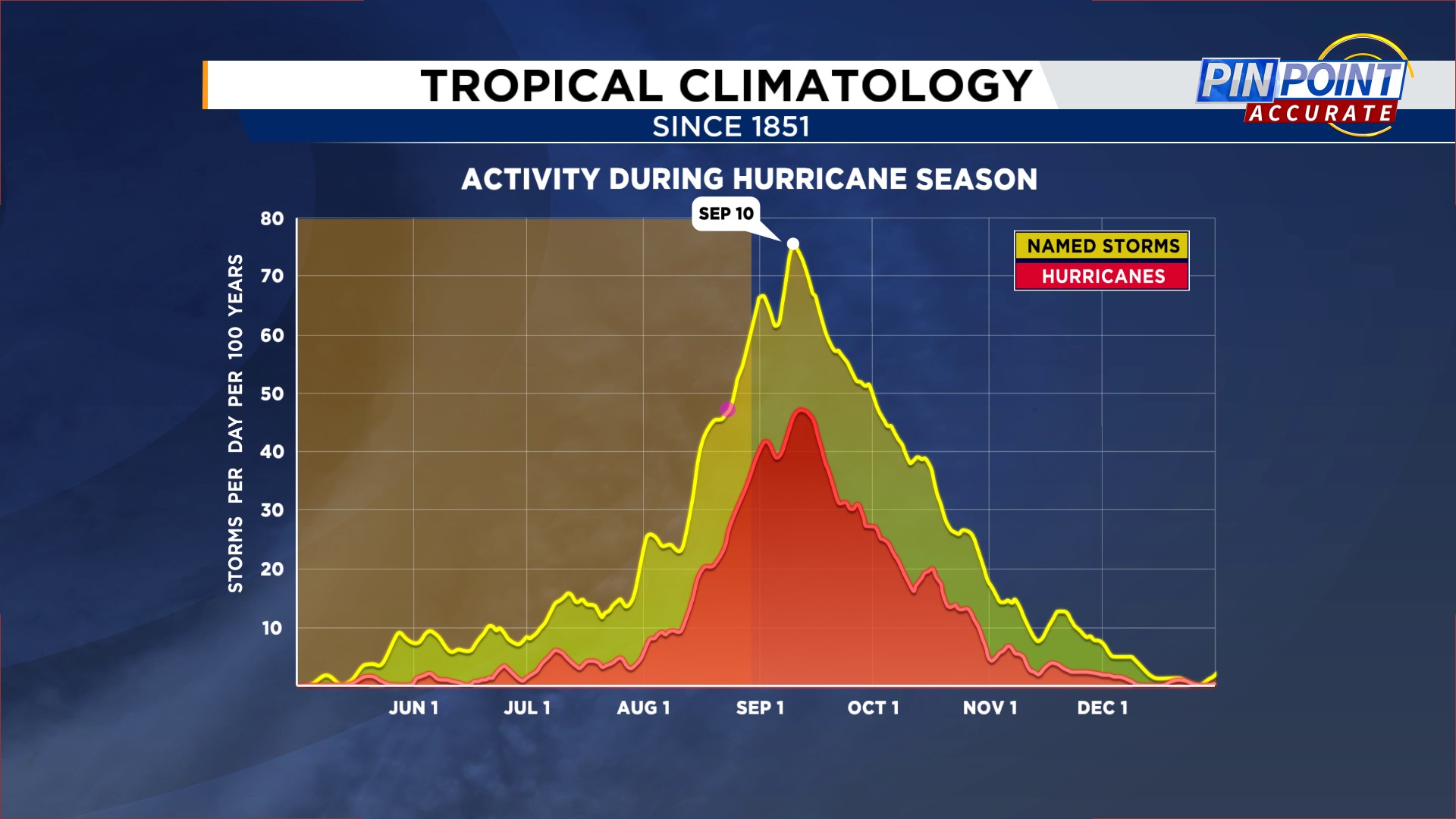
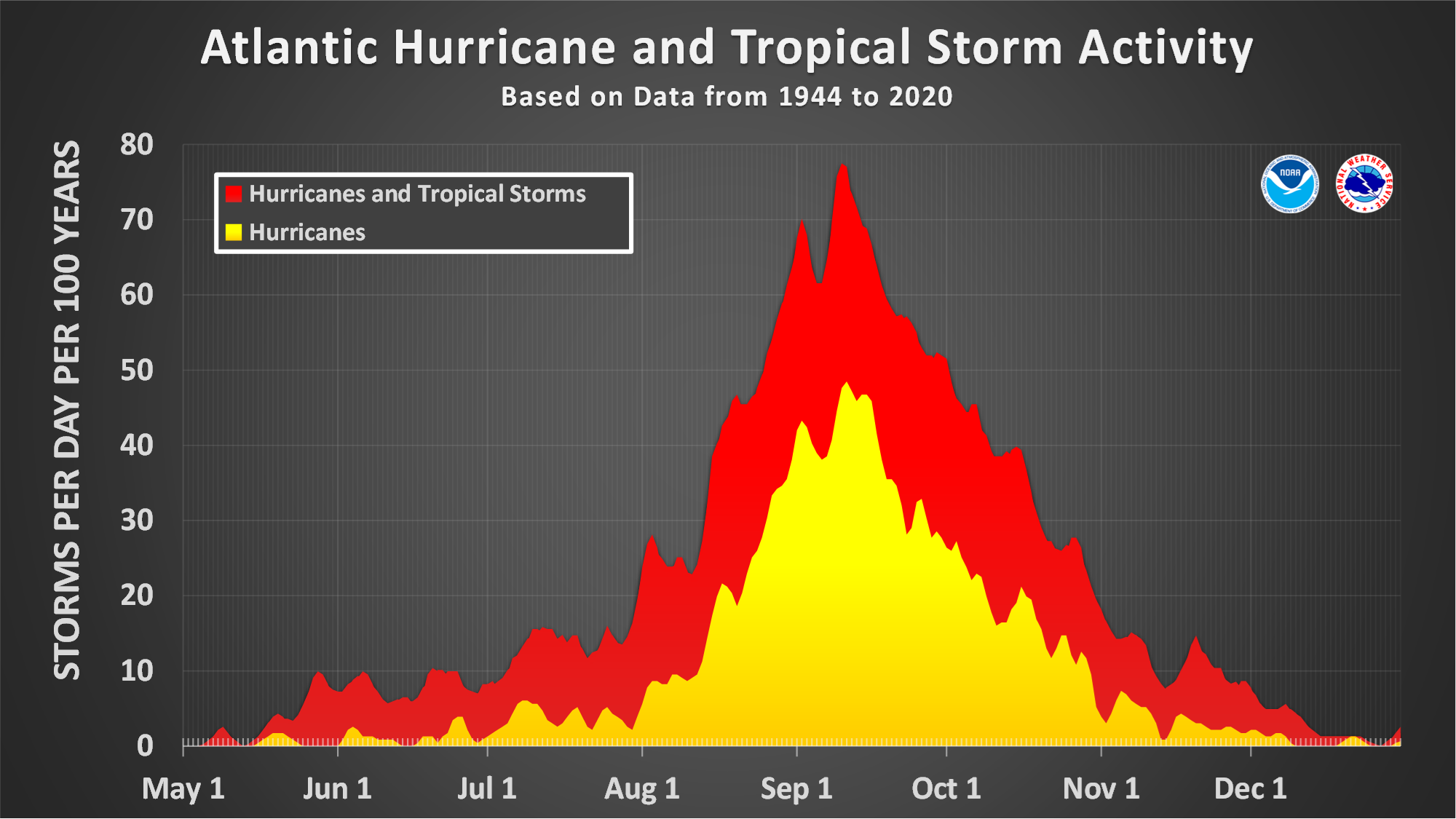
While the season spans half the year, activity typically intensifies during the late summer and early fall months. Peak hurricane season is generally from mid-August through October, with September historically being the most active month for storm development. This period sees warmer ocean temperatures and atmospheric conditions that fuel powerful systems.
Orlando’s unique inland location, approximately 45-70 miles from either the Atlantic Coast or the Gulf Coast, offers a distinct advantage compared to coastal cities like Miami or Tampa. While coastal areas bear the brunt of storm surges and direct landfall, Orlando primarily experiences the peripheral effects of hurricanes: heavy rainfall, strong winds, and potential for tornadoes spawned by outer bands. Direct hurricane landfalls in Orlando are less common than on the coast, but tropical storms and depressions can still bring significant disruptions to travel plans and park operations.
It is also important to note that even outside of named tropical systems, Florida summers are characterized by daily afternoon thunderstorms. These are typically short-lived but intense, and travelers should be prepared for sudden downpours, regardless of hurricane activity.
Planning Your Orlando Trip During Hurricane Season
Deciding when to visit Orlando involves weighing the benefits of off-peak travel against the risks of adverse weather. Many travelers opt for hurricane season months due to compelling advantages, while others prefer the peace of mind offered by the dry season.
The Allure of Off-Peak Travel
Traveling during hurricane season, particularly in late August, September, and early November, can offer significant perks:
- Fewer Crowds: School is back in session across much of the country, leading to noticeably lighter crowds at popular attractions like Walt Disney World Resort and Universal Orlando Resort. This translates to shorter wait times for rides and easier navigation through the parks.
- Potentially Better Deals: Demand for flights and accommodations can be lower, leading to more competitive pricing on airfare, hotel rates, and even vacation packages. This can make a Florida vacation more accessible for budget-conscious travelers.
- Unique Events: Early fall often hosts special events, such as Epcot International Food & Wine Festival at Walt Disney World Resort and Halloween Horror Nights at Universal Orlando Resort, which can be an added draw.
Mitigating Risks with Smart Planning
While the potential for savings and smaller crowds is appealing, the risk of weather disruptions during hurricane season cannot be ignored. Here’s how savvy travelers can prepare:
- Travel Insurance: This is perhaps the most critical recommendation for anyone traveling to Florida during hurricane season. Look for comprehensive travel insurance policies that specifically cover trip cancellation or interruption due to named storms, mandatory evacuations, and travel delays. Carefully read the policy’s terms and conditions, paying close attention to when coverage begins relative to a storm being named.
- Flexibility with Booking: Whenever possible, book flights and accommodations with flexible cancellation or rebooking policies. Many airlines and hotels offer waivers during declared states of emergency.
- Monitor Forecasts Diligently: Leading up to and during your trip, keep a close eye on weather forecasts from reputable sources like the National Hurricane Center (NHC) and local news outlets. Staying informed allows you to make timely decisions.
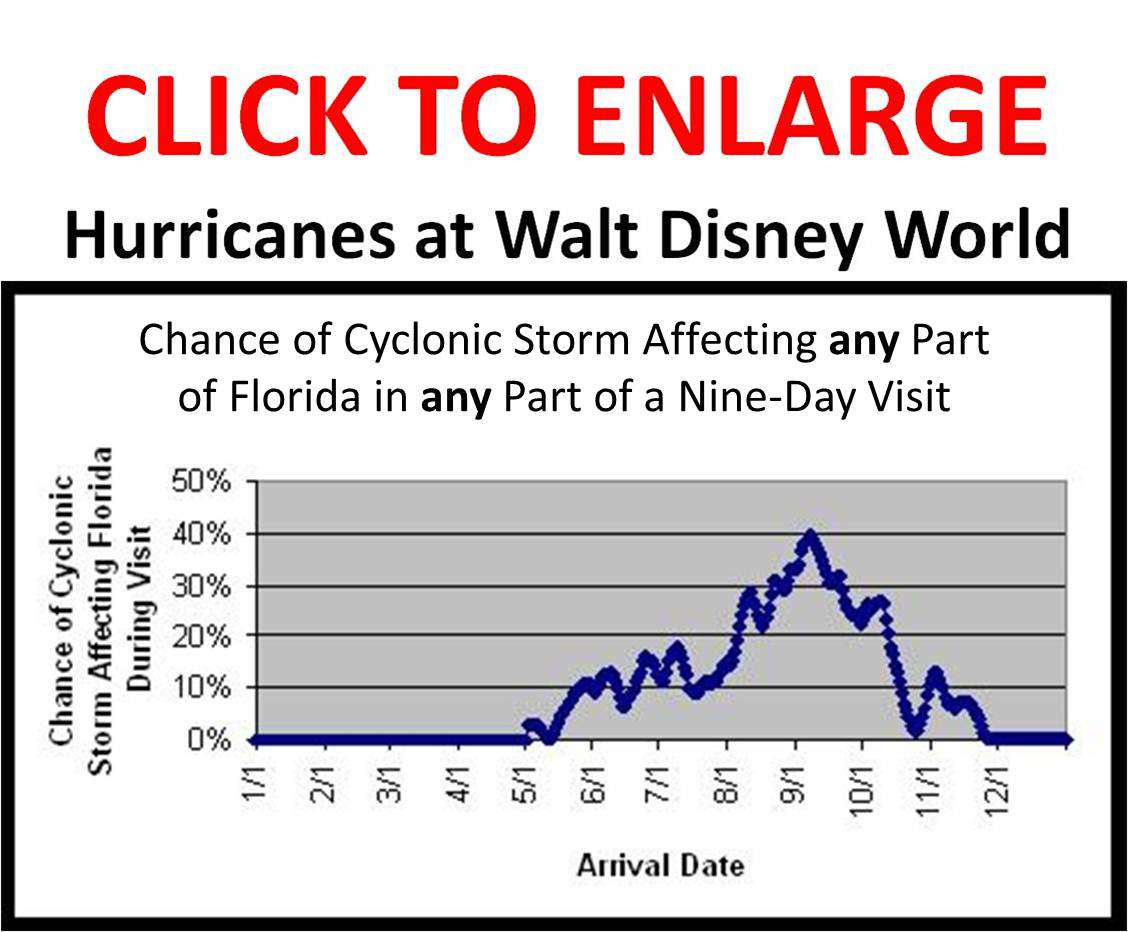
- Consider Early/Late Season Travel: If you wish to visit during the hurricane season but prefer lower risk, aim for early June or late November. These months are typically less active than the peak months of August, September, and October. For the lowest risk, plan your trip between December and May.
Preparing for Potential Weather Events
Even with the best planning, tropical weather can be unpredictable. Being prepared for potential impacts can significantly reduce stress and ensure safety during your Orlando vacation.
Understanding Park and Hotel Policies
Theme parks and hotels in Orlando have well-established protocols for hurricane season, often including “hurricane guarantees” for travelers.
- Walt Disney World Resort and Universal Orlando Resort, for example, typically offer policies allowing guests to cancel or reschedule their vacation packages or room-only reservations without penalties if a hurricane warning is issued for the Orlando area or their place of residence within a certain timeframe of their arrival date. Always check the most current policies directly on their official websites.
- Hotels and Resorts: Most accommodations will have similar flexibility, but it’s essential to confirm their specific hurricane policies when booking. Understand their refund, rebooking, and early departure policies.
Practical Preparations for Travelers
If you find yourself in Orlando during a severe weather event:
- Stay Informed: Follow local emergency services for updates and instructions. Most hotels will also provide guests with guidance.
- Prepare an Emergency Kit: While unlikely for tourists, having essentials like a flashlight, power bank for phones, essential medications, and some non-perishable snacks can be reassuring.
- Know Your Evacuation Zone (if applicable): Orlando is inland, so mandatory evacuations are rare for the city itself, unlike coastal areas. However, if your itinerary includes coastal excursions (e.g., to Daytona Beach or Kennedy Space Center), be aware of their specific evacuation procedures.
- Keep Documents Handy: Ensure your travel documents, identification, and important contact numbers are easily accessible and protected from water damage.
What to Expect in Orlando During Storms
Even during hurricane season, most days in Orlando are perfectly pleasant, often featuring the famous afternoon thunderstorms that clear quickly. However, when a tropical storm or hurricane approaches, the experience shifts.
Differentiating Storm Impacts
- Tropical Depressions and Tropical Storms: These are more common visitors to central Florida. They bring prolonged periods of heavy rain, strong winds (tropical storm force winds are 39-73 mph), and potentially localized flooding. Theme parks might operate with modifications or close early, and outdoor activities would be largely suspended.
- Hurricanes: While rarer for a direct hit on Orlando, hurricanes bring significantly more severe impacts, including sustained high winds (74+ mph), torrential rainfall, widespread power outages, and potential for structural damage. In such cases, theme parks, attractions, and often the Orlando International Airport will cease operations entirely, and guests would be advised to shelter in place.
Impact on Travel and Attractions
- Theme Park Operations: Orlando’s major theme parks are highly adept at managing severe weather. For lighter storms, many indoor attractions, shows, and dining venues remain open. For stronger storms, parks may close entirely, prioritizing guest and employee safety. Announcements are usually made well in advance.
- Transportation: Flights into and out of Orlando International Airport can be significantly delayed or canceled during severe weather. Road closures due to flooding or downed trees are also possible. If a major storm is approaching, plan to arrive well before or depart well after its expected passage.
- Other Attractions: Water parks, outdoor recreational activities, and smaller attractions are more susceptible to closure during any significant rain or wind. Indoor attractions like the Orlando Science Center or SEA LIFE Orlando Aquarium might offer alternatives.
Making the Most of Your Florida Trip, Rain or Shine
Ultimately, a trip to Orlando during hurricane season can be incredibly rewarding for the prepared traveler. The key is embracing flexibility and prioritizing safety.
If a storm impacts your visit, pivot to indoor activities. Explore the diverse shopping at Mall at Millenia or Orlando Premium Outlets. Enjoy a movie, visit an escape room, or indulge in the many indoor dining and entertainment options at Disney Springs or Universal CityWalk. Many resorts also offer extensive indoor amenities and activities to keep guests entertained.
By understanding the rhythms of Florida’s hurricane season, planning proactively with travel insurance, and staying informed, you can navigate potential weather challenges with confidence, ensuring your Orlando vacation remains a magical experience, come rain or shine.
LifeOutOfTheBox is a participant in the Amazon Services LLC Associates Program, an affiliate advertising program designed to provide a means for sites to earn advertising fees by advertising and linking to Amazon.com. Amazon, the Amazon logo, AmazonSupply, and the AmazonSupply logo are trademarks of Amazon.com, Inc. or its affiliates. As an Amazon Associate we earn affiliate commissions from qualifying purchases.