
Understanding the rhythmic patterns of the Pacific Ocean is essential for any traveler planning a journey to the United States most tropical archipelago. While the islands are famous for their perennial sunshine and trade winds, they are not immune to the seasonal cycles of the atmosphere. For those looking to explore the vibrant culture and natural wonders of Hawaii, knowing the specifics of the hurricane season is more than just a matter of weather—it is a vital component of responsible and informed tourism.
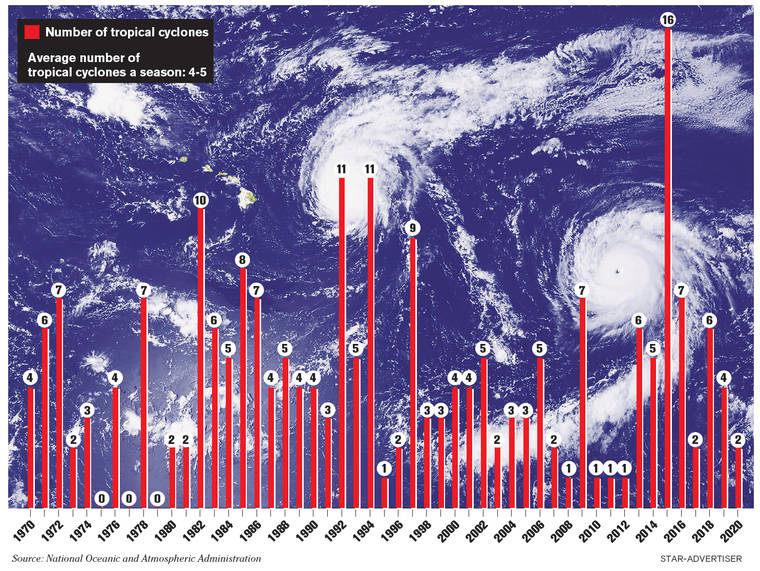
The official hurricane season in the Central Pacific begins on June 1st and extends through November 30th. During this six-month window, the conditions of the ocean and the atmosphere align in ways that can facilitate the development of tropical cyclones. For visitors, this does not mean that a storm is a daily occurrence, but rather that the potential for significant weather events increases. Navigating this season requires a blend of practical planning, cultural awareness, and a respect for the power of the natural world.
Understanding the Timeline: June to November
The calendar for tropical activity in the Hawaiian Islands is dictated by the warming of the sea surface temperatures. Although the season spans half the year, the frequency and intensity of storms fluctuate significantly within this period. For the tourism sector, understanding these nuances allows for better activity scheduling and expectations management.
The Peak Months: August and September
While the season opens in June, the early months are typically quiet. Historical data from the Central Pacific Hurricane Center indicates that the most active window for tropical storms and hurricanes usually falls between late July and early October, with August and September serving as the peak. During this time, the waters surrounding Oahu and Maui reach their highest temperatures, providing the thermal energy required to sustain a rotating storm system.
For tourists, visiting during the peak months often coincides with some of the warmest weather of the year. While the humidity can rise, the trade winds—the consistent northeasterly breezes that act as the islands’ natural air conditioning—usually keep the climate pleasant. However, if a storm system approaches, these trade winds can falter, leading to “Kona weather,” characterized by still air, high humidity, and heavy rains.
How Tropical Cyclones Affect Island Activities
The impact of a potential storm on tourism activities can vary from minor rain showers to significant disruptions. When a tropical storm watch is issued for the islands, many outdoor attractions may temporarily close for safety. High-altitude locations like Haleakala National Park on Maui or the summit of Mauna Kea on Hawaii Island are often the first to see restricted access due to high winds.
Water-based activities are also heavily influenced. Tour operators in Honolulu and along the North Shore of Oahu monitor swell charts closely. A distant hurricane can generate massive waves that are thrilling for professional surfers but dangerous for casual swimmers at Waikiki Beach. In such cases, local lifeguards and officials may close certain beaches to the public.
Preparing for Your Tropical Adventure: Essential Tips
Traveling during hurricane season requires a proactive approach. While the likelihood of a direct hit by a major hurricane is historically low compared to the Atlantic coast, the presence of these systems in the region can still alter travel plans.
Navigating Local News and Weather Alerts
One of the most important tips for any visitor is to stay informed through reliable local sources. The National Weather Service provides localized updates that are far more accurate for the specific microclimates of the islands than mainland news outlets. Many hotels in areas like Kaanapali or Poipu have dedicated channels or concierge desks that provide daily weather briefings.
Travelers should also consider downloading emergency alert apps. The Federal Emergency Management Agency offers a mobile app that provides real-time alerts from the National Weather Service for up to five different locations, which is particularly useful if you are hopping between islands like Kauai and Lanai.
Packing and Travel Insurance
Packing for a trip during this season should include gear for sudden rainfall. Lightweight, breathable rain jackets are preferable to heavy umbrellas, which can be difficult to manage in windy conditions. Additionally, waterproof bags for electronics are a must if you plan on hiking trails near Diamond Head State Monument or exploring the lush valleys of Kauai.
Perhaps the most practical tip for tourism during this window is the purchase of comprehensive travel insurance. Ensure the policy specifically covers “weather-related cancellations.” If a storm prevents your flight from landing at Daniel K. Inouye International Airport or forces a resort in Wailea to evacuate, having insurance provides peace of mind and financial protection.

Island Culture and Resilience: The Local Perspective
Tourism in Hawaii is deeply intertwined with the local culture, which has developed a profound resilience and respect for the elements over centuries. Understanding how the local community prepares for hurricane season offers a unique insight into the spirit of the islands.
The Spirit of Aloha During Weather Events
In the face of a storm, the concept of “ohana” (family) and the “Aloha Spirit” become even more evident. Locals often work together to secure homes, share supplies, and ensure that even the visitors in their midst feel safe and cared for. If you find yourself in a local neighborhood in Hilo or Kailua-Kona during a storm warning, you will likely witness a community coming together rather than panicking.
This cultural trait extends to the tourism industry. Staff at cultural landmarks like the Polynesian Cultural Center or the Bishop Museum are trained to prioritize safety while maintaining the hospitality that the islands are known for. Engaging with locals about their experiences and preparations can be an enlightening part of your journey, revealing a side of Hawaii that goes beyond the postcards.
Local Culinary Comforts: The Hurricane Food Tradition
Interestingly, hurricane season has its own unique culinary subculture. When a storm approaches, locals flock to markets to stock up on essentials, which in Hawaii often includes Spam, rice, and various canned goods. The “hurricane party” is a common local tradition where neighbors gather to eat through their perishable food before a potential power outage.
For a tourist, this is an excellent time to explore the unique local pantry. Trying traditional comfort foods like “Saimin” or “Loco Moco” at a local diner in Lihue can be a cozy way to spend a rainy afternoon. Many local restaurants remain open as long as it is safe, serving as community hubs where stories are swapped and weather updates are discussed over plates of “Poke.”
Best Activities During the Shoulder Season
While hurricane season may sound daunting, it is actually one of the most popular times to visit due to the lower volume of tourists in the early summer and fall. By choosing activities that are less weather-dependent, visitors can have a rich experience regardless of what the Central Pacific atmosphere is doing.
Exploring Inland Wonders and Cultural Sites
Rainy days during the season are perfect for visiting the islands’ world-class indoor attractions. Iolani Palace in Honolulu, the only royal palace on United States soil, offers a deep dive into the history of the Kingdom of Hawaii. Similarly, the Pearl Harbor National Memorial provides a somber and educational experience that remains largely accessible even when the weather is less than ideal.
On Maui, the Maui Ocean Center in Maalaea allows you to see the incredible marine life of the Pacific Ocean without needing to get into the water during high swells. These cultural and educational sites provide a stable foundation for a vacation itinerary that isn’t entirely dependent on the sun.
Ocean Safety and Responsible Tourism
If you do choose to engage in water activities during the hurricane season, it is crucial to follow the guidance of local experts. The “if in doubt, don’t go out” mantra is particularly relevant during the summer and fall when distant storms can create unpredictable rip currents. Visiting beaches with active lifeguard towers, such as Ala Moana Beach Park or Hanalei Bay, ensures that you have professional oversight.
Furthermore, being a responsible tourist means respecting all beach closures and warning signs. These are not merely suggestions; they are put in place to protect both visitors and the local emergency responders who would have to assist in the event of an accident. By staying safe and following local protocols, you contribute to the sustainability and well-being of the tourism ecosystem in Hawaii.

Maximizing Your Hawaiian Experience Year-Round
While the hurricane season in Hawaii is a factor to consider, it rarely defines the entirety of a trip. The islands’ geographical diversity means that even if one side of an island like Molokai is experiencing rain, the other side may be perfectly sunny. This phenomenon, known as the “rain shadow effect,” is why the leeward sides of the islands—such as the Kona coast or the Waianae coast—often remain dry even during the height of the season.
The months between June and November also offer unique tourism highlights that you won’t find at other times of the year. For example, the summer months bring the blooming of tropical flowers and the peak of fruit seasons, where you can find the freshest mangoes and lychees at local farmers’ markets. Additionally, many local festivals, such as the Aloha Festivals in September, celebrate the rich heritage of the islands with parades, music, and dance.
In conclusion, visiting during the hurricane season is an opportunity to see the Hawaiian Islands in their most lush and vibrant state. By staying informed, packing appropriately, and embracing the local culture of resilience and hospitality, your journey to the Central Pacific can be as rewarding and beautiful as any other time of the year. Whether you are wandering through the historic streets of Lahaina or marveling at the cliffs of the Na Pali Coast, the magic of Hawaii remains constant, rain or shine.
LifeOutOfTheBox is a participant in the Amazon Services LLC Associates Program, an affiliate advertising program designed to provide a means for sites to earn advertising fees by advertising and linking to Amazon.com. Amazon, the Amazon logo, AmazonSupply, and the AmazonSupply logo are trademarks of Amazon.com, Inc. or its affiliates. As an Amazon Associate we earn affiliate commissions from qualifying purchases.