
Planning a getaway to the idyllic island paradise of Key West requires careful consideration of several factors, not least of which is the timing of your visit. Among the most critical of these is understanding the nuances of hurricane season. While the allure of sun-drenched beaches and vibrant nightlife remains constant, knowledge of meteorological patterns can significantly enhance your travel experience, ensuring maximum enjoyment and minimizing potential disruption. This guide delves into the specifics of when hurricane season affects Key West, offering insights to help you plan the perfect trip to this unique corner of the Florida Keys.

Understanding Atlantic Hurricane Season
The Atlantic hurricane season is a well-defined period when tropical cyclones are most likely to form, develop, and intensify in the Atlantic Ocean, Caribbean Sea, and Gulf of Mexico. This season officially runs from June 1st to November 30th each year. While the entire duration is considered hurricane season, the activity is not uniformly distributed. The peak of the season, when the likelihood of significant storm development is highest, typically falls between mid-August and late October.
Official Dates and Peak Activity
The official designation of the Atlantic hurricane season provides a broad timeframe for potential tropical cyclone activity. However, for travelers to regions like Key West, understanding the historical patterns of storm formation is crucial.
The Rise of Activity: June and July
While the season begins on June 1st, the initial months, June and July, generally see lower activity levels. Storms that do form during this period are often less intense and occur further out in the Atlantic Ocean. However, this does not mean the risk is entirely absent, and it’s always prudent to stay informed.
The Intensifying Period: August
As August progresses, the ocean temperatures rise, providing more fuel for tropical systems. This month marks a noticeable increase in storm formation and the potential for these systems to track towards the United States coastline, including Florida.
The Apex: September and October
September is historically the most active month for hurricanes in the Atlantic basin. The combination of warm ocean waters and atmospheric conditions creates a fertile environment for the development of powerful storms. Many of the most significant and impactful hurricanes have made landfall or passed through the Florida Keys during this month. October also remains a period of significant concern, with tropical systems continuing to form and pose a threat.
Waning Activity: November
By November, the conditions that fuel tropical cyclones begin to diminish. Sea surface temperatures cool, and wind shear increases, making it more challenging for storms to develop and sustain themselves. While the season officially ends on November 30th, major hurricane threats become increasingly rare as the month progresses.
Hurricane Season in Key West: Specific Considerations
Key West, being a low-lying island at the southernmost point of the United States, is particularly susceptible to the impacts of tropical weather systems. Its unique geography means that storm surge, heavy rainfall, and high winds can have significant effects. Understanding how these factors play out specifically for Key West is vital for any traveler.
Impact of Tropical Storms and Hurricanes
The primary concerns during hurricane season for Key West visitors are:
- Tropical Storms: These are systems with sustained winds of 39 to 73 miles per hour. They can bring considerable rainfall, gusty winds, and localized flooding, potentially disrupting travel plans and causing minor damage.
- Hurricanes: Categorized from Category 1 to Category 5 based on wind speed, hurricanes pose a more severe threat. Category 1 hurricanes have sustained winds of 74-95 mph, while Category 5 storms exceed 157 mph. The impacts can include widespread power outages, significant structural damage, dangerous storm surge inundation, and hazardous debris.
Storm Surge and Flooding
Due to its elevation, Key West is highly vulnerable to storm surge. This is the abnormal rise of water generated by a storm, over and above the predicted astronomical tide. Even a moderate storm can produce a dangerous storm surge that can inundate coastal areas, including many of the popular attractions and accommodations. Heavy rainfall associated with tropical systems can also exacerbate flooding, particularly in low-lying areas.

Wind and Rain
High winds are a defining characteristic of hurricanes and tropical storms. These winds can cause damage to buildings, down trees and power lines, and create dangerous flying debris. The torrential rainfall associated with these systems can lead to flash flooding, making travel impossible and contributing to widespread disruption.
Planning Your Trip: Navigating Hurricane Season
Knowing when hurricane season is can help you make informed decisions about your travel dates, booking flexibility, and preparedness.
Choosing the Best Time to Visit
For those who wish to avoid the peak of hurricane season, the best times to visit Key West are generally:
- The Shoulder Seasons: Late spring (April to May) and early fall (late November to early December) often offer a good balance of pleasant weather and reduced hurricane risk.
- The Off-Season (with caution): While January, February, and March fall outside the official hurricane season, they are part of the dry season and often considered the most desirable months to visit due to consistently excellent weather. However, it’s worth noting that the very tail end of the season in late November can still present some risk.
Booking and Travel Insurance
When booking your trip during hurricane season, consider the following:
- Flexibility in Bookings: Opt for accommodations and airlines that offer flexible cancellation or rebooking policies. Many hotels and resorts understand the potential for weather disruptions and provide such options, particularly during the active months.
- Travel Insurance: Purchasing comprehensive travel insurance is highly recommended for any trip during hurricane season. Ensure your policy covers weather-related cancellations, delays, and interruptions, as well as any potential medical emergencies or lost luggage. Always read the policy details carefully to understand what is covered.
Staying Informed and Prepared
If you are traveling during hurricane season, staying informed is paramount.
- Monitor Weather Forecasts: Closely follow official weather advisories from sources like the National Hurricane Center and local news outlets.
- Develop a Plan: Have a basic plan in place for what you would do in the event of a storm warning. This includes knowing evacuation routes if necessary and having essential supplies.
- Understand Local Advisories: Pay close attention to any advisories issued by local authorities in Key West regarding potential impacts and recommended actions.
Alternative Considerations and Off-Season Advantages
While hurricane season presents potential risks, it also offers certain advantages for the discerning traveler.
Fewer Crowds and Potentially Lower Prices
The months within hurricane season, particularly during periods of lower storm activity or after a storm has passed, can see fewer tourists. This can translate to:
- Reduced Crowds: Enjoy popular Key West attractions, such as Duval Street, Mallory Square, and the Ernest Hemingway Home and Museum, with more space and less congestion.
- Potential for Discounts: You may find more competitive pricing on flights, accommodations, and even some tours and activities during these times. This can make a trip to Key West more budget-friendly.
Embracing the Local Vibe
Even during the active season, Key West retains its unique charm and vibrant atmosphere. Local residents are accustomed to living in a tropical environment and have a resilient spirit. Experiencing the island during this time can offer a more authentic glimpse into local life. Many businesses and residents are well-prepared for potential weather events, and life often continues with a sense of normalcy when no immediate threat is present.
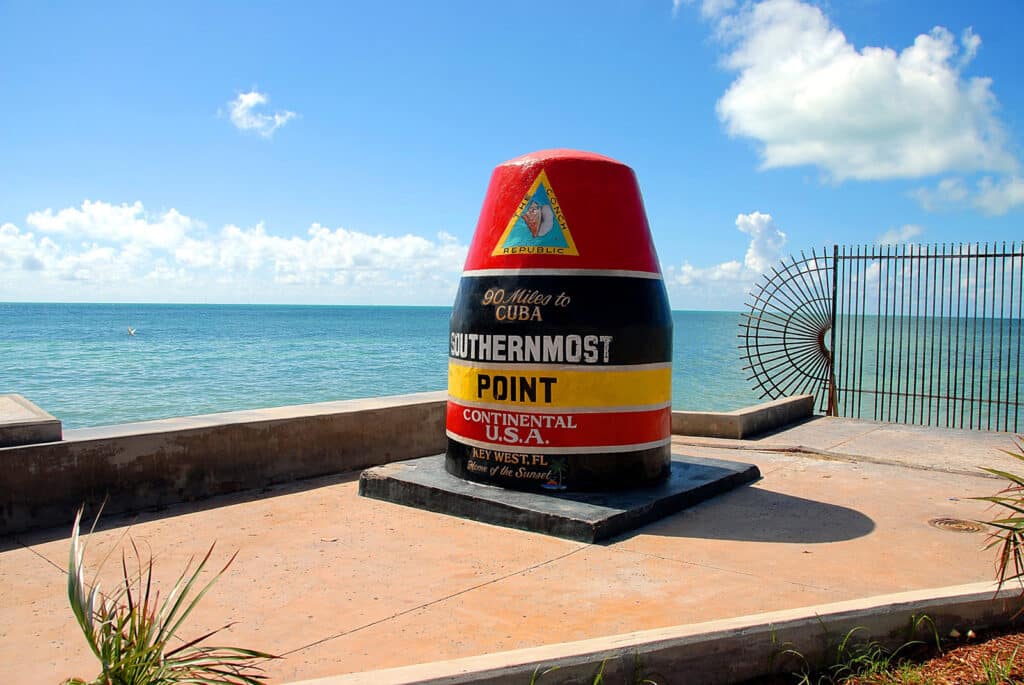
Understanding the Risk vs. Reward
Ultimately, the decision of when to visit Key West during hurricane season involves weighing the potential risks against the rewards. With careful planning, flexibility, and a commitment to staying informed, a trip to this captivating destination can still be incredibly rewarding, even when the calendar falls within the Atlantic hurricane season. By understanding the timing and potential impacts, travelers can confidently plan their unforgettable Key West adventure.
LifeOutOfTheBox is a participant in the Amazon Services LLC Associates Program, an affiliate advertising program designed to provide a means for sites to earn advertising fees by advertising and linking to Amazon.com. Amazon, the Amazon logo, AmazonSupply, and the AmazonSupply logo are trademarks of Amazon.com, Inc. or its affiliates. As an Amazon Associate we earn affiliate commissions from qualifying purchases.