
Navigating the nuances of travel to vibrant destinations like Miami, FL requires a keen understanding of local weather patterns, especially for those planning visits during specific times of the year. For any traveler considering the sun-drenched shores and dynamic culture of Miami, understanding when hurricane season occurs is not just informative but essential for ensuring a safe and enjoyable experience. This comprehensive guide aims to equip you with the knowledge to plan your trip strategically, making the most of what Miami has to offer while being prepared for potential weather events.
Understanding the Atlantic Hurricane Season
The Atlantic hurricane season is a well-defined period during which tropical cyclones, including hurricanes, are most likely to form and intensify over the Atlantic Ocean. This season is a critical consideration for travelers, residents, and businesses operating in coastal regions across the southeastern United States, including the popular destination of Miami.

The Official Timeline
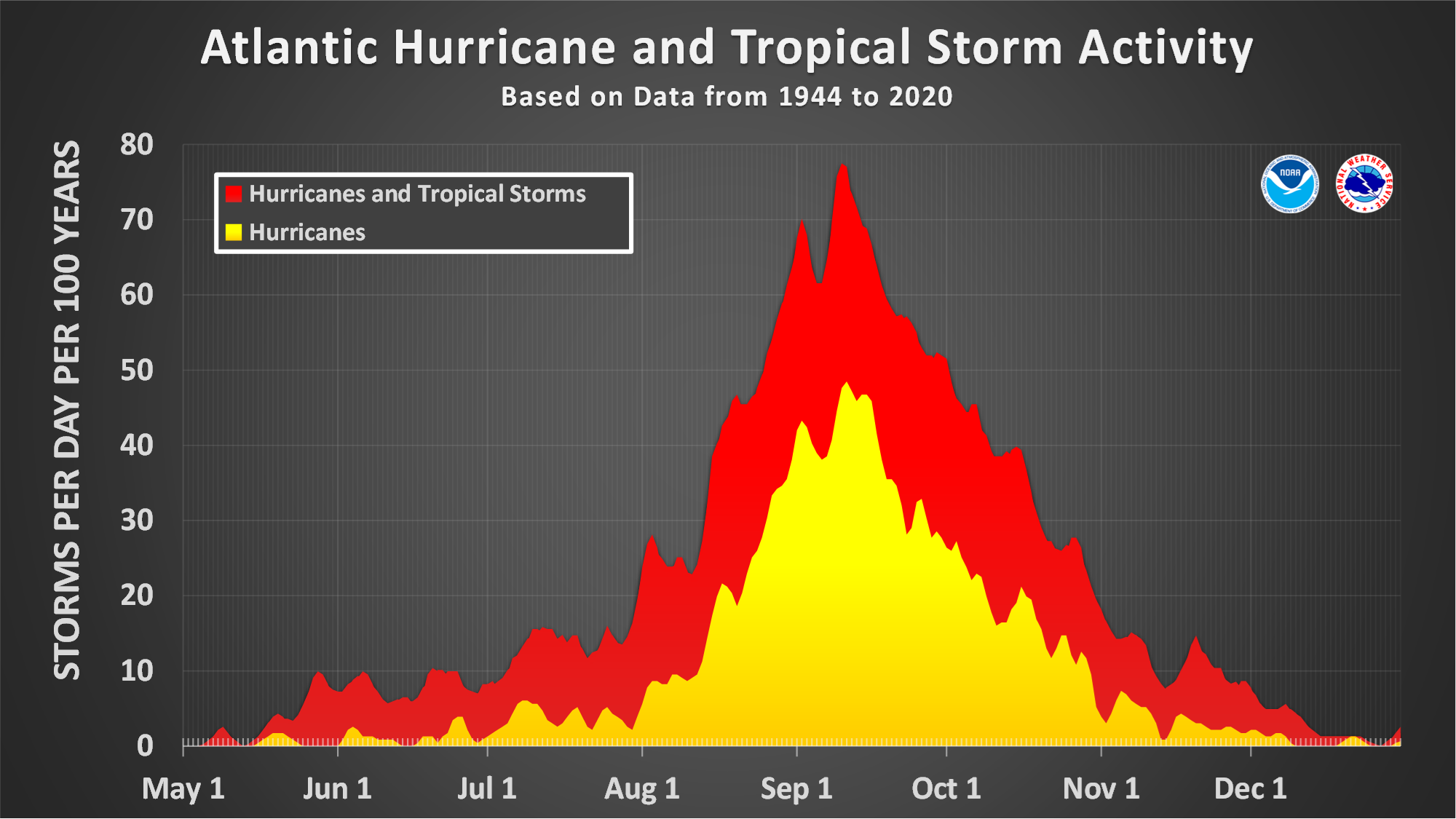
The officially recognized period for the Atlantic hurricane season runs annually from June 1st to November 30th. This six-month span encompasses the vast majority of tropical cyclone activity. While the entire period warrants attention, certain months within this window are statistically more active and pose a higher risk.
Peak Season and Its Significance
While the season spans six months, the most active period, often referred to as the “peak” of hurricane season, typically occurs from mid-August through October. During these months, sea surface temperatures are at their warmest, and atmospheric conditions are most conducive to the development and strengthening of tropical storms and hurricanes. For travelers to Miami, understanding this peak period is crucial for making informed decisions about booking flights, accommodations, and planning outdoor activities. Visiting outside of these peak months can significantly reduce the risk of encountering a major storm, though preparedness is always advised.
Early and Late Season Activity
It is important to note that tropical cyclones can, and sometimes do, form outside of the traditional June 1 to November 30 window. While less common, “pre-season” storms can develop in May, and “post-season” storms can occur in early December. These occurrences are rare but serve as a reminder that vigilance and awareness of weather forecasts are valuable throughout the year, even when outside the official season. For Miami, even a minor tropical disturbance can bring significant rainfall and gusty winds, impacting travel plans.
Planning Your Miami Trip: Timing is Everything
Miami’s allure lies in its diverse offerings, from pristine beaches and world-class dining to vibrant nightlife and rich cultural heritage. However, when planning a visit, aligning your travel dates with the hurricane season can profoundly impact your experience.
When to Go for Optimal Weather
For travelers prioritizing guaranteed sunshine and minimal risk of weather disruptions, the period from December through May is generally considered ideal. This timeframe falls outside the official hurricane season and is characterized by pleasant temperatures, lower humidity, and a significantly lower chance of encountering severe weather. This is also a popular time for events such as Art Basel Miami Beach and various South Beach Wine & Food Festival activities, attracting a large number of visitors.
Navigating the Hurricane Season: Risks and Opportunities
Visiting Miami during the hurricane season, from June to November, comes with a different set of considerations. While the risk of a direct hit from a major hurricane is statistically lower than during the peak months, it is not zero. However, there can be advantages to traveling during this period.
Reduced Crowds and Potentially Lower Prices
As hurricane season is often perceived as a riskier time to travel, you may find fewer tourists in Miami, FL during certain parts of this period. This can translate into fewer crowds at popular attractions, shorter wait times at restaurants, and potentially more competitive pricing on flights and accommodations. For budget-conscious travelers or those seeking a more laid-back experience, visiting during the shoulder months of the hurricane season, such as June or November, might offer a good balance.
The Importance of Travel Insurance
For any traveler planning a visit to Miami, particularly during the Atlantic hurricane season, comprehensive travel insurance is a non-negotiable recommendation. A robust policy can provide crucial financial protection in the event of cancellations, postponements, or unexpected disruptions caused by severe weather. This includes coverage for non-refundable expenses like flights and hotel bookings, as well as potential costs associated with evacuation or extended stays due to storm impacts. Understanding your insurance policy’s terms regarding named storms and weather-related cancellations is paramount.
Monitoring Weather Forecasts
Regardless of when you plan your trip, staying informed about weather forecasts is always a good practice. Leading up to and during your visit, regularly checking reliable weather sources such as the National Hurricane Center (NHC) and local news outlets is essential. The NHC provides up-to-the-minute information on tropical disturbances, depressions, storms, and hurricanes, including track predictions and intensity forecasts. Being proactive with weather monitoring allows for timely adjustments to travel plans and ensures preparedness.
Preparing for a Potential Hurricane
While the chances of a direct hurricane impact are statistically lower during certain times, it is prudent for anyone traveling to or residing in Miami to be aware of basic hurricane preparedness measures. This knowledge not only enhances safety but also reduces anxiety.
Understanding Different Storm Categories
Hurricanes are categorized on the Saffir-Simpson Hurricane Wind Scale, which classifies storms based on their sustained wind speeds. The scale ranges from Category 1 (74-95 mph) to Category 5 (157+ mph), with higher categories indicating more severe and potentially catastrophic conditions. Being aware of these categories helps in understanding the potential impact of an approaching storm and the recommended safety precautions.
Essential Preparedness Steps
For travelers, understanding local emergency procedures and the advisability of evacuations is key. Hotels in Miami, FL typically have established hurricane preparedness plans and will provide guests with guidance. Key steps include:
- Stay Informed: Monitor official advisories from local authorities and the National Hurricane Center.
- Have a Communication Plan: Ensure you have a way to contact family and friends, both locally and back home.
- Know Your Evacuation Route: If an evacuation order is issued, be familiar with designated routes and transportation options.
- Secure Your Belongings: If staying in a hotel, follow their instructions regarding securing outdoor furniture or balconies.
- Have an Emergency Kit: While hotels often provide necessities, having a small kit with essentials like medications, a flashlight, batteries, and a portable phone charger can be beneficial.
Miami’s Attractions Beyond the Storm Concerns
It’s important to remember that even during hurricane season, Miami offers countless opportunities for incredible experiences. The vast majority of the time, the weather is beautiful, allowing visitors to fully immerse themselves in the city’s unique charm.
Cultural and Culinary Delights
Explore the vibrant streets of Little Havana, savoring authentic Cuban cuisine and soaking in the lively atmosphere. Visit the world-renowned art museums, such as Pérez Art Museum Miami (PAMM) or the Frost Science Museum, which offer indoor, climate-controlled environments. The diverse culinary scene, from upscale dining in South Beach to casual eateries, provides endless gastronomic adventures.
Iconic Landmarks and Natural Beauty
Walk along the iconic shores of South Beach, marveling at the distinct Art Deco architecture. Explore the lush landscapes of the Vizcaya Museum & Gardens, a stunning Italian Renaissance-style villa and gardens that offer a tranquil escape. For nature enthusiasts, a visit to the Everglades National Park, though potentially impacted by heavy rain, offers unique wildlife viewing opportunities and airboat tours. Remember to check park advisories before visiting.
Entertainment and Nightlife
Miami’s nightlife is legendary, with a plethora of clubs, bars, and lounges catering to every taste. From rooftop bars offering breathtaking city views to intimate live music venues, there’s always something happening after dark. Even if there’s a passing shower, the city’s indoor entertainment options are plentiful, ensuring your evenings remain vibrant and engaging.
By understanding the rhythm of Miami’s weather and planning accordingly, travelers can confidently explore this dynamic city, ensuring a memorable and safe journey, regardless of the season.
LifeOutOfTheBox is a participant in the Amazon Services LLC Associates Program, an affiliate advertising program designed to provide a means for sites to earn advertising fees by advertising and linking to Amazon.com. Amazon, the Amazon logo, AmazonSupply, and the AmazonSupply logo are trademarks of Amazon.com, Inc. or its affiliates. As an Amazon Associate we earn affiliate commissions from qualifying purchases.