
For travelers planning a vibrant escape to the sun-drenched shores of Miami, Florida, understanding the nuances of the local climate is paramount. While the allure of year-round warmth and dazzling beaches is undeniable, one critical aspect often overlooked by eager tourists is the annual hurricane season. Knowing when it begins, when it peaks, and what precautions to take can transform a potentially stressful trip into an informed and enjoyable adventure. This guide delves into everything travelers need to know about hurricane season in Miami, helping you plan your visit with confidence and peace of mind.

Understanding Florida’s Hurricane Season
Florida, situated at the crossroads of the Atlantic Ocean and the Gulf of Mexico, is inherently vulnerable to tropical weather systems. For Miami in particular, its coastal location makes it a frequent topic of discussion when storm season approaches.
Official Dates and Historical Context
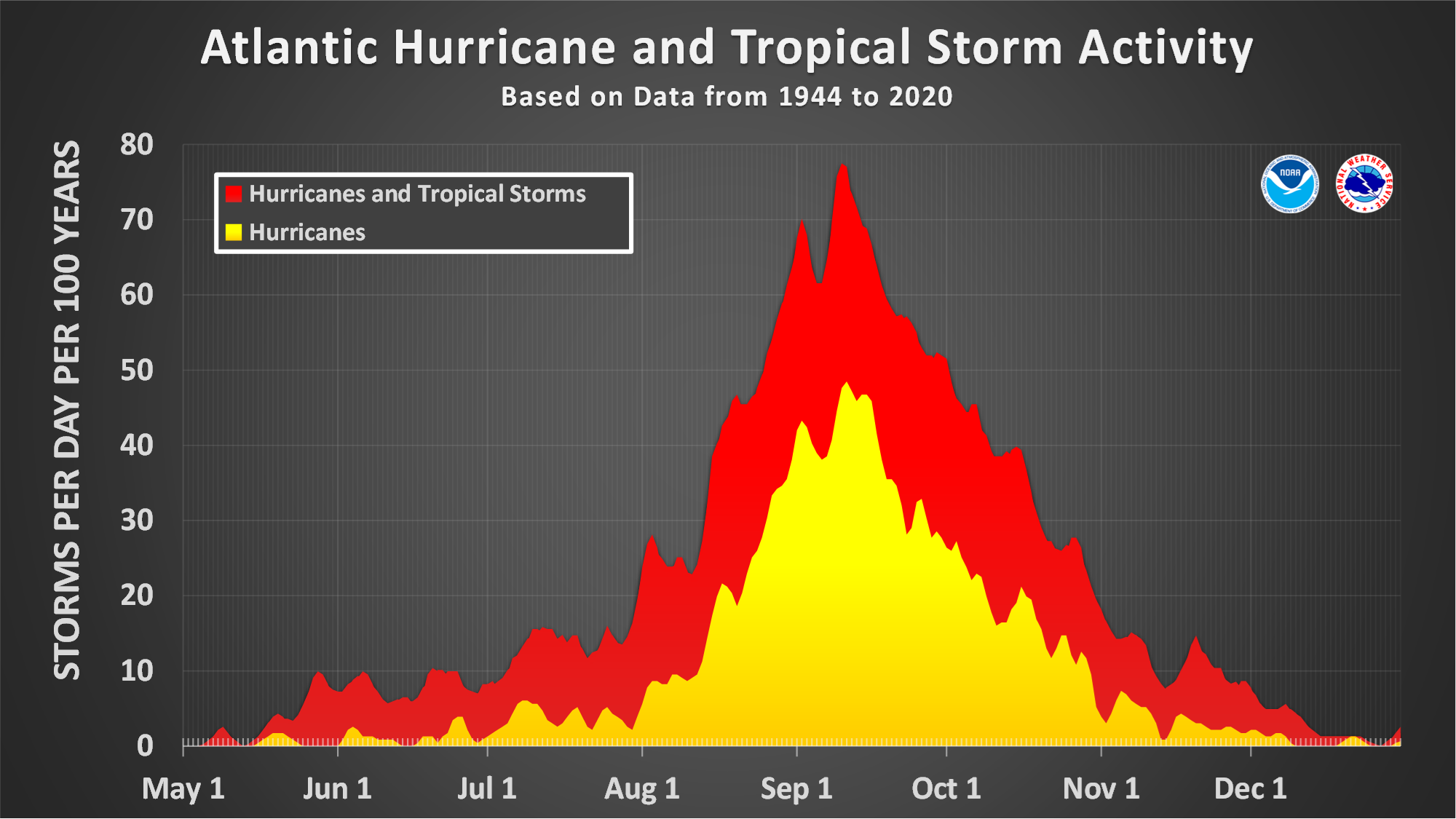
The official Atlantic hurricane season runs from June 1st to November 30th each year. While storms can theoretically form outside these dates, this six-month window encompasses over 97% of all tropical cyclone activity in the Atlantic basin. Within this period, the peak of the season typically occurs from mid-August through October, with September being historically the most active month. It’s during this peak that Miami sees the highest probability of encountering significant tropical weather. Historical data from the National Hurricane Center (NHC) consistently highlights these trends, providing a framework for forecasting and preparedness. For travelers, these dates are not just statistics; they represent a period that requires heightened awareness and flexible planning.
Why Florida is Prone to Hurricanes
Florida’s geographical position is a primary factor in its hurricane vulnerability. It juts out into warm waters, acting like a magnet for storms brewing in the Atlantic Ocean, Caribbean Sea, and Gulf of Mexico. These warm waters, exceeding 80°F (26.5°C), are the essential fuel for tropical cyclones. Furthermore, the absence of significant landmasses to disrupt forming storms in the central Atlantic allows them to gain strength before potentially making landfall in the United States, often targeting Florida first. The low elevation of much of South Florida, including Miami, also increases its susceptibility to storm surge and flooding, making it a critical area for robust emergency planning and infrastructure.
How Hurricanes Form and Impact Coastal Areas
Hurricanes begin as tropical depressions, which are areas of low pressure with organized convection (thunderstorms). As these systems gather heat and moisture from warm ocean waters, they can intensify into tropical storms (with sustained winds of 39-73 mph) and then into hurricanes (with sustained winds of 74 mph or higher). The Saffir-Simpson Hurricane Wind Scale categorizes hurricanes from Category 1 to 5 based on wind speed. The impacts on coastal areas like Miami are multifaceted:
- High Winds: Capable of damaging infrastructure, downing trees, and causing widespread power outages.
- Heavy Rainfall: Leading to severe inland flooding, even far from the coast. Miami’s flat terrain and high water table make it particularly vulnerable to water accumulation.
- Storm Surge: An abnormal rise of water generated by a storm, above the predicted astronomical tide. This is often the most dangerous aspect of a hurricane, causing catastrophic coastal flooding. Miami’s proximity to Biscayne Bay and the Atlantic makes it highly susceptible.
- Tornadoes: Often spun off from hurricanes, these can cause localized, intense damage.
Understanding these elements is crucial for travelers to appreciate the potential risks and the importance of preparedness.
Navigating Travel During Hurricane Season
While the official hurricane season might seem daunting, it doesn’t mean you should avoid Miami entirely during these months. Many travelers successfully visit South Florida during this period, often benefiting from particular advantages, provided they are well-prepared and flexible.
Advantages of Off-Peak Travel (Lower Prices, Fewer Crowds)
One of the most appealing aspects of traveling to Miami during hurricane season, especially outside the peak weeks of September and early October, is the significant drop in prices and crowd levels. Hotels, flights, and even some attractions offer more competitive rates compared to the bustling winter and spring high seasons. Travelers can often find better deals on luxury accommodations and experience popular spots like South Beach or the Art Deco Historic District with greater ease and fewer tourists. This can lead to a more relaxed and intimate travel experience, with shorter lines and easier access to dining reservations. Moreover, the weather, when clear, can still be gloriously sunny and warm, perfect for beach days.
Potential Disadvantages and Risks
Despite the financial benefits, traveling during hurricane season carries inherent risks. The most obvious is the potential for a tropical storm or hurricane to disrupt your plans entirely. This could mean:
- Travel Delays/Cancellations: Flights may be grounded, and roads might become impassable.
- Evacuations: Mandated evacuations can force you to leave the area, cutting your trip short.
- Attraction Closures: Beaches, parks, and other attractions, including theme parks if you venture further into Florida, may close for safety.
- Power Outages: Even if a storm isn’t a direct hit, severe weather can cause widespread power loss, impacting amenities.
- Limited Services: Essential services might be strained, and recreational activities might be put on hold.
Beyond the immediate dangers, the uncertainty itself can be a source of stress, requiring constant monitoring of weather reports.
Essential Travel Insurance Considerations
Given the unpredictability, comprehensive travel insurance is not just recommended; it’s practically essential for anyone visiting Miami during hurricane season. Look for policies that specifically cover:
- Trip Cancellation/Interruption: For unforeseen events like a hurricane warning for your destination, allowing you to get a refund for non-refundable expenses.
- Travel Delay: Coverage for additional costs incurred due to delays, such as extra nights in a hotel or meals.
- Emergency Evacuation: Coverage for transportation if you need to be evacuated due to a storm.
- Medical Expenses: In case of injury during a storm or related incident.
It’s crucial to purchase insurance before a storm is named or threatens your destination, as policies typically do not cover “known events.” Read the fine print carefully to understand what is and isn’t covered regarding natural disasters.
Preparing for a Miami Trip During Hurricane Season
Preparation is key to mitigating risks and ensuring a smoother travel experience during hurricane season. Being proactive can significantly reduce stress and enhance safety.
Monitoring Weather Forecasts and Official Advisories
Stay informed from reliable sources. Before and during your trip, regularly check forecasts from the National Hurricane Center (NHC) and local news channels in Miami. The NHC provides advisories, watches, and warnings that are critical for understanding storm trajectories and intensity.
- Tropical Storm Watch/Warning: Indicates that tropical storm conditions are possible (watch) or expected (warning) within 48 hours.
- Hurricane Watch/Warning: Indicates that hurricane conditions are possible (watch) or expected (warning) within 48 hours.
Pay attention to local emergency management agencies for specific Miami-Dade County evacuation orders or shelter information. Never rely solely on social media or unofficial channels for critical weather updates.
Hotel and Flight Flexibility Policies
When booking, prioritize accommodations and airlines that offer flexible cancellation or rebooking policies. Many reputable companies in hurricane-prone areas understand the risks and provide waivers during declared hurricane emergencies.
- Airlines: Check if your airline has a “hurricane waiver” policy, allowing you to change your flight without fees if a named storm threatens your destination.
- Hotels/Resorts: Inquire about their specific hurricane policies, including refunds or options to rebook at a later date. Some might have “hurricane guarantees” that provide peace of mind.
Having these flexibilities in place can save you substantial financial loss and logistical headaches if a storm impacts your travel plans. Document all confirmation numbers and contact information for your bookings.
Emergency Kits and Local Resources
While you won’t be building a bunker, a small, personalized emergency kit can be incredibly helpful for travelers.
- Essential Documents: Keep copies of your passport, IDs, insurance policies, and booking confirmations in a waterproof bag.
- Medications: Ensure you have enough prescription medications for several extra days.
- Communication: A portable power bank for your phone, a fully charged device, and emergency contact numbers (family, embassy if international, hotel).
- Basic Supplies: Small first-aid kit, flashlight, some non-perishable snacks, and bottled water.
Familiarize yourself with local emergency resources. The City of Miami and Miami-Dade County emergency management websites offer valuable information on shelters, evacuation zones, and official communication channels. Knowing where to look for help and information locally is crucial.
What to Do if a Hurricane Threatens Your Miami Stay
Despite all preparation, a hurricane could still threaten Miami during your visit. Knowing the correct course of action is vital for your safety.
Evacuation Procedures and Shelters
The most critical directive during a hurricane threat is to heed official evacuation orders. Local authorities, in conjunction with the Florida Division of Emergency Management and the Federal Emergency Management Agency (FEMA), will issue evacuation orders for specific zones.
- Know Your Zone: Prior to travel, or upon arrival, ask your hotel or look up Miami-Dade County’s evacuation zone maps. If you are in an evacuation zone, you must leave.
- Evacuation Routes: Be aware of designated evacuation routes, which will be published by local authorities. These are designed to move traffic efficiently out of harm’s way.
- Shelters: Public shelters are available as a last resort for those who cannot evacuate. These are not luxury accommodations; they provide basic safety and sustenance. Find designated shelter locations in advance, but remember, the safest option is often to evacuate inland to a more secure location if possible.
Communication Strategies
During and after a hurricane, communication networks can be disrupted. Have a plan:
- Out-of-State Contact: Designate an out-of-state family member or friend as a central contact. If local lines are down, this person might be easier to reach and can relay messages.
- Texting over Calling: Text messages often go through when phone calls cannot, as they use less bandwidth.
- Social Media/Apps: Use official social media accounts of emergency services for updates, and apps like WhatsApp or Messenger for communicating with loved ones.
- Conserve Battery: Limit phone use to essential communications to preserve battery life.
Staying Informed and Safe
Your safety is paramount. If evacuation isn’t ordered but conditions worsen:
- Stay Indoors: Remain inside your hotel or accommodation, away from windows.
- Monitor Local News: Keep a battery-powered or hand-crank radio tuned to local news for official updates and instructions.
- Follow Hotel Instructions: Your hotel staff will have specific protocols in place for guests during a storm. Follow their guidance explicitly.
- Avoid Floodwaters: Never walk or drive through floodwaters. “Turn around, don’t drown” is a critical safety message, as floodwaters can hide hazards and carry strong currents.
By taking these steps, travelers can significantly enhance their chances of remaining safe and informed during a hurricane event.
Beyond the Season: Best Times to Visit Miami
While hurricane season presents unique challenges, Miami’s appeal extends far beyond these months. Understanding the broader climate patterns can help travelers select the ideal time for their visit, minimizing weather-related worries and maximizing enjoyment.
Enjoying Miami’s Winter and Spring
The undisputed best time to visit Miami is generally from December to May. During these months, the weather is idyllic:
- Temperatures: Average highs range from the mid-70s to low 80s Fahrenheit (24-28°C), with comfortable humidity levels.
- Rainfall: This period is significantly drier, with minimal chances of prolonged rain.
- Sunshine: Abundant sunshine makes it perfect for beach activities, exploring Everglades National Park, or cruising Biscayne Bay.
This “dry season” avoids the intense heat, humidity, and, most importantly, the threat of hurricanes. However, it’s also Miami’s peak tourist season, meaning higher prices for flights and accommodations, and larger crowds at popular attractions. Festivals, art events, and a vibrant nightlife flourish during these months.
Shoulder Seasons: A Balanced Choice
For travelers seeking a balance between good weather and fewer crowds/better prices, the “shoulder seasons” can be an excellent compromise.
- Late Spring (May): Just before hurricane season officially begins, Miami is still largely dry and warm, though humidity starts to creep up. Prices are often slightly lower than peak winter rates.
- Early December: Right after hurricane season ends, this offers pleasant weather with festive holiday decorations, and crowds haven’t yet reached their absolute peak.
These periods offer a window of opportunity to enjoy Miami’s attractions without the full intensity of either hurricane threats or peak season crowds and costs.

The Allure of Year-Round Miami Activities
Regardless of when you visit, Miami offers a wealth of activities. Even during the hotter, wetter months, there are plenty of indoor options like world-class museums, shopping districts, and diverse culinary experiences. The city’s unique cultural fusion, from Little Havana’s vibrant streets to the trendy galleries of Wynwood, remains accessible year-round. While the risks of hurricane season are real and demand respect, informed planning and flexible attitudes can still open the door to a rewarding Miami experience. Ultimately, the best time to visit depends on your priorities: avoiding hurricanes at all costs, finding budget-friendly options, or enjoying the lively peak season. With this comprehensive guide, travelers are now better equipped to make that decision confidently.
LifeOutOfTheBox is a participant in the Amazon Services LLC Associates Program, an affiliate advertising program designed to provide a means for sites to earn advertising fees by advertising and linking to Amazon.com. Amazon, the Amazon logo, AmazonSupply, and the AmazonSupply logo are trademarks of Amazon.com, Inc. or its affiliates. As an Amazon Associate we earn affiliate commissions from qualifying purchases.