
Planning a trip to Orlando means anticipating sunshine, thrilling theme parks, and unforgettable family adventures. However, a crucial aspect of preparation for any visitor to Central Florida involves understanding and respecting the region’s hurricane season. Knowing when this period occurs allows for informed decisions regarding travel dates, booking flexibility, and essential safety measures, ensuring your Orlando getaway remains as smooth and enjoyable as possible, regardless of the weather.
Understanding the Atlantic Hurricane Season
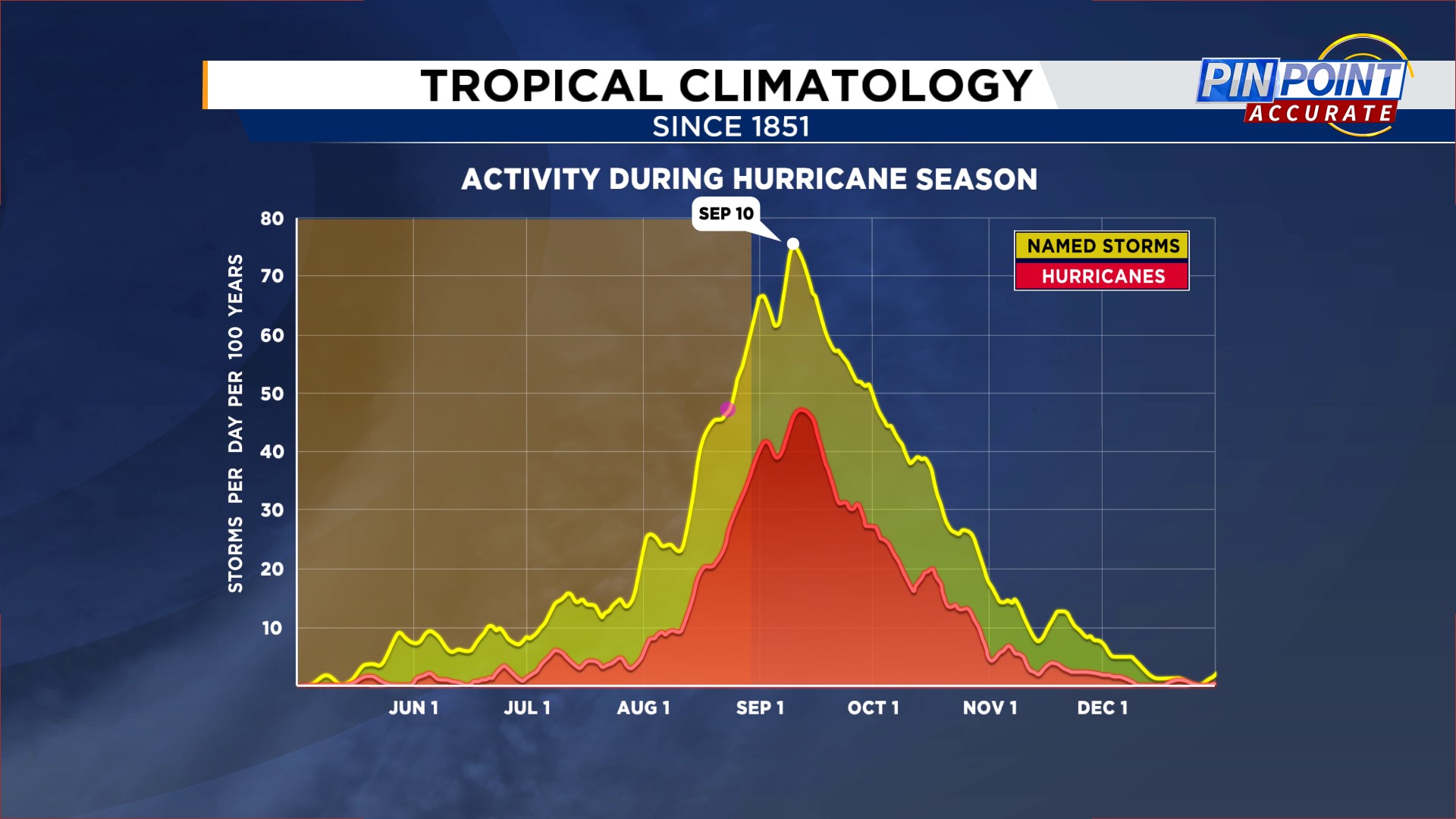
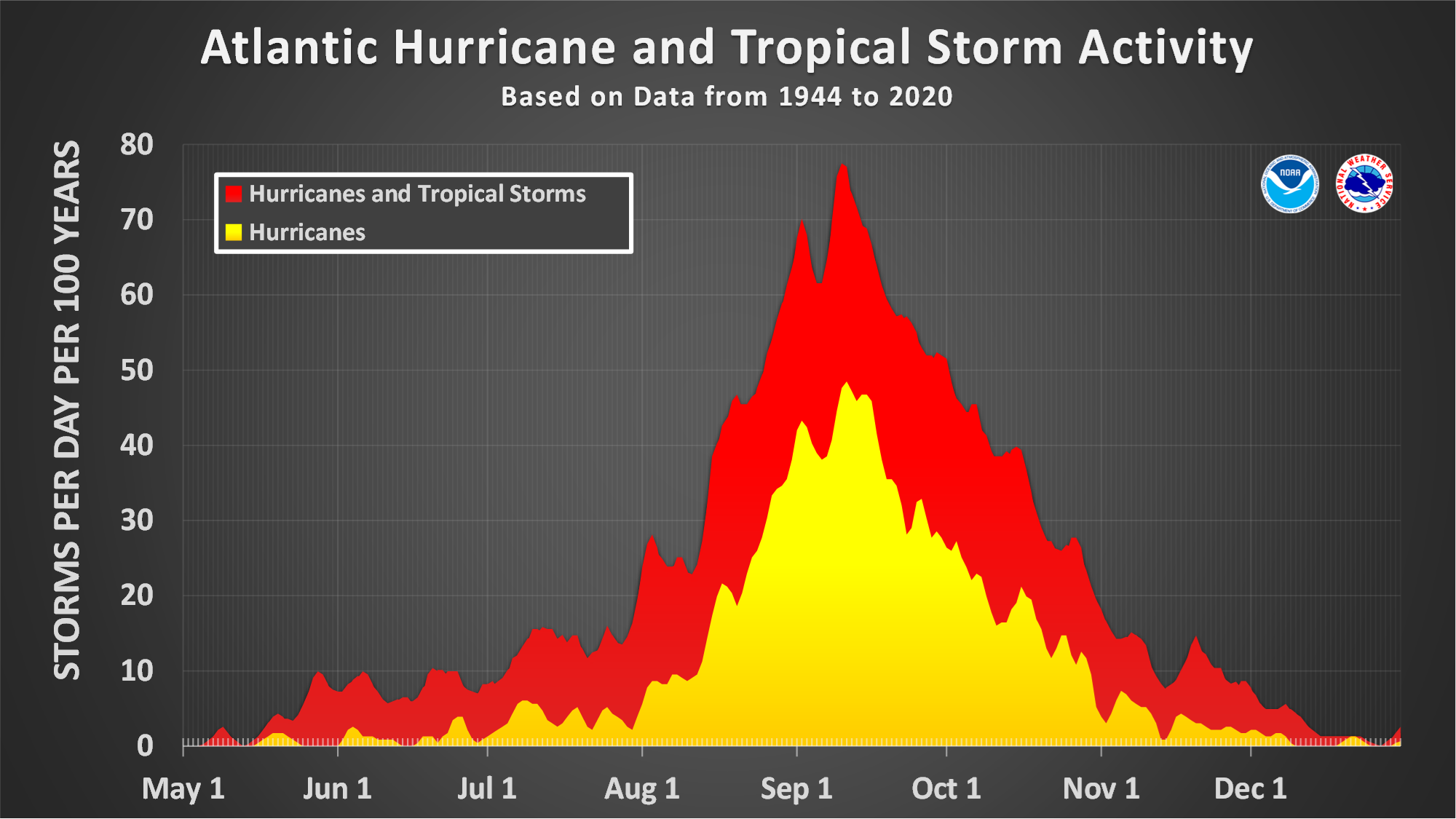
The Atlantic hurricane season officially runs from June 1st to November 30th each year. This six-month period is when tropical cyclone activity is most prevalent in the Atlantic Ocean, Caribbean Sea, and Gulf of Mexico. While the entire season spans this timeframe, the peak activity typically occurs between mid-August and late October. During these months, warm ocean waters provide the necessary energy for tropical disturbances to develop into tropical depressions, tropical storms, and potentially, hurricanes.
Orlando, located in the heart of Florida, is susceptible to the impacts of these storms. While not directly on the coast, the city can experience high winds, heavy rainfall, flooding, and power outages from landfalling hurricanes or tropical storms that track inland. Understanding the nuances of the season is paramount for travelers aiming to maximize their enjoyment while minimizing potential disruptions.
Defining the Peak and Lulls
While the season is defined as June through November, not all months are created equal in terms of storm likelihood.
- June and July: These early months often see a slower start to hurricane activity. While storms can and do form, they are generally less frequent and often less intense. This can make them attractive months for travel, though vigilance is always advised.
- August: Activity begins to increase significantly in August. The ocean waters have reached their warmest temperatures, providing ample fuel for storm development. Visitors in August should be particularly aware of weather forecasts.
- September: This is statistically the most active month for hurricanes in the Atlantic basin. The confluence of peak ocean temperatures and atmospheric conditions makes September the period of highest concern.
- October: While activity usually begins to wane in October, the season is far from over. Major hurricanes can still form and impact Florida during this month. The cooler ocean temperatures start to limit storm intensification towards the end of October.
- November: The season concludes at the end of November. While rare, late-season storms can still occur, but the probability decreases as temperatures cool.
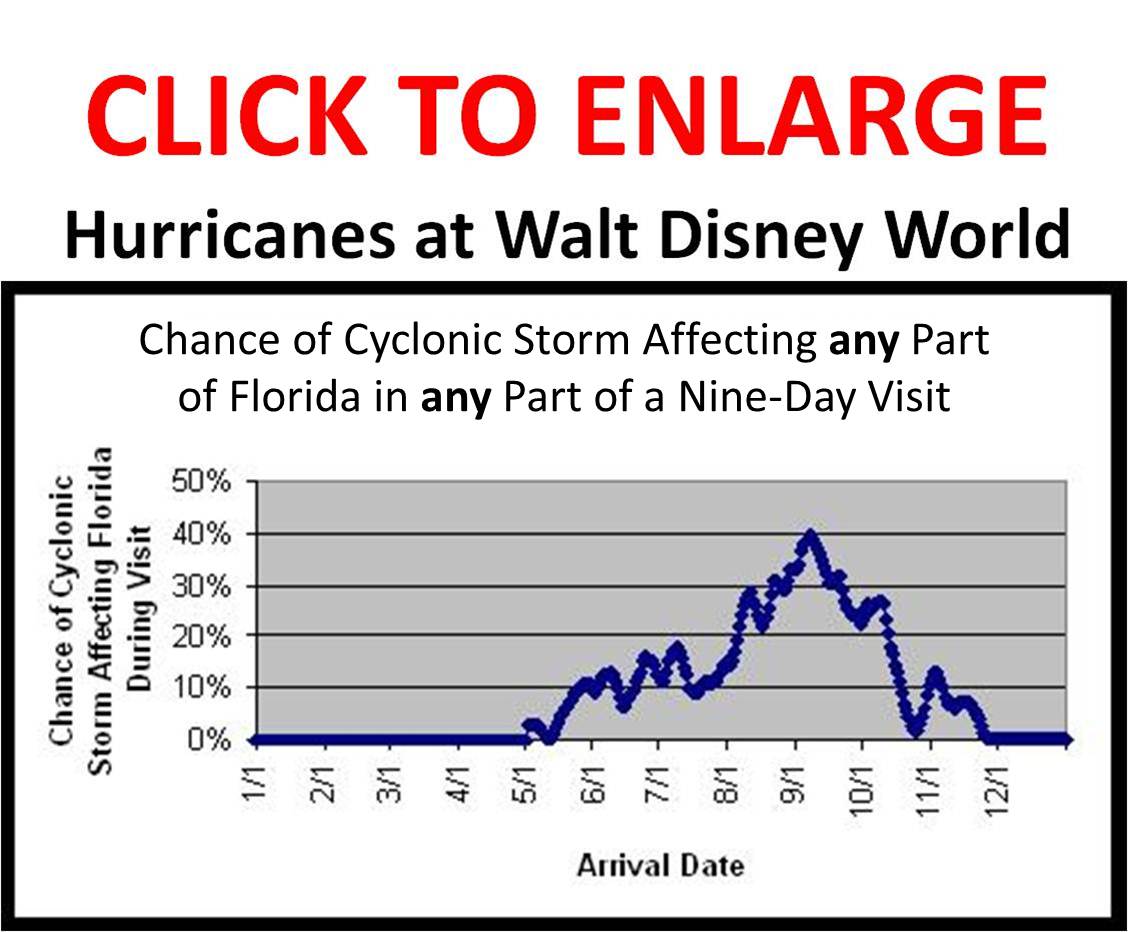
For travelers to Orlando, understanding these patterns helps in choosing travel dates. For instance, avoiding the peak months of September and early October might reduce the statistical likelihood of encountering a significant storm. However, it’s important to remember that hurricanes can occur at any point during the official season.
Why Orlando is Affected by Hurricanes
Orlando’s inland location does not shield it from the potential impacts of hurricanes. Several factors contribute to its vulnerability:
- Proximity to the Coast: Florida is a peninsula, meaning storms that make landfall on either coast or in the Gulf of Mexico can easily track inland towards Central Florida.
- Moisture and Wind Bands: Even if a hurricane doesn’t make a direct hit, the outer rain bands can bring torrential downpours, leading to localized flooding in Orlando and surrounding areas. These bands can also produce damaging wind gusts.
- Storm Surge (Indirect Effects): While Orlando does not experience storm surge directly, coastal impacts from surge can affect transportation infrastructure, power grids, and supply chains that serve the inland region.
- Tropical Storms: Many storms that impact Orlando may have already weakened from hurricane strength but can still bring significant wind, rain, and flooding.
The major theme parks, such as Walt Disney World Resort, Universal Orlando Resort, and SeaWorld Orlando, are well-prepared for these events and have established protocols for guest safety, including park closures and evacuations when necessary. However, the decision to travel during these months requires an understanding of the risks and a willingness to be flexible with itineraries.
Planning Your Orlando Trip Around Hurricane Season
Navigating Orlando travel during hurricane season requires a strategic approach. The benefits of traveling during this period often include lower prices on flights and accommodations, fewer crowds, and more availability. However, these advantages must be weighed against the potential for weather-related disruptions.
Booking and Travel Insurance
The most critical step in planning a trip during hurricane season is booking travel that offers flexibility and considering comprehensive travel insurance.
- Flexible Booking Policies: Many hotels and airlines offer more flexible change and cancellation policies during the hurricane season. Look for these options when booking your accommodations and flights to Orlando.
- Travel Insurance: A robust travel insurance policy is highly recommended. Ensure it covers weather-related cancellations, delays, and interruptions. This can reimburse you for non-refundable expenses if your trip is canceled or significantly impacted by a hurricane. Policies vary, so carefully read the terms and conditions related to named storms and hurricanes.
- Monitoring Weather Patterns: Even if you book outside the peak season, it’s wise to monitor weather patterns once your travel dates approach, especially if you are traveling in August, September, or October.
Staying Informed and Prepared
For travelers who choose to visit Orlando during hurricane season, staying informed is key to safety and a smoother experience.
- Official Weather Sources: Rely on official sources for weather information. The National Hurricane Center (NHC) is the primary source for tracking tropical cyclones. Local news outlets and weather apps that use NHC data are also invaluable.
- Hotel and Park Advisories: Stay in contact with your hotel and the theme parks you plan to visit. They will issue advisories regarding closures, operational changes, and safety procedures. Many hotels, like the Grand Bohemian Hotel Orlando or Hyatt Regency Orlando, have emergency plans in place.
- Emergency Kit: While often associated with longer stays or local residents, having a small emergency kit can be beneficial even for tourists. This might include a flashlight, batteries, a portable phone charger, non-perishable snacks, and a battery-powered radio.
- Transportation: Be aware that severe weather can impact flights into and out of Orlando International Airport (MCO) and affect road travel. Have backup plans for transportation if necessary.
The Benefits of Traveling During Hurricane Season
Despite the potential risks, visiting Orlando during hurricane season can offer distinct advantages for budget-conscious travelers or those seeking a less crowded experience.
Affordability and Availability
The months of June through November often see a dip in tourism numbers compared to the peak spring break and summer vacation periods. This reduced demand typically translates into:
- Lower Accommodation Rates: Hotels, resorts like Omni Orlando Resort at ChampionsGate, and vacation rentals often offer significant discounts to attract visitors during these months.
- Cheaper Flights: Airlines may reduce fares to stimulate bookings.
- Fewer Crowds at Attractions: Experiencing popular attractions like Universal’s Islands of Adventure or Epcot with shorter wait times can significantly enhance the visitor experience.
Potential for Unique Experiences
With fewer crowds, visitors may find themselves enjoying Orlando’s attractions at a more relaxed pace. This can lead to more spontaneous explorations and a potentially more intimate experience with the magic that the city offers. The lush, green landscape of Florida can also be particularly beautiful after a rain shower, provided it’s not a severe storm.
However, it’s crucial to reiterate that these benefits are contingent upon favorable weather. The allure of lower prices and fewer crowds must be balanced with a realistic assessment of hurricane season risks and a commitment to preparedness. Choosing travel dates earlier in June or later in November can offer some of the benefits while statistically reducing the risk.
Making the Most of Your Orlando Adventure
When planning your trip to Orlando, understanding hurricane season is not about deterring travel, but about empowering yourself with knowledge. By being aware of the season’s duration, peak periods, and potential impacts, you can make informed decisions.
Choosing the Right Time
- Early Season (June-July): Generally lower risk, pleasant weather, but still within the official season.
- Mid-Season (August-October): Highest risk, potential for disruptions, but also often the best deals and fewest crowds.
- Late Season (November): Risk decreases significantly but is still present.
Travel Tips for Peace of Mind
- Pack Smart: Include rain gear, comfortable walking shoes, and any necessary medications. A portable charger is essential.
- Stay Flexible: Be prepared to adjust your itinerary if weather conditions change. Having indoor activities or less weather-dependent attractions in mind can be helpful.
- Enjoy the Resilience: Florida is accustomed to hurricanes. Resorts and attractions are experienced in managing them, and often resume normal operations quickly. The spirit of Orlando is resilient and focused on providing a positive experience.
Ultimately, a well-planned trip during hurricane season can be just as magical and memorable as any other time of year. With careful preparation and a healthy respect for nature’s power, your Orlando adventure can be a resounding success.
LifeOutOfTheBox is a participant in the Amazon Services LLC Associates Program, an affiliate advertising program designed to provide a means for sites to earn advertising fees by advertising and linking to Amazon.com. Amazon, the Amazon logo, AmazonSupply, and the AmazonSupply logo are trademarks of Amazon.com, Inc. or its affiliates. As an Amazon Associate we earn affiliate commissions from qualifying purchases.