
Deciding when to visit Hawaii is less about finding a window of good weather and more about aligning your personal travel goals with the islands’ subtle seasonal shifts. Situated in the heart of the Pacific Ocean, this archipelago is a year-round destination where the concept of “winter” is relative, and “summer” is a state of mind. However, for travelers seeking specific experiences—whether it is witnessing the colossal winter swells on the North Shore, whale watching in the channels of Maui, or simply avoiding the largest crowds—timing becomes a critical component of the planning process.
Understanding Hawaii’s Seasonal Dynamics
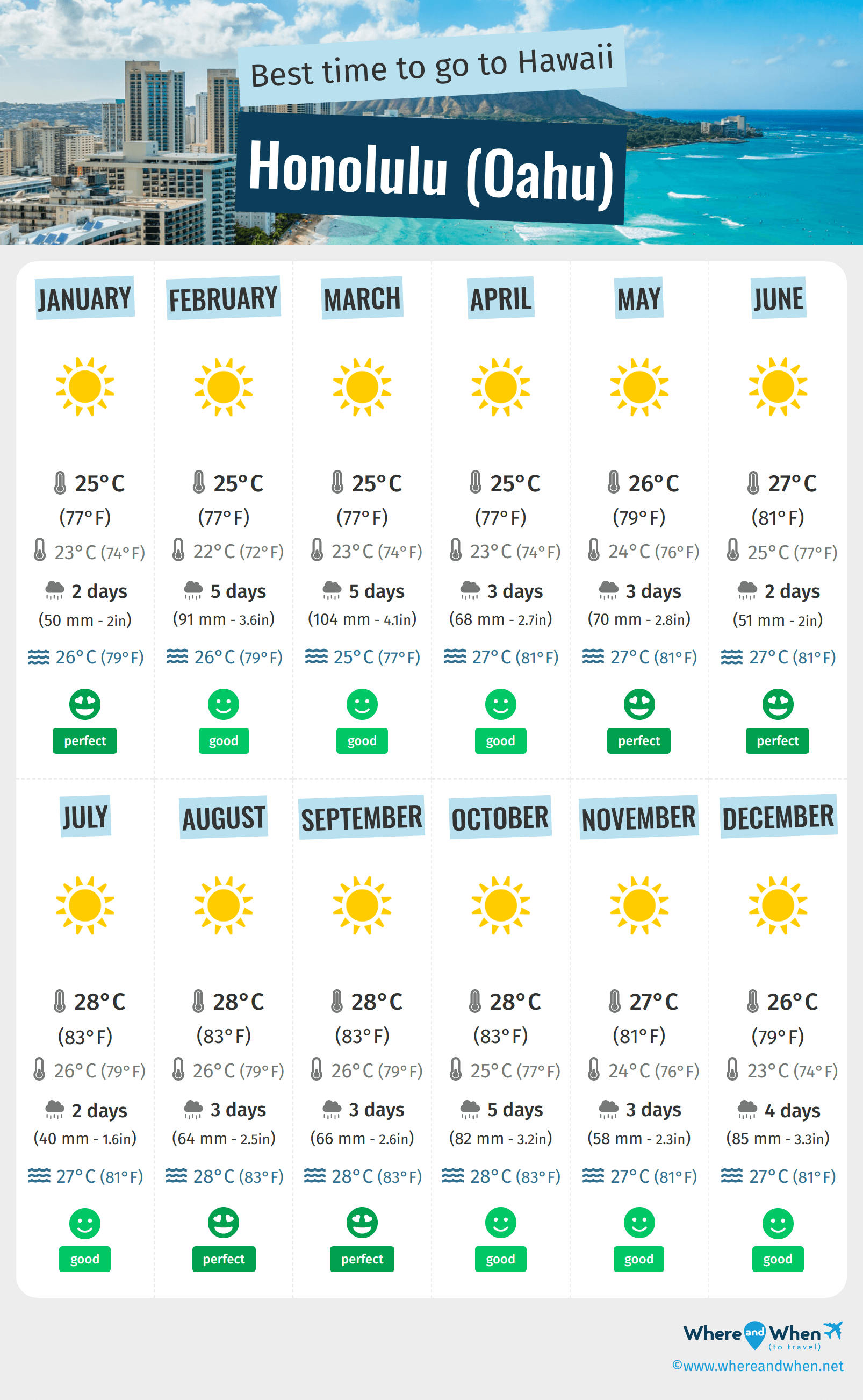
The climate in Hawaii is characterized by two primary seasons: kau (the dry season from May to October) and ho’oilo (the wetter season from November to April). Despite these classifications, the temperature remains remarkably consistent. In the coastal areas, daytime highs typically hover between 78°F and 88°F regardless of the month. The true variation lies in the rainfall patterns, wind speeds, and the intensity of the ocean currents.
The Dry Season: May to October
Summer in the United States often mirrors the peak of the dry season in the islands. During these months, the trade winds provide a refreshing breeze that mitigates the humidity. This is the ideal time for travelers who prioritize outdoor land activities like hiking the rugged trails of Kauai or exploring the volcanic craters of Oahu. The ocean during the dry season is generally much calmer, particularly on the northern shores of the islands, making it the safest time for snorkeling and swimming at beaches that might be treacherous in the winter.
The Wetter Season: November to April
While “wet season” might suggest persistent rain, in Hawaii it usually manifests as brief, passing showers followed by vibrant rainbows. The rain is often localized to the windward (northeastern) sides of the islands, leaving the leeward (southwestern) sides, such as Kona or Waikiki, relatively dry. This period is also the “cool” season, though temperatures rarely drop below 70°F at sea level. The primary draw of this season is the transformation of the landscape; the mountains become impossibly green, and the waterfalls flow with renewed vigor.
The Shoulder Seasons: Finding the Sweet Spot
For many experienced travelers, the best time to visit is during the shoulder seasons—specifically from mid-April to early June and from September to mid-November. During these windows, the weather is stable, and the influx of tourists from the mainland United States, Japan, and Canada tends to taper off. This results in more competitive pricing for flights and a more tranquil experience at popular landmarks like Pearl Harbor.
The Best Time for Specific Activities and Interests
The “best” time is entirely subjective and depends on what you hope to see and do once your feet touch the volcanic soil. Hawaii offers a diverse menu of experiences that are highly dependent on the calendar.
Whale Watching and Marine Life
One of nature’s most spectacular displays occurs between December and May when North Pacific humpback whales migrate to the warm, shallow waters of the islands to mate and give birth. While they can be seen from almost any island, the Auau Channel between Maui, Molokai, and Lanai offers some of the best sightings in the world. Peak whale-watching season typically falls in February and March. If snorkeling is your priority, the summer months provide the clearest water and calmest conditions at iconic spots like Hanauma Bay.
Surfing: From Beginners to Pros
The surfing culture is the lifeblood of the islands, but the waves change dramatically with the seasons. If you are an experienced surfer looking for world-class breaks, the winter months bring massive swells to the North Shore of Oahu. This is when prestigious competitions like the Vans Triple Crown of Surfing take place. Conversely, beginners should aim for the summer months, when the northern swells subside and the southern shores provide smaller, manageable “longboard” waves that are perfect for learning.
Hiking and Natural Exploration
For those looking to traverse the Na Pali Coast on the Kalalau Trail or hike into the heart of Haleakala National Park, the drier months are significantly safer and more enjoyable. Rain can make the red clay of Kauai incredibly slippery and can lead to trail closures. If your goal is to see the sunrise from the summit of Mauna Kea, be aware that even in summer, the altitude means temperatures can drop below freezing, and in winter, snow is a common sight atop the highest peaks of the Island of Hawaii.
A Guide to Hawaii’s Unique Island Climates
Each island in the chain has its own microclimates, meaning the “good time to go” can vary slightly depending on your specific destination.
Oahu: The Gathering Place
Oahu is the most versatile island. Because it hosts the capital city of Honolulu, it remains vibrant year-round. While the North Shore is the center of the universe in the winter for surf enthusiasts, Waikiki remains relatively calm. Fall is a particularly pleasant time to visit Oahu as the summer heat begins to mellow, and the major cultural festivals are in full swing.
Maui: The Valley Isle
Maui is famous for its dramatic topography. The drive along the Hana Highway is spectacular year-round, but it is best experienced when the rains have filled the waterfalls without making the road treacherous. If you are visiting Maui for the beaches of Wailea or the historic charm of Lahaina, the summer and early fall offer the most consistent sunshine.
Kauai: The Garden Isle
As the oldest and lushest island, Kauai receives a significant amount of rainfall, which is why it is so green. To maximize your chances of seeing Waimea Canyon without a blanket of fog or clouds, aim for the mid-summer months. However, the Na Pali Coast is best viewed by boat during the summer when the Pacific Ocean is calm enough for tour vessels to enter the sea caves.
The Island of Hawaii: The Big Island
The Island of Hawaii is so large that it contains nearly all of the world’s climate zones. You can find yourself in a tropical rainforest in Hilo and a desert-like lava field in Kona on the same day. For those visiting Hawaii Volcanoes National Park, the weather is generally cooler due to the elevation, so timing is less about the season and more about checking the current volcanic activity reports.
Cultural Calendars and Annual Events
Incorporating local festivals into your trip can provide a deeper understanding of the Hawaii beyond the resorts. These events are spread throughout the year and celebrate the rich tapestry of Native Hawaiian and immigrant cultures.
Spring: The Merrie Monarch Festival
Held in Hilo the week following Easter, the Merrie Monarch Festival is the world’s premier hula competition. It is a deeply spiritual and cultural event that attracts visitors from across the globe. If you plan to attend, you must book accommodations and transport many months—sometimes a year—in advance, as Hilo has limited capacity.
Fall: The Aloha Festivals
September is a wonderful time to visit because of the Aloha Festivals, a month-long celebration of Hawaiian culture. This includes floral parades, block parties (ho’olaule’a), and traditional music performances, primarily centered in Honolulu. It is the largest cultural celebration in the state and offers a great way to experience the local spirit.
Winter: The Holiday Spirit in the Tropics
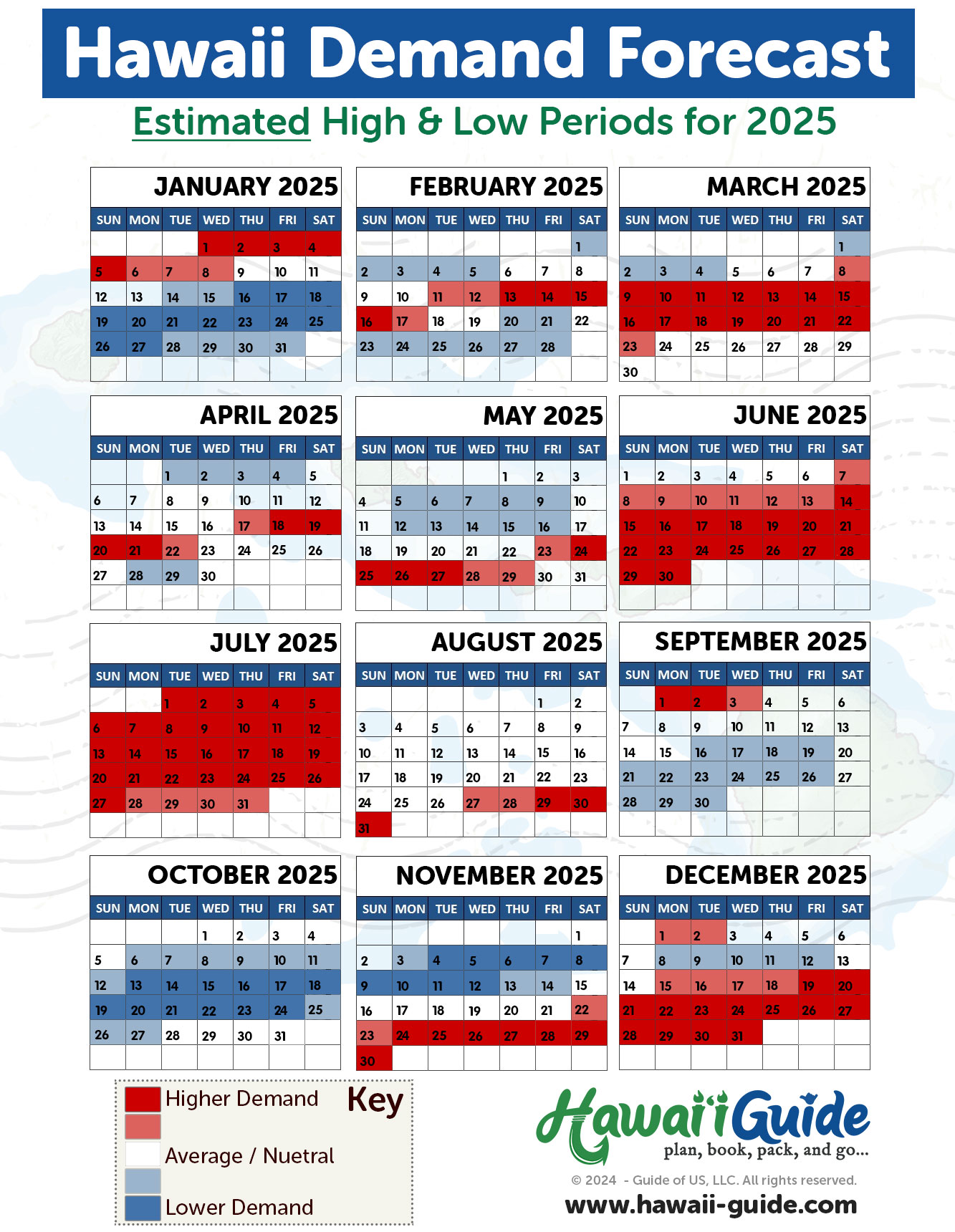
Spending December in Hawaii is a unique experience. While much of the United States is dealing with snow, Honolulu features “Shaka Santa” and displays of lights. However, this is also the most expensive time to visit, as the weeks surrounding Christmas and New Year’s see the highest demand and peak pricing for almost everything.

Strategic Planning for Budget and Crowds
If your primary concern is value, understanding the ebb and flow of tourism is essential. Hawaii is a premium destination, but there are windows where the cost of travel drops significantly.
The most expensive times to visit coincide with major holidays and school breaks. Late December through early January is the absolute peak, followed by “Spring Break” in March and the height of summer in July. During these times, not only are flights and lodging more expensive, but car rentals can become scarce and popular attractions like Diamond Head require reservations well in advance.
To find the best deals, look toward the “dead” periods:
- Late January to early February: After the holiday rush and before the spring break surge.
- September to October: After students return to school and before the Thanksgiving holiday.
- The first two weeks of December: A quiet lull before the Christmas madness begins.
Ultimately, there is no “bad” time to visit Hawaii. The islands are a masterclass in natural beauty and hospitality. Whether you find yourself standing on the edge of a cliff on the Na Pali Coast in the heat of August or watching the sunset over Waikiki in the cool of January, the magic of the islands remains constant. By aligning your visit with your specific interests—be it the surf, the whales, the culture, or the quiet—you can ensure that your journey to the 50th state is nothing short of transformative.
LifeOutOfTheBox is a participant in the Amazon Services LLC Associates Program, an affiliate advertising program designed to provide a means for sites to earn advertising fees by advertising and linking to Amazon.com. Amazon, the Amazon logo, AmazonSupply, and the AmazonSupply logo are trademarks of Amazon.com, Inc. or its affiliates. As an Amazon Associate we earn affiliate commissions from qualifying purchases.