
The quest for the perfect hotel stay often begins long before you pack your bags, with the pivotal question of “When is it best to book?” It’s a timeless dilemma for travelers, seasoned and novice alike, grappling with the dance between securing the best rates, ensuring availability, and aligning with their specific travel style and needs. The answer, as many discover, is rarely a simple one-size-fits-all, but rather a nuanced strategy influenced by myriad factors ranging from the destination’s popularity and the time of year to the type of trip you’re planning and the amenities you seek.
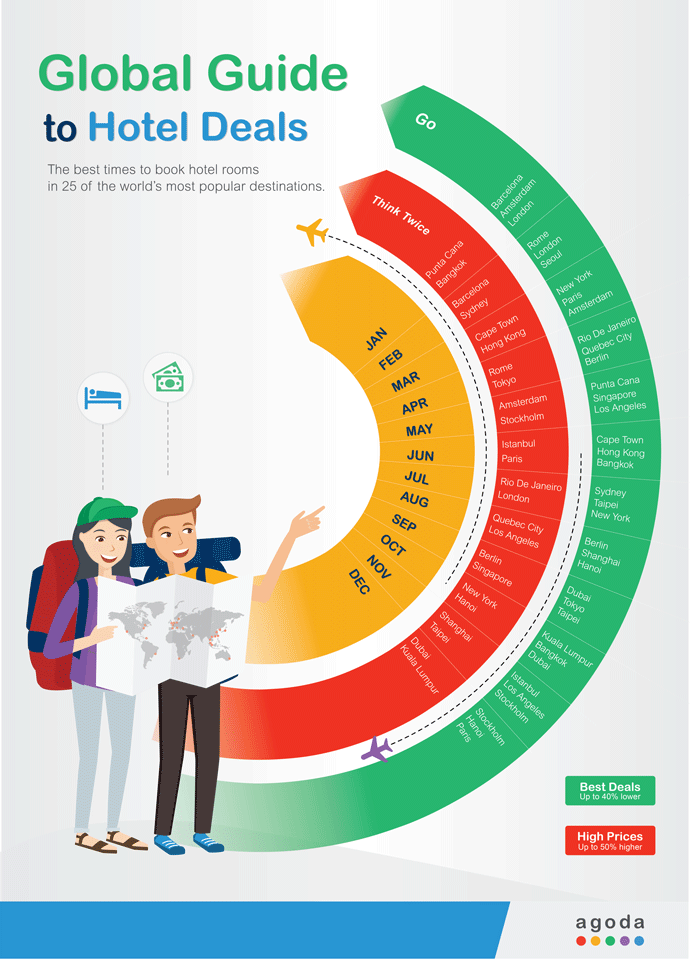
In the dynamic world of travel and accommodation, pricing and availability are constantly in flux. From bustling urban centers to serene beachfront resorts, understanding these underlying forces is key to unlocking not just a great deal, but also a seamless and stress-free experience. This comprehensive guide will navigate the intricate landscape of hotel booking, providing insights into optimal timing based on various scenarios, helping you decide when to strike for your next adventure.
The Core Dynamics of Hotel Pricing: Understanding the Market
Hotel pricing is a sophisticated algorithm driven by supply, demand, seasonality, and even global events. To effectively strategize your booking, it’s essential to grasp these fundamental dynamics that dictate whether prices soar or plummet.
The Early Bird Advantage: Securing Your Spot and Often a Better Deal
For many travelers, especially those with fixed dates, specific preferences, or plans during peak seasons and major events, booking well in advance is almost always the superior strategy. Generally, looking 3-6 months out for international travel and 1-3 months for domestic trips can yield significant benefits.
Why book early?
- Wider Selection: The most desirable rooms, suites, and properties—especially boutique hotels or those with unique amenities—tend to be booked first. If you have your heart set on a specific oceanfront villa at a Four Seasons Resort Bora Bora or a room with a view of the Eiffel Tower in Paris, early booking is non-negotiable.
- Often Lower Prices: While not always guaranteed, hotels frequently offer lower “advance purchase” rates to secure early occupancy. These rates can be significantly cheaper than last-minute bookings, particularly for popular destinations or during high-demand periods.
- Peace of Mind: Knowing your accommodation is secured alleviates a major source of travel stress, allowing you to focus on planning other aspects of your trip, such as flights, activities, and dining reservations.
- Peak Season and Event Travel: Destinations like Kyoto during cherry blossom season, Rio de Janeiro for Carnival, or Munich for Oktoberfest see demand skyrocket, and prices can quadruple. Booking 6-12 months out is crucial here. Similarly, major international events like the Olympics require bookings sometimes a year or more in advance.
The Thrill of Last-Minute Deals: When Spontaneity Pays Off
While early booking is often recommended, the allure of a spontaneous trip powered by a last-minute deal is undeniable, and sometimes incredibly rewarding. This strategy, however, comes with its own set of risks and is best suited for flexible travelers.
When do last-minute deals emerge?
- Low Occupancy: If a hotel is struggling to fill rooms closer to the arrival date, they may release discounted rates to avoid empty beds, especially on weekdays or during the off-season.
- Off-Peak Periods: Traveling during the shoulder season (just before or after peak) or the true off-season significantly increases the likelihood of finding compelling last-minute offers. Think a midweek stay in Las Vegas outside of a major convention, or a quiet beach escape in Cancun during hurricane season (with travel insurance, of course).
- Flexible Destinations: If you’re open to various locations or types of hotels, you can snatch up incredible deals as they appear. Websites like Booking.com or Expedia often highlight these “secret deals” or “member-only” rates.
- Weekdays vs. Weekends: Business hotels in major cities like London or New York City often have lower rates on weekends when business travelers are gone, while leisure destinations see the opposite trend.
The Risks: Limited selection, potentially higher prices for popular options, and the stress of uncertainty. Last-minute is a gamble; sometimes it pays off handsomely, other times you might find yourself settling for less than ideal accommodation or paying a premium.
Seasonal Swings and Special Events: The Rhythmic Impact on Prices
The calendar is a powerful determinant of hotel prices. Understanding the rhythm of seasons and the timing of special events is paramount for smart booking.
- Peak Season: This is when a destination is at its most popular, typically coinciding with favorable weather, school holidays, or major festivals. Examples include summer in Europe, winter in the Swiss Alps for skiing, or festive holidays in the Maldives. Expect the highest prices and lowest availability, necessitating early booking (6-12 months).
- Shoulder Season: These are the periods immediately before and after the peak season. Think spring or fall in many destinations. The weather is often pleasant, crowds are thinner, and prices are noticeably lower than peak. This is often cited as the “best” time to travel for a balance of cost and experience. Booking 2-4 months out is often ideal.
- Off-Season: Characterized by less favorable weather (e.g., extreme heat, heavy rain, cold), fewer crowds, and the lowest prices. While some attractions might be closed, and services reduced, intrepid travelers can find exceptional value. Last-minute deals are most prevalent here.
- Major Holidays and Festivals: Beyond typical peak seasons, national holidays (e.g., Thanksgiving, Christmas, Lunar New Year), local festivals, or major sporting events will create micro-peaks in demand, driving prices up dramatically. Research local calendars for your chosen destination.
Tailoring Booking Strategies to Your Travel Style
Your personal travel philosophy, budget, and the purpose of your trip are crucial in defining your optimal booking window. There’s no single “best” time, but rather a best time for you.
The Budget-Conscious Explorer: Flexibility is Your Friend
For travelers prioritizing cost savings, flexibility is the ultimate superpower.
- Optimal Timing: Embrace the shoulder and off-seasons. Traveling midweek instead of weekends, or scheduling your trip around major holidays can lead to significant savings.
- Booking Window: Be vigilant 1-3 months out, but also keep an eye on last-minute deals if your itinerary is very flexible. Sometimes, booking extremely far in advance (6+ months) for destinations like Lisbon or Bangkok can secure lower promotional rates before demand picks up.
- Strategy: Compare extensively using sites like Google Hotels, set up price alerts, and consider less popular neighborhoods or alternative accommodation types like apartments or hostels. Being open to a change in plans or destination can unlock incredible value.
Luxury and Bespoke Experiences: Precision Planning is Key
Those seeking unparalleled luxury, unique experiences, and specific high-end amenities should always lean towards booking far in advance to guarantee their desired level of comfort and exclusivity.
- Optimal Timing: 6-12 months out, sometimes even longer for ultra-exclusive properties or during high-demand events.
- Booking Window: As soon as your travel dates are firm. High-demand luxury suites, private villas, or specific resort amenities like overwater bungalows often have limited availability and book up quickly.
- Strategy: Direct booking with hotels like Hyatt or Marriott can provide access to preferred rates, concierge services, and loyalty program benefits like room upgrades. Don’t underestimate the value of travel advisors for securing perks and navigating complex bookings for destinations like Dubai or other exclusive locations.

Family and Group Adventures: The Earlier, The Better
Coordinating travel for multiple people, especially with children, introduces complexities that necessitate early planning.
- Optimal Timing: 6-9 months in advance, especially for school holidays or popular family destinations.
- Booking Window: As soon as you confirm dates with all participants. Family suites, interconnected rooms, or villas large enough for groups are often limited and the first to sell out. Waiting until the last minute drastically reduces your options and may force compromises on comfort or location.
- Strategy: Look for hotels offering specific family-friendly amenities, kids’ clubs, or all-inclusive packages. Consider destinations like Orlando (California for theme parks) or family resorts in Mexico where group activities are a focus. Direct communication with the hotel can help secure specific room configurations.
Business and Spontaneous Trips: Loyalty and Flexibility Drive Decisions
Business travel often demands last-minute bookings due to unforeseen meetings or urgent projects. However, a different kind of strategy applies here.
- Optimal Timing: Often last-minute (within a few weeks or days), dictated by business needs.
- Booking Window: As soon as the trip is confirmed. While not always the cheapest, corporate rates or preferred supplier agreements can often mitigate high last-minute prices.
- Strategy: Leverage loyalty programs like Marriott Bonvoy or Hilton Honors. These programs not only provide points for future stays but can also offer perks like guaranteed availability, complimentary upgrades, and flexible cancellation policies, which are invaluable for spontaneous business trips. For very last-minute needs, direct booking or specific corporate travel platforms are generally more reliable than public comparison sites.
Leveraging Tools and Technology for Smarter Bookings
In the digital age, a wealth of online resources can empower travelers to make informed decisions about when and where to book.
The Power of Comparison Websites and Price Alerts
Online Travel Agencies (OTAs) and metasearch engines are invaluable for comparing rates across hundreds of hotels and booking platforms.
- Comparison Sites: Platforms like Booking.com, Expedia, Agoda, and Hotels.com allow you to filter by price, location, amenities, and guest reviews. Metasearch engines such as Google Hotels or Kayak take this a step further, pulling prices from various OTAs and hotel websites simultaneously.
- Price Alerts: Many of these platforms, along with specialized apps, allow you to set up email alerts for specific hotels or destinations. You’ll be notified when prices drop for your desired dates, making it easier to snag a deal without constant manual checking. This is particularly useful for longer booking windows.
Direct Booking Perks and Loyalty Programs
While OTAs offer convenience, booking directly with a hotel chain often comes with distinct advantages.
- Best Rate Guarantees: Many hotel brands like Hilton or InterContinental Hotels Group (IHG) offer “best rate guarantees,” promising to match a lower rate found elsewhere and often providing an additional discount or perk.
- Loyalty Benefits: Members of hotel loyalty programs often receive exclusive discounts, free Wi-Fi, complimentary breakfast, late check-out, and even room upgrades. These benefits accrue over time, making direct booking increasingly attractive for frequent travelers.
- Flexibility and Customer Service: Direct bookings typically offer more straightforward amendment and cancellation processes and direct access to the hotel’s customer service, which can be invaluable if issues arise.
Understanding Cancellation Policies: The Safety Net
Always pay close attention to the cancellation policy. A seemingly great deal might be non-refundable, adding risk if your plans are uncertain. Flexible cancellation options (often available up to 24-48 hours before check-in) provide a crucial safety net, allowing you to book early to secure availability without committing fully, and then re-evaluate for potential last-minute deals if your plans allow.
Geographical and Event-Specific Considerations
The geography of your destination and any specific events happening there play a significant role in determining the optimal booking window.
Major Urban Centers vs. Niche Destinations
- Urban Centers: Cities like Rome, Tokyo, or Sydney generally have a high volume of hotels, offering more options. However, major conferences, trade shows, or city-wide festivals can quickly fill up even these extensive inventories. For a general visit, 1-3 months ahead is usually fine, but for specific events, push that to 4-6 months.
- Niche or Remote Destinations: Smaller towns, national parks (like Yellowstone), or unique resorts in places like Zermatt for skiing, have limited accommodation options. Booking 6-12 months out, especially for peak season, is highly recommended to avoid disappointment.
International Travel Nuances
When venturing abroad, the booking timeline often needs to align with other critical elements of your trip.
- Visa Requirements: Some countries, such as Japan or Australia (depending on your nationality), require visas or electronic travel authorizations that might necessitate confirmed accommodation details. Factor this into your planning.
- Flight Bookings: Often, securing flights is the first step for international travel, as flight prices also fluctuate dramatically. Coordinating hotel booking with flight booking ensures both are secured at reasonable rates, ideally 6-9 months out for long-haul international trips.
- Currency Fluctuations: For trips far in the future, consider the potential impact of currency exchange rates. While you can’t predict perfectly, it’s another variable that can influence the real cost of your booking.
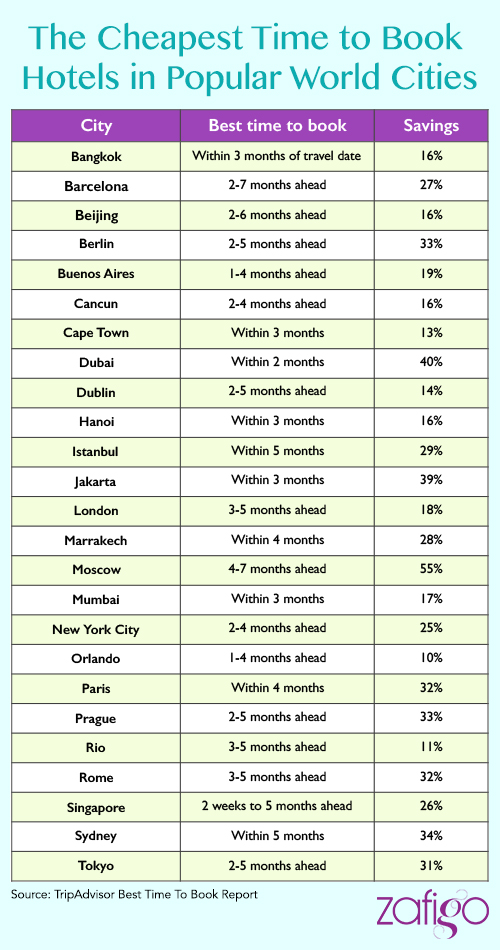
The Art of Timely Booking: A Concluding Perspective
Ultimately, the “best” time to book a hotel is a personalized decision, an art rather than a science, where your individual preferences, flexibility, and risk tolerance intersect with market dynamics. While general guidelines exist – early for peak season, specific preferences, and groups; flexible and last-minute for budget-conscious, spontaneous trips – a truly smart traveler combines these insights with active research and strategic tool utilization.
Whether you’re planning a luxurious escape to Bora Bora, a budget-friendly city break in Berlin, or a business stay at a Grand Hyatt Hotel for a conference, understanding the variables will empower you to make an informed choice. Set price alerts, compare across platforms, consider direct booking perks, and always double-check cancellation policies. By doing so, you’ll not only enhance your chances of securing the best possible rate but also ensure your accommodation perfectly complements the seamless travel experience you envision. Happy travels, and happy booking!