
The allure of Hawaii – with its sun-drenched beaches, verdant volcanic landscapes, and vibrant Polynesian culture – beckons travelers from around the globe. However, the dream vacation can quickly become an expensive reality if flight prices are not carefully considered. Understanding the ebb and flow of airfare to the Hawaiian Islands is crucial for securing the most affordable tickets. This comprehensive guide delves into the seasonal patterns, booking strategies, and lesser-known tricks that can significantly reduce the cost of your journey to paradise.
Understanding Seasonal Demand and Pricing
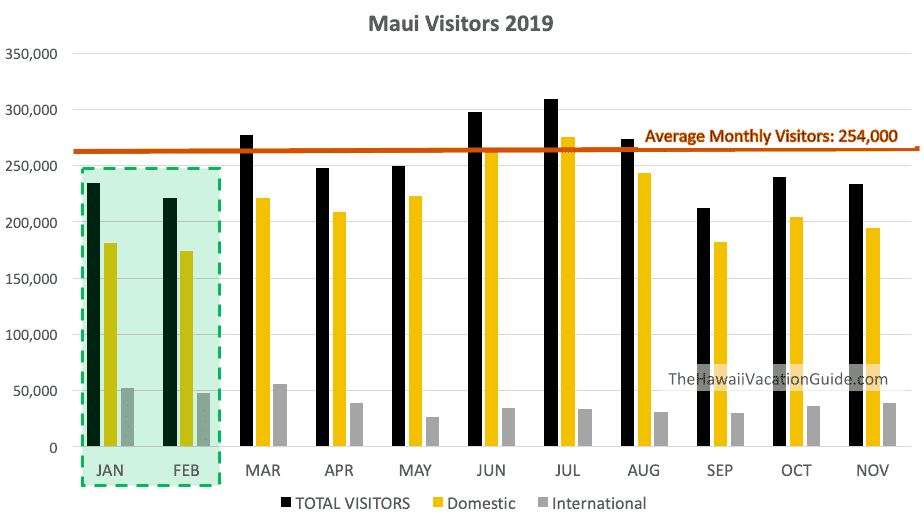
The cost of flying to Hawaii is intrinsically linked to the demand for travel to the islands. This demand, in turn, is heavily influenced by school holidays, major American holidays, and the general desirability of the weather in different parts of the year. By identifying these peak and off-peak periods, travelers can strategically plan their trips to align with the lowest fares.
Peak Travel Seasons: When Prices Soar
Certain times of the year see an undeniable surge in visitors to Hawaii, driving up flight prices considerably. These periods generally coincide with school breaks and major holiday celebrations.
- Winter (Mid-December to Mid-April): This is arguably the busiest and most expensive time to visit Hawaii. Americans seeking to escape the cold winter weather flock to the islands. The holiday season, from Christmas through New Year’s, and the subsequent school breaks in January and February, create a sustained period of high demand. Furthermore, the winter months on the north shores of islands like Oahu and Maui offer world-class surfing conditions, attracting a dedicated crowd of wave-riders and spectators, further boosting demand.
- Summer (June to August): The summer vacation period, encompassing school’s out and the July 4th holiday, is another significant peak season. Families take advantage of the school calendar to travel, making flights and accommodation at popular resorts like the Grand Wailea, A Waldorf Astoria Resort on Maui highly sought after and, consequently, more expensive.
- Spring Break (Late March to Early April): While sometimes overlapping with the tail end of winter’s peak, the traditional spring break period for colleges and some school districts sees a notable increase in bookings. This is a popular time for younger travelers and families looking for warmer weather before the full swing of summer.
Shoulder Seasons: The Sweet Spot for Savings
The periods between the major peak seasons offer a compelling balance of good weather and significantly lower airfares. These are often referred to as the “shoulder seasons” and represent the ideal time for budget-conscious travelers to book their flights to Hawaii.
- Spring (Mid-April to Early June): Following the end of spring break and before the summer school holidays commence, this period is a fantastic window for affordable travel. The weather remains excellent across all islands, with plenty of sunshine and comfortable temperatures. It’s a great time to explore attractions like the Na Pali Coast on Kauai without the massive crowds and inflated prices of peak times.
- Fall (September to Mid-December, excluding Thanksgiving): The months of September, October, and November (up until the week of Thanksgiving) offer another prime opportunity for savings. The summer crowds have dispersed, and the weather remains pleasant, though the occasional rain shower can be expected, particularly on the windward sides of the islands. This period allows for a more relaxed experience at popular spots like Pearl Harbor or the Volcanoes National Park on the Island of Hawaii.
Off-Peak Season: The Ultimate Budget Option
While “off-peak” might suggest less desirable conditions, the reality for Hawaii is that even during these times, the weather is generally fantastic. The primary difference is the significantly reduced number of tourists, leading to the lowest flight prices.
- Late January to Mid-February (excluding President’s Day weekend): Immediately following the peak of the winter holiday season, there’s a brief dip in demand. If you can manage to travel after the New Year’s rush and before the spring break crowds arrive, you’re likely to find the best deals of the year.
- September and October: While considered shoulder seasons by many, these months can also be considered off-peak in terms of the lowest possible fares, especially if you can avoid booking around any local festivals or events.
Strategic Booking: Timing is Everything
Beyond understanding the seasonal fluctuations, the actual timing of your flight purchase plays a pivotal role in securing affordable fares. This involves a combination of flexibility, diligence, and utilizing the right tools.
The “Sweet Spot” for Booking
There’s a widely accepted “sweet spot” for booking flights to Hawaii that balances the need to book in advance with the risk of prices increasing closer to the travel date.
- 2-6 Months in Advance: For international or long-haul flights, booking very far in advance is often recommended. However, for domestic travel to Hawaii, the sweet spot typically falls between two to six months prior to your departure date. Booking within this window allows you to capture fares before airlines anticipate the full demand and adjust prices upwards. Flights booked too far out (over 6-8 months) may not reflect the most advantageous pricing as airlines are still establishing their schedules and fare structures. Conversely, booking too close to the departure date (less than 1-2 months) often means facing premium prices as demand solidifies and fewer seats are available at lower tiers.
Leveraging Flexibility
If your travel dates are not rigidly fixed, you gain a significant advantage in finding cheaper flights.
- Mid-Week Travel: Flights departing on Tuesdays and Wednesdays are almost invariably cheaper than those on Fridays, Saturdays, or Sundays. Airlines often schedule more flights and cater to higher demand on weekend travel days, leading to higher prices. Similarly, returning on a Tuesday or Wednesday can also yield savings.
- Avoiding Holidays: As discussed in the seasonal section, traveling during major holidays like Christmas, New Year’s, Thanksgiving, or even extended holiday weekends will drastically increase flight costs. If your goal is to save money, actively avoid these periods.
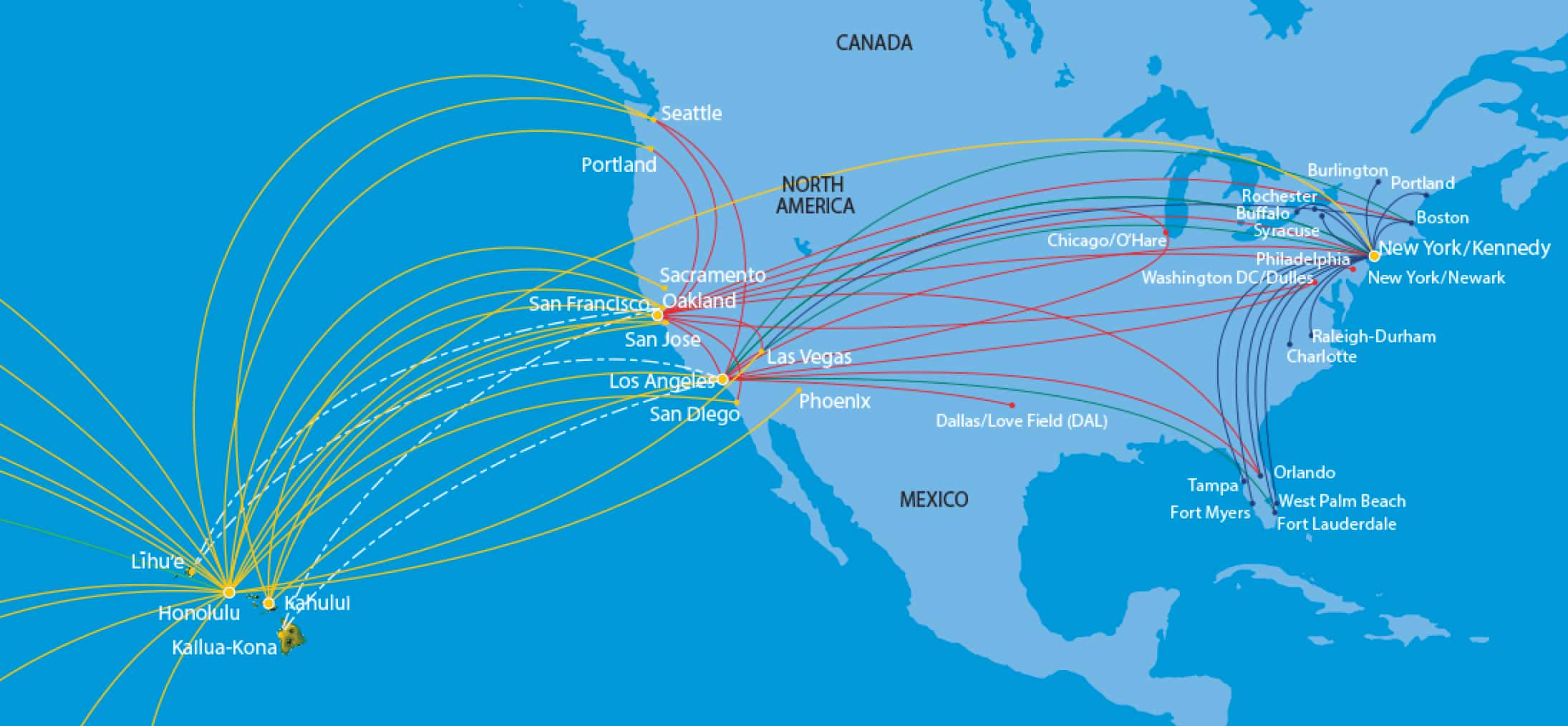
- Considering Different Airports: While most major airlines fly into the main international airports on each island – such as Daniel K. Inouye International Airport (HNL) on Oahu, Kahului Airport (OGG) on Maui, Kona International Airport (KOA) on the Island of Hawaii, and Lihue Airport (LIH) on Kauai – it can sometimes be beneficial to compare prices to different islands. While direct flights are often preferred, a slightly cheaper flight with a layover on another island, followed by a short inter-island hop, might offer overall savings, though this adds complexity and travel time.
Utilizing Flight Comparison Tools and Alerts
In today’s digital age, numerous tools can help you track flight prices and find the best deals.
- Flight Aggregators: Websites like Google Flights, Skyscanner, and Kayak are invaluable for comparing prices across various airlines simultaneously. These platforms allow you to set price alerts for specific routes and dates.
- Price Alerts: Once you have a general idea of your travel window and preferred islands, set up price alerts on these aggregators. You will receive email notifications when the price of your desired flight drops, allowing you to book at the opportune moment.
- Airline Websites: While aggregators are great for comparison, it’s always a good practice to check the direct websites of major airlines that service Hawaii, such as Hawaiian Airlines, United Airlines, American Airlines, and Southwest Airlines. Sometimes, airlines offer exclusive deals or slightly lower fares directly through their own booking portals.
Beyond the Ticket: Ancillary Costs and Smart Savings
While the flight is often the largest single expense, several other factors can influence the overall cost of your trip to Hawaii. Being aware of these and planning accordingly can lead to substantial savings.
Inter-Island Travel
If you plan to visit multiple islands during your trip, factor in the cost of inter-island flights. These are typically operated by Hawaiian Airlines and can range from $50 to $150 each way per person, depending on the route and how far in advance you book.
- Consolidate Your Itinerary: If possible, try to focus on one or two islands rather than hopping between four or five. Each inter-island flight adds to your total travel expenses and takes valuable vacation time.
- Book Inter-Island Flights in Advance: Similar to international flights, booking inter-island flights well in advance can often secure better prices, especially if you are traveling during peak times.
Accommodation and Packages
While this article focuses on flight prices, it’s important to acknowledge how accommodation choices can indirectly influence your perception of travel costs.
- Bundling Flights and Hotels: Sometimes, booking a flight and hotel package through a travel agent or website can offer savings. However, it’s crucial to compare the bundled price against booking each component separately, as this is not always the case. For example, a package at the Hyatt Regency Waikiki Beach Resort and Spa might seem attractive, but individual bookings could be cheaper.
- Consider Non-Peak Travel for Accommodation Deals: The cheapest times to fly often correlate with the cheapest times to book accommodations, as demand for hotels and vacation rentals also decreases.
Day of the Week for Flights
The specific day you choose to depart and return can have a surprising impact on your overall flight cost.
- Tuesday and Wednesday Departures: As mentioned previously, Tuesday and Wednesday are consistently the cheapest days to fly across most domestic routes, including those to Hawaii. Airlines generally have less demand on these days as business travelers and weekend vacationers have already departed or are returning.
- Saturday Returns: Conversely, returning on a Saturday can sometimes be more expensive due to weekend leisure travelers heading home. Opting for a mid-week return flight can often result in savings.
- The “Saturday Night Rule”: While more relevant to international travel, the concept of needing to stay over a Saturday night to get cheaper fares sometimes still applies to longer domestic routes. However, for Hawaii, focusing on mid-week travel is generally a more reliable strategy for savings.

Last-Minute Deals (and Risks)
While booking in advance is the general rule, occasionally, last-minute deals can emerge for flights to Hawaii. These are, however, extremely rare and often carry significant risk.
- Unsold Inventory: Airlines might release deeply discounted tickets if they have a significant number of unsold seats close to the departure date, especially if they need to meet certain load factor targets.
- High Risk: Relying on last-minute deals is a gamble. More often than not, prices will skyrocket as the departure date approaches. If you have fixed vacation days or specific travel plans, this strategy is not advisable. It’s best suited for individuals with extreme flexibility and a willingness to travel on short notice.
In conclusion, the journey to finding the cheapest flights to Hawaii is one that rewards planning, flexibility, and strategic execution. By understanding the seasonal patterns, booking within the optimal window, leveraging digital tools, and being mindful of ancillary costs, travelers can transform their dream Hawaiian escape from an expensive endeavor into an affordable reality. The magic of the islands awaits, and with smart planning, it can be experienced without breaking the bank.
LifeOutOfTheBox is a participant in the Amazon Services LLC Associates Program, an affiliate advertising program designed to provide a means for sites to earn advertising fees by advertising and linking to Amazon.com. Amazon, the Amazon logo, AmazonSupply, and the AmazonSupply logo are trademarks of Amazon.com, Inc. or its affiliates. As an Amazon Associate we earn affiliate commissions from qualifying purchases.