
For travelers envisioning a quintessential winter experience, the question of when Chicago will transform into a snow-laden wonderland is paramount. The Windy City, famed for its stunning architecture and vibrant culture, takes on a magical, albeit chilly, charm under a blanket of white. Understanding Chicago’s snowfall patterns is key to planning a memorable trip, ensuring you’re either present for the picturesque flurries or prepared for the crisp, dry cold that defines its winters. This guide will delve into the city’s snowy season, offering insights for those looking to embrace or navigate its winter climate.
Understanding Chicago’s Winter Climate
Chicago’s geographic location in the Midwest, coupled with its proximity to Lake Michigan, profoundly influences its winter weather. The city experiences distinct seasons, with winters characterized by cold temperatures, strong winds, and, of course, snow. While the precise timing and intensity of snowfall vary year to year, historical data provides a reliable framework for expectations.
The Lake Effect Phenomenon
One of the most significant factors contributing to Chicago’s snowfall is the “lake effect” phenomenon. As frigid air masses from Canada sweep across the relatively warmer waters of Lake Michigan, they pick up moisture and heat. When this now-moisture-laden air reaches the colder land on the western shore, it cools rapidly, leading to condensation and the formation of snowbands. While the heaviest lake effect snow typically falls on the eastern shores of Lake Michigan, Chicago frequently experiences its effects, especially when winds align favorably from the northeast. This can result in localized, heavy snowfall that accumulates quickly, sometimes leading to stunning, isolated winter scenes even within the metropolitan area. Travelers hoping to witness the beauty of a fresh snowfall should be aware that these events can sometimes occur suddenly, adding an element of exciting unpredictability to a winter visit. Beyond the lake effect, major snowstorms can also originate from larger synoptic systems tracking across the Midwest, bringing widespread snowfall to the entire region.
Average Snowfall and Temperatures
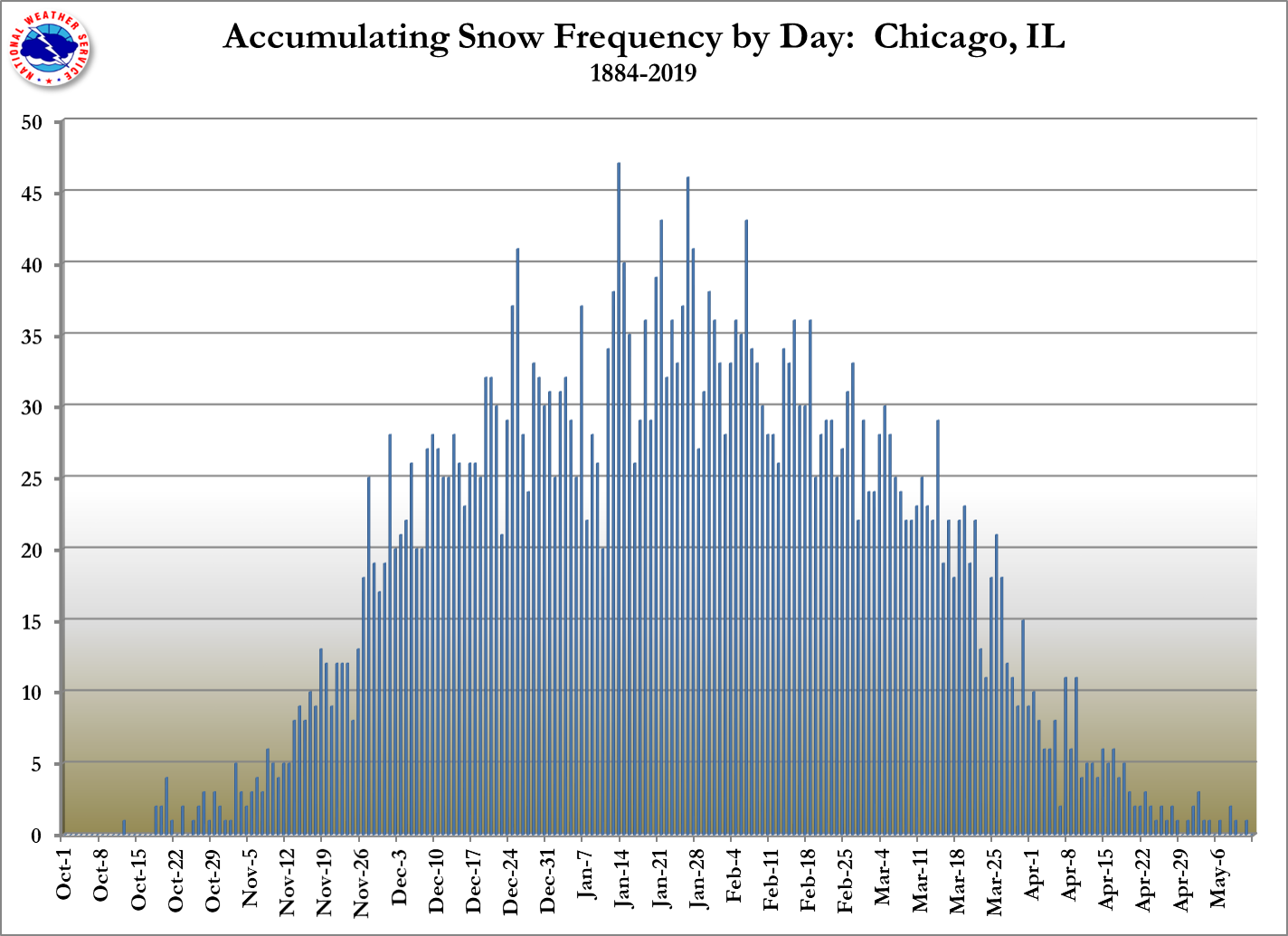
Historically, Chicago’s first measurable snowfall typically arrives in November, though light flurries can sometimes appear in late October. These early snowfalls are often fleeting, melting within a day or two. The intensity and frequency of snow increase significantly in December, marking the true beginning of winter. January and February are consistently the snowiest and coldest months, with average accumulations often exceeding those of other periods. During these peak months, travelers can expect average high temperatures to hover around the low 30s Fahrenheit (0 to -1 degrees Celsius) and lows to dip into the teens or single digits Fahrenheit (-7 to -12 degrees Celsius), sometimes even lower during cold snaps. The city typically receives an average of 38 inches (96 cm) of snow annually, with significant variations from year to year. Some winters might see much less, while others could deliver well over 50 inches (127 cm). By March, snowfall begins to taper off, though late-season storms are not uncommon, occasionally bringing significant accumulations before spring finally takes hold in April. Understanding these averages helps set expectations for travelers deciding when to experience Chicago’s winter charm.
Best Times to Experience Snow in Chicago
For those specifically seeking a snowy experience in Chicago, timing your visit is crucial. While snow can technically fall from late October through April, certain periods offer a higher probability of encountering a picturesque winter landscape.
Early Winter (November-December)
Visiting Chicago in early winter, particularly from late November through December, offers a charming introduction to the city’s snowy season. While consistent, deep snow cover might not be guaranteed, this period often sees the first significant snowfalls. The city begins to transform with festive decorations, and the occasional dusting of snow on the trees and buildings adds a magical backdrop to the holiday lights. The famed Christkindlmarket in Daley Plaza is in full swing, creating an enchanting atmosphere that is only enhanced by a light snowfall. Travelers during this time will find a bustling city, active with holiday shoppers and revelers, and the possibility of waking up to a fresh blanket of white without the most extreme cold temperatures of mid-winter. It’s an ideal time for those who enjoy the festive spirit and wish to see Chicago in its holiday glory, with a good chance of some beautiful, Instagram-worthy snow scenes.
Mid-Winter Peak (January-February)
If your primary goal is to immerse yourself in a truly snowy Chicago experience, then planning your trip for January or February is your best bet. These are statistically the snowiest and coldest months, offering the highest probability of prolonged snow cover and opportunities to witness significant snowfall events. The air is crisp, the city often wears a persistent white cloak, and iconic attractions like Millennium Park‘s ice skating rink are in full swing. While temperatures can be quite low, ranging from single digits to low 30s Fahrenheit, the beauty of a snow-covered skyline against a clear blue winter sky is unparalleled. This period is perfect for winter sports enthusiasts, photographers, or anyone who truly embraces the cold for the reward of a breathtaking winter wonderland. Be prepared for strong winds, which can make the already cold temperatures feel even more intense, a phenomenon locals affectionately refer to as “wind chill.”
Late Winter/Early Spring (March-April)
By March, the frequency and intensity of snowfall in Chicago generally begin to decline as the city gradually transitions towards spring. However, it’s not uncommon for March to deliver one or two significant snowfalls, sometimes even “snowmageddon”-level events, before winter completely loosens its grip. These late-season snowfalls can be particularly beautiful, often arriving when the days are noticeably longer, and the sun feels a bit stronger. Travelers visiting in early March might still catch the tail end of winter activities, and the possibility of fresh snow provides a final opportunity to enjoy Chicago’s snowy charm. April typically marks the end of measurable snowfall, though a rare late dusting is not entirely unheard of. For those who prefer milder temperatures but still desire a chance to see snow, a visit in early March offers a balanced compromise, though the consistency of snow cover will be less reliable than in mid-winter.
Preparing for a Snowy Chicago Trip
A trip to Chicago during winter demands careful preparation, especially if you’re hoping for or anticipating snow. Being adequately equipped ensures a comfortable and enjoyable experience, allowing you to focus on the city’s unique winter offerings rather than battling the elements.
Essential Packing List

Packing appropriately is paramount for a Chicago winter visit. Layering is key: start with a moisture-wicking base layer, add insulating mid-layers like fleece or wool sweaters, and top it off with a waterproof and windproof outer shell. A high-quality winter coat designed for sub-zero temperatures is essential. Don’t forget insulated, waterproof boots with good traction to navigate snowy or icy sidewalks. Thermal socks, waterproof gloves or mittens, a warm hat that covers your ears, and a scarf are non-negotiable accessories. For those planning to spend significant time outdoors, consider hand and foot warmers. Even for indoor activities, a few extra layers are advisable, as temperatures can vary between heated buildings and the chilly outdoor air. Having these essentials will dramatically improve your comfort and allow you to fully explore the city’s winter attractions without being deterred by the cold.
Navigating the City in Winter
Navigating Chicago during snowy conditions requires a bit more planning but is entirely manageable. The city’s efficient public transportation system—the ‘L’ train and buses—is generally reliable even in heavy snow, offering a warm and convenient way to get around. However, buses might experience delays due to road conditions, so factor in extra travel time. Taxis and ride-sharing services are available but can surge in price and availability during peak snowfall. Walking requires caution due to potentially icy sidewalks; always look where you’re stepping and utilize your traction-friendly boots. Many underground pedestrian pathways, particularly in the Loop, connect major buildings and train stations, offering a respite from the cold and snow. Always check weather forecasts and transit alerts before heading out. Embrace the experience; many Chicagoans are accustomed to winter conditions, and the city is well-equipped to clear snow from major thoroughfares and sidewalks, albeit with varying speeds depending on the intensity of the storm.
Winter Wonderland: Attractions and Activities
Chicago doesn’t hibernate in winter; instead, it transforms into a vibrant winter wonderland offering a unique array of attractions and activities. From iconic outdoor adventures to cozy indoor escapes, there’s something for every traveler to enjoy amidst the snow and cold.
Iconic Outdoor Experiences
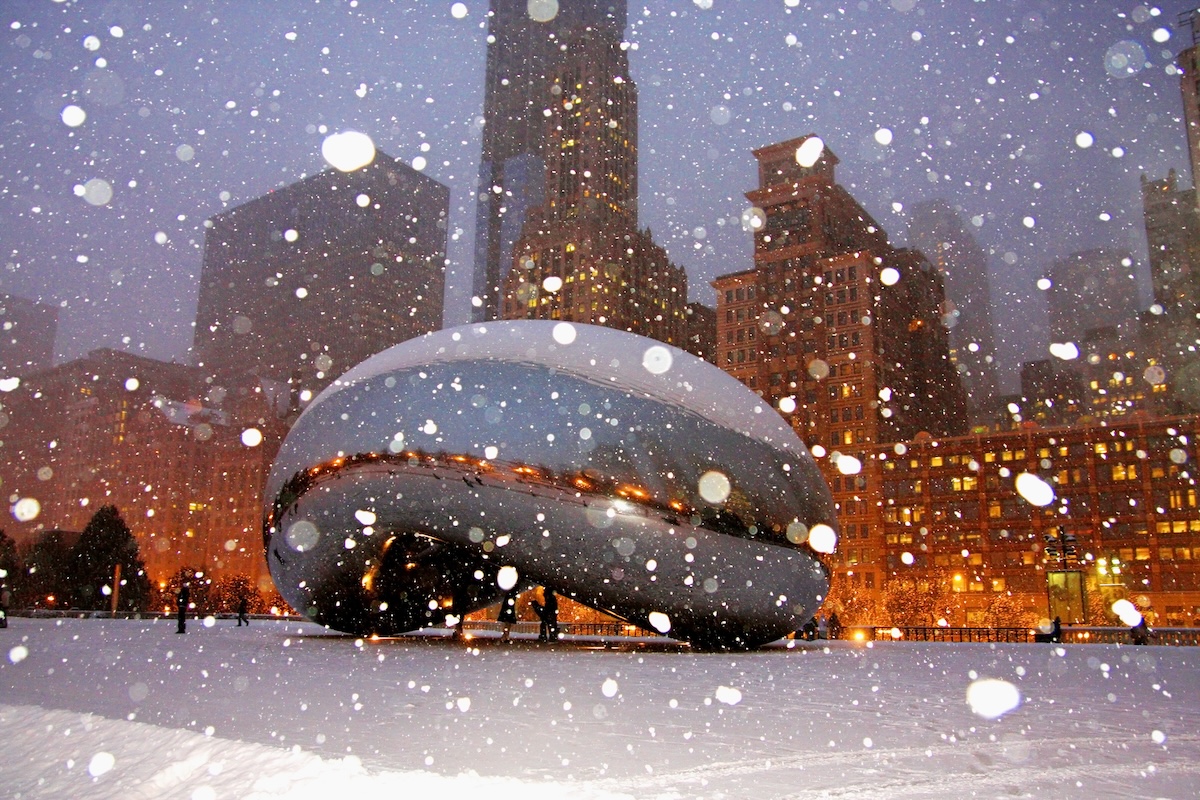
When snow blankets Chicago, many outdoor attractions take on a new, enchanting character. Ice skating in Millennium Park beneath “The Bean” (Cloud Gate sculpture) is a quintessential winter activity, offering stunning city views as you glide across the ice. Another popular spot is the Maggie Daley Park Skating Ribbon, which provides a longer, winding path through a picturesque landscape. For those who enjoy a brisk walk, Lincoln Park offers beautiful, snow-covered trails and views of the frozen Lake Michigan shoreline. Many neighborhood parks also feature smaller ice rinks or sledding hills for a more local feel. The architectural boat tours might cease operations, but a stroll along the Chicago Riverwalk can still be breathtaking, especially after a fresh snowfall, with the city’s skyscrapers dusted in white. Just be sure to bundle up warmly to fully enjoy these crisp, outdoor adventures.
Cozy Indoor Escapes
For times when the cold becomes too intense or you simply prefer to stay warm, Chicago offers an abundance of world-class indoor attractions. The Art Institute of Chicago, with its vast collections spanning centuries and cultures, provides hours of warmth and intellectual stimulation. Similarly, the Field Museum and the Museum of Science and Industry offer captivating exhibits for all ages. Escape to the tropical warmth of the Garfield Park Conservatory or the Lincoln Park Conservatory, where lush greenery thrives year-round. Catch a Broadway show in the historic Theater District, explore the diverse culinary scene in one of the city’s many acclaimed restaurants, or simply enjoy a craft beer at a cozy pub. Chicago’s shopping districts, like the Magnificent Mile, are also fully enclosed and heated, offering a perfect way to spend an afternoon out of the cold while browsing high-end boutiques and department stores.
Festive Events and Markets
The holiday season transforms Chicago into a hub of festive cheer, with many events often coinciding with the first snowfalls. The aforementioned Christkindlmarket is a must-visit, bringing German traditions to Daley Plaza with its charming stalls, warm spiced wine, and handcrafted goods. The city also hosts various holiday light displays, such as ZooLights at Lincoln Park Zoo, which sparkle even brighter against a snowy backdrop. Beyond the Christmas season, winter festivals and cultural events continue through January and February. Check local listings for special museum exhibits, live music performances, and culinary festivals that provide warmth and entertainment during the colder months. These events offer a fantastic way to experience Chicago’s community spirit and artistic vibrancy, regardless of the weather outside.
Planning Your Perfect Snowy Getaway
Ensuring a seamless and enjoyable snowy trip to Chicago involves more than just packing warm clothes; it requires strategic planning regarding accommodation, transportation, and an open mindset to embrace the cold.
Accommodation Considerations
When choosing accommodation for a winter trip to Chicago, location and amenities become even more critical. Opt for hotels or apartments that are centrally located, ideally near ‘L’ train stations or within walking distance of major attractions to minimize time spent out in the cold. Many hotels in the Loop and Magnificent Mile areas offer direct access to underground walkways or are connected to shopping centers, allowing guests to move between destinations without braving the elements. Look for hotels with excellent heating, cozy common areas, and perhaps even indoor pools or spas for a relaxing retreat after a day of exploring. Booking well in advance, especially for December travel, is advisable due to holiday demand. Conversely, January and February can sometimes offer more competitive rates as the post-holiday rush subsides, making it an attractive option for budget-conscious travelers seeking consistent snow.
Transportation Tips
Chicago’s public transportation system, managed by the Chicago Transit Authority (CTA), is your best friend during winter. An unlimited-ride Ventra card can be a cost-effective and convenient way to use buses and trains. While the ‘L’ trains are largely unaffected by snow, buses might encounter delays on snow-covered streets. For airport transfers, both O’Hare International Airport and Midway International Airport are well-connected to downtown via the ‘L’ train, a reliable and budget-friendly option even in winter. If you plan to rent a car, be prepared for driving in snow and ice, and ensure the vehicle is equipped with appropriate tires. Parking can also be more challenging and expensive in winter. For short distances or when comfort is prioritized, ride-sharing services are readily available, but expect potential price surges during heavy snowfall or peak hours. Prioritize walking only when sidewalks are clear and safe, always choosing well-trafficked routes.
Embracing the Cold
Ultimately, a successful snowy trip to Chicago hinges on your willingness to embrace the cold. Rather than dreading the low temperatures, view them as an integral part of the experience. The crisp air invigorates, the snow transforms the urban landscape, and the warmth of indoor attractions feels even more inviting. Adopt the local mindset: layer up, enjoy warm drinks like hot chocolate or mulled wine, and appreciate the unique beauty of the city in its winter attire. Consider scheduling warm-up breaks between outdoor activities, ducking into a café, museum, or shop. Many restaurants and bars offer cozy atmospheres perfect for thawing out. With the right preparation and a positive attitude, your snowy Chicago adventure will be not just tolerable but truly unforgettable, offering a different, equally captivating perspective of this magnificent Midwestern metropolis.
LifeOutOfTheBox is a participant in the Amazon Services LLC Associates Program, an affiliate advertising program designed to provide a means for sites to earn advertising fees by advertising and linking to Amazon.com. Amazon, the Amazon logo, AmazonSupply, and the AmazonSupply logo are trademarks of Amazon.com, Inc. or its affiliates. As an Amazon Associate we earn affiliate commissions from qualifying purchases.