
For many, the allure of Florida lies in its promise of perpetual sunshine and balmy temperatures, a stark contrast to the biting winds and snow-laden landscapes experienced elsewhere. However, even the Sunshine State experiences seasonal shifts, and for those planning a visit or perhaps considering a more permanent residence, understanding the nuances of its “cold” weather is crucial. This exploration delves into the seasonal climate of Florida, focusing on when the air might offer a welcome crispness, and what that truly means for travelers and residents alike.
Understanding Florida’s Unique “Winter”
Unlike the definitive, often harsh winters of more northern latitudes, Florida’s cooler season is a far more subtle affair. It’s less about frostbite and more about comfortable, pleasant days perfect for exploring its diverse attractions. The perception of “cold” is highly subjective and deeply tied to an individual’s origin and acclimatization. Someone accustomed to the mild climate of the American Southeast might consider a day in the 60s Fahrenheit (15-20°C) cool, while a visitor from Canada or the Northern United States might find it delightfully warm.

The True Definition of “Cold” in Florida
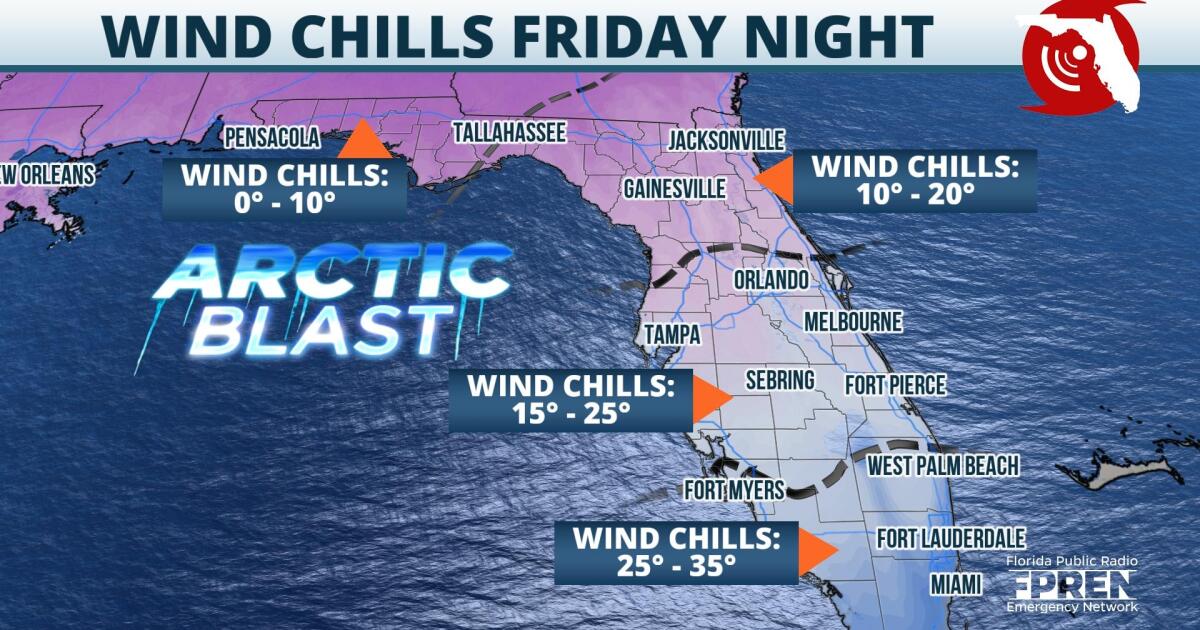
When Floridians speak of “cold,” they typically refer to temperatures that dip below 60°F (15°C). Nights can frequently reach into the 40s and 50s Fahrenheit (4-15°C) during the peak of the winter months, particularly in the northern parts of the state. Freezing temperatures, while rare and usually short-lived, are not entirely unheard of, especially in areas around Tallahassee and the Florida Panhandle. However, widespread, prolonged freezes that disrupt daily life are exceptionally uncommon.
The psychological aspect of “cold” also plays a significant role. After months of consistently high temperatures and humidity, even a slight drop can feel more dramatic. This perceived coolness often coincides with a welcome decrease in humidity, making the air feel drier and more invigorating. This shift is a key characteristic of Florida’s winter.
When Does This “Cool” Season Arrive?
The transition from the sweltering heat of summer to the milder temperatures of winter is a gradual process.
- Late October: This is when the first noticeable hints of cooler weather begin to emerge. While still warm by many standards, the oppressive humidity often starts to recede, and average daytime temperatures begin to fall into the comfortable mid-70s Fahrenheit (around 24°C).
- November: This month marks the more consistent arrival of cooler air. Daytime highs frequently hover in the low 70s Fahrenheit (around 22°C), and nighttime lows begin to dip into the 50s Fahrenheit (10-15°C). This is when many Floridians begin to reach for a light jacket or sweater.
- December to February: These are considered the core “winter” months in Florida. Daytime temperatures typically range from the mid-60s to low 70s Fahrenheit (18-22°C). Nights can be quite cool, often dropping into the 40s and 50s Fahrenheit (4-15°C), especially inland and in the northern regions. This is the period when “cold snaps” are most likely, bringing the most significant temperature drops of the year.
- March: As spring approaches, temperatures begin to climb steadily again, though the cooler evenings can linger for much of the month, particularly in the early weeks.
Regional Variations in Florida’s Climate
Florida is a long state, and its geography dictates significant climatic variations, especially when it comes to temperature. What is considered “cool” in Miami might be decidedly chilly in Orlando or Jacksonville.
South Florida: The Tropical Enclave
Cities like Miami, Fort Lauderdale, and Key West enjoy a predominantly tropical climate. Their winters are exceptionally mild, with average daytime temperatures rarely dipping below the low 70s Fahrenheit (around 22°C). While nights can occasionally feel cooler, reaching into the 60s Fahrenheit (15-20°C), true cold is a rarity. Frost is almost nonexistent, making it a prime destination for those seeking to escape winter altogether. The primary indicator of a “cool” day here is the absence of intense heat and humidity, offering a pleasant breeze and comfortable outdoor conditions.
Central Florida: The Theme Park Hub
The heart of Florida, including Orlando, Tampa, and the Space Coast, experiences a more distinct transition. Winters here are characterized by pleasant, sunny days with average highs in the upper 60s to low 70s Fahrenheit (20-22°C). Nights become noticeably cooler, often dropping into the 50s Fahrenheit (10-15°C), and occasional dips into the 40s Fahrenheit (4-9°C) are not uncommon, especially in January. This is the time when Walt Disney World Resort and Universal Orlando Resort see comfortable weather for exploring the parks without the summer heat.
North Florida: The Humid Subtropics

The Florida Panhandle and cities like Jacksonville and Tallahassee have the most temperate climate in the state, bordering on subtropical. Winters here are longer and cooler than in the south. Daytime highs often range from the upper 50s to low 60s Fahrenheit (14-17°C), and nighttime lows can frequently fall into the 30s and 40s Fahrenheit (4-9°C). Freezing temperatures are a more regular occurrence, particularly inland, though significant snowfall remains an extremely rare event. This region can experience weather more akin to a mild winter in the southern United States.
Activities Suited for Florida’s Cooler Months
The arrival of cooler temperatures transforms Florida into an even more appealing destination for a wide range of activities. The reduced heat and humidity make exploring the state’s natural beauty and cultural attractions a true pleasure.
Outdoor Adventures
- Beachgoing: While perhaps not ideal for sunbathing in the same way as summer, Florida’s beaches are perfect for long walks, collecting shells, and enjoying the ocean breeze. Places like Clearwater Beach and Siesta Key offer stunning shorelines that are less crowded and more comfortable to experience during these months.
- Hiking and Biking: State parks such as O’Leno State Park and Myakka River State Park become prime locations for outdoor enthusiasts. The cooler weather allows for longer excursions without the risk of overheating. Trails winding through diverse ecosystems, from pine forests to wetlands, are particularly enjoyable.
- Kayaking and Paddleboarding: The calmer waters and pleasant temperatures make activities like kayaking in the Everglades or paddleboarding along the Intracoastal Waterway far more comfortable.
Theme Parks and Entertainment
The cooler, drier air is a major draw for visitors to Orlando’s world-renowned theme parks.
- Walt Disney World Resort: Exploring Magic Kingdom, Epcot, Hollywood Studios, and Animal Kingdom is significantly more enjoyable without the intense summer heat and humidity.
- Universal Orlando Resort: Universal Studios Florida and Islands of Adventure also benefit from this seasonal shift, allowing guests to experience the thrilling rides and immersive lands with greater comfort.
- Other Attractions: Beyond the major theme parks, attractions like Busch Gardens Tampa Bay and SeaWorld Orlando are also best enjoyed during these milder months.
Cultural and Urban Exploration
- Exploring Cities: Wander through the historic streets of St. Augustine, the oldest continuously inhabited European-established settlement in the United States. Discover the vibrant art scene in Wynwood, Miami, or explore the diverse culinary offerings in Tampa’s Ybor City.
- Wildlife Viewing: Cooler temperatures can actually be beneficial for wildlife viewing. Animals may be more active during daylight hours, and tours to see manatees in their winter aggregation sites, such as Blue Spring State Park, are popular. The Everglades National Park also offers excellent opportunities for spotting alligators, birds, and other fauna.
Preparing for Florida’s “Cool” Season
While “cold” in Florida is a relative term, it’s still wise to be prepared, especially if you’re coming from a warmer climate or visiting the northern parts of the state.
What to Pack
- Layering is Key: The most effective strategy for Florida’s cooler months is layering. Pack light sweaters, long-sleeved shirts, and a light to medium-weight jacket or fleece.
- Bottoms: Long pants and jeans are standard. Shorts can still be comfortable during midday in many parts of the state, particularly in South Florida.
- Footwear: Comfortable walking shoes are essential for exploring. Bring closed-toe shoes for cooler evenings.
- Accessories: A light scarf or pashmina can be useful for cooler mornings and evenings. While sunglasses are a year-round necessity, consider a hat for sun protection and warmth.
- Rain Gear: Even during the cooler months, Florida can experience intermittent rain showers. A compact umbrella or a light, waterproof jacket is advisable.
Accommodation Considerations
Even during the cooler season, Florida remains a popular destination, and booking accommodations in advance is recommended, especially for peak times like the holiday season.
- Resorts and Hotels: Many Florida resorts and hotels will feature heated pools, ensuring swimming remains an option even on cooler days. Look for amenities like indoor common areas or fireplaces in lobbies for added comfort.
- Vacation Rentals: Renting a condo or villa can offer a home-away-from-home experience, allowing for flexibility with meals and relaxation. Ensure the property has adequate heating if you are particularly sensitive to cooler temperatures.
Ultimately, the question of “When is it gonna get cold in Florida?” is answered by understanding that “cold” is a spectrum. It’s a time of pleasant relief from the summer swelter, a season that invites exploration and enjoyment of the Sunshine State in a uniquely comfortable way. Whether you’re seeking a mild winter escape or simply curious about the subtle seasonal shifts, Florida’s cooler months offer a distinct and delightful experience.
LifeOutOfTheBox is a participant in the Amazon Services LLC Associates Program, an affiliate advertising program designed to provide a means for sites to earn advertising fees by advertising and linking to Amazon.com. Amazon, the Amazon logo, AmazonSupply, and the AmazonSupply logo are trademarks of Amazon.com, Inc. or its affiliates. As an Amazon Associate we earn affiliate commissions from qualifying purchases.