
For many, Arizona evokes images of endless sunshine, vast arid deserts, and scorching summer temperatures. While largely true, this perception often overlooks one of the state’s most dramatic and vital natural phenomena: the monsoon season. Far from being a mere meteorological event, the Arizona monsoon transforms the landscape, invigorates its ecosystems, and presents a unique set of considerations and opportunities for travelers. Understanding when it occurs and what it entails is crucial for anyone planning a visit, offering a glimpse into a side of the Grand Canyon State that is both beautiful and powerfully raw.
The monsoon isn’t just about rain; it’s a fundamental shift in atmospheric patterns that brings moisture, lightning, and intense, localized storms to the desert. This annual spectacle revitalizes the parched earth, sparks vibrant sunsets, and offers a refreshing (if temporary) respite from the intense summer heat. However, it also brings challenges, including dust storms and flash floods, which demand respect and preparedness from residents and visitors alike. Whether you’re a first-time visitor or a seasoned desert traveler, comprehending the intricacies of the Arizona monsoon season is key to a safe, memorable, and truly immersive experience in this captivating corner of the United States.
Understanding Arizona’s Monsoon Season
The concept of a “monsoon” often conjures images of torrential, days-long downpours common in tropical regions. However, the Arizona monsoon, part of the larger North American Monsoon System (NAMS)), is a distinct phenomenon characterized by a seasonal shift in wind direction that brings moisture-laden air into the arid Southwest. This leads to a pattern of often intense, but usually brief, thunderstorms.
The Official Dates and What They Mean
In Arizona, the official monsoon season typically runs from June 15th through September 30th each year. These dates are set by the National Weather Service and serve as a general guideline, indicating the period when monsoon-related weather patterns are most likely to occur. It’s important to note that “most likely” doesn’t mean guaranteed daily storms from day one to day last. The start and intensity of the monsoon can vary significantly from year to year. Some seasons might see early, powerful storms, while others experience a delayed onset or a less active period overall.
The transition to monsoon conditions begins as intense summer heating over the desert creates a thermal low-pressure system. This draws moisture northward from the Gulf of California (which is a part of the Pacific Ocean) and sometimes even the Gulf of Mexico. This influx of humidity, combined with the extreme surface heating, creates an unstable atmosphere ripe for towering cumulonimbus clouds, lightning, and heavy downpours. These storms typically form in the afternoon and early evening, providing a dramatic daily spectacle.

A Unique Climatic Phenomenon
What sets the Arizona monsoon apart is its unique blend of factors. Unlike monsoons in other parts of the world that might bring continuous rain, Arizona experiences localized, intense, and often short-lived thunderstorms. The storms are fueled by daytime heating, making late afternoons and evenings the prime time for their development. The air feels thick and humid, a stark contrast to the bone-dry conditions of early summer. The smell of rain hitting hot, dusty earth—often called “petrichor”—is a signature scent of the monsoon, a welcome aroma after months of dry heat.
The moisture source is crucial. Winds shift from a generally westerly direction to a southerly or southeasterly flow, ushering in tropical moisture. This moisture travels across Mexico and into the southwestern United States, impacting not only Arizona but also parts of New Mexico, Utah, Nevada, and California. This dynamic interplay of heat and moisture makes each monsoon season a unique and often unpredictable meteorological event.
Beyond Just Rain: Dust Storms and Flash Floods
While rain is the star of the monsoon show, it’s essential to understand its dangerous supporting acts: dust storms and flash floods.
-
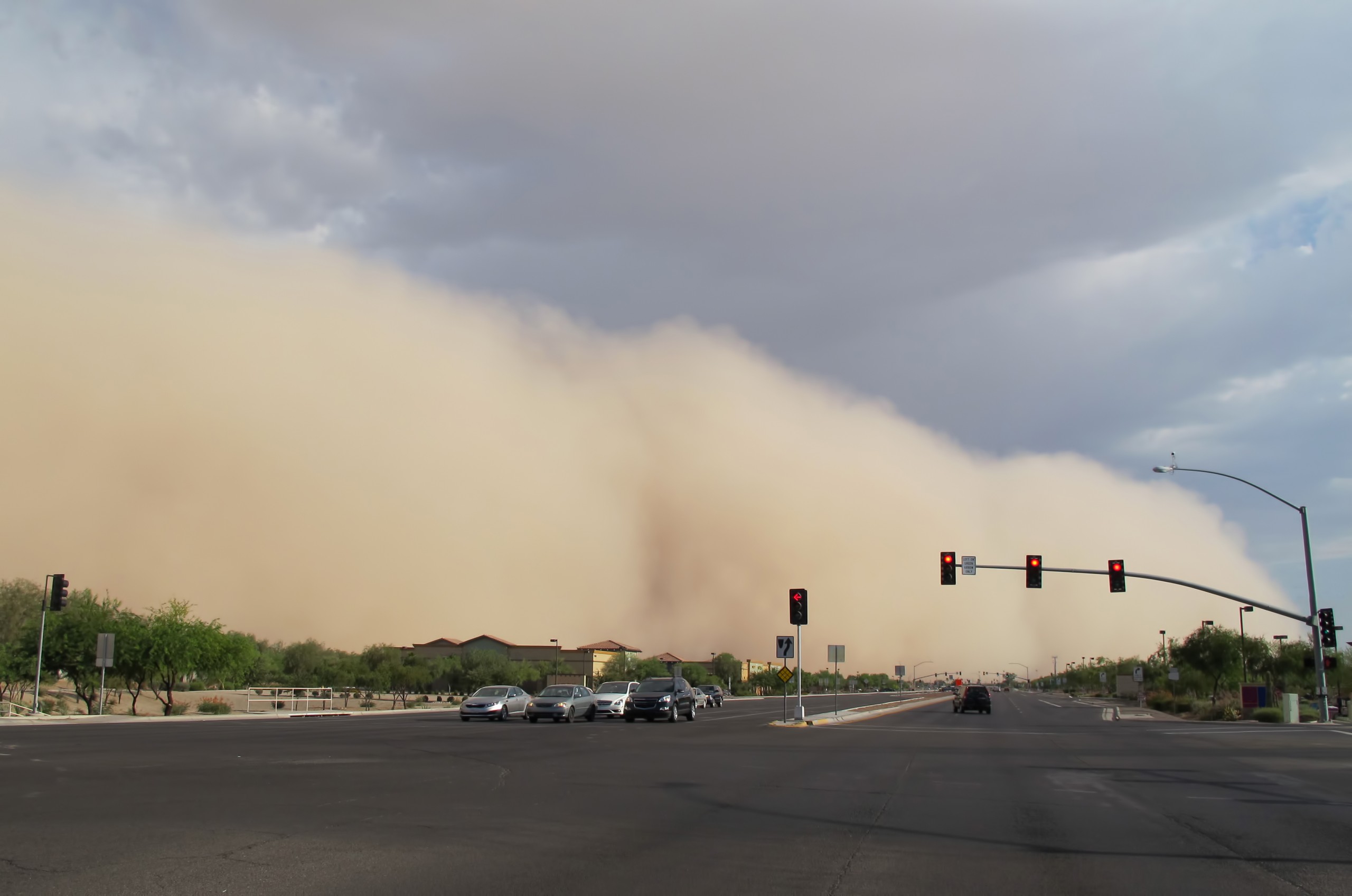
Dust Storms (Haboobs): Before the rain arrives, the strong outflow winds from a collapsing thunderstorm can pick up massive amounts of desert dust, creating towering walls of brown that sweep across the landscape. These events, known as “haboobs” (from the Arabic word for “blasting”), can reduce visibility to zero in a matter of seconds, posing extreme hazards to drivers. They are most common in flatter, open desert regions like those surrounding Phoenix and Tucson. If caught in a haboob, the safest action is to pull off the road as far as possible, turn off all lights, and wait for it to pass.
-
Flash Floods: Perhaps the most immediate danger of monsoon storms is flash flooding. The desert ground, often hardened by long periods of drought, struggles to absorb intense rainfall quickly. This leads to rapid runoff, which can turn dry riverbeds (known as washes or arroyos) into raging torrents in minutes. Even small storms far upstream can cause dangerous conditions downstream. Never attempt to drive, walk, or bike through flooded roads or washes. “Turn Around, Don’t Drown” is a critical safety message in Arizona during the monsoon. Iconic areas like the Grand Canyon, Sedona’s Oak Creek Canyon, and slot canyons across the state become extremely hazardous during and after rainfall. Always check weather forecasts and local alerts before embarking on outdoor activities.
Experiencing Arizona During Monsoon Season: Travel & Tourism Insights
Visiting Arizona during monsoon season offers a distinctly different, yet equally captivating, travel experience. It’s a time when the desert reveals its surprising resilience and dramatic beauty, requiring a bit more planning but rewarding travelers with unique sights and sensations.
The Dramatic Beauty of Monsoon Landscapes
The most striking aspect of the monsoon is the transformation of the landscape. The intense heat gives way to cooler, cleaner air after a storm. The desert, often appearing monochrome for months, suddenly bursts with life and color.
- Vibrant Sunsets: The moisture and dust in the atmosphere act as natural filters, scattering light and creating some of the most intensely colored sunsets and sunrises you’ll ever witness. Hues of fiery orange, deep purple, and electric pink paint the sky, especially after a storm has passed.
- Lightning Shows: For photographers and nature enthusiasts, the monsoon offers spectacular lightning displays. Distant storms provide incredible light shows across the vast desert sky, making evenings particularly memorable. Always observe lightning safely from indoors.
- The Green Desert: Within days or weeks of substantial rainfall, the desert floor greens up, wildflowers bloom, and cacti appear refreshed. The Sonoran Desert, home to the iconic Saguaro cactus, takes on a lushness that belies its arid reputation. Areas like Saguaro National Park near Tucson or the Desert Botanical Garden in Phoenix become particularly vibrant. Further north, the forests around Flagstaff and Sedona become even more verdant.

Activities and Attractions: What to Do (and What to Avoid)
Monsoon season requires a flexible itinerary, but it certainly doesn’t mean canceling your trip.
-
Recommended Activities:
- Photography: This is prime time for capturing stunning storm clouds, lightning, vibrant sunsets, and the rejuvenated desert landscape. Seek out high vantage points for expansive views.
- Storm Chasing (Safely): Many local tours or experienced guides offer safe opportunities to witness the storms from a distance. Always prioritize safety and never put yourself in harm’s way.
- Indoor Attractions: Take advantage of the intermittent rain to explore Arizona’s excellent indoor offerings. Phoenix and Scottsdale boast world-class museums like the Musical Instrument Museum (MIM)) and the Heard Museum, while Flagstaff offers cultural centers and observatories.
- Spa Days: Many luxury resorts offer exceptional spa experiences, perfect for a relaxing escape during a midday downpour.
- Culinary Exploration: Enjoy long meals at indoor restaurants, savoring local flavors from upscale dining to authentic Southwestern cuisine.
- Shopping: Arizona has a wealth of shopping districts, from high-end boutiques in Scottsdale to unique artisan shops in Sedona.
-
Cautionary Activities (or those requiring extreme vigilance):
- Hiking in Washes or Slot Canyons: Absolutely avoid these areas during monsoon season. Flash floods are incredibly dangerous and can occur even if it’s not raining where you are.
- Camping in Low-Lying Areas: Tents and RVs can be swept away rapidly by flash floods. Always choose elevated campsites.
- Off-Roading: The desert floor becomes extremely slick and prone to erosion during and after rain, making off-roading dangerous and environmentally damaging.
- River Rafting/Kayaking (Unsupervised): Water levels can change dramatically and rapidly. If you plan water activities, do so with experienced guides and always check local conditions.
- Driving Through Flooded Roads: As mentioned, “Turn Around, Don’t Drown.” It’s impossible to tell the depth of floodwaters or the integrity of the road underneath.
Wildlife Encounters
The monsoon acts as a reset button for desert wildlife. Many species, which lay dormant or are less active during the dry months, emerge with renewed vigor. Toads and frogs, often unheard for most of the year, suddenly sing in choruses, breeding in temporary pools. Desert tortoises become more active, seeking out puddles to drink from. Javelinas and deer are often seen foraging in the greener landscapes. Bird activity increases, and even elusive creatures like rattlesnakes might be more visible as they seek refuge from rising water or hunt newly abundant prey. This makes monsoon season a fantastic time for wildlife photography and observation, provided you maintain a safe distance and respect their natural habitat.
Planning Your Monsoon Season Getaway: Accommodation & Lifestyle Tips
Traveling to Arizona during the monsoon season offers a unique adventure, but it does require thoughtful planning, particularly regarding accommodation and daily lifestyle choices. Being prepared can turn potential inconveniences into memorable experiences.
Navigating Travel Challenges and Opportunities
While the monsoon brings dramatic weather, it also offers certain advantages. The intense heat of early summer often breaks somewhat with the onset of storms, and the air becomes cleaner and fresher.
- Potential Challenges:
- Flight Delays: Thunderstorms can cause delays or cancellations at airports, especially in Phoenix Sky Harbor International Airport. It’s wise to build in some flexibility to your travel schedule.
- Road Closures: Flash floods or haboobs can temporarily close roads. Stay updated with local news and road conditions before embarking on long drives, particularly on less-traveled routes.
- Opportunities:
- Fewer Crowds: Compared to the peak spring and fall seasons, monsoon season often sees fewer tourists, especially at popular outdoor attractions. This can mean more serene experiences and easier access.
- Potential Deals: Some hotels and resorts might offer slightly lower rates or special packages during the heart of summer and the monsoon season, making luxury travel more accessible.
Choosing the Right Accommodation
Your choice of accommodation can greatly enhance your monsoon experience, offering a safe haven and delightful amenities regardless of the weather outside.
- Resorts & Hotels: For comfort and convenience, high-end resorts and hotels are excellent choices. Look for properties with:
- Indoor Amenities: Spas, indoor pools (if available, though outdoor pools are generally fine after storms), fitness centers, and diverse dining options mean you’ll have plenty to do if a storm keeps you indoors.
- Beautiful Grounds: Many resorts like the JW Marriott Desert Ridge Resort in Phoenix or Enchantment Resort in Sedona offer stunning desert landscaping that truly comes alive after a rain, perfect for evening strolls.
- Views: A room with a view allows you to safely enjoy the dramatic skies and lightning shows.
- Examples: Consider the historic Arizona Biltmore, A Waldorf Astoria Resort for its iconic architecture and lush grounds, or The Phoenician, a Luxury Collection Resort, Scottsdale for unparalleled amenities. In Sedona, L’Auberge de Sedona offers a serene creekside retreat that is breathtaking post-rain.
- Boutique Hotels & Vacation Rentals: These options offer a more localized feel and often greater flexibility. Ensure any rental property is well-maintained and not in a flood-prone area, especially if it’s near a wash.
- Safety First: When booking, especially in rural areas or near natural landscapes, ensure your accommodation is not in a known flood plain. Higher ground is always preferable.
Essential Packing and Safety Advice
Preparation is key to enjoying the monsoon safely.
- What to Pack:
- Rain Gear: A lightweight rain jacket or umbrella is essential.
- Sturdy, Water-Resistant Shoes: For walking around after a storm.
- Layered Clothing: Even though it’s summer, post-storm evenings can be pleasantly cool.
- Hydration: Always carry plenty of water, regardless of the season.
- Sun Protection: The sun still shines brightly between storms.
- Camera: For capturing the spectacular skies.
- Safety Advice:
- Stay Informed: Monitor local weather forecasts and flood alerts diligently, especially if planning outdoor activities. Websites like the National Weather Service and local news channels are invaluable.
- Flash Flood Safety: Never enter a flooded road or wash. If hiking, check forecasts for the entire watershed, not just your immediate location. Postpone hikes if rain is in the forecast.
- Dust Storm Safety: If driving and a haboob strikes, pull off the road, turn off all lights (including hazard lights, so others don’t follow you into the dust wall), and put your foot on the brake. Wait for the storm to pass.
- Lightning Safety: “When thunder roars, go indoors!” Seek shelter immediately during a thunderstorm. Avoid open fields, tall trees, and metal objects.
Local Culture and Culinary Experiences
Monsoon season offers a chance to experience Arizona’s indoor culture and vibrant food scene. Enjoy leisurely dinners, explore art galleries, or delve into the state’s rich history at museums. Many restaurants with outdoor patios will reopen them after a storm passes, offering a wonderfully fresh atmosphere for dining. Some local festivals or community events might still take place, often adapted for potential rain, providing a glimpse into local life.
Regional Variations: Monsoon Across Arizona’s Diverse Landscapes
Arizona’s diverse topography means the monsoon experience isn’t uniform across the state. From the scorching desert basins to the cool mountain peaks, the season manifests in unique ways, impacting local conditions and recommended activities.
Southern Arizona (Phoenix, Tucson)
In the sprawling desert metropolises of Phoenix and Tucson, the monsoon delivers its most iconic and intense displays. Here, the extreme heat of the Sonoran Desert serves as a primary driver for thunderstorm development.
- Characteristics: Expect high humidity, extremely hot temperatures (often still over 100°F/38°C), and dramatic afternoon and early evening thunderstorms. These storms are frequently accompanied by strong winds, lightning, and intense, but often brief, downpours. Haboobs are a common sight, particularly across the wide-open valleys and agricultural lands surrounding these cities. Flash floods are a significant concern in urban washes and low-lying areas.
- Impact on Travel: Outdoor activities are best planned for early mornings or late evenings. Midday provides an excellent opportunity to enjoy indoor attractions like the Musical Instrument Museum (MIM) or the Heard Museum in Phoenix, or the Pima Air & Space Museum in Tucson. Resort amenities, particularly pools and spas, become invaluable for relaxation and cooling off. Evenings can be truly spectacular, with lightning shows illuminating the entire horizon, best viewed from a safe vantage point.
Central & Northern Arizona (Sedona, Flagstaff, Grand Canyon)
As you ascend into the higher elevations of central and northern Arizona, the monsoon’s character shifts. Temperatures are significantly cooler, and the landscape is dominated by forests, red rock formations, and deep canyons.
- Characteristics: In areas like Sedona, Flagstaff, and the Grand Canyon, monsoon storms are generally less isolated and can bring more sustained periods of rain. While lightning is still a factor, the cooler temperatures mean less oppressive humidity compared to the desert floor. Flash floods remain a major concern, particularly in slot canyons, creek beds like Oak Creek Canyon, and within the vast drainage systems of the Grand Canyon. The added moisture contributes to lush forest growth, making trails incredibly vibrant.
- Impact on Travel:
- Sedona: The red rocks appear even more vibrant when wet, and the air after a storm is crisp and clean. Hiking should be approached with extreme caution, particularly near Oak Creek. Many of the vortex sites are on higher ground, offering stunning views of storm clouds.
- Flagstaff: Being at a higher elevation, Flagstaff experiences cooler, wetter monsoons. The surrounding Coconino National Forest benefits immensely, turning emerald green. Hiking and mountain biking are possible, but trails can become very muddy, and lightning is a serious risk.
- Grand Canyon: Visiting the Grand Canyon during monsoon season can be breathtaking, with clouds often filling the canyon, creating a mystical atmosphere. However, storms can produce dangerous conditions, including lightning, sudden downpours, and very slippery trails. Hiking into the canyon during a storm is extremely risky due to flash flood potential. Stay on the rim, enjoy the views, and be prepared for rapidly changing weather.
- Eastern Arizona: Regions like the Painted Desert, Petrified Forest National Park, and Canyon de Chelly National Monument also experience monsoon activity. These areas, characterized by unique geological formations, become incredibly photogenic with dramatic skies and rejuvenated vegetation. Always check park advisories for trail closures or hazardous conditions.
In all regions, the key to a successful monsoon season trip is flexibility and an awareness of local conditions. With proper planning, this dynamic period can offer some of the most memorable and visually stunning experiences Arizona has to offer.
Conclusion
The Arizona monsoon season, stretching officially from June 15th to September 30th, is a spectacular and vital annual event that utterly transforms the state’s arid landscapes. It’s a time of dramatic meteorological displays, from towering thunderheads and dazzling lightning shows to powerful dust storms and life-giving rains that rejuvenate the desert. For the astute traveler, it presents a unique opportunity to witness the Grand Canyon State in a different, equally compelling light.
While the monsoon brings with it essential moisture and breathtaking beauty, it also demands respect and preparedness. The risks of flash floods and dust storms are very real, underscoring the importance of staying informed, exercising caution, and making safety a priority. However, with thoughtful planning—choosing accommodations that offer comfort and amenities for all weather, adapting itineraries to prioritize safe activities, and packing appropriately—your monsoon season visit can be incredibly rewarding.
This period of intense natural drama offers a distinct window into Arizona’s natural rhythms, revealing the desert’s resilience and its surprising capacity for verdant growth and vibrant life. Far from being a reason to avoid travel, the monsoon invites a deeper appreciation for the raw power and majestic beauty of nature. So, when the summer heat begins to build, remember that it’s also the harbinger of one of Arizona’s most unforgettable seasons—a time when the sky truly comes alive, offering experiences that linger long after the last drop of rain has fallen.
LifeOutOfTheBox is a participant in the Amazon Services LLC Associates Program, an affiliate advertising program designed to provide a means for sites to earn advertising fees by advertising and linking to Amazon.com. Amazon, the Amazon logo, AmazonSupply, and the AmazonSupply logo are trademarks of Amazon.com, Inc. or its affiliates. As an Amazon Associate we earn affiliate commissions from qualifying purchases.