
Florida, a state synonymous with sunshine, theme parks, and pristine beaches, also offers a unique financial incentive for shoppers and travelers: Tax-Free Week. This annual event provides a welcome respite from state sales tax on specific purchases, making it an opportune time to snag deals on everything from essential back-to-school supplies to coveted electronics and even energy-efficient appliances. Understanding when this tax holiday occurs and what it encompasses can significantly enhance your vacation planning and budgeting. While “Tax-Free Week” is a commonly used term, it’s more accurately a series of sales tax holidays throughout the year, each with its own specific focus and eligibility criteria.
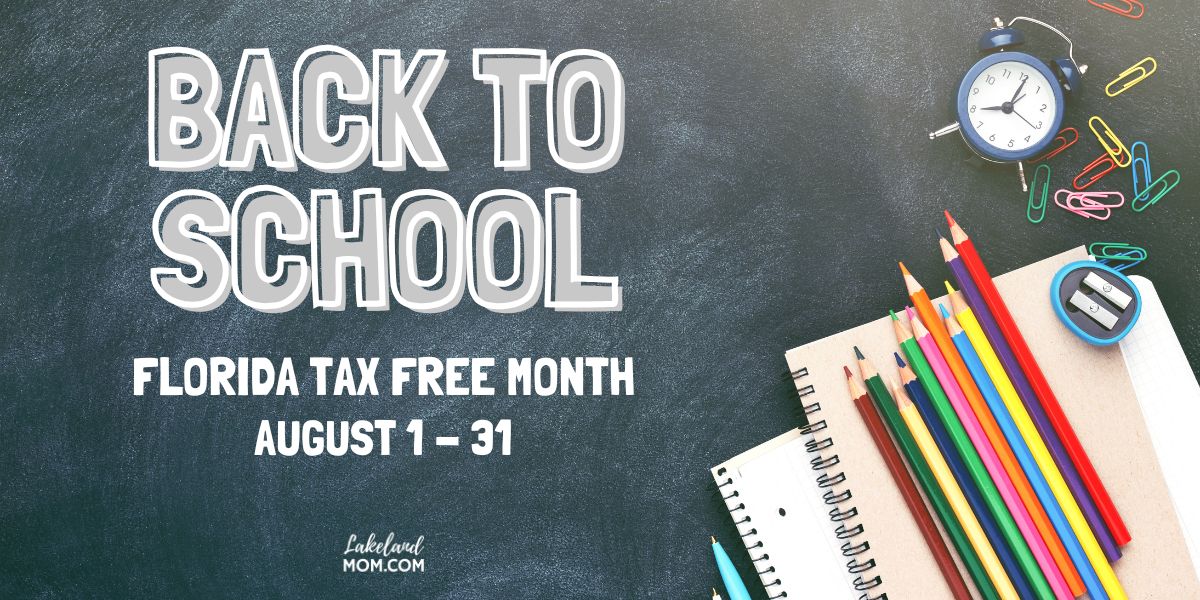
The primary and most widely recognized tax-free period in Florida is the Back-to-School Sales Tax Holiday. This event typically occurs in the summer, usually in late July or early August, and is designed to help families prepare for the upcoming school year by offering tax exemptions on a wide array of eligible items. Beyond this major event, Florida also observes other, albeit shorter, sales tax holidays that can be beneficial for consumers and visitors alike. These include holidays for disaster preparedness supplies and energy-efficient products. Navigating these dates and understanding the eligible categories is key to maximizing your savings.
Understanding Florida’s Sales Tax Holidays
Florida’s approach to sales tax holidays is multifaceted, recognizing different consumer needs and encouraging responsible purchasing behaviors. While the state’s general sales tax rate is 6%, with some counties imposing an additional 1% discretionary sales surtax, these holidays create significant savings on eligible items by waiving this tax entirely. It’s important to note that “Tax-Free Week” is a simplified moniker; the actual events are more precisely defined by their specific dates and the types of goods or services they cover.
The Premier Event: Back-to-School Sales Tax Holiday
This is arguably the most anticipated sales tax holiday in Florida. It provides a much-needed break for parents and students as they gear up for the academic year. The dates for this holiday are set annually by the Florida Department of Revenue, but it consistently falls around the beginning of August. For instance, in recent years, it has spanned a full weekend, often extending to include the following Monday, offering a generous window for shoppers.
During this period, a variety of items qualify for the sales tax exemption. Clothing and footwear costing less than $100 per item are exempt, making it an excellent time to update wardrobes for children and adults alike. School supplies priced at $15 or less per item are also included, encompassing essentials like notebooks, pens, pencils, and backpacks. Furthermore, personal computers and computer-related accessories purchased for non-commercial use, costing $1,000 or less per item, are also tax-free. This exemption can significantly reduce the cost of equipping a student for their academic endeavors.
It’s crucial to remember that this holiday applies to purchases made within Florida. This means that if you are visiting the state during this period, you can take advantage of these savings on eligible items. Whether you’re a Florida resident preparing your children for school or a tourist looking for great deals on clothing or electronics, the Back-to-School Sales Tax Holiday presents a compelling opportunity. However, online purchases are subject to specific rules; typically, items ordered online for delivery within Florida during the holiday period are also tax-exempt, provided the transaction is initiated and completed within the designated dates.
Disaster Preparedness Sales Tax Holiday
Beyond the back-to-school rush, Florida also observes a sales tax holiday dedicated to disaster preparedness. This event usually takes place in early June, preceding the peak of hurricane season. Its purpose is to encourage residents to stock up on essential supplies that can help them weather storms and other emergencies.
During this holiday, a range of safety and emergency items are exempt from sales tax. These include portable generators priced at $1,000 or less, and certain emergency supplies such as batteries, flashlights, radios, tarpaulins, and storm shutters that cost $50 or less per item. Coolers and ice chests with a capacity of 150 quarts or less also fall under this exemption. The intention is to make it more affordable for households to be better prepared for potential natural disasters, a significant consideration in a state like Florida that is prone to hurricanes.
This holiday is particularly relevant for anyone living in or traveling to coastal areas of Florida. While it might not be a primary driver for vacation planning, being aware of it can lead to unexpected savings if you happen to be in Florida during this period and need to purchase any of these essential items. It’s a practical initiative that aligns with the state’s commitment to public safety.
Energy Star Sales Tax Holiday
Another beneficial, though less publicized, sales tax holiday focuses on energy-efficient products. This event typically occurs in early February. It encourages consumers to invest in appliances and other goods that consume less energy, thereby promoting environmental sustainability and helping households reduce their utility bills in the long run.
During this holiday, consumers can purchase qualifying energy-efficient appliances, such as air conditioners, fluorescent bulbs, and certain washing machines and dryers, that bear the U.S. Department of Energy’s ENERGY STAR label, and that cost $1,000 or less per item, without paying state sales tax. This encourages upgrades to more modern, efficient, and environmentally friendly appliances.
While the primary beneficiaries are likely Florida residents undertaking home improvements, tourists might also find this a good time to purchase a new appliance if they are relocating or undertaking a significant home purchase in the state. The savings, combined with the long-term reduction in energy costs, make this a worthwhile initiative.
Maximizing Your Savings During Florida’s Tax-Free Periods
To truly benefit from Florida’s sales tax holidays, strategic planning and awareness are key. Simply stumbling upon a tax-free day might lead to minor savings, but a little foresight can yield substantial reductions in your overall spending.
Planning Your Purchases

The most effective way to leverage these tax-free periods is to plan your purchases in advance. If you know you need new clothing for your children or are looking to buy a new laptop for the upcoming school year, schedule these purchases for the Back-to-School Sales Tax Holiday. Similarly, if you are considering upgrading home appliances or stocking up on emergency supplies, note the dates for the Energy Star and Disaster Preparedness holidays.
It’s advisable to create a shopping list and research prices before the holiday begins. This will help you identify the best deals and ensure that the items you want are eligible. Keep an eye on retailers’ advertisements and promotions, as many will highlight their participation in these tax-free events and may offer additional discounts.
Understanding Eligibility and Limitations
While these sales tax holidays are a great opportunity, it’s essential to understand their limitations. The tax exemption typically applies to items purchased for personal use, not for resale or commercial purposes. There are also price caps on individual items, as mentioned earlier, so very expensive items may not be fully exempt.
For the Back-to-School Sales Tax Holiday, clothing and footwear must be priced under $100 per item, and school supplies under $15 per item. Computers and accessories must be under $1,000 per item. For disaster preparedness items, generators are capped at $1,000, and other specified items at $50. Energy Star appliances are generally capped at $1,000 per item. These thresholds are important to keep in mind to avoid disappointment at the checkout.
Furthermore, while the sales tax holiday applies to most retail transactions, some specific items and purchases might be excluded. For example, accessories for computers like keyboards or mice might have different price limits or eligibility than the computer itself. Similarly, specific types of clothing or footwear might not qualify. Always refer to the official guidelines provided by the Florida Department of Revenue for the most accurate and up-to-date information on eligible items and any specific exclusions.
Online Shopping Considerations
In today’s digital age, many consumers prefer shopping online. Florida’s sales tax holidays generally extend to online purchases, provided the transaction is initiated and completed during the holiday period, and the item is delivered within Florida. However, it is crucial to verify the specific terms and conditions of the online retailer. Some retailers might have their own policies regarding sales tax collection during these periods.
It’s also important to consider the timing of your order. If you place an order just before the holiday period begins, but it is processed and shipped during the tax-free period, you might still be charged sales tax depending on the retailer’s system. Conversely, if you order on the last day of the holiday, ensure the transaction is finalized before midnight to qualify for the exemption.
The Broader Impact of Sales Tax Holidays
Florida’s sales tax holidays are more than just a brief period of tax relief for consumers; they are economic drivers with a broader impact on the state’s retail landscape and consumer behavior. By strategically timing these holidays, the state aims to stimulate economic activity and provide tangible benefits to its residents and visitors.
Stimulating Retail and Consumer Spending
These events are designed to encourage immediate spending. The prospect of saving money on necessary or desired items can prompt consumers to make purchases they might have otherwise postponed. This boost in sales is particularly beneficial for retailers, especially during periods that might typically see slower consumer activity. For businesses in popular tourist destinations like Orlando or Miami, these holidays can attract additional shoppers looking for deals, contributing to the overall tourism economy.
The Back-to-School Sales Tax Holiday, in particular, provides a significant economic jolt as families allocate funds for educational necessities. This surge in demand can help retailers manage inventory and can also influence purchasing decisions for larger items, such as electronics or furniture, if they align with the holiday’s eligible categories.
Promoting Consumer Education and Preparedness
The Disaster Preparedness Sales Tax Holiday serves a crucial public service by encouraging residents to take proactive steps towards safety. By making essential supplies more affordable, the state empowers individuals and families to better protect themselves and their property in the face of natural disasters. This can lead to reduced strain on emergency services and a more resilient population overall.
Similarly, the Energy Star Sales Tax Holiday promotes environmentally conscious consumerism. By offering tax breaks on energy-efficient products, the state incentivizes the adoption of technologies that reduce energy consumption, contributing to environmental protection and offering long-term cost savings for consumers.
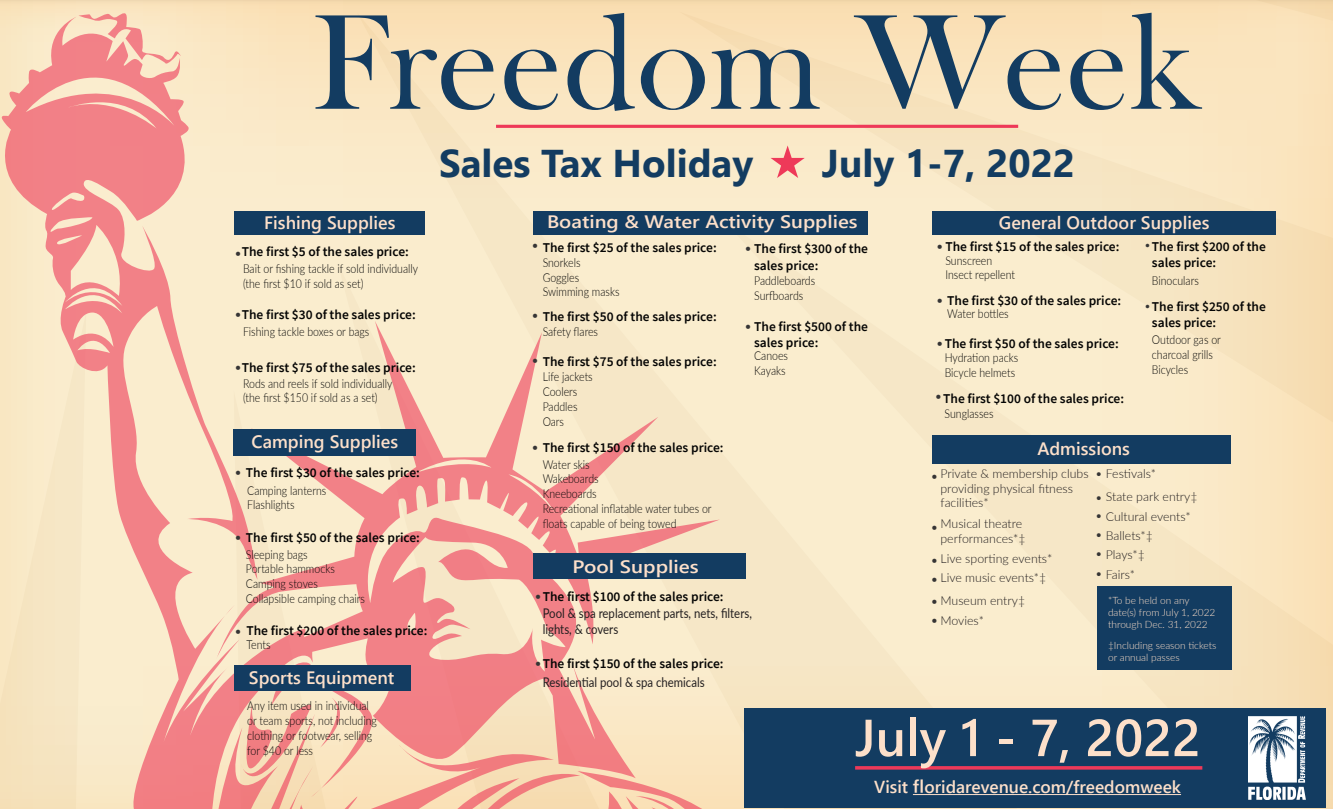
Planning Your Florida Visit Around Tax-Free Dates
For travelers planning a trip to Florida, understanding these tax-free periods can be an added bonus. If your visit coincides with the Back-to-School Sales Tax Holiday, you can strategically plan your shopping excursions for clothing, accessories, or electronics to take advantage of the savings. This is especially relevant if you are visiting theme parks like Walt Disney World or Universal Studios Florida and plan on purchasing merchandise or personal items.
Even if your primary reason for visiting Florida is not shopping, being aware of these holidays can lead to unexpected benefits. Imagine needing a new camera or a piece of luggage for your trip and realizing you’re in Florida during a tax-free period for electronics or apparel. These savings, while perhaps not the main draw of a vacation, can certainly enhance the overall value and enjoyment of your trip. Always check the official Florida Department of Revenue website for the most accurate and up-to-date information on sales tax holiday dates and eligible items, as these can vary slightly from year to year.
LifeOutOfTheBox is a participant in the Amazon Services LLC Associates Program, an affiliate advertising program designed to provide a means for sites to earn advertising fees by advertising and linking to Amazon.com. Amazon, the Amazon logo, AmazonSupply, and the AmazonSupply logo are trademarks of Amazon.com, Inc. or its affiliates. As an Amazon Associate we earn affiliate commissions from qualifying purchases.