
Navigating the unpredictable waters of Louisiana‘s weather demands a keen understanding of its hurricane season. For travelers, residents, and anyone with an interest in this vibrant state, knowing when these powerful storms are most likely to strike is crucial for planning, safety, and making the most of a visit. Louisiana, with its extensive coastline along the Gulf of Mexico, is particularly susceptible to tropical cyclones, making hurricane preparedness and awareness a significant aspect of life and tourism in the region.
The official Atlantic hurricane season, which encompasses storms that can impact Louisiana, runs annually from June 1 to November 30. This six-month period is characterized by warm ocean waters and atmospheric conditions that favor the development and intensification of tropical disturbances into hurricanes. While the entire season carries risk, certain months within this window are historically more active and pose a greater threat.
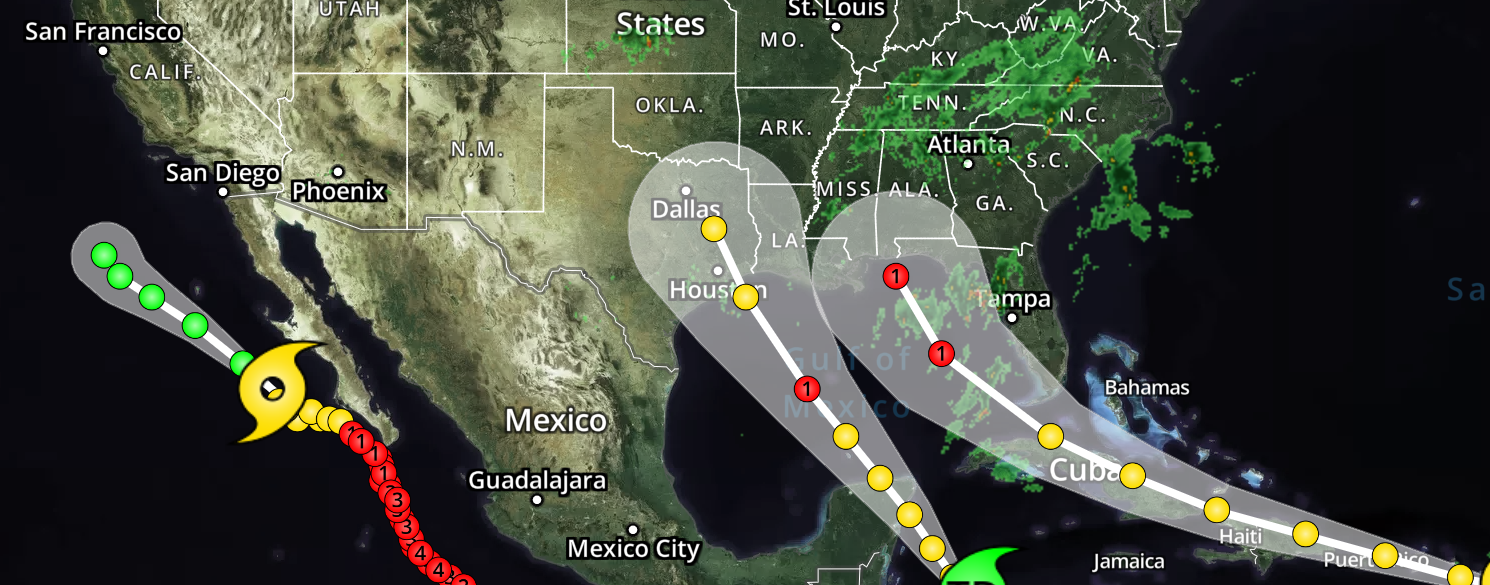
Understanding the Peak and Early/Late Season Risks
While hurricane season officially begins on June 1, the likelihood of a storm forming and impacting Louisiana is generally lower in the early months. Similarly, the tail end of the season, as temperatures cool, can still produce significant storms. Understanding these nuances is key to planning a trip or ensuring safety.
The Heart of the Storm: August, September, and October
The most active period for hurricanes in the Atlantic Basin, and by extension for Louisiana, typically occurs from August through October. These months represent the peak of hurricane season. During this time, ocean temperatures are at their warmest, providing ample energy for tropical systems to develop and strengthen.
- August: While June and July can see some activity, August often marks the beginning of a noticeable increase in storm formation. The atmosphere becomes more conducive to the organization of thunderstorms into tropical depressions and then tropical storms and hurricanes. Louisiana‘s coastal communities, from the vibrant streets of New Orleans to the bayous of the Atchafalaya Basin, become more aware of the potential for weather disturbances.
- September: This is statistically the most active month for hurricanes in the Atlantic. The confluence of warm sea surface temperatures, favorable wind patterns, and the absence of significant atmospheric shear typically allows storms to reach their greatest intensity during September. Many of Louisiana‘s most impactful hurricanes have made landfall or passed through the state during this month. This is a critical time for residents to review their evacuation plans and for visitors to monitor weather forecasts closely. For those considering a trip to experience New Orleans‘ iconic festivals or explore the unique culture of the Acadiana region, September requires careful consideration and flexibility.
- October: Though often considered the tail end of the peak season, October can still be a very dangerous month for hurricanes. While storm activity generally begins to wane as ocean temperatures start to cool, powerful storms can still form and impact Louisiana. Early October can mirror the conditions of September, and late-season storms can sometimes be particularly destructive, catching many off guard. The threat can linger, and residents and visitors alike must remain vigilant.
The Edges of the Season: June, July, and November
While the peak months are August, September, and October, the official hurricane season starts in June and ends in November. These “shoulder months” can still present risks, though they are generally less frequent and intense than the peak period.
- June: The beginning of hurricane season. While rare, tropical storms can form in June. These early-season storms often develop in the western Caribbean Sea or the Gulf of Mexico itself. The conditions in the Gulf can sometimes become favorable for development even before the official start of the season, though widespread activity is uncommon. Travelers planning trips to Louisiana in June can generally expect good weather, but it’s always prudent to stay informed about any developing systems, especially if venturing near the coast.
- July: Activity in July is typically more common than in June, but still less frequent than in the latter half of the season. Tropical storms and occasional hurricanes can form, often tracking across the Caribbean or developing within the Gulf. The increase in activity in July signals that the season is gaining momentum, and a heightened awareness of weather patterns is advisable for those in or traveling to Louisiana.
- November: As the hurricane season draws to a close, November can still be a period of concern. Although ocean temperatures are cooling, a stalled or unusually late-developing system can still pose a significant threat. Historically, some devastating hurricanes have occurred in November, often originating from the Caribbean or the western Atlantic. For those booking late-season travel to Louisiana, particularly for events like Thanksgiving celebrations in New Orleans, a close watch on weather forecasts is essential.

Preparing for the Season: A Traveler’s and Resident’s Guide
Knowing when hurricane season is doesn’t just mean marking dates on a calendar; it means taking proactive steps to prepare. For tourists, this involves informed booking decisions and having contingency plans. For residents, it’s about safeguarding property and ensuring personal safety.
Travel Planning and Booking Considerations
When planning a trip to Louisiana, especially during the peak hurricane season of August through October, it’s wise to factor in potential weather disruptions.
- Flexibility in Dates: If possible, consider building some flexibility into your travel dates. Booking flights and accommodations with flexible cancellation or rebooking policies can save you significant stress and money if a storm threatens your travel plans.
- Travel Insurance: Investing in comprehensive travel insurance is highly recommended. Ensure your policy covers weather-related cancellations, delays, and medical emergencies.
- Destination Choice: While the entire Louisiana coast is at risk, some areas might experience different impacts. For instance, cities further inland like Baton Rouge might face significant rainfall and flooding from storms that have weakened over land, while coastal areas are more vulnerable to storm surge and high winds.
- Accommodation Choices: When booking hotels or other accommodations, consider their location and their hurricane preparedness plans. Resorts like the Windsor Court Hotel in New Orleans or vacation rentals in smaller coastal towns will have different operational procedures during severe weather. Look for properties that have good reviews regarding guest safety and communication during emergencies. Hotels often have generators and backup plans to ensure guest comfort and safety.
- Monitoring Weather: Stay informed about weather forecasts from reliable sources like the National Hurricane Center (NHC). Many travel apps and news outlets provide real-time updates. If a storm is forecast to impact your destination, be prepared to alter your plans or evacuate if advised by local authorities.
Safety and Preparedness Measures
Beyond booking strategies, understanding and implementing safety measures is paramount.
- Evacuation Routes: If you are traveling to Louisiana during hurricane season, familiarize yourself with potential evacuation routes for your specific location. In New Orleans, for example, these routes are well-defined and communicated by local emergency management.
- Emergency Kits: While this is more critical for residents, travelers should at least have essential supplies. This includes water, non-perishable food, a flashlight, a battery-powered radio, a first-aid kit, and any necessary medications.
- Communication: Ensure your mobile devices are fully charged and that you have a way to stay connected, whether through Wi-Fi or cellular service. Know how to reach local emergency services if needed.
- Local Information: Pay attention to advisories and instructions from local authorities. They will provide the most accurate and up-to-date information regarding storm threats, evacuations, and shelter locations.

Beyond the Storm: Experiencing Louisiana’s Resilience and Charm
Despite the inherent risks associated with hurricane season, Louisiana‘s spirit of resilience shines through. The state’s vibrant culture, rich history, and breathtaking natural landscapes, from the historic French Quarter of New Orleans to the unique ecosystems of the Atchafalaya Basin, continue to draw visitors year-round.
The local cuisine, a captivating blend of French, Spanish, African, and Native American influences, is an experience in itself, with iconic dishes like gumbo, jambalaya, and beignets offering a taste of Louisiana‘s soul. Exploring the jazz clubs of Frenchmen Street in New Orleans, touring historic plantations, or embarking on a swamp tour to witness the unique wildlife of the bayous are all experiences that make Louisiana an unforgettable destination.
Even during hurricane season, many parts of the state remain open and welcoming to visitors. The key is to be prepared, informed, and adaptable. By understanding when Louisiana‘s hurricane season occurs and taking the necessary precautions, travelers can still enjoy the magic and allure of this extraordinary state, confident in their ability to navigate its weather patterns safely. The charm of Louisiana, its people, and its culture are truly a force to be reckoned with, standing strong even in the face of nature’s most powerful expressions.
LifeOutOfTheBox is a participant in the Amazon Services LLC Associates Program, an affiliate advertising program designed to provide a means for sites to earn advertising fees by advertising and linking to Amazon.com. Amazon, the Amazon logo, AmazonSupply, and the AmazonSupply logo are trademarks of Amazon.com, Inc. or its affiliates. As an Amazon Associate we earn affiliate commissions from qualifying purchases.