
For many travelers dreaming of a tropical escape, the term “monsoon season” conjures images of torrential downpours, flooded streets, and canceled plans, often associated with Southeast Asia or parts of India. When planning a trip to the idyllic shores of Hawaii, a common concern arises: does this paradise have a monsoon season that could dampen a much-anticipated vacation? The short answer is no, not in the way it’s commonly understood. Hawaii experiences a distinct wet season and a dry season, influenced by its unique geography and prevailing trade winds, rather than the atmospheric shifts that define true monsoons. Understanding these weather patterns is key to planning an unforgettable journey, whether you’re seeking sun-drenched beaches, lush rainforest adventures, or a serene retreat in a luxury resort.
Dispelling the Myth: Hawaii’s Climate vs. True Monsoons
To accurately address the question, it’s essential to differentiate between a true monsoon climate and Hawaii’s tropical weather patterns. While both involve seasonal shifts in rainfall, their underlying meteorological mechanisms are quite distinct. This understanding allows travelers to approach their vacation planning with realistic expectations and an appreciation for the islands’ diverse natural beauty.
Understanding Hawaii’s Tropical Climate
Hawaii is nestled in the Pacific Ocean, just south of the Tropic of Cancer, bestowing upon it a tropical climate characterized by consistently warm temperatures and relatively stable conditions year-round. The most significant meteorological factor influencing Hawaii’s weather is the persistent northeasterly trade winds. These winds bring moisture-laden air from the ocean, which, upon encountering the islands’ towering volcanic mountains, is forced upward, cools, and condenses, leading to rainfall. This phenomenon creates dramatic microclimates, where one side of an island can be perpetually rainy and lush, while the other remains arid and sunny, sometimes just a few miles apart. For example, the windward sides (northeastern) of islands like Oahu and Kauai receive significantly more rainfall than their leeward (southwestern) counterparts. This makes choosing your accommodation and activities highly dependent on which microclimate you prefer to experience, from the vibrant urban pulse of Honolulu to the serene, sun-drenched beaches of Wailea in Maui.
What is a Monsoon, Really?
A true monsoon is defined by a seasonal change in wind direction that brings about distinct wet and dry seasons, typically driven by differential heating between land and sea on a continental scale. Countries like India, parts of Southeast Asia, and even areas of Africa experience monsoons, where prevailing winds reverse direction entirely for several months, leading to dramatic shifts in rainfall and often bringing extensive, prolonged periods of rain. Hawaii, being a small archipelago far removed from any continent, does not experience this large-scale land-sea temperature differential. Instead, its rainfall patterns are primarily dictated by the interaction of the trade winds with its mountainous terrain and localized weather systems, rather than a continental monsoon circulation. Thus, while Hawaii certainly has a “wet season,” it’s important not to equate it with the widespread and intense phenomenon of a monsoon. The rain in Hawaii often comes in localized, relatively short showers, particularly on the windward sides, allowing for plenty of sunshine even during the wetter months.
Hawaii’s Wet Season: What to Expect (Roughly November to April)
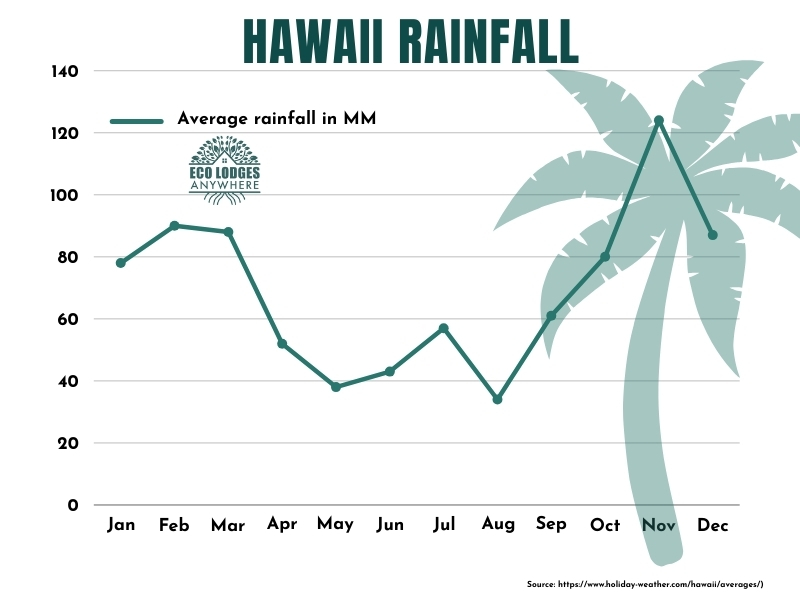
While Hawaii doesn’t have a monsoon, it does have a distinct wet season, generally spanning from November to April. This period brings increased rainfall, particularly to the windward coasts and higher elevations, but it also offers unique advantages for travelers. Understanding what to expect during these months is crucial for planning a successful trip, enabling you to embrace the islands’ lush beauty and take advantage of potentially better deals on flights and accommodations.
Weather Patterns and Regional Variations
During Hawaii’s wet season, the islands experience more frequent and often heavier showers. However, it’s rarely a continuous downpour across an entire island. Rain tends to be localized and intermittent, with plenty of sunshine peeking through, especially on the leeward coasts. The windward sides, such as the North Shore of Oahu or the areas around Hilo on the Big Island, will undoubtedly be wetter and greener. This is when the waterfalls are at their most spectacular, cascading powerfully down verdant cliffs. Temperatures remain warm, typically in the mid-70s to low 80s Fahrenheit (24-28°C), making it still very pleasant for outdoor activities. Humidity can be higher, but ocean breezes generally keep conditions comfortable. It’s important to remember that weather can change quickly in the tropics, with a passing shower often giving way to bright sunshine within minutes. This variability is part of Hawaii’s charm and requires a flexible mindset for travelers.
Activities and Experiences During the Wet Season
Visiting during the wet season opens up a different set of experiences. While beach lounging is still possible, particularly on the leeward shores, this is an excellent time to explore Hawaii’s lush interiors. Waterfalls like Manoa Falls Trail on Oahu or Akaka Falls State Park on the Big Island are incredibly vibrant. Rainforest hikes are more invigorating, with the scent of wet earth and blooming flora. This period is also prime time for whale watching, as humpback whales migrate to Hawaii’s warm waters from December to May. Indoor attractions, like the Pearl Harbor memorials, the Polynesian Cultural Center, or various art galleries and museums in Honolulu and Lahaina, offer great alternatives on rainy days. Food tours and culinary experiences also become more appealing, allowing you to sample local delicacies without worrying about the weather. Embrace the rain as part of the tropical experience – it keeps the islands so green and beautiful!
Accommodation and Travel Tips for the Wet Season
Travelers visiting during the wet season might find more attractive deals on flights and accommodations, especially outside of the major holiday periods (Christmas, New Year’s, and Spring Break). Resorts, hotels, and vacation rentals may offer lower rates, making a luxury stay at places like the Four Seasons Resort Maui at Wailea or a spacious villa more accessible for budget-conscious travelers. When booking accommodation, consider prioritizing the leeward sides of the islands – areas like Ko Olina or Waikiki on Oahu, or Poipu on Kauai generally experience less rainfall. Look for resorts and hotels with excellent indoor amenities, such as spas, fine dining, and robust activity programs, ensuring enjoyment even if a shower rolls through. Packing light rain gear, such as a compact umbrella or a lightweight waterproof jacket, is advisable, along with waterproof shoes if you plan on hiking. Being flexible with your daily itinerary is also key; have alternative plans in mind for unexpected wet weather.
Hawaii’s Dry Season: Sunshine and Serenity (Roughly May to October)
Hawaii’s dry season, typically from May to October, is when the islands truly live up to their postcard-perfect image. This period is characterized by less rainfall, abundant sunshine, and consistently pleasant temperatures, making it the peak time for many visitors seeking classic Hawaiian beach experiences and outdoor adventures.
Ideal Conditions for Outdoor Adventures
With minimal rainfall and clear skies, the dry season offers ideal conditions for virtually all outdoor activities. Beach lovers will revel in the consistently sunny weather perfect for swimming, snorkeling at places like Hanauma Bay, surfing the gentle summer waves, or simply relaxing on the white sands of Waikiki. Hikers can tackle trails like Diamond Head or the challenging Kalalau Trail on the Na Pali Coast of Kauai with confidence, enjoying breathtaking vistas without the worry of slippery conditions. Water sports, from paddleboarding and kayaking to scuba diving and deep-sea fishing, are also at their prime. The dry season is also perfect for exploring vast landscapes like those found in Haleakala National Park on Maui or Volcanoes National Park on the Big Island, offering unobstructed views of volcanic craters and lava fields. For those seeking luxury travel experiences, helicopter tours over Maui’s lush valleys or sailing excursions along the Na Pali Coast are particularly magnificent during these clear, stable months.
Popular Destinations and Peak Season Considerations
The dry season coincides with summer holidays in many parts of the world, making it the most popular time to visit Hawaii. Destinations like Waikiki, Maui’s Ka’anapali and Wailea coasts, and Poipu on Kauai experience higher visitor numbers. This means more vibrant crowds at popular attractions, livelier dining scenes, and a palpable buzz of excitement across the islands. However, it also translates to higher demand for everything from car rentals to dinner reservations. Expect slightly higher prices for flights, hotels, and tourist activities. Planning for family trips during this time often means securing bookings well in advance, especially for popular resorts like the Disney Aulani Resort on Oahu or the Grand Hyatt Kauai Resort & Spa. Embrace the lively atmosphere, but also seek out quieter spots if you prefer more solitude, perhaps by venturing to less-trafficked beaches or exploring during off-peak hours.
Navigating Peak Season: Accommodation and Planning
To make the most of a dry season visit, advance planning is paramount. Booking your accommodation, whether it’s a luxurious suite at The Ritz-Carlton, Kapalua or a budget-friendly apartment, should be done several months in advance to secure your preferred choices and potentially better rates. Comparison websites for hotels and villas can be very helpful here. Consider booking package deals, which sometimes offer better value during peak times. If staying in a popular area like Waikiki is cost-prohibitive, explore accommodations slightly outside the main tourist hubs, or consider a long-term stay in a vacation rental to spread out costs. Early reservations for popular activities, tours, and restaurant bookings are also highly recommended to avoid disappointment. For those on a budget, consider visiting during the “shoulder months” within the dry season, such as May or September, when the crowds might be slightly thinner, but the weather is still superb.
Navigating Hawaii’s Microclimates: A Key to Year-Round Enjoyment
Hawaii’s stunning topography is its greatest asset and also the reason for its incredible climatic diversity. The concept of microclimates is central to understanding Hawaii’s weather and is perhaps the most important piece of knowledge for any visitor. It allows for an enjoyable trip regardless of the time of year, as you can almost always find a sunny spot somewhere on the islands.
The Windward vs. Leeward Divide
The most prominent example of Hawaii’s microclimates is the distinct difference between the windward and leeward sides of each island. The windward (northeastern) sides, constantly exposed to the incoming trade winds, receive significantly more rainfall. This creates lush rainforests, abundant waterfalls, and vibrant greenery, ideal for nature enthusiasts. Towns like Hilo on the Big Island or Princeville on Kauai are prime examples of windward lushness. In contrast, the leeward (southwestern) sides lie in the rain shadow of the mountains, experiencing much drier, sunnier, and often warmer conditions. These are where you’ll find expansive golden beaches, desert-like landscapes, and the majority of the major resorts and tourist infrastructure. Examples include Kona on the Big Island, Wailea and Lahaina on Maui, and Waikiki on Oahu. This geographical split means that even on a “rainy day” on one side of an island, sunshine is often just a short drive away on the other.
Choosing Your Island and Region Wisely
When planning your trip, consider which island and which side of that island best aligns with your desired experience and the time of year you’re visiting.
- Oahu: For city life, historical landmarks like Pearl Harbor, and world-famous beaches, Waikiki and Ko Olina (leeward) are excellent choices year-round. The North Shore (windward) is famous for its winter surfing and lush scenery.
- Maui: The leeward coasts of Wailea and Ka’anapali offer abundant sunshine and luxury resorts like The Ritz-Carlton, Kapalua, perfect for dry-season relaxation. The Road to Hana (windward) is best explored when showers enhance its waterfalls.
- Kauai: Known as the “Garden Isle,” Kauai is generally wetter, but its southern Poipu area receives the most sunshine. The dramatic Na Pali Coast and Waimea Canyon are stunning in any weather, but clearer skies enhance visibility.
- Big Island: Offers the most extreme contrast, with the sunny Kona side and the rainy Hilo side. Active volcanoes at Hawaii Volcanoes National Park (near Hilo) are an awe-inspiring sight regardless of a little rain.
By understanding these regional differences, you can tailor your itinerary to match the prevailing weather, ensuring your chosen activities align with the conditions you’re most likely to encounter. This strategic planning is vital for maximizing your enjoyment of Hawaii’s diverse landscapes and experiences.
Making the Most of Your Hawaiian Getaway, Whatever the Season
Regardless of whether you visit during the wetter winter months or the sunnier summer season, Hawaii always offers an abundance of beauty, adventure, and relaxation. The key to a fantastic trip lies in preparation, flexibility, and a willingness to embrace all aspects of island life, from the vibrant local culture to the breathtaking natural landmarks.
Essential Packing and Preparation
For any season, essentials include sunscreen (reef-safe, please!), a wide-brimmed hat, sunglasses, and comfortable walking shoes or sandals. During the wet season, add a lightweight, packable rain jacket or umbrella and perhaps waterproof sandals if you plan on hiking near waterfalls or through rainforests. Quick-drying clothing is always a good idea in the tropics. During the dry season, emphasis shifts more heavily to beachwear and sun protection. Always carry a reusable water bottle to stay hydrated and minimize plastic waste, aligning with Hawaii’s strong commitment to environmental sustainability. Also, research local tips and customs before you go, showing respect for the local culture.
Embracing Local Culture and Flexibility
A trip to Hawaii is not just about the weather; it’s about experiencing the Aloha Spirit. This means being adaptable, laid-back, and open to spontaneous adventures. If a sudden shower appears, duck into a local café for a fresh poke bowl, visit a local artisan market, or explore one of the many historical sites like Iolani Palace on Oahu. Engage with the local culture, try traditional foods, attend a luau, or learn about Hawaii’s rich history at places like Pu’uhonua o Hōnaunau National Historical Park on the Big Island. The beauty of Hawaii lies in its multifaceted appeal, ensuring there’s always something incredible to do, rain or shine.

Finding Your Perfect Stay: Hotels, Resorts, and Villas
The range of accommodation options in Hawaii is vast, catering to every lifestyle and budget. From luxurious suites at five-star resorts like The Kahala Hotel & Resort to charming boutique hotels, family-friendly apartments, and secluded private villas, there’s something for everyone. For those seeking a luxury travel experience, many resorts offer comprehensive amenities, including exquisite dining, world-class spas, and private beach access. Budget travelers can find value in guesthouses, hostels, or vacation rentals, particularly during the shoulder seasons. Consider booking options that offer flexibility with cancellations, especially if traveling during the wetter months, to allow for last-minute changes based on localized weather forecasts. Whether you dream of waking up to ocean views from a Maui resort or immersing yourself in local life from a cozy Kauai apartment, careful research and booking can secure your ideal stay.
In conclusion, while Hawaii does not experience a true monsoon season, it offers two distinct seasons: a wetter period from November to April and a drier period from May to October. Each season has its own unique charm and opportunities. By understanding these patterns, leveraging the islands’ microclimates, and approaching your trip with flexibility and an open mind, you are guaranteed to have an extraordinary experience in this tropical paradise, no matter when you choose to visit.
LifeOutOfTheBox is a participant in the Amazon Services LLC Associates Program, an affiliate advertising program designed to provide a means for sites to earn advertising fees by advertising and linking to Amazon.com. Amazon, the Amazon logo, AmazonSupply, and the AmazonSupply logo are trademarks of Amazon.com, Inc. or its affiliates. As an Amazon Associate we earn affiliate commissions from qualifying purchases.