
Understanding the nuances of the monsoon season in New Mexico is crucial for any traveler seeking to experience the Land of Enchantment at its most dramatic and vibrant. While the state is renowned for its arid beauty and sun-drenched landscapes, the summer months bring a significant shift in weather patterns, transforming the environment with powerful thunderstorms, lush greenery, and a unique atmospheric spectacle. This period, typically spanning from late June through mid-September, offers a distinct set of opportunities and challenges for visitors, influencing everything from outdoor activities to the very colors of the landscape.
The Arrival and Characteristics of the New Mexico Monsoon
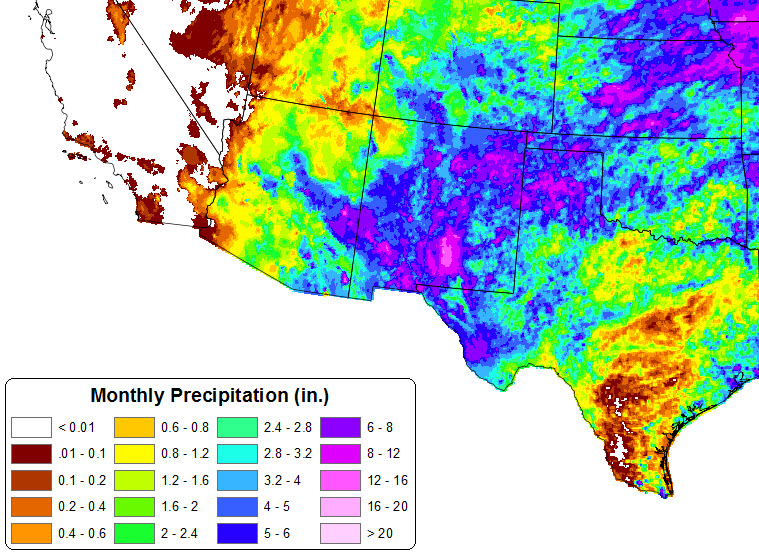
The monsoon season in New Mexico is not a gentle transition but often a marked arrival. It’s driven by a shift in prevailing winds, bringing moisture from the Gulf of California and the Pacific Ocean inland. This influx of humidity, combined with intense daytime heating, creates the perfect conditions for the development of dramatic thunderstorms.
Timing is Everything: When to Expect the Rains
While the general window for the New Mexico monsoon is late June to mid-September, the intensity and exact timing can vary year by year. The season typically kicks off in earnest around the Fourth of July weekend and can persist well into September. Early June might see isolated storms, but it’s usually by the end of the month that the consistent pattern of afternoon and evening downpours begins to establish itself. The peak of the monsoon is often observed in July and August, when humidity levels are highest and atmospheric instability is most prevalent.
The Spectacle of Desert Storms
The hallmark of the monsoon season is its dramatic thunderstorm activity. These are not your average summer showers; they are often powerful events characterized by:
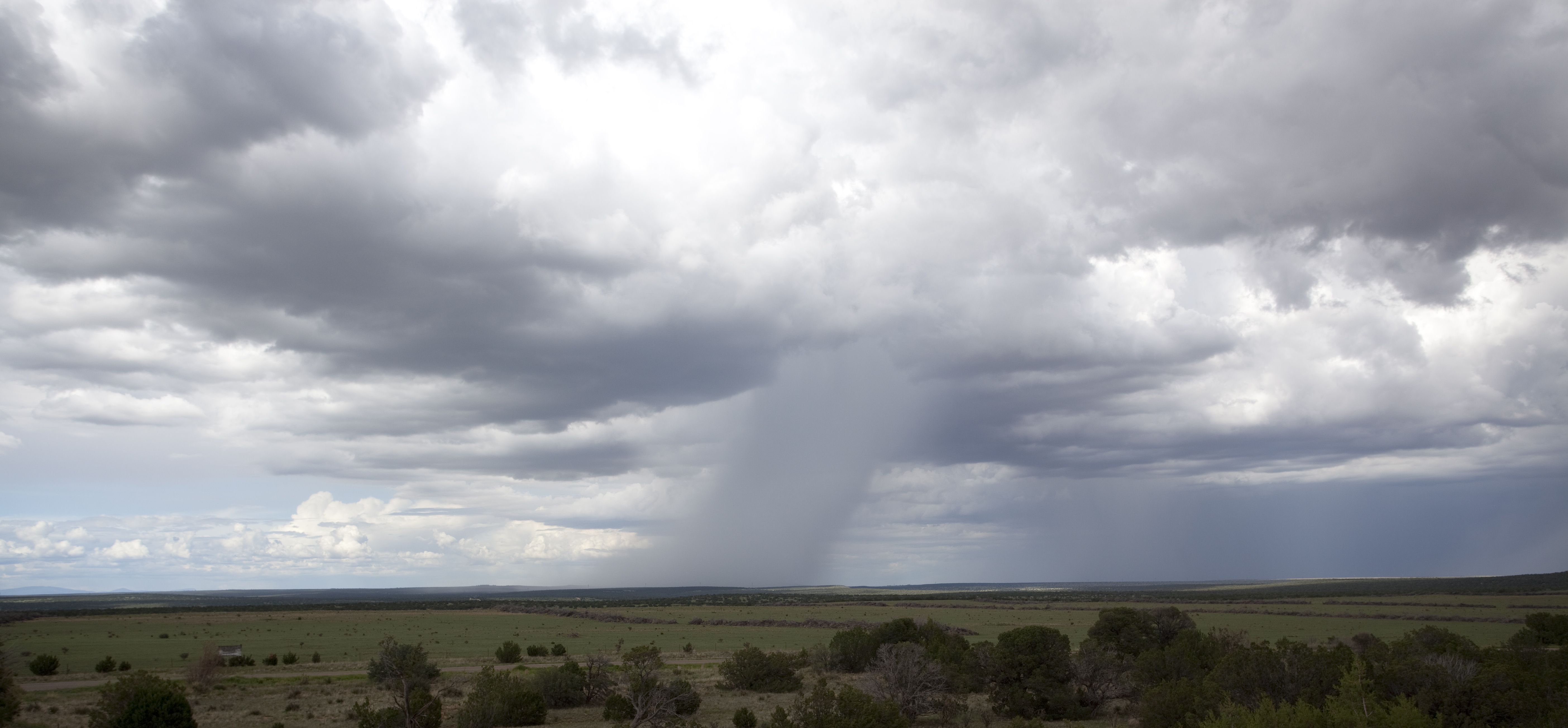
- Heavy Downpours: Rainfall can be intense, leading to flash flooding in canyons and arroyos. While seemingly counterintuitive in an arid region, this rapid influx of water is a vital part of the ecosystem.
- Lightning and Thunder: The skies frequently light up with spectacular lightning displays, accompanied by booming thunder. This is a visual and auditory feast for those who appreciate nature’s raw power.
- Dust Storms (Haboobs): In some areas, especially during the initial stages of a storm or as it moves away, strong winds can kick up massive dust storms, creating dramatic, otherworldly scenes.
- Cooler Temperatures: While daytime temperatures can still be high, the arrival of thunderstorms often brings welcome relief, lowering the mercury and creating more comfortable conditions, at least temporarily.
- Rainbows: The combination of rain and sunshine frequently results in breathtaking double and even triple rainbows, painting vibrant arcs across the sky.
Planning Your Trip During Monsoon Season
For travelers, understanding the monsoon season is key to maximizing their New Mexico experience. It presents unique opportunities for photography, experiencing the desert’s transformation, and witnessing awe-inspiring natural phenomena. However, it also requires a degree of preparedness and flexibility.
Embracing the Photogenic Landscape
The monsoon transforms the typically parched desert into a surprisingly green and vibrant landscape.
- Earthy Tones: The dusty browns and muted greens of the pre-monsoon desert give way to richer, deeper hues. Canyons that were once stark become adorned with temporary waterfalls and verdant growth.
- Dramatic Skies: The stormy skies offer unparalleled opportunities for photographers. The contrast between dark, ominous clouds and the bright desert sun creates dynamic lighting conditions, perfect for capturing the essence of the West. Consider destinations like White Sands National Park or the Gila Cliff Dwellings National Monument for particularly stunning monsoon photography.
- Wildlife Activity: The increased moisture and blooming vegetation can attract more wildlife, offering chances to observe animals as they take advantage of the temporary abundance.
Navigating the Weather for Outdoor Adventures
While the monsoon can present challenges for outdoor activities, it doesn’t have to derail your plans. With careful planning, you can still enjoy the best of New Mexico.
- Flexibility is Key: Be prepared to adjust your itinerary. Afternoon thunderstorms are common, so it’s often wise to schedule strenuous outdoor activities for the mornings.
- Flash Flood Awareness: This is paramount. Always check weather forecasts and avoid hiking in canyons, arroyos, or near dry riverbeds when there’s a risk of rain, even if it’s not raining directly where you are. Water can travel long distances. Areas like Zion National Park (though not in New Mexico, it shares similar monsoon concerns in nearby areas) serve as stark reminders of flash flood dangers.
- Road Conditions: While major highways are generally well-maintained, some unpaved roads can become impassable after heavy rain. Always check local road conditions if you plan to venture off the beaten path.
- Thunderstorm Safety: Seek shelter immediately if you hear thunder. Avoid open fields, isolated tall trees, and bodies of water. If you’re in a vehicle, stay inside with the windows up.
Embracing the Local Culture and Experiences
The monsoon season is deeply intertwined with the culture and traditions of New Mexico, influencing everything from agricultural practices to local festivals.
The Rhythm of Agriculture and Nature
For centuries, the timing of the monsoon has dictated the agricultural calendar for New Mexico‘s farmers and ranchers.
- “Monsoon Gardening”: Many New Mexicans embrace the monsoon for their gardens, planting crops that thrive in the increased moisture. This period is vital for replenishing reservoirs and supporting the state’s agricultural economy.
- Ecological Revival: The rains breathe life into the desert landscape, causing wildflowers to bloom and a palpable sense of renewal to sweep across the land. This transformation is celebrated by locals and appreciated by visitors.
Festivals and Events Under Stormy Skies
While the monsoon can sometimes impact outdoor events, it also lends a unique atmosphere to celebrations.
- San Lorenzo Fiesta (Socorro): This traditional Hispanic festival in Socorro often takes place in mid-August, sometimes coinciding with monsoon activity, adding a dramatic backdrop to the vibrant cultural celebrations.
- Indian Market (Santa Fe): While typically held in late August, the Santa Fe Indian Market, one of the largest and most prestigious Native American art markets in the world, often experiences monsoon showers. The cultural richness and the artistry on display remain undeterred, and the possibility of a rainbow arching over the historic Santa Fe Plaza only adds to the magic.
- Local Cuisine: The season also influences what’s fresh and available. Expect to find delicious dishes featuring ingredients like New Mexico green chile and red chile that have been sun-dried and are now being harvested or are at their peak flavor.
Where to Stay and What to Do During Monsoon Season
Choosing the right accommodation and planning activities strategically can ensure a comfortable and memorable monsoon season visit to New Mexico.
Strategic Stays for Comfort and Views
When planning your stay, consider how you’ll experience the monsoon’s power.
- Cities with Indoor Attractions: Cities like Santa Fe and Albuquerque offer a wealth of indoor attractions, including world-class museums, art galleries, and diverse dining options. This provides ample opportunities for activities that are unaffected by rain. Consider staying at the historic La Fonda on the Plaza in Santa Fe for a central and luxurious experience.
- Resorts with Amenities: For those seeking relaxation and comfort, resorts with indoor pools, spas, and fine dining can be ideal. The Inn of the Five Graces in Santa Fe offers a unique boutique experience with luxurious amenities, perfect for unwinding after a day of dramatic weather.
- Unique Stays with a View: If you’re feeling adventurous, consider a stay at a lodge or rental that offers magnificent views of the surrounding landscape, allowing you to safely observe the monsoon storms from a comfortable vantage point. A cabin rental in the Sangre de Cristo Mountains could offer stunning vistas of approaching storm fronts.
Activities to Enjoy Rain or Shine
Even with the possibility of rain, New Mexico offers a rich tapestry of activities.
- Museum Hopping: Explore the Georgia O’Keeffe Museum in Santa Fe, the National Museum of Nuclear Science & History in Albuquerque, or the numerous art galleries that dot the state.
- Culinary Tours: Indulge in New Mexico‘s famous cuisine. Take a cooking class focused on New Mexican dishes or explore the vibrant food scene in Albuquerque‘s Old Town.
- Scenic Drives: Certain scenic drives can be enjoyed even with passing showers. The High Road to Taos offers breathtaking views of the mountains and villages, and stopping at charming roadside chapels or art studios can make for a pleasant experience regardless of the weather.
- Morning Hikes: As mentioned, mornings are ideal for hiking. Explore the trails around Taos or the Jemez Mountains before the afternoon storms typically roll in. The cooler temperatures and the potential for dramatic skies can make for an unforgettable trek.
Understanding the Long-Term Impact and Significance
The monsoon season is more than just a period of rain; it’s a vital ecological and cultural phenomenon that shapes New Mexico year-round.
The Lifeline of the Arid Landscape
The monsoon rains are the primary source of water for much of New Mexico, playing a critical role in sustaining its unique ecosystems.
- Replenishing Water Sources: The precipitation helps to fill rivers, streams, and underground aquifers, which are essential for agriculture, wildlife, and human consumption in this predominantly arid state.
- Supporting Biodiversity: The temporary abundance of water allows for the blooming of desert wildflowers, providing food and habitat for a variety of insects, birds, and mammals. This cyclical renewal is crucial for the long-term health of the New Mexico environment.

Cultural Reverence and Adaptation
Indigenous cultures and early settlers in New Mexico have long understood and revered the power of the monsoon.
- Ancient Wisdom: Many Native American pueblos have traditional ceremonies and practices tied to the arrival of the rains, reflecting a deep connection to the natural world and a reliance on its rhythms.
- Adaptation and Resilience: The ability to adapt to the variable rainfall patterns has been a hallmark of survival and prosperity in New Mexico. This resilience is woven into the fabric of the state’s culture and history.
In conclusion, the monsoon season in New Mexico is a period of dramatic transformation, offering a unique and captivating travel experience. By understanding its timing, characteristics, and potential impacts, travelers can plan their journeys to fully embrace the awe-inspiring beauty and dynamic spirit of the Land of Enchantment, rain or shine.
LifeOutOfTheBox is a participant in the Amazon Services LLC Associates Program, an affiliate advertising program designed to provide a means for sites to earn advertising fees by advertising and linking to Amazon.com. Amazon, the Amazon logo, AmazonSupply, and the AmazonSupply logo are trademarks of Amazon.com, Inc. or its affiliates. As an Amazon Associate we earn affiliate commissions from qualifying purchases.