
Florida, with its extensive coastline bordering the Atlantic Ocean and the Gulf of Mexico, has long been revered for its bountiful seafood. Among its culinary treasures, oysters hold a special place, drawing enthusiasts from around the globe eager to savor their briny freshness. However, understanding when to enjoy these mollusks in their prime is crucial for the best experience. The concept of “oyster season” in Florida is more nuanced than a simple calendar decree, influenced by ecological factors, regulatory guidelines, and modern aquaculture practices.
Understanding Florida’s Oyster Landscape
The allure of a perfectly shucked oyster, glistening with liquor and carrying the essence of the sea, is undeniable. In Florida, the quest for this delicacy is deeply intertwined with the state’s unique aquatic environment. Oysters are filter feeders, meaning they draw water through their gills to extract food particles, a process that makes their quality highly dependent on the cleanliness and temperature of their habitat. This inherent connection to their environment is precisely why seasonality is paramount for both the flavor and safety of oysters.
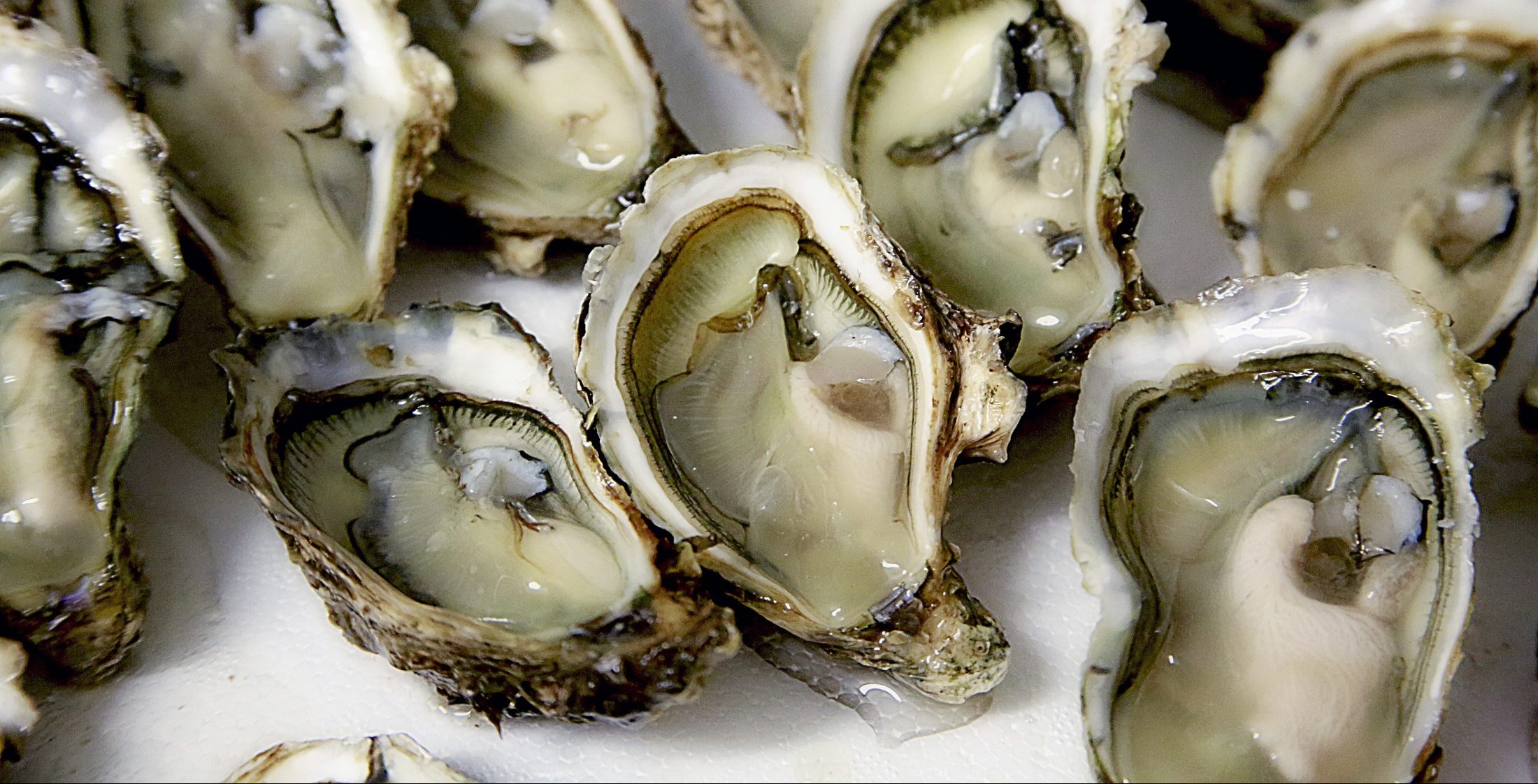
Historically, Florida’s most famous oyster beds were found in the panhandle region, particularly in Apalachicola Bay. For generations, this area was responsible for a significant portion of the nation’s oyster supply, famed for its distinctively sweet and salty oysters. While the landscape of oyster harvesting has evolved, the principles governing their season remain rooted in the biological rhythms of these fascinating bivalves.
The Traditional “R-Month” Rule and Florida’s Nuance
For centuries, oyster lovers have adhered to the “R-month” rule, a culinary axiom suggesting that oysters are best, and safest, consumed only in months containing the letter ‘R’ – September, October, November, December, January, February, March, and April. This adage primarily stems from two key factors: water temperature and oyster spawning cycles.
During warmer months (May through August), oysters traditionally spawn, causing their meat to become less firm and creamy, and sometimes milky in appearance, which many find less appealing. More importantly, warm waters create a more favorable environment for bacteria and harmful algae to proliferate, increasing the risk of foodborne illnesses associated with raw oyster consumption. Vibrio vulnificus, a naturally occurring bacterium, is a particular concern in warm coastal waters.
However, Florida’s tropical and subtropical climate introduces a unique twist to this traditional rule. While the “R-month” rule generally holds true, the state’s consistently warmer waters mean that the peak “safe” season for wild-harvested oysters can be more compressed or subject to closer monitoring. Unlike colder climates where water temperatures drop significantly for extended periods, Florida’s waters may not cool sufficiently until later in the fall and can warm up earlier in the spring, potentially shortening the window for optimal wild harvesting. This makes understanding Florida-specific guidelines crucial for both consumers and harvesters.
The Official Oyster Season in Florida
For wild-harvested oysters in Florida, the traditional season largely aligns with the “R-month” rule, generally running from September 1st through May 31st. During these cooler months, the water temperatures typically drop below the thresholds that promote rapid bacterial growth, making oysters safer for raw consumption. This period also generally coincides with the oysters being at their plumpest and most flavorful, having recovered from summer spawning.
However, this traditional season is subject to stringent oversight by the Florida Department of Agriculture and Consumer Services (FDACS) and the Florida Fish and Wildlife Conservation Commission (FWC). These agencies continuously monitor water quality, shellfish bed closures, and environmental factors such as harmful algal blooms (like red tide), which can necessitate temporary or even prolonged closures of harvesting areas, regardless of the calendar month. For instance, concerns over oyster populations and habitat health have led to significant restrictions and closures in historically rich areas like Apalachicola Bay in recent years, impacting the availability of wild oysters from that specific region.
Wild Harvest vs. Aquaculture
The landscape of oyster availability in Florida has been significantly shaped by the distinction between wild harvest and aquaculture.
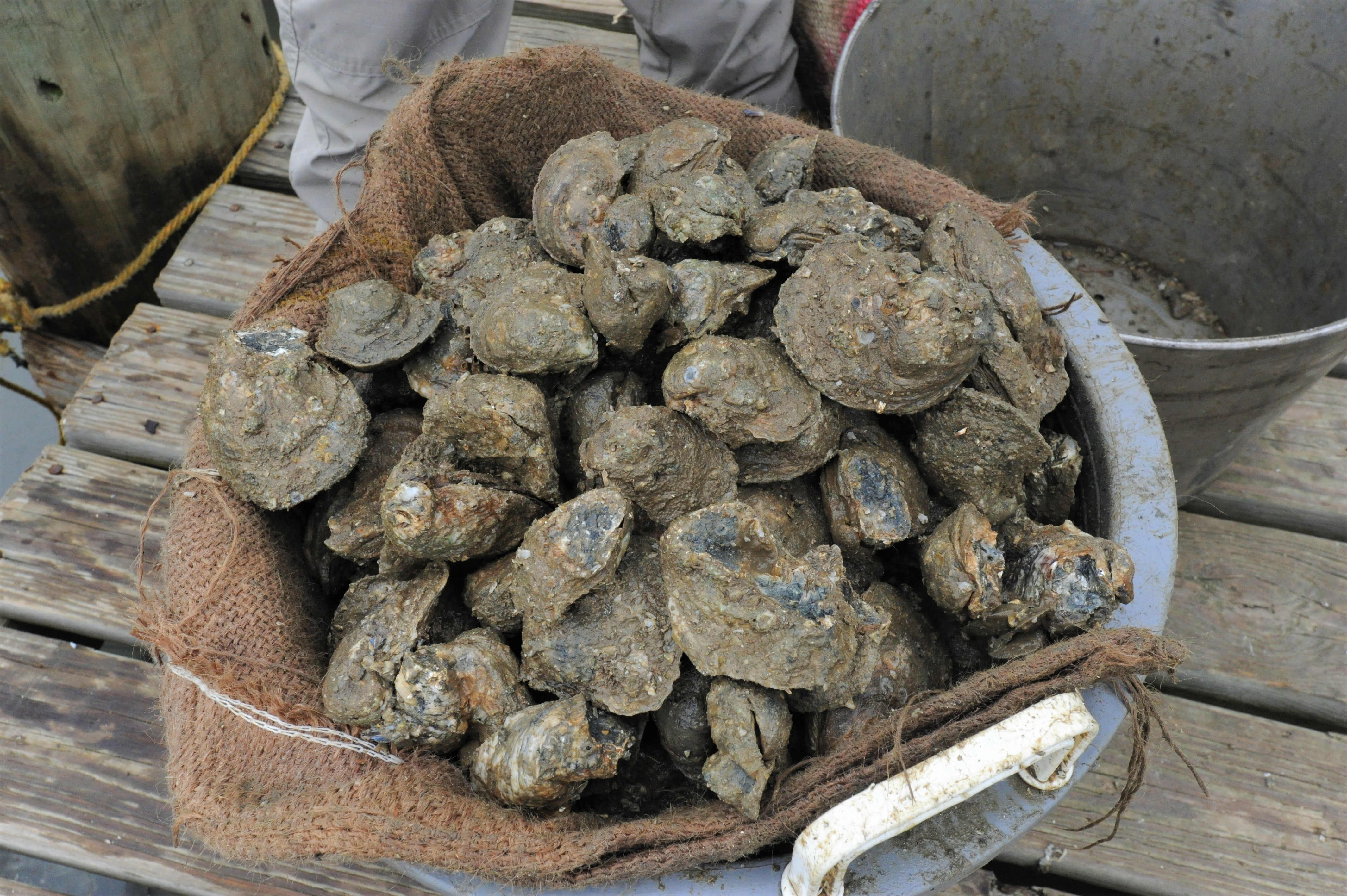
Wild Harvested Oysters: These are oysters gathered directly from natural reefs in designated harvesting areas. Their availability is strictly seasonal and highly dependent on environmental conditions, regulatory closures, and the health of wild populations. The traditional season (September to May) applies primarily to these oysters. While historically abundant in the Florida Panhandle, shifts in water management and environmental changes have led to a decline in wild oyster production from these iconic areas.
Aquacultured (Farmed) Oysters: The rise of oyster farming in Florida has provided a more consistent and often year-round supply. Farmed oysters are cultivated in controlled environments, typically using methods like cage culture or rack-and-bag systems. These oysters are often grown in areas like Cedar Key and other coastal communities where water quality can be meticulously managed. Because farmed oysters are often grown off the bottom and are subject to specific depuration (purification) processes and controlled harvesting, they can frequently bypass some of the seasonal restrictions that apply to wild oysters. This means that while traditional wild oyster season might be from September to May, you can often find high-quality, safe, and delicious farmed Florida oysters available throughout the summer months as well. This innovation has significantly expanded the window for enjoying fresh Florida oysters.
Where to Savor Florida’s Freshest Oysters
Despite the challenges faced by traditional wild oyster beds, Florida remains a prime destination for oyster enthusiasts, thanks to both remaining wild harvests and a thriving aquaculture industry.
Apalachicola Bay Oysters: A Legacy and Future
While production from Apalachicola Bay has been severely curtailed by closures aimed at restoring its ecosystem, the legacy of its oysters remains. When available (and subject to strict advisories), these oysters are renowned for their unique blend of sweetness and brine. Efforts are continuously underway to restore the bay’s health, and any future reopening of harvesting will be met with much anticipation. Visitors to the Florida Panhandle often look for assurances of origin when ordering “Apalachicola” oysters, with many restaurants now sourcing from other regional farms or bays.
Other Key Oyster Regions and Establishments
Beyond Apalachicola, several other areas in Florida are notable for their oyster offerings:
-
The Panhandle (West Florida): Cities like Destin, Pensacola, and Panama City Beach are famous for their vibrant seafood scenes. Many restaurants here specialize in oysters, often sourcing from nearby Gulf of Mexico waters when permitted, or from oyster farms further afield. You’ll find a plethora of dedicated oyster bars and seafood shacks offering fresh catches. Local favorites include Oyster City Brewing Company in Apalachicola which, despite its name, is a brewery but reflects the local oyster culture.
-
Florida Gulf Coast: The Big Bend and Suncoast regions, including areas around Cedar Key, Tampa, St. Petersburg, and Sarasota, are increasingly known for farmed oysters. Cedar Key, in particular, has become a significant aquaculture hub, producing a variety of shellfish, including oysters. Restaurants in these cities often highlight “local” oysters, which may come from nearby aquaculture operations, providing a reliable source even in warmer months. Clearwater Beach also boasts numerous restaurants featuring fresh shellfish.
-
East Coast and South Florida: While fewer native oyster beds exist on the Atlantic side compared to the Gulf, cities like Jacksonville, St. Augustine, Miami, and Fort Lauderdale offer fantastic opportunities to enjoy oysters. Restaurants here typically source from Florida’s Gulf Coast farms, other U.S. states, or international suppliers, ensuring a diverse selection available almost year-round. High-end dining establishments often feature “oyster programs” with a rotating selection of varieties. Even further south in Key West, fresh oysters are a popular menu item, though they are predominantly imported.
When visiting any of these destinations, seek out dedicated oyster bars, reputable seafood restaurants, or local fish markets. Don’t hesitate to ask your server or fishmonger about the origin and type of oysters they are serving; responsible establishments are proud to share this information.
Tips for Enjoying Florida Oysters
To truly appreciate Florida’s oysters, consider these tips for a memorable and safe culinary experience:
Freshness First
The golden rule for oysters is freshness. When ordering, look for oysters that are served on a bed of ice, tightly closed (if raw), and accompanied by their natural “liquor.” A reputable establishment will present oysters that smell like the clean ocean, not fishy or sulfuric. If consuming raw, ensure they are shucked to order.
Preparation Styles
While raw on the half shell is the purest way to experience an oyster, Florida offers numerous delicious preparations:
- Raw on the Half Shell: Served with mignonette, lemon wedges, or hot sauce, this allows the oyster’s natural flavor to shine.
- Steamed: A gentle cooking method that warms the oyster without significantly altering its texture or taste, often served with melted butter.
- Fried: A popular preparation, especially in casual seafood shacks. The oysters are typically breaded and deep-fried until golden brown, offering a crispy exterior and tender interior.
- Oysters Rockefeller: A classic rich preparation with spinach, butter, herbs, and breadcrumbs, often baked or broiled.
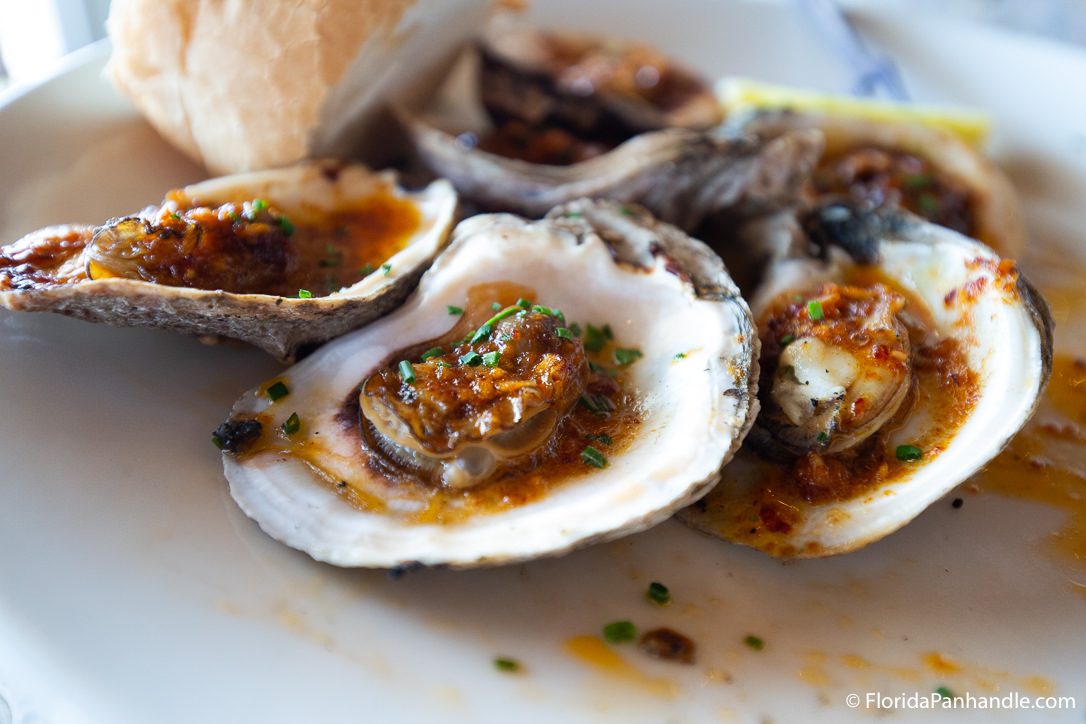
- Grilled/Broiled: With various toppings like cheese, garlic butter, or jalapeños, grilling adds a smoky dimension.
Pairings
Oysters pair beautifully with a range of beverages. Crisp, dry white wines such as Muscadet, Sauvignon Blanc, or sparkling wines like Prosecco or Champagne are classic choices. Local craft beers, especially lighter lagers or pilsners, also complement their briny character. For non-alcoholic options, sparkling water with a squeeze of lemon or a local iced tea works wonderfully.
Responsible Consumption
Always be mindful of health advisories, especially during warmer months. While farmed oysters offer a safer year-round option, it’s prudent to check for local news regarding red tide or other environmental concerns if you plan to consume wild-harvested shellfish. If you have a compromised immune system, it’s generally advised to consume only cooked oysters.
Beyond the Plate: Conservation
Oysters are not just a delicacy; they are vital to coastal ecosystems. They filter water, create habitats for other marine life, and help protect shorelines. Many oyster farmers and conservation groups in Florida are actively involved in restoration efforts, recognizing the ecological importance of these bivalves. Supporting establishments that source sustainably and being aware of conservation initiatives contributes to the long-term health of Florida’s waters and its oyster industry.
In conclusion, while the traditional “R-month” rule provides a foundational understanding, Florida’s oyster season is a dynamic blend of natural rhythms, strict regulations, and innovative aquaculture. Whether you’re seeking the iconic taste of a wild-caught Gulf oyster or the reliable quality of a farmed bivalve, a little knowledge ensures you can savor the freshest, safest, and most delicious oysters the Sunshine State has to offer on your next visit.
LifeOutOfTheBox is a participant in the Amazon Services LLC Associates Program, an affiliate advertising program designed to provide a means for sites to earn advertising fees by advertising and linking to Amazon.com. Amazon, the Amazon logo, AmazonSupply, and the AmazonSupply logo are trademarks of Amazon.com, Inc. or its affiliates. As an Amazon Associate we earn affiliate commissions from qualifying purchases.