
Planning a trip to the vibrant island of Puerto Rico? Understanding the nuances of its climate, particularly hurricane season, is crucial for crafting the perfect itinerary and ensuring a safe, enjoyable experience. While the allure of sun-drenched beaches, historic cobblestone streets, and lush rainforests remains constant, timing your visit can significantly impact your adventure. This guide will delve into the specifics of Puerto Rico’s hurricane season, offering insights and practical advice for travelers.
Understanding the Atlantic Hurricane Season
The Atlantic hurricane season officially runs from June 1st to November 30th each year. This period encompasses the months when the atmospheric and oceanic conditions are most favorable for the formation and intensification of tropical cyclones, including tropical depressions, tropical storms, and hurricanes.
Peak Activity and Key Months
While the entire six-month period is designated as hurricane season, the most active phase typically occurs from mid-August through late October. During these months, sea surface temperatures are at their warmest, and atmospheric patterns are more conducive to storm development.
- June and July: The early months of the season often see fewer storms, though the possibility of tropical activity is present. Early-season storms can sometimes be unexpected and require vigilance.
- August: Activity generally begins to increase in August as the ocean waters heat up.
- September: This is statistically the most active month for hurricanes in the Atlantic basin, including the Caribbean. Warm waters, favorable wind patterns, and the presence of African dust outbreaks (which can suppress or fuel storms) all play a role.
- October: While activity often begins to wane in October, significant and impactful storms can still form and affect the region.
- November: The season officially concludes on November 30th, but late-season storms, though less common, can still occur.
Factors Influencing Storm Formation
Several meteorological factors contribute to the development of hurricanes:
- Warm Ocean Temperatures: Hurricanes draw their energy from warm ocean waters. Temperatures above 80°F (26.5°C) are generally considered necessary for sustained storm development.
- Low Vertical Wind Shear: This refers to changes in wind speed and direction with height. Low wind shear allows thunderstorms within a developing system to remain vertically aligned, facilitating organization and intensification.
- Moisture: Ample moisture in the atmosphere is essential for cloud and thunderstorm development.
- Pre-existing Disturbance: Most tropical cyclones originate from a pre-existing weather disturbance, such as a tropical wave moving off the coast of Africa.
Puerto Rico’s Vulnerability and Preparedness
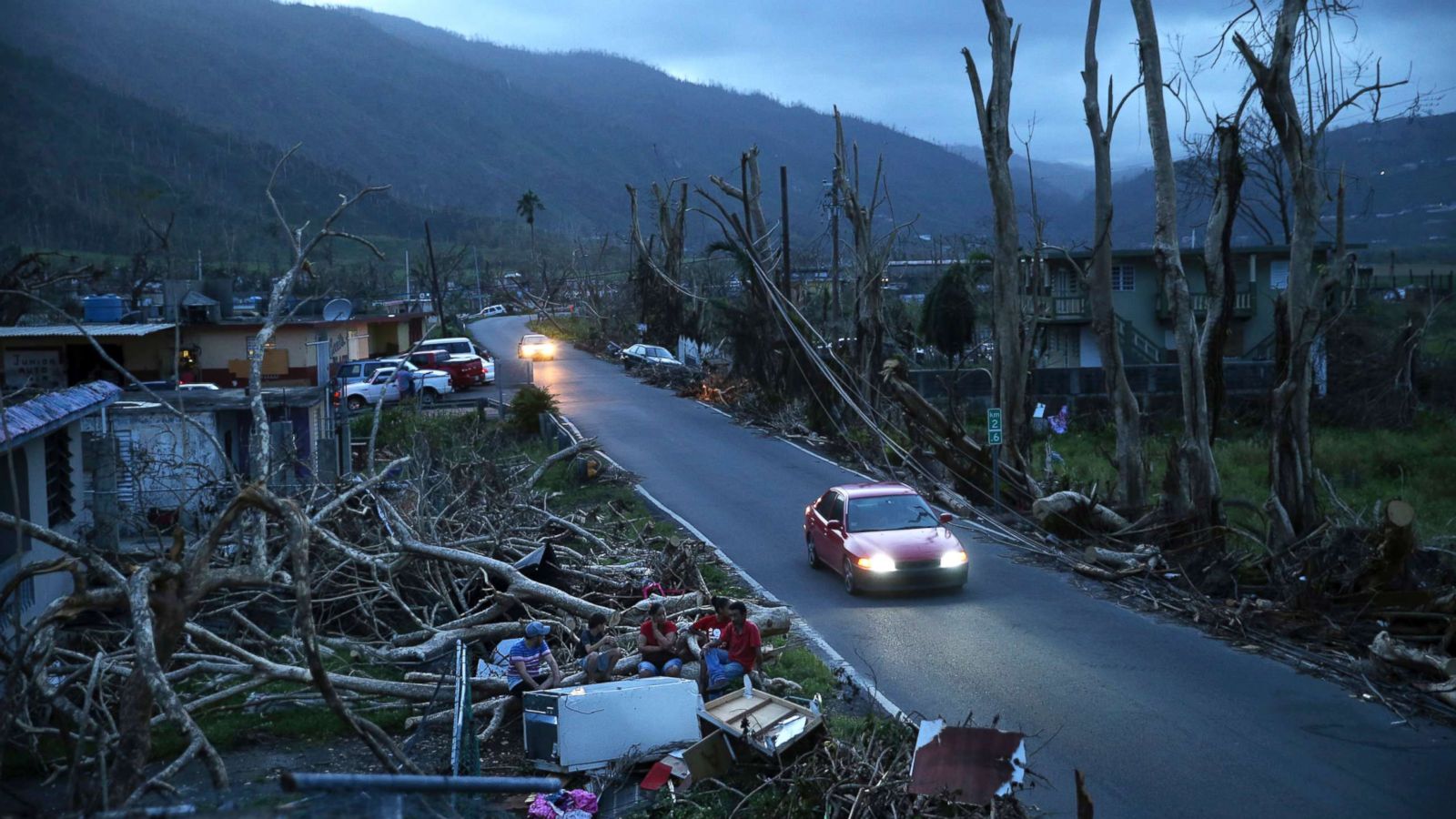
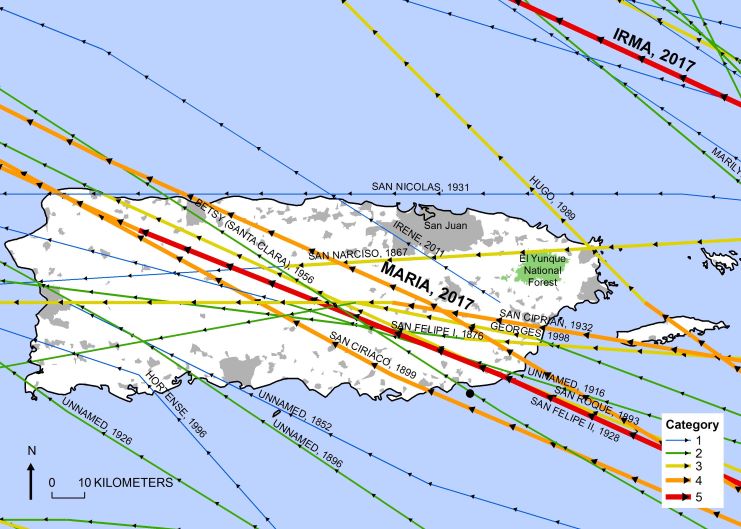
Puerto Rico, situated in the heart of the Caribbean, is directly in the path of many Atlantic hurricanes. The island has experienced the devastating impacts of major storms, notably Hurricane Maria in 2017, which caused widespread destruction and significantly disrupted life across the island.
Historical Impact
Understanding the history of hurricanes in Puerto Rico can offer perspective. While the island has weathered numerous storms throughout its history, the intensity and impact of recent events underscore the importance of preparedness.
Government and Community Preparedness
The government of Puerto Rico, along with federal agencies like FEMA, has robust emergency management plans in place. These include:
- Early Warning Systems: Monitoring weather patterns and issuing timely alerts.
- Evacuation Plans: Designated shelters and procedures for moving residents from vulnerable areas.
- Infrastructure Resilience: Efforts to strengthen critical infrastructure, though significant challenges remain.
- Public Awareness Campaigns: Educating residents and visitors about safety protocols.
Local communities also play a vital role, with many residents actively participating in preparedness efforts and mutual aid networks.
Traveling to Puerto Rico During Hurricane Season
Visiting Puerto Rico between June 1st and November 30th does not automatically mean your trip will be disrupted by a hurricane. Millions of tourists visit the island successfully during these months. However, informed planning is essential.
Advantages of Traveling During the Shoulder and Off-Season
Traveling during the latter half of the hurricane season, particularly September and October, can sometimes offer benefits for budget-conscious travelers.
- Lower Prices: Demand for flights and accommodations may decrease, leading to potentially lower prices.
- Fewer Crowds: You might find fewer tourists at popular attractions, offering a more relaxed experience.
Risks and Considerations
The primary risk, of course, is the potential for tropical storm or hurricane activity to disrupt travel plans.
- Flight Cancellations and Delays: Airlines may cancel flights to and from affected areas, leading to itinerary changes.
- Resort and Attraction Closures: In the event of a storm threat, hotels and attractions may close temporarily for safety.
- Disruption to Island Travel: Roads may be impassable, and ferry services (e.g., to Vieques and Culebra) can be suspended.
- Power Outages and Service Disruptions: Even if a storm doesn’t make direct landfall, heavy rains and winds can cause power outages and affect water and communication services.
Making Informed Travel Decisions
When considering a trip to Puerto Rico during hurricane season, follow these guidelines to make informed decisions and enhance your safety.
Travel Insurance is Essential
This is perhaps the most critical piece of advice for anyone traveling during hurricane season. Comprehensive travel insurance can cover:
- Trip Cancellation: If your trip is canceled due to a named storm before your departure.
- Trip Interruption: If you have to cut your trip short due to a storm.
- Medical Emergencies: Should you require medical attention.
- Lost or Delayed Baggage: A common travel inconvenience that insurance can mitigate.
Ensure your policy specifically covers weather-related disruptions and understand the terms and conditions, especially regarding “named storms.”
Monitor Weather Forecasts Diligently
- National Hurricane Center: Regularly check the National Hurricane Center (NHC) website for the latest advisories, watches, and warnings. They provide detailed information on storm tracks and intensity forecasts.
- Local News Outlets: Stay informed through local Puerto Rico news channels and radio stations for island-specific updates.
- Travel Provider Updates: Keep an eye on communications from your airline, hotel, and tour operators.
Understand Your Accommodation’s Policies
If you are booked at a resort or hotel, such as the Dorado Beach, a Ritz-Carlton Reserve or the Caribe Hilton, familiarize yourself with their hurricane policies. Many hotels offer flexible cancellation or rebooking options for guests affected by severe weather.
Plan for Flexibility
- Build Buffer Days: If possible, consider adding a day or two to your itinerary at the beginning or end to provide a buffer against potential travel delays.
- Have a Contingency Plan: Know where you would go or what you would do if your travel plans are significantly disrupted. This might include identifying alternative transportation or accommodation options outside the potential storm path.
Pack Accordingly
Beyond your usual travel essentials for a tropical destination, consider packing:
- Waterproof Bags: To protect electronics and important documents.
- Portable Power Bank: To keep devices charged during potential power outages.
- Basic First-Aid Kit: For minor injuries.
- Non-Perishable Snacks: In case local stores are temporarily closed.
- Cash: ATMs might not function during power outages.
Safety During a Storm Threat
If a tropical storm or hurricane is forecast to impact Puerto Rico during your stay:
- Follow Official Instructions: Heed all evacuation orders and safety advisories issued by local authorities.
- Stay Indoors: Seek sturdy shelter and stay away from windows and doors.
- Conserve Water and Food: If services are interrupted.
- Stay Informed: Continue to monitor weather updates through battery-powered radios or charged devices.
Beyond Hurricane Season: The Best Times to Visit
While hurricane season is a consideration, Puerto Rico is a beautiful destination year-round. The dry season, generally from December to April, is often considered the most popular time to visit due to its consistently pleasant weather.
The Dry Season (December – April)
- Ideal Weather: Expect lower humidity, sunny skies, and cooler temperatures, making it perfect for exploring Old San Juan, hiking in the El Yunque National Forest, or enjoying water sports.
- Peak Tourist Season: This period also coincides with peak tourist season, meaning higher prices and larger crowds.
The Wet Season (May – November)
While May and November fall within the broader hurricane season, they often offer transitional weather patterns with fewer storm risks than the peak months.
- May: Typically marks the beginning of the rainy season with warmer temperatures and increased humidity, but before the peak of hurricane activity.
- November: The tail end of hurricane season often brings more settled weather as the season winds down.
Ultimately, the decision to travel to Puerto Rico during hurricane season involves a balance of potential risks and rewards. With diligent planning, comprehensive travel insurance, and a flexible attitude, a memorable and safe vacation is achievable even during these potentially active months. The resilience and beauty of Puerto Rico are sure to captivate any visitor, regardless of the season.
LifeOutOfTheBox is a participant in the Amazon Services LLC Associates Program, an affiliate advertising program designed to provide a means for sites to earn advertising fees by advertising and linking to Amazon.com. Amazon, the Amazon logo, AmazonSupply, and the AmazonSupply logo are trademarks of Amazon.com, Inc. or its affiliates. As an Amazon Associate we earn affiliate commissions from qualifying purchases.