
Arizona, a state renowned for its breathtaking desert landscapes, vibrant cultural tapestry, and diverse outdoor recreational opportunities, offers a unique appeal to hunters seeking to experience the thrill of pursuing upland game birds. Among the most sought-after quarry is the quail, a group of small to medium-sized ground-dwelling birds that inhabit various ecosystems across the state. Understanding the nuances of quail season in Arizona is paramount for any aspiring or seasoned hunter aiming to maximize their success while adhering to regulations designed to ensure sustainable populations. This guide delves into the specifics of Arizona’s quail hunting calendar, highlighting key considerations for planning your expedition.
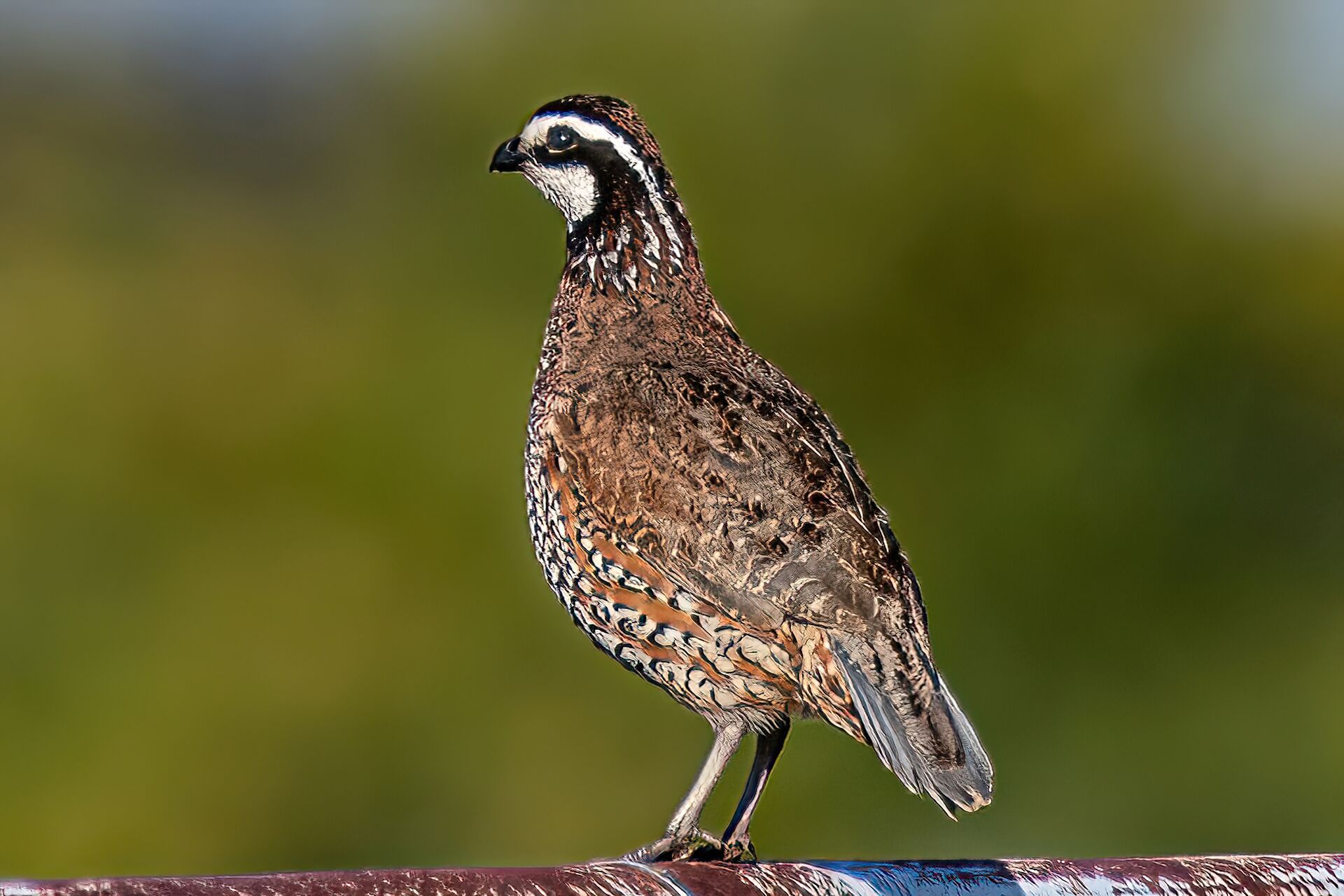
Understanding Arizona’s Quail Species and Their Habitats
Arizona is home to several quail species, each with its preferred habitat and distinct hunting characteristics. The most prominent among these are the Mearns’ quail, also known as the Montezuma quail, the Gambel’s quail, and the Scaled quail. Each species presents a different challenge and reward for hunters.
Mearns’ Quail (Montezuma Quail)
The Mearns’ quail, often considered the most challenging and visually striking of Arizona’s quail, is a ground-dwelling bird found primarily in the Madrean oak-grassland ecotone of southeastern Arizona. This habitat is characterized by rolling hills, oak woodlands, and a mix of perennial grasses. Mearns’ quail are known for their elusive nature and their tendency to explode from cover in a whirring ascent when flushed. Their diet consists mainly of seeds, insects, and tubers, which they forage for on the ground. Due to their specific habitat requirements and smaller population densities compared to other quail species, hunting Mearns’ quail often requires extensive knowledge of their preferred foraging grounds and careful navigation through steep and often rugged terrain. The season for Mearns’ quail is typically shorter and more restricted than for other species, reflecting their conservation status and the delicate nature of their ecosystem.
Gambel’s Quail
The Gambel’s quail is perhaps the most iconic quail species in Arizona, easily recognizable by the distinctive black plume atop its head. These birds are ubiquitous throughout the Sonoran Desert and other arid and semi-arid regions of the state, including areas around Phoenix and Tucson. They thrive in habitats characterized by mesquite bosques, palo verde stands, and areas with sufficient brush cover for protection and nesting. Gambel’s quail are social birds, often found in coveys, and are known for their ability to run swiftly across the desert floor before taking flight. Their diet includes seeds, fruits, and green vegetation. Hunting Gambel’s quail can be a rewarding experience, offering a good chance of encountering coveys in suitable habitat, particularly near water sources or agricultural areas.
Scaled Quail
The Scaled quail, also known as the “cottontop” quail, is another species found in Arizona, primarily inhabiting the desert grasslands and shrublands of southeastern Arizona, extending into New Mexico. They are characterized by their distinctive white-tipped, scaled-looking feathers. Unlike Gambel’s quail, Scaled quail tend to run more than fly when disturbed, making them challenging to flush and keep in the air. They prefer open grasslands with scattered shrubs and brush piles for cover. Their diet consists of seeds and insects. While perhaps less common than Gambel’s quail in many areas, Scaled quail offer a unique hunting experience in the high desert environments they inhabit.
The Arizona Quail Hunting Seasons: A Detailed Look
Arizona’s hunting regulations are established by the Arizona Game and Fish Department, ensuring responsible wildlife management and sustainable hunting practices. The quail hunting seasons are carefully determined based on biological data, population trends, and habitat conditions. It’s crucial for hunters to consult the official regulations handbook released annually by the department, as season dates and bag limits can vary.
General Quail Season
The general quail hunting season in Arizona typically commences in the fall and extends into the winter months, a period that aligns with optimal conditions for both the birds and the hunters. This timing takes into account the breeding cycles of quail, allowing for successful reproduction before the hunting season begins, and ensures that birds have had ample time to develop to a huntable size.
Typical Season Dates:
- Opening Day: Usually falls in early October.
- Closing Day: Frequently extends into late January or early February of the following year.
These broad dates encompass hunting opportunities for Gambel’s and Scaled quail across much of their range in the state. The extended season allows hunters flexibility in planning their trips, whether for a short weekend excursion or a more immersive hunting adventure.
Mearns’ Quail (Montezuma Quail) Season
Given the specific habitat requirements and population dynamics of the Mearns’ quail, their hunting season is often more limited. This conservational approach aims to protect this particular species and its delicate ecosystem.
Typical Season Dates:
- Opening Day: Often begins later in the season, sometimes in November.
- Closing Day: Usually concludes earlier than the general quail season, often by mid-January.
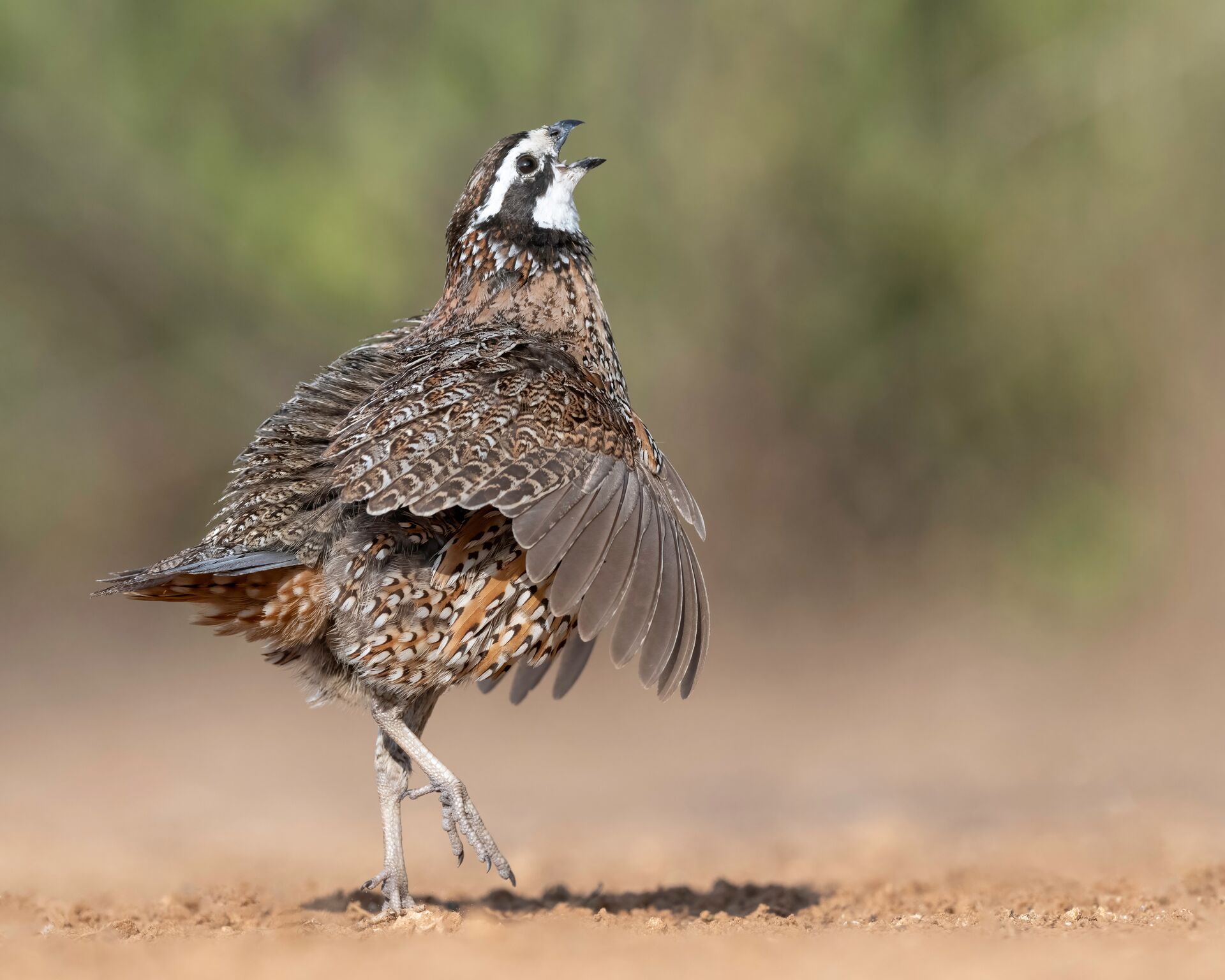
This shorter season underscores the importance of focusing efforts on the specific regions where Mearns’ quail are found and emphasizes the need for a highly selective and respectful hunting approach. Hunters targeting Mearns’ quail should be particularly attuned to the specific regulations for this species, as they may differ from those for Gambel’s and Scaled quail.
Important Considerations for Season Dates
- Regional Variations: While general dates are provided, it is essential to check the Arizona Game and Fish Department regulations for any specific regional differences or closures that may apply within certain wildlife management units.
- Bag Limits and Possession Limits: Alongside season dates, hunters must be aware of daily bag limits (the number of birds a hunter can legally take per day) and possession limits (the total number of birds a hunter can legally possess at any given time). These limits are critical for population management.
- License and Permits: All individuals hunting in Arizona must possess a valid Arizona hunting license. Specific permits may also be required depending on the game pursued and the area hunted.
Planning Your Arizona Quail Hunt: Essential Tips and Strategies
A successful quail hunt in Arizona involves more than just knowing the season dates. It requires preparation, knowledge of the terrain, and an understanding of quail behavior.
Gear and Equipment
- Firearm: A 12-gauge or 20-gauge shotgun is standard for quail hunting. Ensure it is in good working order and that you are proficient with its use.
- Ammunition: Choose loads appropriate for upland game birds, such as 7.5 or 8 shot.
- Clothing: Layered clothing is essential to adapt to Arizona’s variable desert temperatures. Durable, camouflage or earth-toned hunting apparel is recommended to blend with the environment. Sturdy, broken-in hiking boots are crucial for navigating rough terrain.
- Navigation: A GPS device or a reliable map and compass are vital for staying oriented in the vast desert landscapes.
- Water: Hydration is paramount in the desert. Carry more water than you think you will need.
- First-Aid Kit: A comprehensive first-aid kit is indispensable for any outdoor activity.
- Bird Dog: While not strictly necessary, a well-trained bird dog can significantly enhance your hunting experience, aiding in locating and retrieving birds.
Habitat and Scouting
Successful quail hunting hinges on identifying and accessing prime habitat. Gambel’s quail often frequent washes, mesquite thickets, and areas near water sources. Mearns’ quail are found in oak woodlands at higher elevations in southeastern Arizona. Scaled quail prefer open grasslands with scattered cover. Scouting before the season opens can provide valuable insights into covey locations and bird activity.
Hunting Techniques
- Walking Up Birds: The most common method involves hunters walking through likely habitat, hoping to flush coveys. Moving slowly and methodically, with hunters spread out, can increase flushing opportunities.
- Dog Work: Bird dogs are incredibly effective at locating quail and pointing them out to hunters.
- Calling: While not as prevalent as with some other game birds, some hunters use quail calls to try and elicit a response or gather scattered birds.
Responsible Hunting Practices
Adhering to ethical and legal hunting practices is not only a matter of law but also a fundamental aspect of conservation.
Adherence to Regulations
Always consult the latest hunting regulations from the Arizona Game and Fish Department. Ensure you understand and comply with all season dates, bag limits, shooting hours, and licensing requirements.
Hunter Orange
While not always mandatory for quail hunting, wearing some hunter orange can increase your visibility to other hunters, enhancing safety, especially in areas where multiple hunting activities might be occurring.
Firearm Safety
Always treat every firearm as if it were loaded. Keep the safety on until you are ready to shoot. Be aware of your target and what is beyond it.

Respect for Wildlife and Habitat
Minimize your impact on the environment. Pack out everything you pack in, including shell casings. Avoid disturbing nesting areas or sensitive habitats. Proper game care, including field dressing and cooling birds quickly, ensures the quality of your harvest.
By understanding the specifics of Arizona’s quail species, their seasons, and by preparing diligently, hunters can look forward to a rewarding and memorable experience in the diverse landscapes of the Grand Canyon State. Remember, responsible hunting ensures that these natural resources are available for generations to come.
LifeOutOfTheBox is a participant in the Amazon Services LLC Associates Program, an affiliate advertising program designed to provide a means for sites to earn advertising fees by advertising and linking to Amazon.com. Amazon, the Amazon logo, AmazonSupply, and the AmazonSupply logo are trademarks of Amazon.com, Inc. or its affiliates. As an Amazon Associate we earn affiliate commissions from qualifying purchases.