
For travelers planning a pilgrimage to the archipelago of Hawaii, the vision is often one of endless sunshine, golden sands, and the gentle swaying of palm trees against a clear blue sky. While this idyllic image is a reality for much of the year, the islands within the United States tropical zone do experience a distinct shift in weather patterns. Understanding when the rain season occurs is not merely a matter of avoiding a few puddles; it is a crucial component of planning a successful itinerary, choosing the right side of an island to stay on, and setting expectations for outdoor adventures in the Pacific Ocean.
Understanding the Hawaiian Rainy Season: Timing and Duration
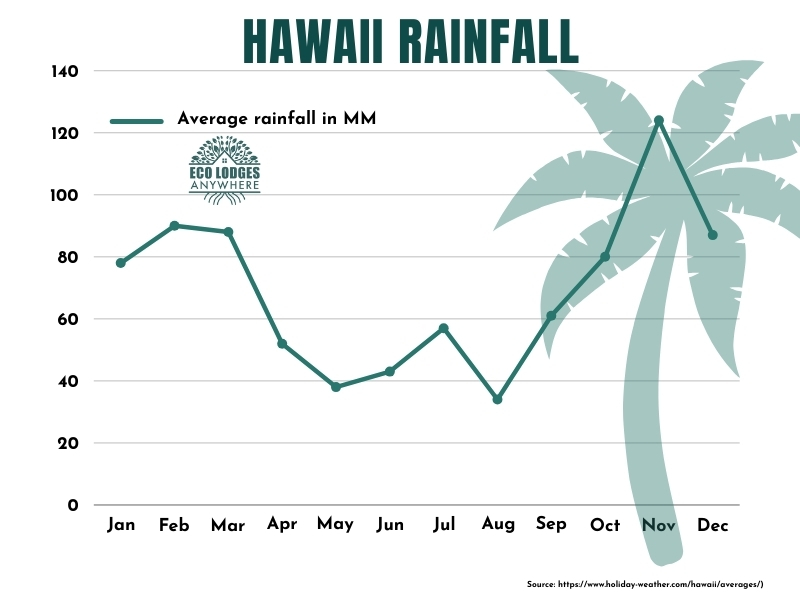
The concept of a “rainy season” in a tropical paradise like Hawaii is different from the monsoon seasons found in Southeast Asia or the prolonged grey winters of the Pacific Northwest. In the islands, the weather is governed by two primary seasons: the dry season (kau), which runs from May to October, and the wet season (ho’oilo), which spans from November to March.
The Winter Months (November to March)
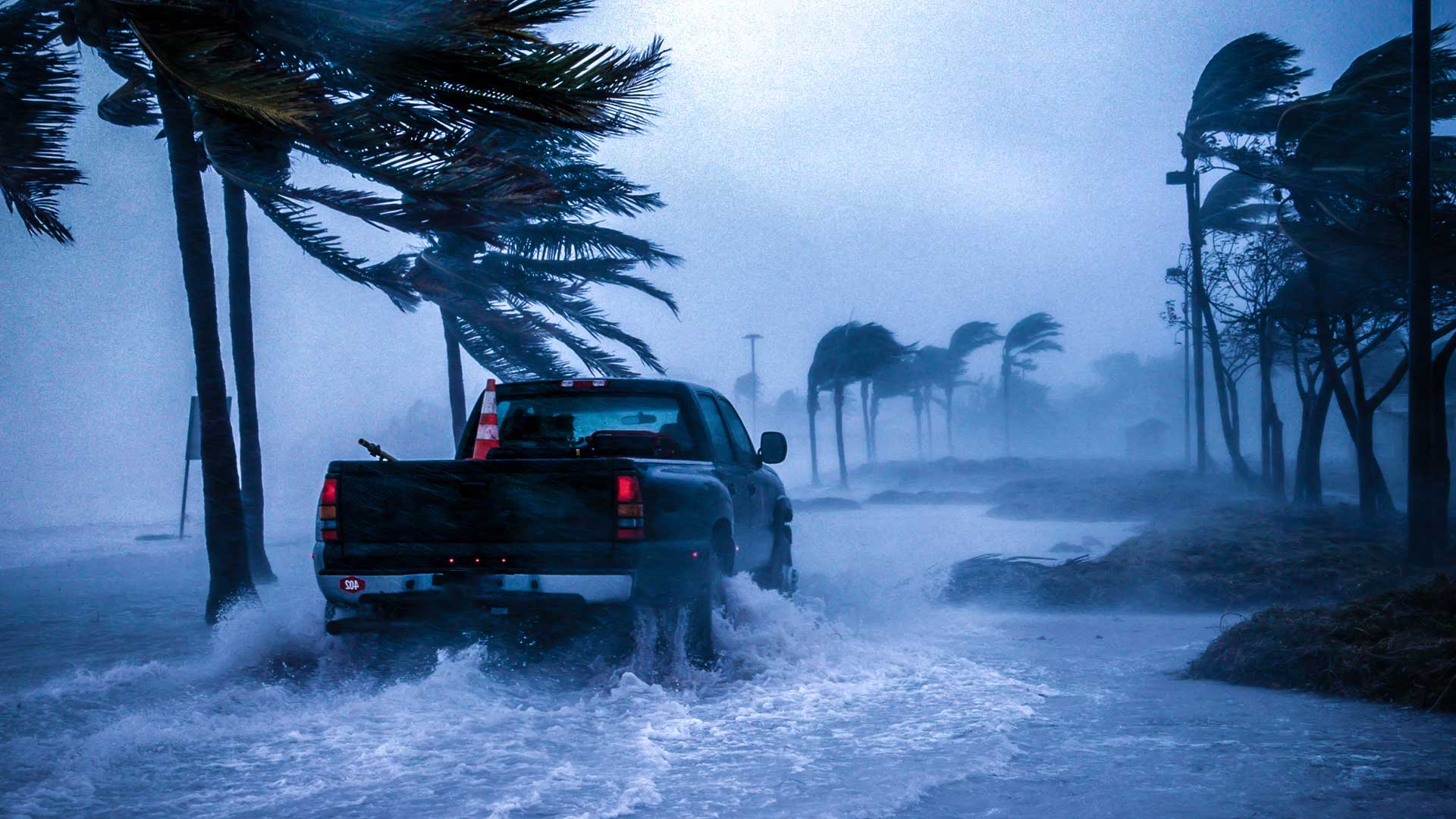
During the months of November, December, January, February, and March, the frequency of precipitation increases across the entire chain. This is the period when the islands are most likely to be affected by “Kona storms.” Unlike the typical brief tropical showers that dissipate within minutes, Kona storms are large-scale low-pressure systems that can bring widespread, heavy rain and strong winds for several days. These storms are named “Kona” because they often bring winds from the south or southwest—the leeward or “Kona” side—rather than the usual northeasterly trade winds.
However, even during the peak of the rainy season, it is rare for the entire state to be blanketed in rain simultaneously. Travelers will find that the rain is often localized and intermittent. A downpour in the morning can easily give way to a brilliant, rainbow-filled afternoon. December and January are historically the wettest months, yet they remain some of the most popular times for tourism as travelers from colder climates flock to the islands for the warmth and holiday festivities.
Microclimates and Regional Variation
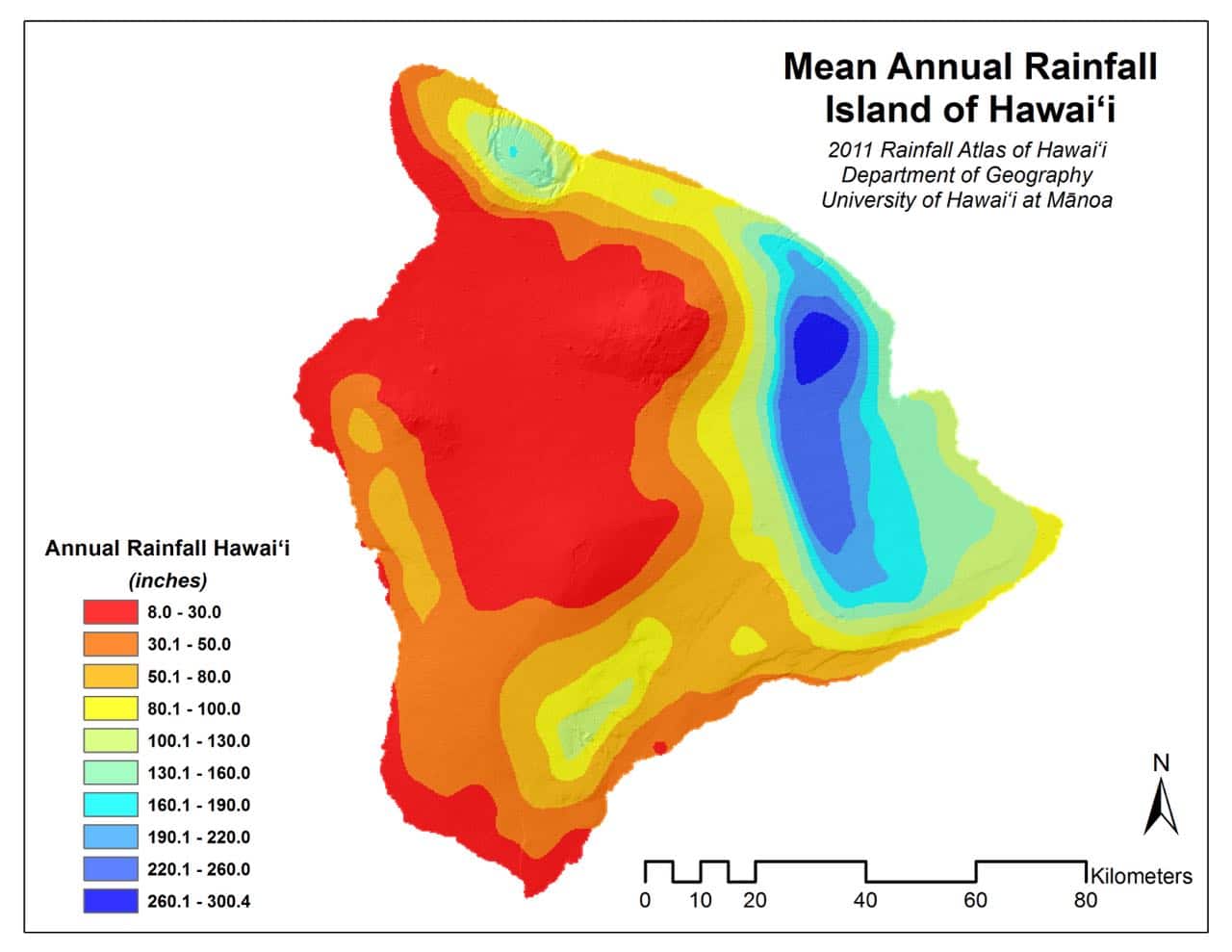
One of the most fascinating aspects of Hawaii is its diversity of microclimates. The islands are characterized by dramatic topography, with towering volcanic peaks that act as barriers to the moist trade winds. This creates a “windward” (wet) side and a “leeward” (dry) side on almost every island.
When the trade winds hit the mountains, the air is forced upward, cools, and releases its moisture as rain on the windward slopes. By the time the air crosses to the leeward side, it is much drier. Consequently, places like Kailua-Kona or Kihei remain relatively sunny even when the windward coasts are experiencing heavy showers. This regional variation is the most important factor for travelers to consider when choosing their home base during the winter months.
Navigating the Islands During the Wet Season
Each island reacts differently to the seasonal shifts, and the geography of each landmass dictates where the rain will fall most frequently. Whether you are staying in a bustling city or a remote coastal village, the local weather patterns will define your experience.
Oahu: From Honolulu to the North Shore
On Oahu, the “Gathering Place,” the weather during the rainy season is generally mild. Honolulu and the famous Waikiki beach area are located on the leeward south shore, meaning they are protected by the Koolau Range. While you may see clouds hugging the mountain peaks near Diamond Head, the coastal resorts often stay dry.
Conversely, the North Shore of Oahu becomes a focal point of activity during the wet season. This isn’t just because of the rain, but because the same winter storms that bring precipitation also generate massive swells in the Pacific Ocean. For surf enthusiasts, the rainy season is the only time to witness world-class competitions at Banzai Pipeline. While the rains might occasionally dampen a beach day, the sheer power of the winter surf is a landmark experience in itself. Sites like Pearl Harbor and Hanauma Bay remain accessible, though water clarity for snorkeling can be affected by runoff after heavy rains.
Maui: The Valley Isle’s Weather Patterns
Maui offers a stark contrast between its lush eastern rainforests and its sun-drenched western coastlines. During the rainy season, the Road to Hana becomes a dramatic theater of waterfalls. The frequent rains replenish the streams, making this the best time to see the island’s famous cascades in full force. However, travelers must exercise caution, as the winding road to Hana can become treacherous during heavy downpours.
For those seeking sun, the resort areas of Wailea and Lahaina (along with nearby Kaanapali) are the safest bets. These regions are in the rain shadow of the West Maui Mountains and Haleakala National Park. Even in January, you are likely to find dry, beach-friendly weather here. If you plan to summit Haleakala for sunrise, be prepared for temperatures that can drop below freezing, regardless of the rainfall at sea level.
Kauai: The Garden Isle’s Tropical Rains
Kauai is the oldest and lushest of the main islands, earning its nickname for a reason. It is home to Mount Waialeale, one of the wettest spots on Earth. On Kauai, the rainy season is felt more significantly than on the other islands. The northern coast, including Princeville and Hanalei Bay, receives substantial rainfall from November through March.
While the rain makes the Na Pali Coast spectacularly green and fuels the “Grand Canyon of the Pacific,” also known as Waimea Canyon, it can also lead to trail closures. The Kalalau Trail can become slippery and dangerous during these months. Travelers visiting during the winter often find more reliable sunshine on the south shore in Poipu. Despite the rain, the waterfalls of the interior, such as Wailua Falls, are at their most majestic during this time.
The Big Island: Kona vs. Hilo
The Big Island of Hawaii is so large that it contains almost all of the world’s climate sub-zones. The contrast between the two main hubs, Hilo and Kona, is legendary. Hilo is one of the wettest cities in the United States, and during the rainy season, it receives almost daily showers. This consistent moisture supports the incredible flora found at Akaka Falls and the Hawaii Tropical Botanical Garden.
On the opposite side, Kona remains remarkably dry. The massive peaks of Mauna Kea and Mauna Loa block the trade winds, creating a leeward oasis. Visitors to Volcanoes National Park should be prepared for unpredictable weather; the park’s elevation means it can be misty, rainy, and cool even when the coast is sunny.
Why Traveling During the Rainy Season Can Be Rewarding
While “rain” might sound like a deterrent, the wet season in Hawaii offers unique advantages that the dry summer months cannot replicate. For many experienced travelers, this is actually the preferred time to visit.
Lush Landscapes and Waterfall Views
The most immediate benefit of the rain is the transformation of the landscape. The emerald hues of the valleys become deeper and more vibrant. If you are an avid photographer or nature lover, the rainy season provides the best conditions for viewing waterfalls. Many of the smaller cascades on islands like Molokai and Lanai are seasonal and may dry up during the height of summer. In winter, they are revitalized, pouring over cliffs into the ocean in a display of raw natural power.
Surfing and Ocean Conditions
As mentioned, the winter months bring the big swells to the northern shores of all the islands. This is a “landmark” season for the global surfing community. Even if you aren’t a surfer, watching 30-foot waves crash against the shore is a humbling and awe-inspiring experience. Furthermore, the rainy season coincides with the peak of whale watching season. From December to May, thousands of humpback whales migrate to the warm Hawaiian waters to mate and give birth. The sight of a breaching whale against a backdrop of mist-covered mountains is a quintessential Hawaiian travel experience.
Essential Gear and Planning for a Tropical Getaway
Traveling during the rainy season requires a bit more foresight than a summer trip. The key is flexibility and proper preparation.
Packing for Humid Weather
The rain in Hawaii is rarely cold, with temperatures typically remaining in the 70s and 80s Fahrenheit. Therefore, heavy rain gear is often unnecessary and can cause you to overheat. A lightweight, breathable rain shell is the most important item to pack. Quick-drying fabrics are superior to cotton, which can stay damp and uncomfortable in the high humidity. If you plan on hiking, sturdy footwear with good traction is essential, as the volcanic soil becomes slick when wet.
Monitoring Local Forecasts and Advisories
The most important tip for rainy season travel is to keep a flexible schedule. If the forecast for the windward side looks grim, head to the leeward side for the day. Local weather apps and news stations are excellent resources for monitoring flash flood watches or high surf advisories. In Hawaii, rain is often a localized event; driving just 15 or 20 minutes can often take you from a downpour into bright sunshine.
By understanding the rhythms of the rain season, travelers can embrace the full spectrum of Hawaii beauty. Whether you are seeking the massive waves of the North Shore, the roaring waterfalls of Hilo, or the quiet, misty trails of Kauai, the rainy season is not a time to stay away—it is a time to see the islands at their most lush, powerful, and alive.
LifeOutOfTheBox is a participant in the Amazon Services LLC Associates Program, an affiliate advertising program designed to provide a means for sites to earn advertising fees by advertising and linking to Amazon.com. Amazon, the Amazon logo, AmazonSupply, and the AmazonSupply logo are trademarks of Amazon.com, Inc. or its affiliates. As an Amazon Associate we earn affiliate commissions from qualifying purchases.