
For many, Florida conjures images of endless sunshine, pristine beaches, and world-class theme parks. While the Sunshine State largely lives up to its name, it’s also home to a distinct “rainy season” that significantly impacts travel plans, tourism experiences, and daily lifestyle for both residents and visitors. Understanding when this wetter period occurs and what to expect is crucial for anyone planning a trip, especially when booking accommodation or crafting itineraries around specific attractions and landmarks. Far from being a continuous downpour, Florida’s rainy season is a unique meteorological phenomenon characterized by predictable patterns that, with a little foresight, can be navigated with ease and even leveraged for a more enjoyable and perhaps budget-friendly vacation.
Understanding Florida’s Wetter Months
Contrary to popular belief, Florida’s rainy season isn’t a dreary, monotonous stretch of grey skies. Instead, it’s a vibrant period that brings life to the state’s lush landscapes and offers a different kind of charm. Knowing its precise timing and the underlying reasons behind it can transform your perspective from apprehension to anticipation.
Defining the Rainy Season: A Calendar Overview
Generally, Florida’s rainy season kicks off in late May or early June and extends through late September or early October. This four-to-five-month window marks a significant shift from the drier, cooler conditions of winter and spring. During these months, the state experiences the majority of its annual rainfall. However, it’s vital to distinguish this from incessant rain. Most days feature brilliant sunshine for several hours, often giving way to intense, but typically brief, afternoon thunderstorms. These showers usually last for an hour or two before the sun reappears, leaving behind a refreshed landscape and often stunning evening skies.
This seasonal shift is particularly important for those planning family trips or extended stays in resorts and hotels. While peak summer coincides with the rainy season, it’s also a popular time for school holidays, meaning theme parks and coastal towns remain bustling. Travelers visiting during this period often find excellent deals on accommodation, especially in less demand periods, and might encounter fewer crowds immediately after a rain shower when some visitors retreat indoors.
The Mechanisms Behind the Monsoon: What Causes the Rain?
The science behind Florida’s rainy season is fascinating, largely driven by a combination of heat, humidity, and atmospheric dynamics. As summer approaches, the sun’s angle increases, intensifying solar radiation and leading to a significant rise in temperatures across the state. This heat, combined with vast expanses of warm water in the Gulf Coast and Atlantic Coast, causes massive evaporation, saturating the air with moisture.
Two primary forces then come into play:
- Sea Breeze Convergence: Florida is a peninsula, bordered by warm waters on three sides. Daily, cooler breezes from the Gulf Coast and the Atlantic Coast push inland. As these two air masses meet, they collide and are forced upwards, lifting the humid air to higher altitudes. This process creates what meteorologists call the “sea breeze front.”
- Convection: As the moist air rises, it cools, and the water vapor condenses into towering cumulonimbus clouds. These clouds quickly develop into thunderstorms, often accompanied by lightning, heavy rain, and sometimes strong winds. This convective process is the engine driving the majority of Florida’s summer showers.
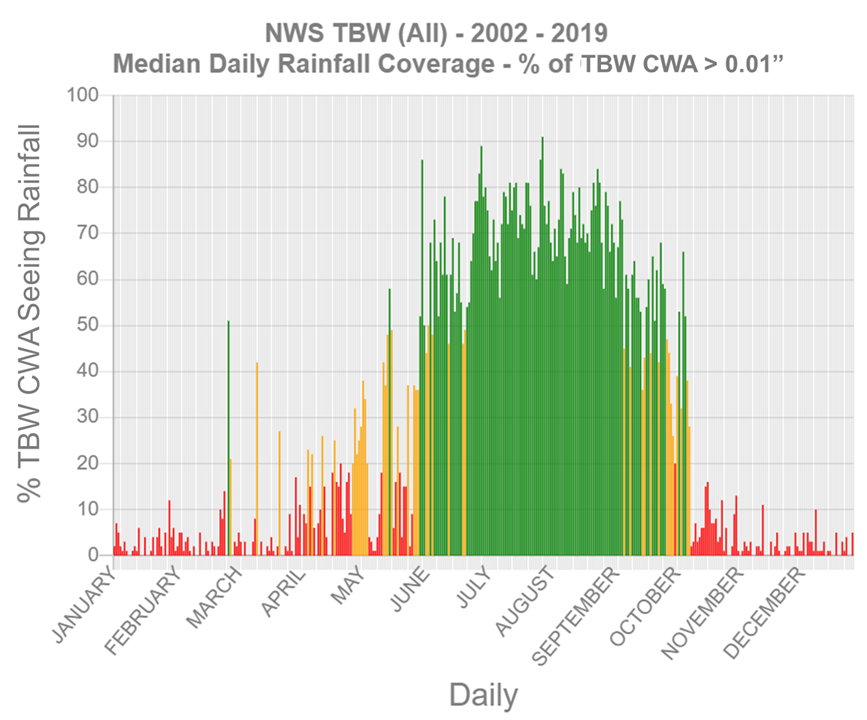
Occasionally, tropical waves or weak frontal systems moving through the region can enhance these conditions, leading to more widespread or prolonged rainfall. Understanding these mechanisms helps travelers appreciate that the rain is a natural, predictable part of the Florida summer, rather than a sign of consistently bad weather.
Regional Variations and Daily Weather Patterns
While the general framework of the rainy season applies statewide, there are subtle yet significant regional differences across Florida’s diverse geography. These variations can influence your travel experience depending on your chosen destination, from the tip of Key West to the Florida Panhandle.
South Florida: A Distinct Tropical Climate
South Florida, encompassing vibrant cities like Miami, Fort Lauderdale, Naples, and the iconic Florida Keys, experiences the most pronounced and extended rainy season. Here, the climate leans more tropical, characterized by higher year-round humidity and consistently warm temperatures. The rainy season often starts earlier, sometimes in mid-May, and can extend well into October. The daily downpours tend to be more intense and, at times, more widespread than in other parts of the state.
The constant humidity ensures that even after a storm, the air remains thick with moisture. This region’s proximity to the tropics also means it’s more susceptible to influences from tropical waves and depressions, which can bring more organized and prolonged rainfall. For nature experiences like airboat rides in Everglades National Park, the rainy season affects water levels, which can, in turn, influence wildlife viewing opportunities. Hotels and resorts in South Florida are well-equipped for this climate, often featuring expansive indoor common areas, covered walkways, and excellent drainage systems.

Central Florida and the Panhandle: Influences of Frontal Systems
Central Florida, home to major tourism hubs like Orlando, Tampa, Sarasota, and St. Petersburg, also experiences a robust rainy season, but with slightly different nuances. While the sea breeze convergence is still the primary driver, Central Florida can sometimes be influenced by lingering cold fronts from the north, even in summer, which can either enhance or temporarily suppress rainfall. The storms here are typically classic pop-up afternoon thunderstorms – intense but often localized and brief.
Further north, in the Florida Panhandle (including cities like Panama City Beach, Pensacola, and Tallahassee), the rainy season can be a bit shorter and slightly less humid compared to South Florida. While afternoon storms are still common, this region is more prone to receiving rainfall from larger-scale weather systems that track across the southern U.S., particularly as the season progresses into late summer and fall. For those planning visits to the renowned beaches of the Florida Panhandle, mornings are almost always the best time for uninterrupted sunshine and calm waters.
The Daily Rhythm of Summer Showers
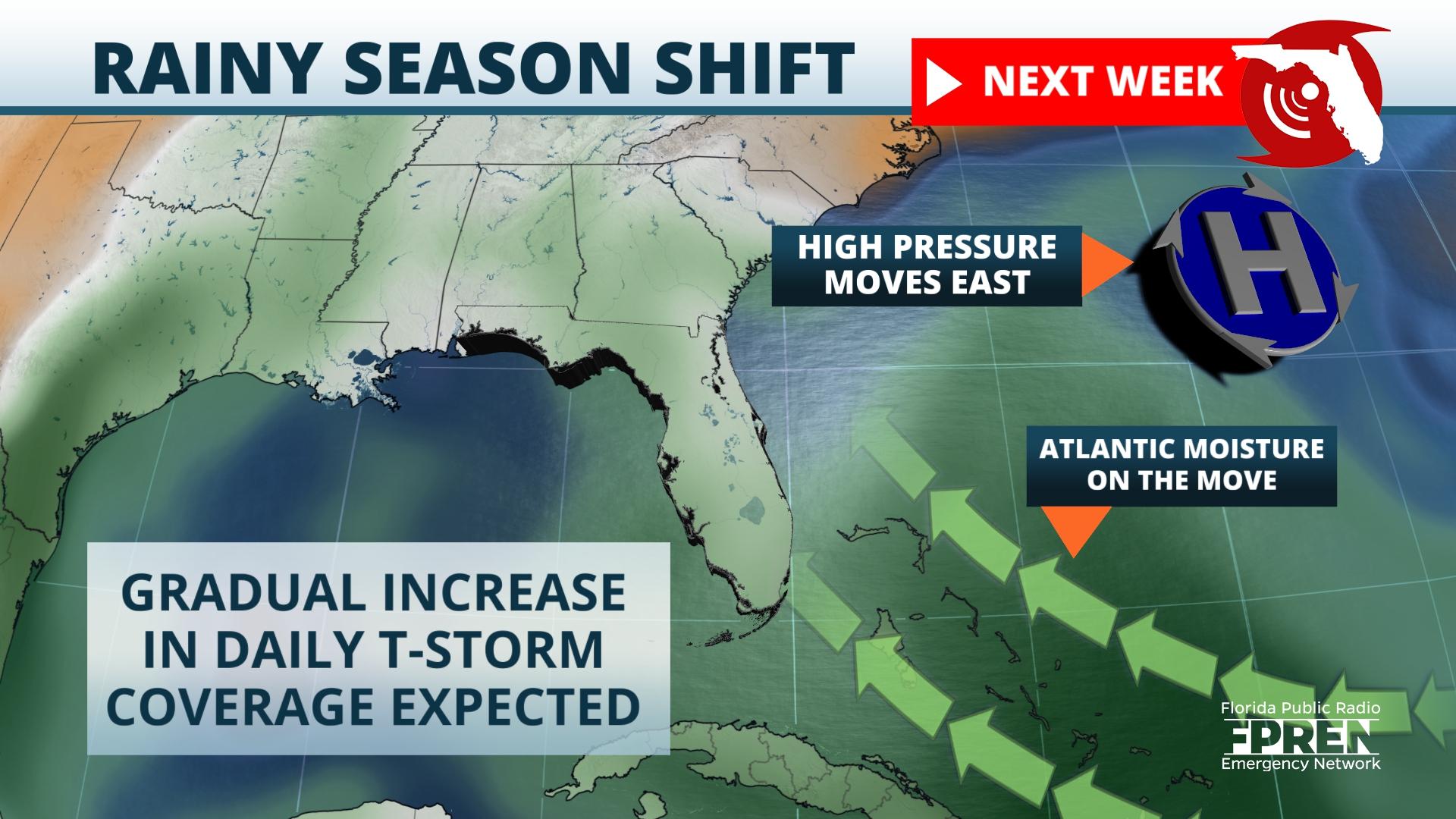
Regardless of the specific region, the quintessential experience of Florida’s rainy season follows a predictable daily rhythm. Most mornings begin bright and sunny, offering perfect conditions for outdoor activities, beach visits, or exploring landmarks. As the day progresses and temperatures climb, moisture builds, leading to the development of impressive cumulus clouds by early afternoon. By 2 PM or 3 PM, these clouds typically unleash a powerful thunderstorm.
These storms, while dramatic with their heavy rain and frequent lightning, are often short-lived. They might last anywhere from 30 minutes to a couple of hours. Afterward, the skies often clear, and the air feels momentarily cooler and fresher. Evenings are frequently beautiful, with vibrant sunsets casting spectacular colors across the post-storm atmosphere. This predictability allows savvy travelers to plan their day around the weather. For instance, enjoying outdoor attractions or poolside relaxation in the morning, and then using the afternoon shower for lunch, indoor experiences, or a nap before resuming outdoor activities in the cooler, clear evening. Many hotels and resorts with extensive amenities are designed to accommodate this pattern, offering sheltered common areas, indoor pools, and entertainment options.
Navigating Florida During the Rainy Season
Visiting Florida during its rainy season requires a different approach to planning, but it’s far from a deterrent. With the right mindset and preparation, you can still enjoy an incredible vacation, taking advantage of unique opportunities and a potentially more relaxed atmosphere.
The Overlap with Hurricane Season
It’s critical to note that Florida’s rainy season significantly overlaps with the Atlantic Hurricane Season, which runs from June 1st to November 30th. While daily afternoon thunderstorms are a normal occurrence, hurricanes and tropical storms are far less frequent but can have a much more severe impact on travel plans. These events bring prolonged heavy rain, strong winds, and potential flooding, leading to closures of attractions, flight cancellations, and mandatory evacuations.
When traveling during hurricane season, it’s advisable to:
- Monitor forecasts: Stay updated with information from the National Hurricane Center and local news outlets.
- Consider travel insurance: Comprehensive policies can protect your investment in flights, hotels, and other bookings in case of a storm-related cancellation or disruption.
- Choose flexible booking options: Opt for refundable accommodation and flight tickets where possible.
- Have a contingency plan: Discuss with your hotel or resort their policies in case of an approaching storm.
While the risk of a direct hit from a major hurricane is relatively low in any given year, awareness and preparation are key to a stress-free trip during this period.
Planning Your Activities: Embracing Flexibility
Successful travel during the rainy season hinges on flexibility and strategic planning. Instead of letting the rain dictate your day, integrate it into your itinerary:
- Morning Outdoor Activities: Schedule beach trips, theme park visits to Walt Disney World Resort or Universal Orlando Resort, golfing, or outdoor attractions for the mornings when sunshine is most prevalent.
- Mid-Afternoon Indoor Retreats: Use the predictable afternoon showers as an opportunity for indoor experiences. This could mean a leisurely lunch, visiting a museum, shopping, or enjoying the indoor amenities at your hotel or resort.
- Post-Storm Adventures: Many theme parks and outdoor attractions see a dip in crowds immediately after a rain shower, making it an excellent time to revisit your favorite rides or exhibits with shorter lines. The cooler, cleaner air is also a bonus.
- Pack Smart: Always carry a lightweight rain jacket or umbrella. Quick-drying clothing and waterproof shoes can also be incredibly useful.
- Stay Hydrated: Even on rainy days, Florida’s humidity is high, so drinking plenty of water is essential.
Many modern resorts and vacation apartments or villas are designed with the rainy season in mind, offering extensive indoor entertainment, dining, and spa options, ensuring your vacation isn’t entirely dependent on the weather.
Must-Do Indoor and Rain-Friendly Activities
Florida boasts a wealth of indoor attractions and activities perfect for those rainy afternoon breaks. Diversifying your itinerary with these options ensures your travel plans remain robust:
- Theme Parks: While largely outdoor, major theme parks like Walt Disney World Resort, Universal Orlando Resort, Busch Gardens Tampa Bay, and SeaWorld Orlando have numerous indoor shows, restaurants, shops, and covered queues. Some rides are entirely indoors.
- Museums and Cultural Centers:
- The Kennedy Space Center Visitor Complex offers many indoor exhibits, interactive displays, and theaters.
- In Fort Lauderdale, the Museum of Discovery and Science is a fantastic option for families.
- Miami offers the impressive Pérez Art Museum Miami and Frost Science Museum.
- St. Petersburg is home to the world-renowned Salvador Dalí Museum.
- St. Augustine features the St. Augustine Pirate & Treasure Museum and Ripley’s Believe It or Not!.
- In Fort Myers, the IMAG History & Science Center is great for all ages.
- Aquariums and Zoos (with indoor exhibits):
- The Florida Aquarium in Tampa provides extensive indoor marine life viewing.
- Zoo Miami and Gatorland in Orlando have several covered and indoor sections.
- The Mote Marine Laboratory & Aquarium in Sarasota is another excellent indoor option.
- Shopping and Entertainment: Florida boasts numerous impressive malls, outlet centers, and indoor entertainment complexes (like arcades, laser tag arenas, and movie theaters) in cities such as Orlando, Miami, and Jacksonville.
- Spa Days and Fine Dining: Many luxury hotels and resorts offer world-class spas and gourmet dining experiences, providing a perfect escape from the rain.
Integrating these attractions into your itinerary ensures that a sudden shower doesn’t put a damper on your vacation fun.
Beyond the Rain: Finding the Best Time for Your Florida Adventure
While the rainy season is a significant aspect of Florida’s climate, it’s just one part of the year. Depending on your priorities – whether it’s avoiding rain, dodging crowds, or stretching your budget – different times of the year offer distinct advantages for your Florida travel experiences.
Ideal Times for Dry Weather and Cooler Temperatures
For those who prioritize sunshine and lower humidity, the period from late fall to late spring (roughly November through April) is generally considered the “dry season” and the most pleasant time to visit Florida.
- November to February: This is peak season, especially for destinations like Miami, Key West, and the Gulf Coast. Temperatures are mild to warm, humidity is low, and sunshine is abundant. It’s ideal for outdoor activities such as golf, exploring natural landmarks, or simply relaxing on the beach. However, this also means higher accommodation prices and larger crowds at popular attractions.
- March and April: These months offer a sweet spot with warm temperatures, still-low humidity, and minimal rainfall. It’s a fantastic time for spring break travel, but can also bring large crowds to theme parks and coastal areas.
Balancing Crowds and Weather: Shoulder Seasons
If you’re looking to strike a balance between good weather and fewer crowds, the shoulder seasons are your best bet:
- Late April to Mid-May: The weather is warm, often hot, but the intense humidity and daily rain showers of summer haven’t fully set in yet. Crowds start to thin out after spring break, making it an excellent time for theme park visits and enjoying outdoor activities without the peak-season hustle. Hotels and resorts may offer better rates.
- Late October to Mid-November: After the rainy season winds down and the peak of hurricane season passes, Florida enters a delightful period. The humidity drops significantly, temperatures are comfortably warm, and rainfall is minimal. This is arguably one of the best times for outdoor exploration, beach days, and enjoying local tourism without the major holiday crowds or summer heat.
Unlocking Budget-Friendly Travel: Off-Peak Opportunities
Paradoxically, the rainy season (summer and early fall) can be the best time for budget-conscious travelers to Florida.
- Lower Prices: With schools out of session, many families still flock to Florida, but overall tourism demand outside of major holidays tends to decrease compared to the winter months. This often translates to lower prices for flights, hotels, villas, and apartments.
- Fewer Crowds (sometimes): While theme parks can still be busy, other attractions and beaches might see fewer visitors, especially immediately following a rain shower or on weekdays.
- Unique Experiences: The vibrant, lush greenery that flourishes during the rainy season offers a different aesthetic appeal to natural landmarks. Water levels are higher in wetlands like the Everglades National Park, which can affect wildlife viewing.
Visiting during the rainy season is a choice of lifestyle and travel preference. It means being prepared for humidity and afternoon downpours, but it also offers a chance to experience Florida with potentially lighter crowds and more budget-friendly accommodation options.
In conclusion, Florida’s rainy season is a fundamental part of its subtropical climate, primarily occurring from late May/early June to late September/early October. Characterized by intense, brief afternoon thunderstorms, it’s a period that requires smart planning but by no means should deter visitors. By understanding the regional nuances, embracing flexibility, and exploring the wealth of indoor attractions and comfortable hotel amenities, travelers can still enjoy the Sunshine State to its fullest. Whether you prefer the dry, cool winters or are ready to embrace the vibrant, wetter summers for a unique and perhaps more economical experience, Florida always has something special to offer.
LifeOutOfTheBox is a participant in the Amazon Services LLC Associates Program, an affiliate advertising program designed to provide a means for sites to earn advertising fees by advertising and linking to Amazon.com. Amazon, the Amazon logo, AmazonSupply, and the AmazonSupply logo are trademarks of Amazon.com, Inc. or its affiliates. As an Amazon Associate we earn affiliate commissions from qualifying purchases.