
For avid anglers and seafood connoisseurs alike, the question, “When is red snapper season in Florida?” isn’t just a query about dates; it’s an inquiry into an annual pilgrimage, a highly anticipated event that defines a significant portion of the state’s recreational fishing calendar. The red snapper (Lutjanus campechanus) is one of the most sought-after fish species in the Gulf of Mexico and the Atlantic Ocean, renowned for its striking red hue, formidable fighting spirit, and delectable white meat. Its regulated season is a testament to the importance of sustainable fisheries management, balancing the thrill of the catch with the imperative of conservation. Navigating the nuances of federal and state regulations, which often differ and evolve, is crucial for anyone planning a Florida fishing adventure centered around this prized species. Understanding these dynamics is key to unlocking a memorable and legal red snapper experience in the Sunshine State.

Understanding the Allure of Florida’s Red Snapper
The red snapper holds a special place in the hearts of anglers and gourmands, making its season a significant event for Florida’s tourism and local culture. This deep-water dweller is not just a fish; it’s an icon of the Gulf Coast and beyond, symbolizing both a challenging catch and a culinary delight.
Why Red Snapper Fishing is a Premier Florida Activity
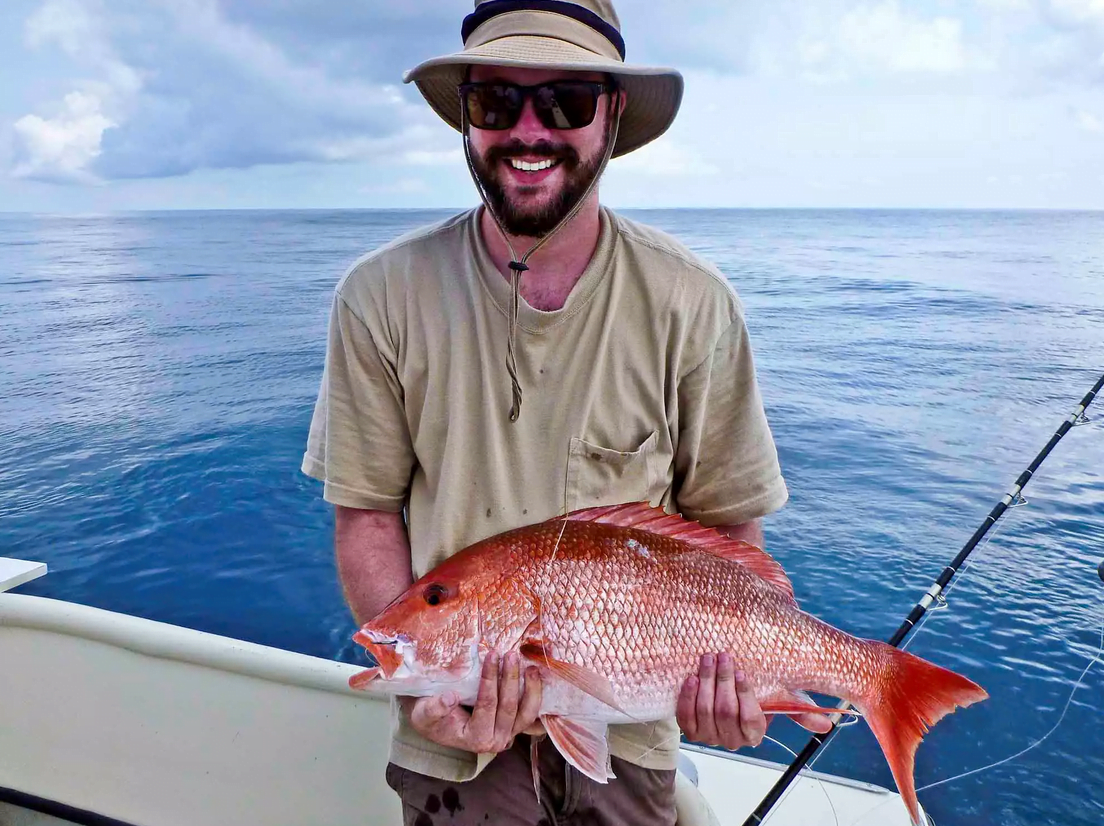
Red snapper fishing offers an unparalleled experience, drawing thousands to Florida’s coastal waters each year. The fish itself is a formidable opponent, known for its powerful runs and strong fight once hooked. Anglers cherish the challenge of reeling in a large snapper, often encountering specimens that can weigh upwards of 20 pounds. The thrill of the chase, combined with the anticipation of a bountiful harvest, makes it a top-tier recreational activity. Beyond the sport, the red snapper’s reputation for exceptional taste is a major draw. Its firm, flaky white meat is versatile and delicious, whether grilled, fried, baked, or pan-seared, making it a star on any dinner table. For many, the experience isn’t complete without enjoying their fresh catch, often prepared shortly after returning to shore. This blend of sport and gastronomy elevates red snapper fishing from a mere pastime to a significant cultural and economic driver for coastal communities across Florida.
The Economic and Ecological Importance of the Fishery
The red snapper fishery is not merely a recreational pursuit; it is a vital component of Florida’s economy and a critical indicator of marine ecosystem health. Commercial and recreational fishing for red snapper generates millions of dollars annually, supporting bait and tackle shops, charter boat operations, seafood markets, restaurants, and related hospitality industries in towns like Destin, Panama City Beach, and Key West. The influx of tourists and seasonal residents specifically for red snapper season significantly boosts local economies, creating jobs and fostering vibrant coastal communities.
Ecologically, red snapper play an important role in the marine food web. They are a long-lived species, with some individuals reaching over 50 years of age, and serve as both predator and prey within their habitat. The rigorous management of their populations by agencies like the National Oceanic and Atmospheric Administration (NOAA) and the Florida Fish and Wildlife Conservation Commission (FWC) is crucial for maintaining healthy fish stocks and the overall balance of the marine ecosystem. These regulations, while sometimes contentious, are designed to prevent overfishing and ensure that future generations can also enjoy the thrill of red snapper fishing. The sustainable management of this fishery is a complex dance between economic interests, recreational demand, and scientific conservation efforts, reflecting its profound importance to both human society and the natural world.
Decoding the Annual Red Snapper Season
Understanding when red snapper season opens and closes in Florida is arguably the most critical piece of information for any angler. Unlike other species with relatively fixed seasons, the red snapper season is dynamic, influenced by a complex interplay of scientific assessments, catch quotas, and management strategies.
Federal Versus State Regulations: A Complex Landscape
The primary reason for the often-confusing and variable red snapper season dates in Florida lies in the dual jurisdiction over the species. The waters off Florida’s coast are divided into state waters and federal waters. Generally, state waters extend 9 nautical miles into the Gulf of Mexico and 3 nautical miles into the Atlantic Ocean. Beyond these limits lie federal waters.
Federal Waters: In the Gulf of Mexico, federal red snapper season is managed by the Gulf of Mexico Fishery Management Council and NOAA Fisheries. The season length and specific dates are determined annually based on stock assessments, projected recreational harvest, and established quotas. These federal seasons are typically short, often lasting only a few weeks to a month, usually opening in early summer (e.g., June or July). The season is designed to ensure the recreational quota is not exceeded, which is critical for the long-term health of the stock. For Florida anglers targeting red snapper in federal waters, adherence to these dates is paramount.
State Waters: Florida has the authority to set its own red snapper season within its state waters. In recent years, due to increasing flexibility from federal management, Florida has often been able to establish a state-specific season that can be longer or occur at different times than the federal season. This state season allows Florida anglers, especially those without vessels capable of reaching federal waters, more opportunities to fish for red snapper. The FWC is responsible for setting these state-water regulations, and they often coordinate with federal agencies to ensure a consistent approach where possible, while also advocating for Florida’s recreational fishing interests. Anglers must be aware of which waters they are fishing in and comply with the corresponding regulations.
Key Factors Influencing Season Dates
Several factors contribute to the variability and determination of red snapper season dates:
- Stock Assessments: Scientists regularly assess the health and population size of the red snapper stock. These assessments provide the biological basis for setting catch limits.
- Catch Quotas: Based on stock assessments, federal and state managers establish total allowable catch (TAC) quotas for both commercial and recreational sectors. The recreational quota is then allocated among the various states bordering the Gulf of Mexico.
- Projected Harvest: Managers use historical data and angler effort projections to estimate how long it will take for the recreational quota to be met. This determines the season length.
- Public Input: Fisheries management councils and state agencies conduct public hearings and solicit feedback from anglers, charter captains, and other stakeholders, which can influence season structures and dates.
- Interstate Coordination: Especially in the Gulf of Mexico, efforts are made to coordinate seasons among the five Gulf states (Texas, Louisiana, Mississippi, Alabama, and Florida) to provide consistent opportunities while staying within regional quotas.
How to Stay Informed About Season Openings
Given the dynamic nature of red snapper season, staying informed is paramount. Anglers should utilize reliable, official sources for the most up-to-date information:
- Florida Fish and Wildlife Conservation Commission (FWC) Website: The FWC is the primary source for Florida state waters regulations. Their website (MyFWC.com) is regularly updated with season dates, bag limits, and other rules.
- NOAA Fisheries Website: For federal waters regulations, NOAA Fisheries provides updates, typically releasing season announcements well in advance.
- Gulf of Mexico Fishery Management Council (GMFMC) Website: The GMFMC website offers detailed information on the scientific basis for federal management decisions and meeting schedules where seasons are often discussed.
- Local Fishing Charters and Bait Shops: Experienced charter captains and local bait shop owners are excellent resources. They are often among the first to hear about season updates and can provide practical advice for fishing during the open season.
- Fishing Apps and Newsletters: Several mobile apps and email newsletters from fishing organizations or marine news outlets provide timely alerts on season openings and closures.
Checking these sources frequently, especially in the months leading up to summer, is essential for planning a successful red snapper fishing trip in Florida.
Essential Gear and Techniques for a Successful Trip
Once the red snapper season dates are confirmed, planning the actual fishing trip requires careful consideration of gear, techniques, and safety. A well-prepared angler significantly increases their chances of a successful and enjoyable outing.
Choosing the Right Charter and Equipment

For many visitors to Florida, especially those unfamiliar with offshore fishing or who don’t own a suitable vessel, booking a reputable fishing charter is the ideal way to pursue red snapper.
- Charter Selection: Look for captains with extensive experience targeting red snapper. Check reviews, ask for references, and inquire about their catch rates. Ensure the charter is licensed, insured, and operates a well-maintained, safe vessel. Discuss whether they focus on federal or state waters, as this impacts the available season dates and fishing grounds. Charters in popular fishing hubs like Pensacola, Sarasota, and Fort Myers often specialize in snapper.
- Rod and Reel: Heavy-duty conventional or spinning setups are preferred. A stout rod in the 6-7 foot range with a fast action tip and a strong backbone, paired with a reel capable of holding 200-300 yards of 50-80 lb braided line, is standard. Red snapper are powerful, and you need gear that can withstand their fight, especially when pulling them away from structure.
- Terminal Tackle: Use strong, sharp hooks (e.g., 6/0 to 9/0 circle hooks are often mandatory in federal waters to reduce gut-hooking) tied with 60-100 lb fluorocarbon or monofilament leader. Weight is crucial to get bait down to deep-water snapper, so carry a variety of lead weights (4-12 oz, or even heavier depending on current). Swivels and snaps should be heavy-duty.
- Bait: Red snapper are opportunistic feeders. Live bait such as pilchards, pinfish, cigar minnows, or small mullet are highly effective. Cut bait like squid, bonita strips, or mackerel chunks also work well. Frozen sardines are a cost-effective option for chumming or baiting.
Effective Fishing Methods and Best Practices
Targeting red snapper effectively involves specific strategies, particularly given their preference for deep, structured environments.
- Locating Structure: Red snapper are almost always found near submerged structures – natural reefs, wrecks, artificial reefs, oil rigs, and even ledges. Using a good fish finder and GPS is essential for locating these spots. Charter captains will have extensive knowledge of productive fishing grounds.
- Anchoring or Drifting: Depending on current and structure type, you might anchor up-current from a spot and allow your bait to drift into the fish, or you might drift over a larger area, dropping baits as you go. Both methods have their advantages.
- Bottom Fishing: The most common method is bottom fishing. Drop your baited rig to the bottom, reel up a few feet to avoid snags, and wait for a bite. Red snapper bites can range from subtle taps to aggressive tugs.
- “Knocking” for Bites: Often, gently bouncing the weight on the bottom can attract attention. When you feel a bite, allow the fish to take the bait for a moment before setting the hook firmly (especially with J-hooks; circle hooks typically set themselves).
- Proper Fish Handling: Red snapper are susceptible to barotrauma when brought up from deep water (their swim bladder expands). Learn how to properly vent or use a descending device to release any undersized or out-of-season fish to increase their survival rate. This is not only good practice but often a legal requirement.
Adhering to bag limits and size regulations is non-negotiable. Always consult the latest FWC and NOAA Fisheries guidelines before and during your trip.
Beyond the Catch: Culinary Delights and Conservation
The red snapper experience extends far beyond the moment of the catch, encompassing both the satisfaction of a fresh meal and the responsibility of preserving the fishery for future generations.
Savoring Your Catch: Florida Red Snapper Recipes
The culinary appeal of red snapper is one of its most significant draws. Its lean, firm, white flesh holds up well to various cooking methods, making it a favorite among chefs and home cooks.
- Grilled Red Snapper: A popular choice, grilling whole snapper or thick fillets with a simple marinade of olive oil, lemon, garlic, and herbs (like parsley or cilantro) highlights its natural flavors.
- Baked Red Snapper: Baking whole snapper stuffed with aromatics such as citrus slices, onions, and herbs, often with a white wine sauce, results in a moist and flavorful dish.
- Fried Red Snapper: For a classic Southern touch, red snapper fillets can be lightly battered (cornmeal or flour-based) and pan-fried or deep-fried until golden and crispy.
- Ceviche: For those who appreciate raw preparations, red snapper makes an excellent ceviche. Cubed fish “cooked” in citrus juices (lime, lemon) with red onion, cilantro, and chili peppers is a refreshing treat.
- Tacos and Sandwiches: Flaked, cooked red snapper, whether grilled or fried, makes for fantastic fish tacos or sandwiches, topped with fresh slaw, salsa, or a zesty aioli.
Enjoying your fresh catch is a quintessential part of the Florida red snapper experience, providing a direct connection from the ocean to your plate.
Sustainable Fishing Practices and Responsible Angling
The popularity and deliciousness of red snapper come with a responsibility: ensuring the sustainability of the fishery. Anglers play a crucial role in conservation efforts.
- Adhere to Regulations: Strictly follow all size limits, bag limits, and season dates set by federal and state agencies. These regulations are scientifically determined to ensure the stock remains healthy.
- Proper Release Techniques: For undersized fish or those caught out of season, proper release is critical. Use dehooking tools to minimize injury, and if fishing in deep water, use a descending device (like a seaqualizer or similar tool) to recompress the fish and return it to depth, significantly increasing its survival chances from barotrauma.
- Minimize Bycatch: Use selective fishing methods and baits to reduce the capture of non-target species.
- Respect the Environment: Avoid discarding trash, fishing line, or other pollutants into the ocean. Report any illegal fishing activities to the authorities.
- Support Research: Participate in angler surveys or citizen science programs if available, as the data collected helps scientists better understand fish populations.
Responsible angling ensures that the red snapper fishery remains robust for current and future generations of anglers and seafood lovers, preserving both the ecological balance and the cultural heritage of fishing in Florida.
Planning Your Ultimate Florida Fishing Adventure
Embarking on a red snapper fishing trip in Florida is more than just a day on the water; it’s an immersive tourism experience that can be integrated into a broader Florida vacation. Thoughtful planning can enhance the entire adventure.
Top Destinations for Red Snapper Fishing
While red snapper can be found throughout Florida’s Gulf Coast and even some parts of the Atlantic, certain regions are particularly renowned for their red snapper opportunities and robust charter fleets.
- Florida Panhandle: Areas like Destin (dubbed the “World’s Luckiest Fishing Village”), Panama City Beach, and Pensacola are premier destinations. They offer extensive artificial and natural reef systems in federal waters, often yielding large red snapper. The infrastructure for tourism, including hotels, restaurants, and marinas, is well-developed here.
- Tampa Bay Area: Cities like St. Petersburg, Clearwater, and Tampa provide access to productive Gulf of Mexico waters. The extensive port systems and numerous offshore wrecks make these excellent departure points.
- Southwest Florida: From Sarasota down to Naples and Fort Myers, anglers can find excellent red snapper fishing grounds, often characterized by a mix of natural and artificial reefs.
- Florida Keys: While more known for pelagic species and reef fish, the deeper waters around the Florida Keys also hold red snapper, particularly in areas off Key West and Islamorada. However, the primary red snapper fishery and season length are generally more robust in the Gulf of Mexico part of Florida.
When selecting a destination, consider not only the fishing opportunities but also the amenities and attractions available for companions or for enjoying before or after your fishing excursion.
Combining Your Fishing Trip with Other Florida Experiences
A red snapper fishing trip can be the highlight of a much broader Florida vacation. Florida offers a diverse range of activities that can perfectly complement your angling adventure:
- Beach Relaxation: Many of the best fishing destinations are also home to some of the world’s most beautiful beaches. Spend a day relaxing on the white sands of Siesta Key, Clearwater Beach, or those in the Panhandle.
- Theme Parks: For families, combine your fishing trip with a visit to Orlando’s world-famous theme parks, just a few hours’ drive from most coastal areas.
- Ecotourism and Wildlife: Explore Florida’s unique ecosystems, from the Everglades to countless state parks and wildlife refuges. Kayaking, paddleboarding, birdwatching, and airboat tours offer different perspectives of Florida’s natural beauty.
- Culinary Exploration: Beyond your own catch, Florida’s coastal towns offer fantastic seafood restaurants where you can sample local delicacies and other fresh-from-the-ocean fare. Many restaurants will even cook your fresh catch for you.
- Cultural Attractions: Visit museums, historic sites, or explore vibrant urban centers like Miami or St. Augustine to immerse yourself in Florida’s rich history and diverse culture.
Ultimately, “When is red snapper season in Florida?” is a question that opens the door to a truly memorable tourism experience. By staying informed, preparing thoroughly, and embracing responsible practices, anglers can enjoy the thrill of the catch, the delight of the meal, and the beauty of Florida’s coastal environment, all while contributing to the sustainability of this cherished resource.
LifeOutOfTheBox is a participant in the Amazon Services LLC Associates Program, an affiliate advertising program designed to provide a means for sites to earn advertising fees by advertising and linking to Amazon.com. Amazon, the Amazon logo, AmazonSupply, and the AmazonSupply logo are trademarks of Amazon.com, Inc. or its affiliates. As an Amazon Associate we earn affiliate commissions from qualifying purchases.