
Chicago Restaurant Week is one of the most anticipated culinary events in the United States, transforming the vibrant city of Chicago into a gastronomic paradise. For both locals and visitors, understanding its timing, offerings, and strategic planning is crucial to fully savoring this unique experience. This annual celebration of Chicago’s diverse and world-renowned food scene offers an unparalleled opportunity to explore hundreds of restaurants, from Michelin-starred establishments to beloved neighborhood gems, all at special prix fixe prices. It’s an event that encapsulates the spirit of Chicago – innovation, community, and an unyielding passion for exceptional cuisine.
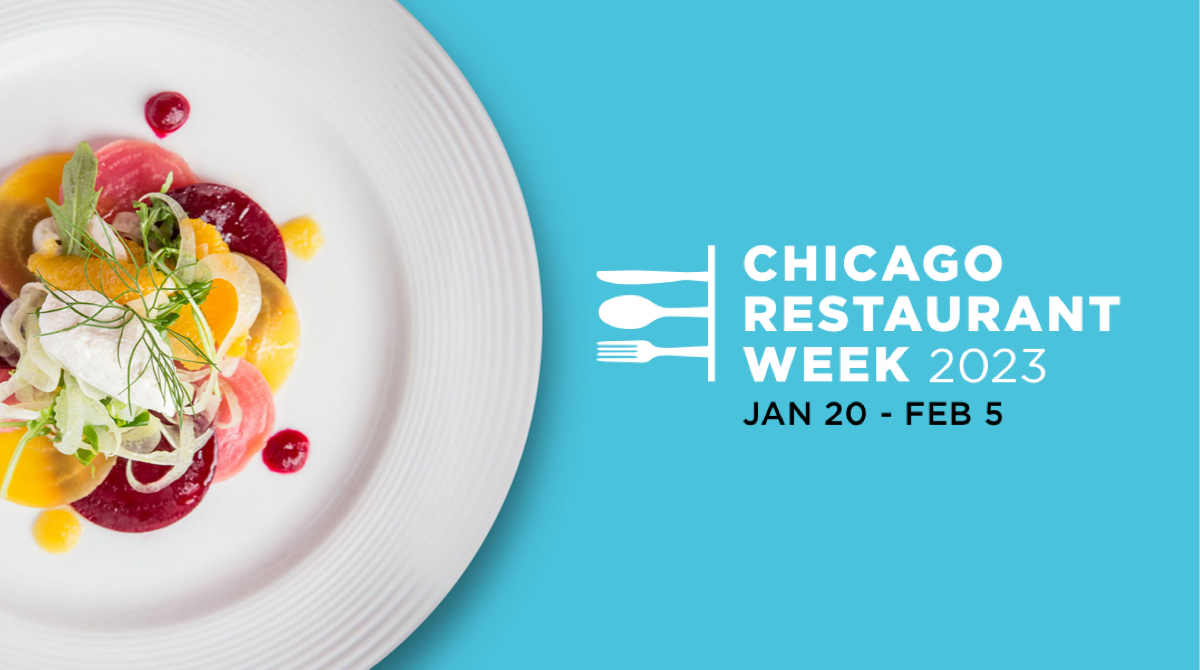
Understanding Chicago Restaurant Week: A Culinary Celebration
Chicago Restaurant Week is more than just an opportunity for discounted dining; it is a city-wide festival designed to highlight the breadth and depth of Chicago’s culinary landscape. Initiated by Choose Chicago, the city’s official tourism organization, the event aims to drive traffic to restaurants during what is typically a slower period for the hospitality industry. Over the years, it has grown exponentially, attracting thousands of diners and becoming a significant draw for culinary tourists.
The Essence of Restaurant Week
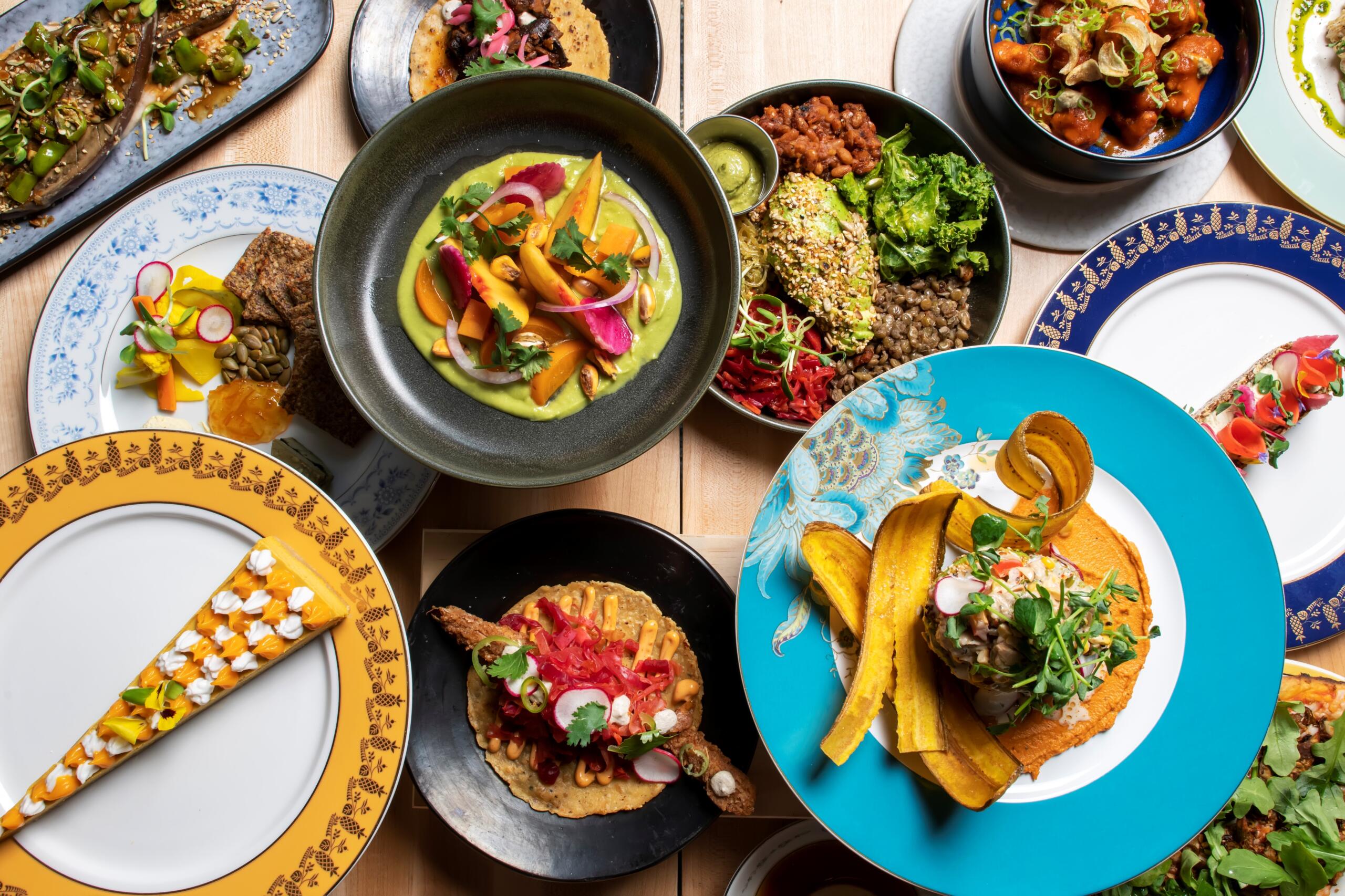
At its core, Chicago Restaurant Week provides an accessible entry point into the city’s often exclusive or high-end dining scene. Participating restaurants craft special multi-course menus for lunch and dinner at fixed price points. Typically, these include a two-course lunch option and a three-course dinner option, often featuring an appetizer, entrée, and dessert. These prices represent significant savings compared to ordering à la carte, making it an ideal time for diners to sample new cuisines, revisit old favorites, or indulge in establishments they might otherwise consider out of budget. The menus are carefully curated, often showcasing signature dishes or specially created items that highlight the chef’s creativity and the restaurant’s unique flair.
The fixed-price format encourages exploration, allowing diners to experience the full narrative of a meal from start to finish. It fosters an environment of culinary adventure, pushing guests to try different dishes and styles of cooking. From classic American fare and hearty steakhouses to authentic Italian, innovative Asian, and vibrant Latin American eateries, the diversity is staggering. This inclusivity ensures that every palate and preference is catered to, reinforcing Chicago’s reputation as a global food capital.
Why Chicago Shines During This Event
For tourists, Chicago Restaurant Week transforms a visit into a gourmet journey. It offers a structured yet flexible way to immerse oneself in local culture through its most delicious medium: food. Beyond just eating, it’s an opportunity to experience the city’s famed hospitality, discover hidden gems in various neighborhoods, and understand the pulse of Chicago’s communities. Each meal can become a cultural touchpoint, from the bustling energy of River North and West Loop to the more intimate settings in Lincoln Park or Hyde Park.
The event also stimulates local economies, bringing significant revenue to restaurants, suppliers, and related service industries during a traditionally slow season. It’s a win-win: diners get exceptional value and culinary experiences, while businesses gain exposure and support. This collaborative spirit further solidifies Chicago’s position as a top-tier travel destination, not just for its iconic architecture and world-class museums, but also for its unparalleled gastronomic prowess. The buzz surrounding Chicago Restaurant Week is palpable, creating a festive atmosphere throughout the city that adds another layer of enjoyment to any visit.
Pinpointing the Dates: When to Mark Your Calendar
The critical question for anyone planning a culinary adventure is, of course, “When is Chicago Restaurant Week?” While the exact dates vary slightly each year, there’s a consistent window to keep in mind.
Typical Timing and Annual Variations
Historically, Chicago Restaurant Week takes place in late January and early to mid-February. This timing is strategic, designed to invigorate the restaurant scene during the post-holiday lull, a period when dining out typically sees a dip. The event usually spans about two weeks, offering ample time for diners to book multiple reservations and explore different culinary offerings.
For example, past iterations have often started on the last Friday of January and concluded about two weeks later on a Sunday. However, it is essential to note that these dates are subject to change annually based on city events, calendar shifts, and strategic decisions by Choose Chicago. While the general window of late winter remains consistent, relying on previous years’ exact dates can lead to missed opportunities. Therefore, proactive information gathering is key.
Staying Informed: Official Sources and Early Bird Tips
To get the most accurate and up-to-date information, the official Choose Chicago website is the primary and most reliable source. They typically announce the specific dates, participating restaurants, and menu details several weeks, if not months, in advance. Signing up for their newsletter or following their social media channels is highly recommended for early notifications.
Once the dates are announced, the next crucial step is to be ready when reservations open. Popular restaurants, especially those with Michelin stars or strong local followings, tend to book up very quickly. Many diners treat Chicago Restaurant Week as an opportunity to experience these establishments without the usual prohibitive price tag, leading to a swift sell-out of prime dining slots. Therefore, proactive planning and swift action are paramount. Creating a wishlist of target restaurants beforehand and having a flexible schedule will significantly increase your chances of securing desired reservations.
Maximizing Your Chicago Restaurant Week Experience
Successfully navigating Chicago Restaurant Week requires a bit of strategy, especially for tourists aiming to make the most of their visit.

Navigating the Restaurant Selection
With hundreds of restaurants participating, the sheer volume of choices can be overwhelming. A systematic approach helps. Start by reviewing the official list of participating restaurants when it’s released. Filter by cuisine type, neighborhood, and price point (while all are fixed, some might have optional add-ons or more premium offerings). Read recent reviews on platforms like Yelp or OpenTable to gauge current dining experiences.
Consider your priorities: Are you looking to try a restaurant that’s usually out of your price range? Do you want to explore a new neighborhood? Are you keen on a specific type of cuisine? Making a shortlist of 5-10 restaurants allows for flexibility if your top choices are unavailable. Don’t overlook the smaller, lesser-known eateries; they often provide some of the most memorable and authentic dining experiences during the event. Sometimes, these hidden gems offer incredibly creative menus designed to attract new clientele.
Booking Strategies for Popular Spots
As mentioned, demand for prime reservations can be intense. Here are some strategies:
- Be Ready When Reservations Open: Pay attention to the date and time reservations go live on the official website or through platforms like OpenTable.
- Be Flexible with Times and Days: Lunch slots are often easier to secure than dinner, and weekdays tend to be less competitive than weekends. Consider early dinner (5:00 PM – 6:00 PM) or late dinner (9:00 PM onwards) reservations.
- Utilize Waiting Lists: If your desired time is booked, put your name on the waiting list. Cancellations happen, especially closer to the date.
- Call Directly: While online booking is prevalent, sometimes calling the restaurant directly can yield unexpected results, especially for smaller establishments.
- Consider Walk-ins for Casual Spots: Some participating restaurants, particularly more casual ones, might reserve a portion of their seating for walk-ins. However, this is a gamble and less recommended for high-demand spots or groups.
Exploring Diverse Neighborhoods Through Food
One of the greatest joys of Chicago Restaurant Week for tourists is the opportunity to explore different neighborhoods through their culinary offerings. Instead of just sticking to the well-trodden paths of Magnificent Mile or Millennium Park, venture into:
- West Loop and Fulton Market: A former meatpacking district turned into Chicago’s hottest dining destination, home to many of the city’s trendiest and most acclaimed restaurants.
- Logan Square and Wicker Park: Known for their independent spirit, farm-to-table restaurants, and vibrant nightlife.
- Pilsen: A historic neighborhood offering incredible Mexican cuisine and vibrant street art.
- Andersonville: A charming area celebrated for its Swedish heritage and diverse array of independent eateries.
Pairing a meal in a new neighborhood with an exploration of its local shops, galleries, or attractions can create a more enriching and authentic travel experience.
Beyond the Prix Fixe: Complementary Chicago Experiences
While dining is the star during Chicago Restaurant Week, the city offers a wealth of other attractions and activities that perfectly complement your culinary journey.
Other Culinary Delights and Food Tours
Even if you’re primarily focused on Restaurant Week, don’t forget Chicago’s year-round culinary staples. A deep-dish pizza or a Chicago-style hot dog is a must for any first-time visitor. Consider joining a specialized food tour that focuses on specific neighborhoods or food types (e.g., pizza tours, chocolate tours). These tours often provide historical context and local insights that enhance your appreciation for Chicago’s food culture. Many neighborhoods also host local farmers’ markets or specialty food shops that are worth exploring for unique souvenirs or gourmet treats.
Must-Visit Attractions Near Dining Hubs
Plan your days to minimize travel and maximize enjoyment. For example, if you’re dining in River North, you’re just a short walk from the Magnificent Mile for shopping or a stroll along the Chicago Riverwalk. A meal in the Loop could be combined with a visit to the Art Institute of Chicago or Millennium Park, home to Cloud Gate (“The Bean”). Exploring Lincoln Park Zoo or the Peggy Notebaert Nature Museum could precede a meal in the charming Lincoln Park neighborhood.
Utilize Chicago’s excellent public transportation system (CTA) to seamlessly move between attractions and dining destinations. The city’s compact downtown and well-connected neighborhoods make it easy to combine cultural enrichment with gastronomic indulgence.
A Taste of Chicago’s Enduring Culinary Legacy
Chicago Restaurant Week is more than a fleeting event; it’s a testament to Chicago’s enduring legacy as a culinary powerhouse. It reflects the city’s dynamic food scene, which is constantly evolving yet deeply rooted in a tradition of innovation and quality.
The Economic and Cultural Impact
The economic impact of Chicago Restaurant Week is substantial, injecting millions of dollars into the local economy during a critical time. Beyond the financial benefits, its cultural impact is perhaps even more significant. It democratizes fine dining, making it accessible to a broader audience, and encourages a deeper appreciation for the artistry and hard work behind Chicago’s culinary achievements. It fosters a sense of community among restaurateurs and diners alike, strengthening the city’s identity as a place where food is not just sustenance, but an experience to be cherished and celebrated.
Planning Your Next Gastronomic Adventure
Whether you’re a seasoned foodie or a curious traveler, Chicago Restaurant Week offers an unparalleled window into the heart and soul of this incredible city. By staying informed about the dates, planning your reservations strategically, and embracing the opportunity to explore beyond your usual haunts, you can craft an unforgettable gastronomic adventure. So, mark your calendars for late January and early February, and prepare to embark on a delicious journey through one of the world’s most exciting food cities. Your taste buds, and your travel memories, will thank you.
LifeOutOfTheBox is a participant in the Amazon Services LLC Associates Program, an affiliate advertising program designed to provide a means for sites to earn advertising fees by advertising and linking to Amazon.com. Amazon, the Amazon logo, AmazonSupply, and the AmazonSupply logo are trademarks of Amazon.com, Inc. or its affiliates. As an Amazon Associate we earn affiliate commissions from qualifying purchases.