
Alaska, a land of majestic mountains, vast wilderness, and unparalleled natural beauty, offers a plethora of experiences for every traveler. Among its most iconic attractions is the opportunity to witness and even partake in the annual salmon run. This incredible natural phenomenon is a cornerstone of Alaska’s ecosystem and a significant event for both wildlife and human visitors. Deciding when to visit Alaska for the best salmon viewing and fishing experiences hinges on understanding the nuances of salmon season. This guide will delve into the specifics, helping you plan your unforgettable Alaskan adventure around this spectacular wildlife spectacle.
Understanding Alaska’s Salmon Species and Their Runs
Alaska is home to five species of Pacific salmon, each with its own distinct life cycle and migration patterns. Understanding these differences is key to maximizing your chances of experiencing a vibrant salmon run. The five species are: Chinook (King) salmon, Sockeye (Red) salmon, Coho (Silver) salmon, Pink salmon, and Chum (Dog) salmon.
Chinook Salmon (King Salmon)
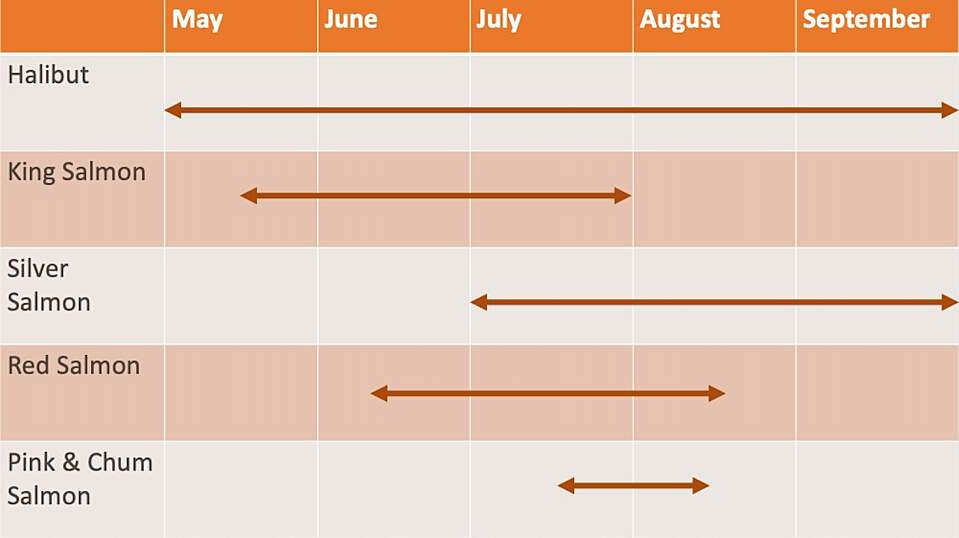
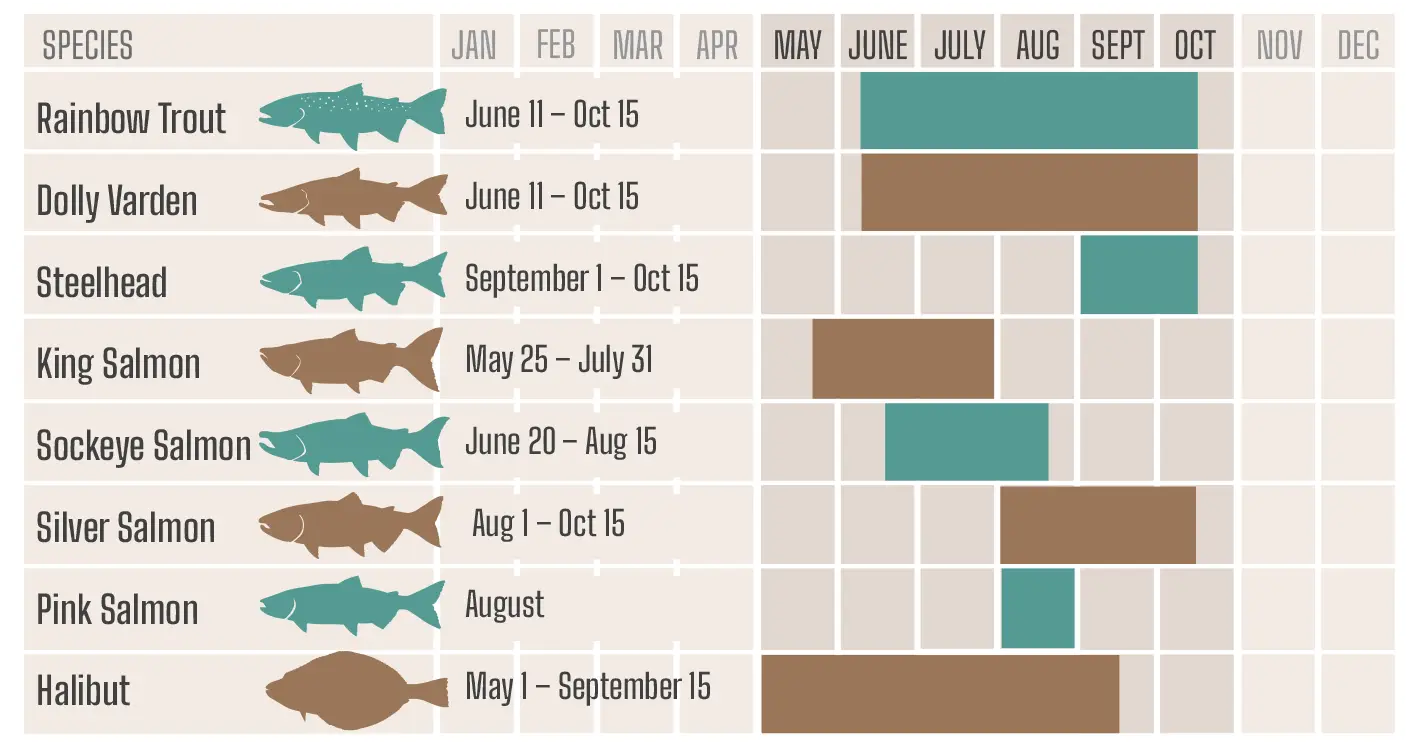
The majestic Chinook salmon, often referred to as the “King” of salmon, is the largest and most prized species. These powerful fish can weigh upwards of 50 pounds and undertake impressive migrations. Their runs typically begin earlier in the year, with many areas seeing peaks in late May and June. For anglers, the Chinook salmon represents the ultimate fishing challenge and reward. Prime locations for observing or fishing for Chinook salmon include the Kenai Peninsula, particularly the Kenai River, and the Bristol Bay region. Early summer offers the best opportunity to encounter these giants.
Sockeye Salmon (Red Salmon)
Renowned for their vibrant red flesh and rich flavor, Sockeye salmon are a favorite among seafood enthusiasts and anglers alike. Their runs are often characterized by sheer numbers, with millions of Sockeye returning to their natal rivers to spawn. The peak season for Sockeye salmon typically runs from June through August, with specific timing varying by river system. The Naknek River and the Kvichak River in the Bristol Bay area are famous for their massive Sockeye runs, often considered the largest in the world. Other popular spots include the Copper River and various tributaries of the Yukon River.
Coho Salmon (Silver Salmon)
The Coho salmon, or “Silver” salmon, are known for their acrobatic fights and are a popular target for sport fishermen. They tend to run later in the season compared to Chinook and Sockeye. Coho salmon runs typically begin in earnest in July and can extend through September, with peak activity often occurring in August and early September. Popular destinations for Coho fishing include Southeast Alaska, Kodiak Island, and the Kenai Peninsula.
Pink Salmon (Humpy Salmon)
The most abundant of the Pacific salmon species, Pink salmon, or “Humpy” salmon, are easily identifiable by their distinctive hump on the back of the males during the spawning season. While smaller in size than Chinook or Sockeye, their sheer numbers make them an impressive sight. Pink salmon runs are typically biennial, meaning they are stronger in odd-numbered years than even-numbered years in many regions. Their runs generally occur from July through September. They are found throughout Alaska’s coastal waters and rivers.
Chum Salmon (Dog Salmon)
Chum salmon, also known as “Dog” salmon, are named for their tendency to be caught by Native Alaskan communities for dog food. They are also a vital part of the ecosystem. Chum salmon runs vary widely across Alaska, but generally occur from late June through September, with some runs extending into the fall. They are found in many of Alaska’s major river systems.
Timing Your Alaska Trip for the Best Salmon Experience
The “best” time to visit Alaska for salmon season is subjective and depends on what you hope to experience. Are you an avid angler seeking the thrill of the catch, a wildlife enthusiast eager to witness bears feasting on salmon, or simply a traveler looking to experience the raw power of nature?
Early Season (Late May – June)
Late May and June mark the beginning of the salmon season, primarily heralded by the arrival of the early Chinook (King) salmon runs. This is an excellent time for those targeting the largest salmon species. The weather in Alaska is generally improving, with longer daylight hours and the landscape beginning to burst with life. However, some areas may still experience lingering snow at higher elevations. This period is ideal for fishing in rivers like the Kenai River and for exploring the stunning scenery of Southcentral Alaska before the peak summer crowds arrive. Many lodges and tour operators begin their operations in earnest during this period.
Mid-Season (July – August)
July and August are considered the peak of salmon season across much of Alaska. This is when the majority of salmon species are running in significant numbers. Sockeye salmon runs are often at their strongest during these months, particularly in the Bristol Bay region. Coho salmon also begin to appear in larger numbers, offering exciting fishing opportunities. Wildlife viewing is at its best during this period, as bears, eagles, and other predators gather along riverbanks to take advantage of the abundant food source. Popular destinations like Homer and Seward on the Kenai Peninsula are buzzing with activity. This is also prime time for experiencing the vibrant local culture and enjoying fresh, locally caught salmon. However, it is also the busiest tourist season, so booking accommodations and tours well in advance is crucial. Consider staying at a comfortable lodge like the Grande Alaska Lodge or exploring unique apartment rentals for longer stays.
Late Season (September – October)
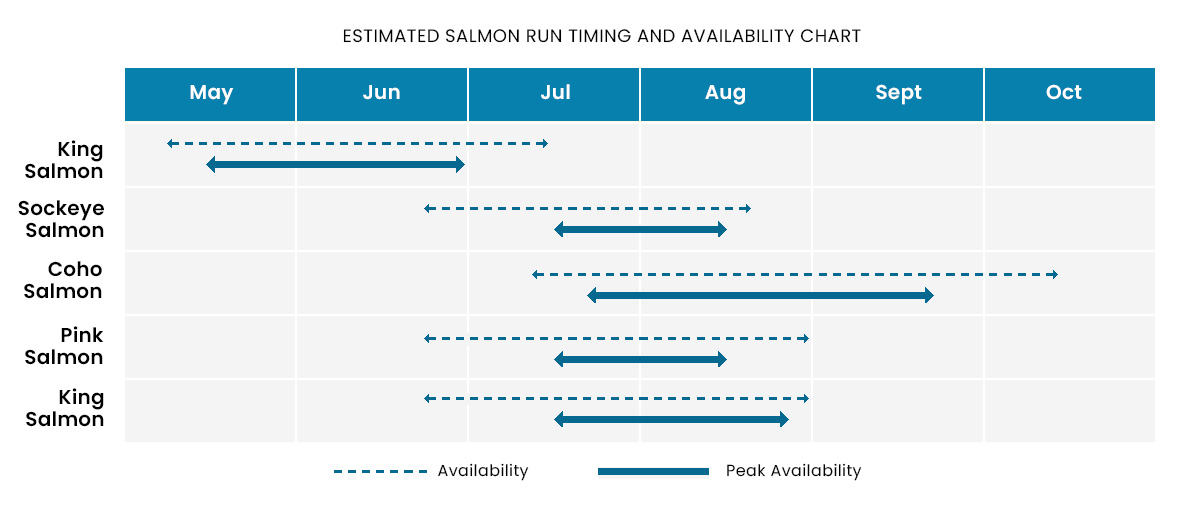
As summer transitions into autumn, the salmon season enters its later stages. September often sees the tail end of the Coho salmon runs and the beginning of the late-season Chum salmon runs. This time of year offers a different kind of beauty in Alaska, with the changing colors of the foliage creating a spectacular backdrop. The crowds begin to thin out, offering a more serene experience for travelers. Wildlife viewing remains excellent, as animals prepare for the winter months. For those who appreciate cooler weather and fewer people, September can be an ideal month to visit. Some fishing charters and lodges continue to operate, offering opportunities to fish for lingering salmon species and enjoy the crisp Alaskan air. Experiencing a cozy stay in a cabin like the Aurora Borealis Cabin can be particularly appealing during this season.
Best Locations for Witnessing and Experiencing Salmon Season
Alaska offers numerous breathtaking locations where you can witness the salmon run, whether by observing wildlife, participating in fishing excursions, or immersing yourself in the local culture.
The Kenai Peninsula
The Kenai Peninsula is a world-renowned destination for salmon fishing and wildlife viewing. The Kenai River is legendary for its trophy-sized Chinook salmon, while other rivers and streams on the peninsula teem with Sockeye, Coho, Pink, and Chum salmon throughout the season. Towns like Homer, Seward, and Soldotna offer excellent access to fishing charters, guided tours, and comfortable accommodations. You can stay in a charming suite at the Kenai Riverside Lodge or find family-friendly apartments in Soldotna. Wildlife enthusiasts can often spot bears, eagles, and sea otters in this productive region.
Bristol Bay
The Bristol Bay region is home to the largest Sockeye salmon run on the planet. Witnessing millions of these vibrant red fish making their arduous journey upstream is an awe-inspiring spectacle. While the commercial fishing industry is prominent here, sport fishing opportunities are abundant, particularly for Sockeye and some Chinook. The area around King Salmon and Dillingham provides access to this incredible phenomenon. Consider booking a stay at a remote fishing lodge for an immersive experience, such as the Alaska King Salmon Lodge.
Southeast Alaska
Southeast Alaska, with its temperate rainforests and rich coastal waters, is another prime location for salmon. Rivers and streams throughout the Panhandle support runs of all five salmon species. This region is also known for its stunning natural beauty, including glaciers and fjords, making it ideal for combining wildlife viewing with scenic cruising and hiking. Cities like Juneau and Ketchikan offer various tours and accommodations, from luxury suites in Juneau to cozy villas overlooking the water.
Interior Alaska Rivers (e.g., Yukon River)
While many associate salmon runs with coastal areas, major interior rivers like the Yukon River also support significant salmon populations, particularly Chum and Chinook. Experiencing the salmon run in the interior offers a different perspective on Alaska’s vastness and the resilience of these fish. Access to these areas can be more challenging, often requiring flights to remote communities, but the reward is a more untouched and authentic encounter with nature. Lodging options in these regions are typically more rustic, focusing on providing a base for exploration.
Planning Your Salmon Season Adventure
A successful salmon season trip to Alaska requires careful planning, especially when it comes to timing, accommodation, and activities.
Choosing Your Accommodation
Alaska offers a wide range of accommodation options to suit every budget and travel style. From luxurious resorts and cozy lodges to vacation apartments and budget-friendly hotels, you can find the perfect base for your salmon adventure.
- Fishing Lodges: For dedicated anglers, specialized fishing lodges offer all-inclusive packages that often include guided fishing trips, meals, and comfortable lodging. Many are strategically located on prime fishing rivers.
- Hotels and Resorts: In larger towns like Anchorage, Fairbanks, Juneau, and along the Kenai Peninsula, you’ll find a variety of hotels and resorts. Consider the Alyeska Resort for a luxurious experience or a comfortable hotel in Kenai for easy access to fishing.
- Vacation Rentals: For families or longer stays, vacation apartments and villas offer more space and amenities like kitchens. Platforms like Airbnb and VRBO list numerous properties across Alaska.
- Glamping and Cabins: For a more rustic yet comfortable experience, consider glamping sites or secluded cabins, offering a chance to be closer to nature.
Activities Beyond Fishing
While salmon fishing is the primary draw, Alaska’s salmon season offers a multitude of other activities:
- Wildlife Viewing: Witnessing bears, eagles, and other animals feeding on salmon is a highlight. Many tours are specifically designed for wildlife viewing, taking you to prime spotting locations.
- Hiking and Nature Walks: Explore Alaska’s stunning landscapes with hikes through national parks and forests. The crisp autumn air or the blooming spring meadows provide beautiful backdrops.
- Cultural Experiences: Engage with the local culture by visiting Native Alaskan communities, learning about their history and traditions, and perhaps enjoying local cuisine featuring salmon.
- Scenic Cruises: Explore Alaska’s magnificent coastline and fjords by taking a scenic cruise, often offering opportunities to spot whales, sea otters, and, of course, salmon jumping in the waters.
- Photography: Alaska is a photographer’s paradise, and the salmon run provides incredible opportunities to capture dramatic wildlife scenes and stunning natural landscapes.
Essential Tips for Your Trip
- Book in Advance: Salmon season is a popular time to visit Alaska. Book flights, accommodations, and popular tours well in advance, especially if you are traveling during July and August.
- Pack Appropriately: Alaskan weather can be unpredictable. Pack layers of clothing, including waterproof and windproof outerwear, sturdy hiking boots, a hat, and gloves.
- Respect Wildlife: Maintain a safe distance from all wildlife, especially bears. Never feed wild animals.
- Obtain Fishing Licenses: If you plan to fish, ensure you have the necessary Alaska fishing licenses and understand the regulations for the specific species and areas you intend to fish.
- Consider a Guided Tour: For the best experience, especially if you are new to Alaska or salmon fishing, consider booking guided tours or hiring local guides. They possess invaluable knowledge of the best locations, fishing techniques, and wildlife spotting opportunities.
Alaska’s salmon season is a truly remarkable event, offering a unique blend of thrilling outdoor adventures, abundant wildlife, and breathtaking natural beauty. By understanding the timing of the salmon runs and planning your trip accordingly, you can ensure an unforgettable experience in the Last Frontier. Whether you’re casting a line on the Kenai River, marveling at bears along the Copper River, or simply enjoying the vibrant culinary scene, Alaska’s salmon season promises memories that will last a lifetime.
LifeOutOfTheBox is a participant in the Amazon Services LLC Associates Program, an affiliate advertising program designed to provide a means for sites to earn advertising fees by advertising and linking to Amazon.com. Amazon, the Amazon logo, AmazonSupply, and the AmazonSupply logo are trademarks of Amazon.com, Inc. or its affiliates. As an Amazon Associate we earn affiliate commissions from qualifying purchases.