
Florida, the Sunshine State, is renowned for its pristine beaches, vibrant cities, and an abundance of outdoor adventures. Among these, the thrill of wild bay scalloping stands out as a unique and cherished experience, drawing enthusiasts from across the globe. Imagine crystal-clear waters, vibrant seagrass beds, and the excitement of discovering these delectable bivalves, often nestled among marine life. It’s more than just a hunt for food; it’s an immersive journey into the heart of Florida’s natural beauty, a perfect blend of adventure, culinary delight, and family-friendly fun.
Scalloping season in Florida is a highly anticipated event, a true highlight for both seasoned divers and first-time adventurers. It’s an opportunity to connect with nature, witness incredible marine biodiversity, and create lasting memories. For those planning a trip, understanding when and where to go is paramount to a successful and enjoyable experience. The state’s waters offer distinct scalloping zones, each with its own unique charm, regulations, and, critically, specific harvest dates. These windows of opportunity are carefully managed by the Florida Fish and Wildlife Conservation Commission (FWC) to ensure sustainable populations and a thriving ecosystem within the Gulf of Mexico.
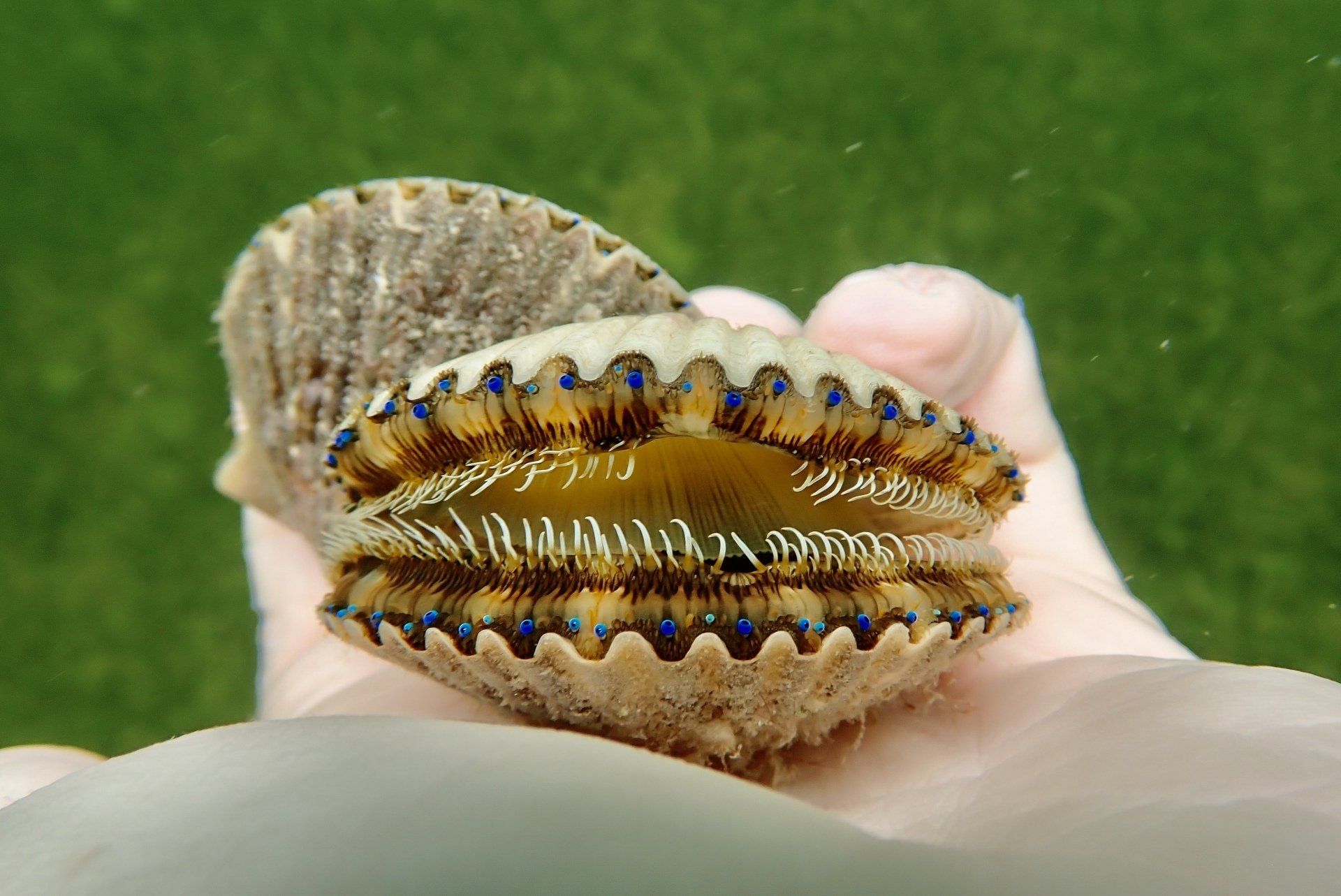
This comprehensive guide will navigate you through the diverse scalloping seasons across Florida’s coastal regions, offering insights into regulations, essential gear, and how to transform your scalloping excursion into an unforgettable travel experience. Whether you’re a gastronomy enthusiast eager to harvest your own meal, a family seeking a unique bonding activity, or an intrepid traveler looking for a fresh adventure, Florida’s scallop season promises a rewarding escape.
Unveiling Florida’s Scalloping Seasons: A Regional Guide
Scalloping in Florida is not a one-size-fits-all affair. The state is divided into several designated scalloping zones, each boasting its own specific season, reflecting the local scallop populations and ecological considerations. While the exact dates can shift slightly year to year based on FWC assessments, the 2023 season provides a clear blueprint for what to expect. Planning your trip around these regional calendars is key to maximizing your chances of a bountiful harvest and experiencing the unique character of each coastal community.
The Dixie County, Taylor County, and Levy County Season
This region represents one of the most popular and productive scalloping grounds in Florida. Encompassing parts of the Big Bend region, these counties are celebrated for their vast, shallow seagrass beds, which are prime habitats for bay scallops. For 2023, the season in these areas ran from June 16 to September 24.
This extended season offers ample time for visitors to plan their trips. Key destinations within this zone include the charming fishing towns of Steinhatchee in Taylor County, known for its welcoming marinas and a vibrant scallop festival, and areas within Dixie County and Levy County. These communities fully embrace the scalloping tradition, offering everything from boat rentals and guided tours to processing facilities for your fresh catch. It’s a fantastic choice for families and groups, providing a full immersion into coastal Florida life.
Hernando County and Pasco County’s Scallop Window
Further south along the Gulf Coast, Hernando County and Pasco County offer another exciting opportunity for scalloping. These waters are often characterized by their serene estuaries and abundant marine life, providing a picturesque backdrop for your adventure. The 2023 season for these counties was from July 1 to September 24.
Destinations like Hernando Beach and areas near Port Richey, New Port Richey, and Hudson in Pasco County become hubs of activity during this period. The relatively close proximity to major metropolitan areas like Tampa makes this region an accessible option for a weekend getaway or a day trip for those residing in Central Florida and Southwest Florida. Beyond scalloping, visitors can explore local parks, enjoy waterfront dining, and discover the relaxed pace of life unique to this part of the Florida coast.
Citrus County’s Bountiful Waters
Citrus County is famously known as the “Manatee Capital of the World,” but during the summer months, it transforms into a prime scalloping destination. Its clear, shallow waters and extensive seagrass beds make it an ideal spot for snorkelers to spot scallops. For 2023, the season in Citrus County was from July 1 to September 24, mirroring the season in Hernando and Pasco Counties.
Popular scalloping bases in this region include Crystal River and Homosassa. These towns offer a plethora of accommodation options, from cozy fishing lodges and vacation rentals to more upscale resorts, catering to various travel lifestyles. Many local outfitters provide guided scalloping tours, ensuring even novices have a successful and safe experience. After a day of scalloping, visitors can indulge in other local attractions, such as swimming with manatees or exploring the vibrant downtown areas.
St. Marks to Mexico Beach: A Shorter, Sweet Season
Moving northwest along the Florida Panhandle, the region stretching from St. Marks to Mexico Beach offers a distinct, albeit shorter, scalloping season. This area, known for its pristine beaches and less-crowded waters, provides a more tranquil scalloping experience. In 2023, the season here was from August 16 to September 24.
This condensed window highlights the importance of precise planning for those wishing to explore scalloping in destinations such as St. Marks, Port St. Joe, and the waters near Mexico Beach. While shorter, the season is often very productive, drawing those who prefer a quieter, more untouched natural environment. The nearby St. Joseph Bay is particularly famed for its scallop populations, offering an almost unparalleled experience in clear, calm waters. This area is also rich in historical landmarks and charming small towns, perfect for extending your trip beyond just the scalloping.
Port St. Joe Bay’s Exclusive Opportunity
Unique among the scalloping zones, Port St. Joe Bay often enjoys an exclusive, earlier season due to its specific ecological conditions and successful conservation efforts. Located within Gulf County on the Florida Panhandle, this bay is celebrated for its consistently healthy scallop populations and remarkably clear waters, which enhance the visibility for snorkelers. For 2023, the Port St. Joe Bay season was from August 16 to September 24, coinciding with the wider St. Marks to Mexico Beach season but often receiving special attention for its abundance.
This destination offers a fantastic opportunity for travelers seeking a pristine natural setting. The towns of Port St. Joe, Cape San Blas, and the Indian Pass Peninsula provide excellent bases, with various accommodation options ranging from cozy beach houses and vacation rentals to modern hotels. Beyond scalloping, the area is ideal for kayaking, paddleboarding, and enjoying the unspoiled beauty of Florida’s Forgotten Coast. The focus here is on sustainable tourism and appreciating the natural wonders of the Gulf Coast.
Essential Gear and Regulations for a Successful Scallop Trip
Embarking on a scalloping adventure requires a bit of preparation, both in terms of equipment and understanding the rules. Adhering to FWC regulations is not only about legal compliance but also about ensuring the sustainability of these precious marine resources for future generations.
The Scalloping Toolkit: What You’ll Need
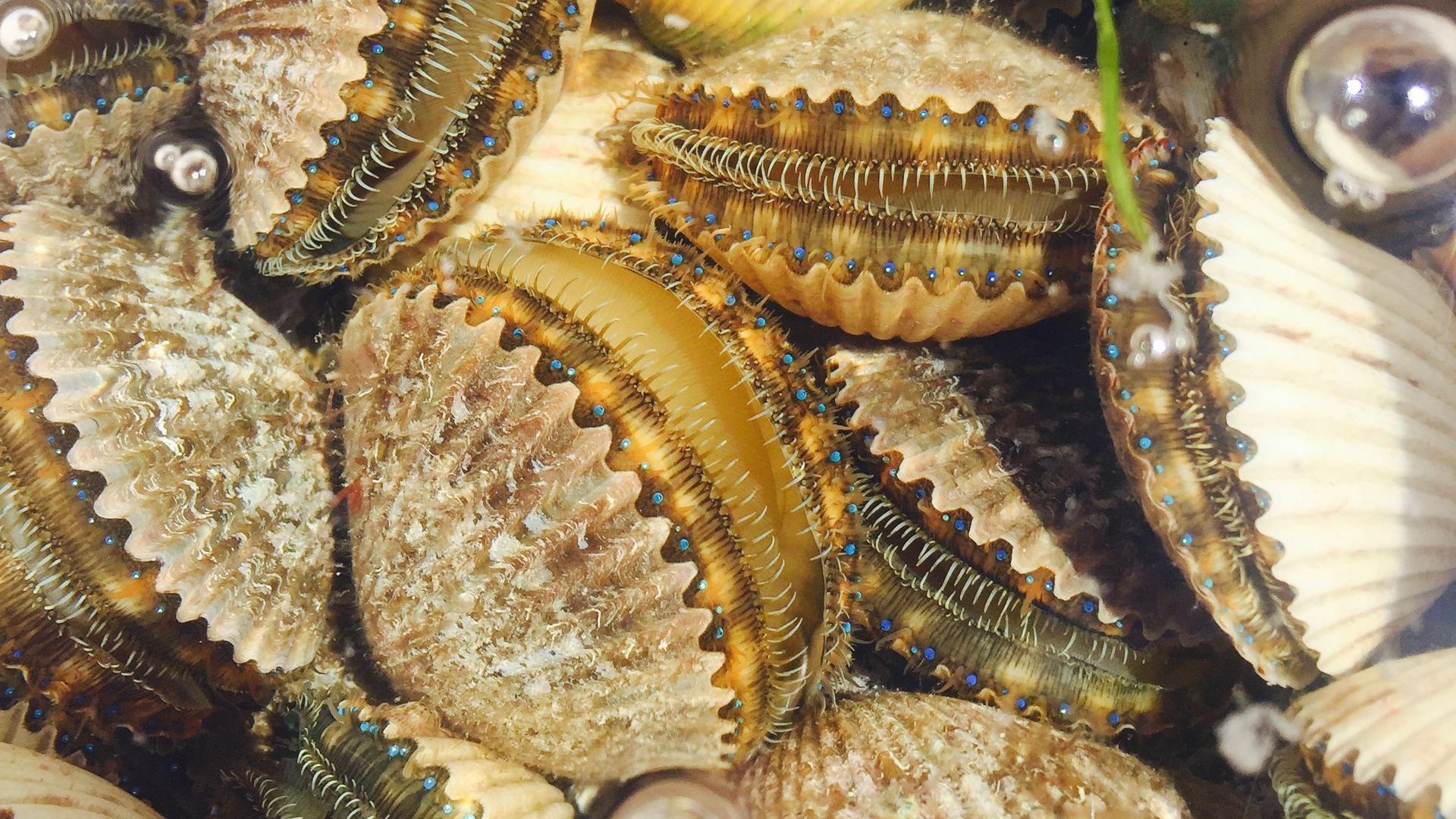
Scalloping is largely an accessible activity, often described as an underwater Easter egg hunt. Here’s what you’ll typically need:
- Mask, Snorkel, and Fins: Essential for seeing and maneuvering underwater. Good quality gear will significantly enhance your experience.
- Mesh Bag: To collect your scallops. Choose one with a wide opening for easy access.
- Dive Flag: A mandatory safety item. Whether you’re in a boat or free-diving, a dive flag must be displayed to alert other boaters to your presence in the water. Familiarize yourself with local dive flag regulations.
- Small Cooler with Ice: To keep your scallops fresh on the boat and during your journey home.
- Sun Protection: Florida’s sun is intense, even on cloudy days. Bring reef-safe sunscreen, hats, and protective clothing.
- Gloves (Optional but Recommended): Scallops can have sharp edges, and gloves protect your hands.
- Gauging Tool (Optional): While not strictly required for bay scallops (which don’t have a minimum size), a measuring tool can be useful for other types of shellfish or to simply satisfy curiosity.
For those without their own boat, many marinas and local charter services offer guided scalloping trips, providing all necessary equipment and expert local knowledge. Marinas like Steinhatchee City Marina, Sea Hag Marina, and River Haven Marina are excellent starting points for booking.
Navigating FWC Regulations: Licenses and Limits
Before you even dip a toe in the water, understanding the rules set by the Florida Fish and Wildlife Conservation Commission (FWC) is crucial. These regulations are designed to protect scallop populations and ensure a fair and safe experience for everyone.
- Recreational Saltwater Fishing License: Anyone aged 16 or older (unless otherwise exempt, such as Florida residents scalloping from shore) needs a current Florida recreational saltwater fishing license. These can be purchased online, by phone, or at various retail locations throughout the state.
- Bag Limits: The FWC enforces strict bag limits to prevent overharvesting. For bay scallops, the daily bag limit is typically 2 gallons of whole bay scallops in the shell OR 1 pint of scallop meat per person. There is also a vessel limit, usually 10 gallons of whole bay scallops in the shell OR 1/2 gallon of scallop meat per vessel, whichever is less. Always check the most current regulations on the FWC website before your trip, as these can change.
- Method of Harvest: Bay scallops can only be harvested by hand or with a dip net. No mechanical means are allowed.
- Prohibited Areas: Always be aware of any areas closed to harvest, such as state parks or protected zones. Respect private property and marine sanctuaries.
- Safety First: Always operate your vessel safely, maintain proper lookout, and ensure all required safety equipment is onboard. Display your dive flag prominently when divers are in the water.
By adhering to these guidelines, you contribute to the conservation of Florida’s precious marine ecosystems and ensure the continued enjoyment of this unique activity for generations to come.
Beyond the Hunt: Making the Most of Your Florida Scalloping Adventure
A scalloping trip to Florida is more than just collecting shellfish; it’s an immersive travel experience. The journey offers an unparalleled opportunity to explore charming coastal towns, savor local cuisine, enjoy diverse accommodations, and embrace the laid-back Florida lifestyle.
Top Scalloping Destinations and Their Charms
Each scalloping region in Florida boasts its own unique appeal, making them fantastic destinations for a broader travel experience:
- Steinhatchee, Taylor County: This small fishing village is often hailed as the “Scallop Capital of the World.” Its rustic charm, friendly locals, and well-equipped marinas (Steinhatchee City Marina, Sea Hag Marina, River Haven Marina) make it incredibly popular. Accommodation ranges from quaint riverside cabins and vacation rentals to fishing lodges. Beyond scalloping, visitors can enjoy excellent freshwater and saltwater fishing on the Steinhatchee River and nearby Gulf of Mexico, or explore the natural beauty of the Econfina River and Fenholloway River estuaries.
- Crystal River & Homosassa, Citrus County: These sister cities offer a blend of scalloping and renowned wildlife encounters. While scalloping, you might spot manatees, which Crystal River is famous for. The area provides a wide array of hotels and resorts, from budget-friendly options to luxurious suites and villas, many with waterfront access. Local culture here is deeply intertwined with nature, offering eco-tours, kayaking, and opportunities to visit landmarks like the Homosassa Springs Wildlife State Park.
- Port St. Joe, Gulf County: For those seeking a quieter, more pristine environment, Port St. Joe and its surrounding areas like Cape San Blas are ideal. The clear, calm waters of St. Joseph Bay are legendary for scalloping. Accommodation typically includes charming beach houses, condos, and smaller boutique hotels. The Forgotten Coast offers stunning undeveloped beaches, a historic downtown, and opportunities for paddleboarding, kayaking, and exploring the Indian Pass Peninsula.
- Keaton Beach, Taylor County: A less commercialized alternative to Steinhatchee, Keaton Beach offers a relaxed family atmosphere. It’s an excellent spot for those looking to avoid crowds and enjoy simple, unspoiled coastal beauty. Expect more vacation rental homes and fewer large hotels, creating a true “local” feel.
- Apalachicola Bay Area, Franklin County: While the season is shorter, areas around Carrabelle, Lanark Village, Eastpoint, and St. George Island offer access to Apalachee Bay and Ochlockonee Bay for scalloping. This region is famous for its oyster industry and rich maritime history, offering a deep dive into Florida’s authentic coastal culture. Historic downtown Apalachicola is a landmark itself, offering unique shops, art galleries, and incredible seafood restaurants.
Planning Your Scalloping Getaway: Accommodation and Local Culture
To truly experience a Florida scalloping trip, consider the broader travel and tourism aspects:
- Accommodation: Book early, especially for peak season weekends. Options range from luxurious resorts and full-service hotels to charming vacation rentals, private villas, and family-friendly apartments. For budget travelers, campgrounds and smaller inns are also available. Websites dedicated to booking and comparison are invaluable here. Many accommodations offer special “scalloping packages” during the season.
- Local Culture and Cuisine: Scalloping areas are often steeped in local Florida culture. Explore local markets, enjoy fresh seafood at waterfront restaurants, and interact with the friendly community. Many towns host scallop festivals or events during the season, offering live music, food vendors, and arts and crafts. Don’t miss trying locally prepared scallops – fried, grilled, or seared – at a local eatery.
- Beyond Scalloping: Integrate your scalloping trip with other Florida attractions. Visit a nearby Everglades National Park, explore the vibrant cities of Orlando or Miami, or simply relax on the beautiful beaches of Destin or Panama City Beach. Florida’s diverse offerings ensure there’s something for every lifestyle, from luxury travel to budget-friendly family trips.
A Taste of Florida: Preparing Your Scallop Harvest
The ultimate reward of a scalloping trip is enjoying your fresh catch. “Cleaning” scallops (removing the meat from the shell) can be done on the boat or at a cleaning station back on shore. Many marinas offer this service for a small fee, or you can learn the technique yourself – it’s part of the experience!
Once cleaned, bay scallops are incredibly versatile. A simple sauté in butter and garlic allows their sweet, delicate flavor to shine. They can also be grilled, fried, added to pasta dishes, or used in ceviche. This fresh-from-the-ocean meal is a quintessential part of the Florida scalloping lifestyle and a culinary memory you won’t soon forget.
Why Scalloping in Florida is a Must-Do Experience
Scalloping in Florida is more than just a seasonal activity; it’s an immersive and unforgettable adventure that perfectly encapsulates the state’s unique appeal. It offers a rare opportunity to engage directly with Florida’s rich marine environment, combining the thrill of the hunt with the tranquility of being on the water.
This experience appeals to a wide range of travelers and lifestyles. For families, it’s an educational and exciting outdoor activity that creates cherished memories. Kids love donning masks and snorkels, exploring the seagrass beds, and discovering the hidden scallops. For couples, it’s a romantic escape, offering picturesque days on the water and delicious, fresh seafood dinners. For the adventurous solo traveler, it’s a chance to connect with nature, learn a new skill, and meet fellow enthusiasts.
Beyond the harvest itself, a scalloping trip allows you to discover the charming coastal communities of Northwest Florida and the Big Bend, often overlooked by those heading to the more famous theme parks or southern beaches. These areas offer authentic Florida experiences, with a focus on natural beauty, local cuisine, and a relaxed pace of life. From the historic streets of St. Marks to the vibrant marinas of Steinhatchee and the pristine waters of Port St. Joe Bay, each destination provides a unique backdrop for your aquatic quest.
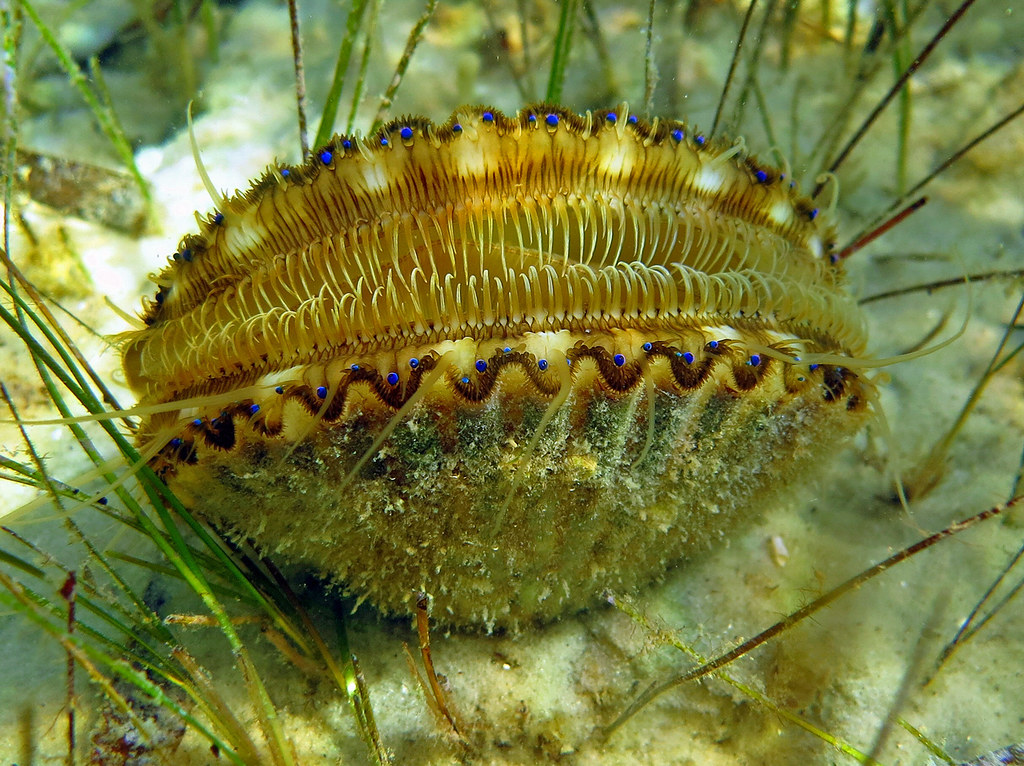
The act of diving into clear, shallow waters, discovering scallops amidst the swaying seagrass, and then preparing your own fresh catch is a deeply satisfying and rewarding endeavor. It’s a tangible connection to the source of your food and an appreciation for the natural bounty of the Gulf of Mexico. So, as you plan your next escape, consider aligning your travel dates with Florida’s scallop season. It’s an adventure that promises not just a delicious meal, but a profound appreciation for the Sunshine State’s incredible natural treasures and a lifetime of unforgettable stories.
LifeOutOfTheBox is a participant in the Amazon Services LLC Associates Program, an affiliate advertising program designed to provide a means for sites to earn advertising fees by advertising and linking to Amazon.com. Amazon, the Amazon logo, AmazonSupply, and the AmazonSupply logo are trademarks of Amazon.com, Inc. or its affiliates. As an Amazon Associate we earn affiliate commissions from qualifying purchases.