
Florida, a state synonymous with sun-drenched beaches, vibrant wildlife, and a thriving outdoor recreational scene, offers anglers a remarkable array of opportunities throughout the year. Among the most sought-after game fish is the snook, a powerful and elusive predator that draws fishermen from across the globe to its warm, coastal waters. Understanding the nuances of snook season in Florida is paramount for any angler aiming to maximize their success and adhere to responsible fishing practices. Florida’s snook fisheries are meticulously managed, with specific seasons, size limits, and bag limits designed to ensure the long-term health and abundance of these prized game fish. These regulations vary by region and by species, reflecting the diverse marine environments within the Sunshine State.

Understanding Florida’s Snook Fishing Regulations
The management of snook fisheries in Florida is a complex undertaking, involving extensive research, public input, and a commitment to conservation. The Florida Fish and Wildlife Conservation Commission (FWC) plays a pivotal role in setting and enforcing these regulations. The primary goal is to strike a balance between providing recreational fishing opportunities and protecting snook populations from overfishing. This involves setting open and closed seasons, bag limits (the number of fish a person can keep), and slot limits (the legal size range for keeping fish).
Regional Variations in Snook Seasons
Florida’s vast coastline is divided into distinct management regions, each with its own specific snook fishing regulations. This approach acknowledges the localized ecological differences and fishing pressures across the state. Understanding which region you will be fishing in is the first critical step in determining the applicable seasons.
Atlantic Coast Region
The Atlantic Coast Region encompasses the waters from St. Johns County south to Miami-Dade County. On the Atlantic Coast, snook fishing is generally open year-round, with the exception of specific closed periods aimed at protecting the fish during their spawning cycles. These closures are crucial for allowing snook to reproduce successfully.
- Open Season: Generally, the Atlantic Coast offers opportunities to target snook throughout much of the year.
- Closed Season: Typically, there are two closed seasons on the Atlantic Coast:
- February 1st through May 31st: This period often coincides with cooler water temperatures and the snook’s migration patterns.
- June 1st through August 31st: This closure is designed to protect snook during their peak spawning months when they congregate in larger numbers, making them more vulnerable.
Southern Zone (Including Florida Keys)
The Southern Zone, which includes the Florida Keys and extends up the southwest coast, has historically had its own set of regulations. However, recent management changes have brought it more in line with other regions, with a strong emphasis on conservation.
- Open Season: The primary open season for snook in the Southern Zone typically runs from September 1st through December 31st. This period often offers excellent fishing conditions as snook feed aggressively in preparation for cooler months.
- Closed Season: The Southern Zone observes a closed season from January 1st through August 31st. This extended closure provides a critical period for snook to spawn and recover.
Northern Zone
The Northern Zone of Florida, stretching from the Georgia border down to St. Johns County on the Atlantic side, has historically seen different management strategies. Recent changes have aimed for broader consistency in conservation efforts across the state, but it’s always wise to consult the most current FWC regulations.
- Open Season: Historically, the Northern Zone might have had different open periods. However, current regulations emphasize protecting spawning aggregations.
- Closed Season: The FWC has implemented a statewide closure for snook from January 1st through March 31st to protect them during cooler months when they are more vulnerable and less mobile, and then again from June 1st through August 31st to protect them during their peak spawning season. It’s important to note that specific nuances might still exist, making direct consultation with FWC essential.
Size and Bag Limits
Beyond seasonal closures, anglers must also be aware of the size and bag limits for snook. These limits are critical for maintaining healthy breeding populations.
- Slot Limit: For most of Florida, the legal size limit for snook is between 24 and 34 inches total length. This means that snook measuring less than 24 inches or greater than 34 inches must be released. This slot limit protects younger, immature snook and older, highly productive spawning females.
- Bag Limit: The bag limit for snook is one fish per person per day. This is a strict limit designed to prevent overharvesting, even during open seasons.
It is crucial for all anglers to stay updated on the latest regulations, as they can change based on stock assessments and management reviews. The FWC website is the definitive source for current rules.

Prime Times and Locations for Snook Fishing
While understanding the regulations is fundamental, knowing when and where to find snook can dramatically improve your fishing experience. Snook are highly adaptable and can be found in a variety of habitats, from shallow mangrove estuaries and oyster bars to deeper passes and nearshore waters. Their presence and feeding activity are influenced by water temperature, tides, and available prey.
Seasonal Feeding Patterns
Snook are migratory fish, moving to different locations throughout the year in response to water temperatures and breeding cycles.
- Spring (March – May): As water temperatures begin to rise, snook become more active. This is often a transitional period. On the Atlantic coast, the closure may still be in effect for part of this period, but as it lifts, fishing can become excellent, especially around bridges and inlets as they prepare to spawn.
- Summer (June – August): This is peak spawning season for snook throughout much of Florida. While this is a closed season in many areas to protect the spawning fish, anglers can still find opportunities in areas with different regulations or focus on catch-and-release fishing outside of these closed periods, always practicing proper handling techniques. The abundance of baitfish during summer fuels aggressive feeding.
- Fall (September – November): This is arguably the most popular and productive time for snook fishing across Florida. As temperatures begin to cool, snook move into feeding grounds in anticipation of winter. They become less focused on spawning and more interested in bulking up. Areas like Tampa Bay, the Florida Keys, and the waters around Fort Myers can be exceptional.
- Winter (December – February): In the warmer southern regions, snook remain active throughout the winter. They may move into slightly deeper or more protected waters to avoid the coolest temperatures. Anglers can find them around power plant discharges, bridge pilings, and in deeper channels where baitfish congregate. In the northern parts of the state, snook may become less active or move further south to find warmer waters.
Top Snook Fishing Destinations
Florida boasts numerous world-class destinations for snook fishing, each offering unique angling experiences.
- The Florida Keys: From the shallow flats of the Upper Keys to the mangrove-lined channels of the Lower Keys, snook are abundant. Fly fishing and light tackle anglers often find success targeting snook in backcountry areas.
- Southwest Florida (Fort Myers, Naples, Charlotte Harbor): This region is renowned for its healthy snook populations and diverse habitats. The vast expanse of Charlotte Harbor and the intricate network of coastal rivers and mangrove shorelines provide ample opportunities. The beaches and passes along Sanibel Island and Captiva Island also hold trophy snook.
- Tampa Bay: One of the largest and most productive estuarine systems in Florida, Tampa Bay offers excellent snook fishing. The bay’s numerous bridges, oyster bars, and mangrove shorelines are prime snook territory.
- The Atlantic Coast (Miami, Fort Lauderdale, Palm Beach): The eastern coastline, particularly the areas around inlets, bridges, and artificial reefs, can produce fantastic snook fishing, especially during the evening and nighttime hours when they often move closer to shore. The beaches of Miami Beach are particularly famous for night fishing.
- Indian River Lagoon: This extensive lagoon system, stretching from Ponce Inlet south to Jupiter Inlet, is a nursery ground for many species, including snook. The rich ecosystem supports large numbers of fish, especially in the central and southern portions.
Strategies for Successful Snook Angling
Catching snook requires more than just knowing when and where they are. It involves understanding their behavior, their preferred habitats, and employing effective fishing techniques.
Habitat Association
Snook are structure-oriented fish. They utilize various forms of cover to ambush prey and seek refuge from predators.
- Mangrove Shorelines: The intricate root systems of mangroves provide excellent shelter and a rich hunting ground for snook, especially in the calmer waters of bays and estuaries.
- Bridges and Docks: The pilings of bridges and the structures of docks offer both cover and current breaks, attracting baitfish and, consequently, snook.
- Oyster Bars: These underwater formations create complex terrain that snook use to their advantage, often lurking in the deeper channels adjacent to them.
- Inlets and Passes: The dynamic currents found in inlets and passes attract baitfish, making them prime feeding locations for hungry snook, particularly during tide changes.
- Nearshore Reefs and Wrecks: Larger snook often inhabit artificial reefs, natural wrecks, and other underwater structures located just offshore, where they can ambush migrating bait schools.
Effective Lures and Baits
Snook are opportunistic predators, and a variety of artificial lures and live baits can entice them to strike.
- Live Bait:
- Pilchards (Sardines): A classic bait for snook, pilchards are a staple in their diet.
- Shiners: Particularly effective in freshwater or brackish transition zones.
- Mullet: Larger mullet can entice bigger snook, especially when fished around structure.
- Croakers and Pinfish: These lively baits are excellent when fished on the bottom or under a float.
- Artificial Lures:
- Soft Plastic Jerkbaits: Soft plastic baits designed to mimic baitfish, fished with a twitch-and-pause retrieve, are highly effective. Popular colors include white, chartreuse, and various natural baitfish patterns.
- Swimbaits: Paddle-tail swimbaits rigged on jig heads can imitate fleeing baitfish and trigger aggressive strikes.
- Topwater Plugs: For exciting surface action, especially during low-light conditions, topwater plugs can be irresistible to snook.
- Jigs: Bucktail jigs and bucktail/soft plastic combinations are versatile and can be fished at various depths and speeds.
- Hard Plastic Twitchbaits: Deep-diving or suspending twitchbaits can imitate wounded baitfish and are effective when worked erratically.
Techniques and Timing
Snook are known for their aggressive strikes, often lurking in ambush positions.
- Tide Changes: Snook are most active during the incoming and outgoing tides when currents move baitfish into and out of their feeding areas.
- Low Light Conditions: Dawn and dusk are prime times for snook fishing, as they often move into shallower waters to feed under the cover of reduced light. Night fishing, especially along beaches and near lighted structures, can be exceptionally productive.
- Structure Fishing: Precise casts to or near structure are crucial. A well-placed bait or lure that bounces off or lands near a dock piling or mangrove root can elicit an instant strike.
- Retrieve Speed: Experimentation is key. Some snook prefer a fast, erratic retrieve, while others will strike a slowly retrieved bait or lure that mimics a struggling fish.
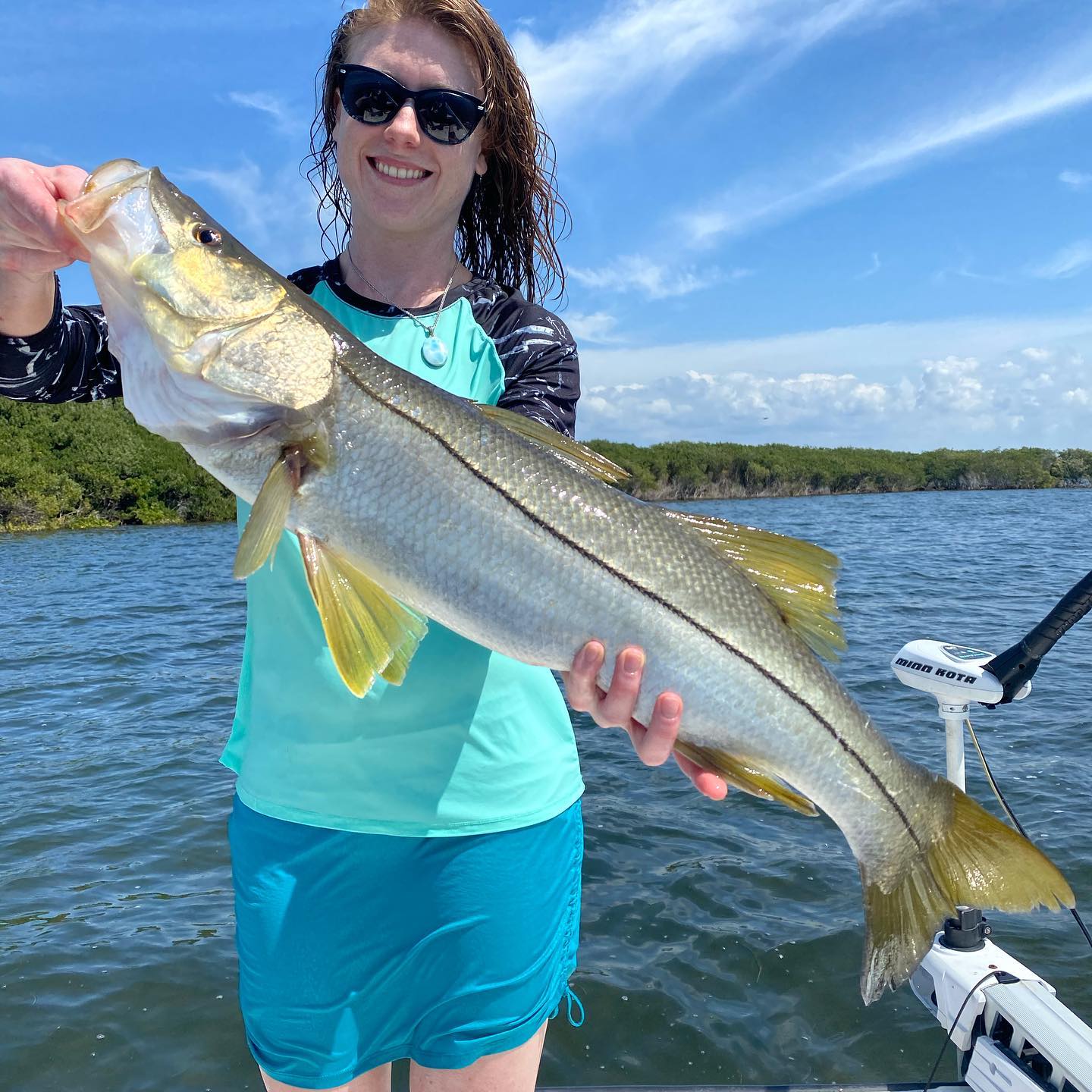
- Catch and Release: Given the strict regulations and the importance of conservation, practicing proper catch-and-release techniques is essential. Handle snook minimally, wet your hands before touching them, and release them quickly to ensure their survival.
By understanding Florida’s snook seasons, respecting the regulations, and employing effective strategies, anglers can look forward to thrilling encounters with this iconic game fish. The pursuit of snook offers not only a challenging angling experience but also an opportunity to appreciate the rich marine biodiversity that Florida’s waters provide.
LifeOutOfTheBox is a participant in the Amazon Services LLC Associates Program, an affiliate advertising program designed to provide a means for sites to earn advertising fees by advertising and linking to Amazon.com. Amazon, the Amazon logo, AmazonSupply, and the AmazonSupply logo are trademarks of Amazon.com, Inc. or its affiliates. As an Amazon Associate we earn affiliate commissions from qualifying purchases.